Introduction
The use of recombinant proteins has revolutionized the field of biotechnology and pharmaceutical research. One such protein that has gained significant attention is the Recombinant Human NAP1L1 Protein. In this article, we will discuss the structure, activity, and application of this protein in various fields.
Structure of Recombinant Human NAP1L1 Protein
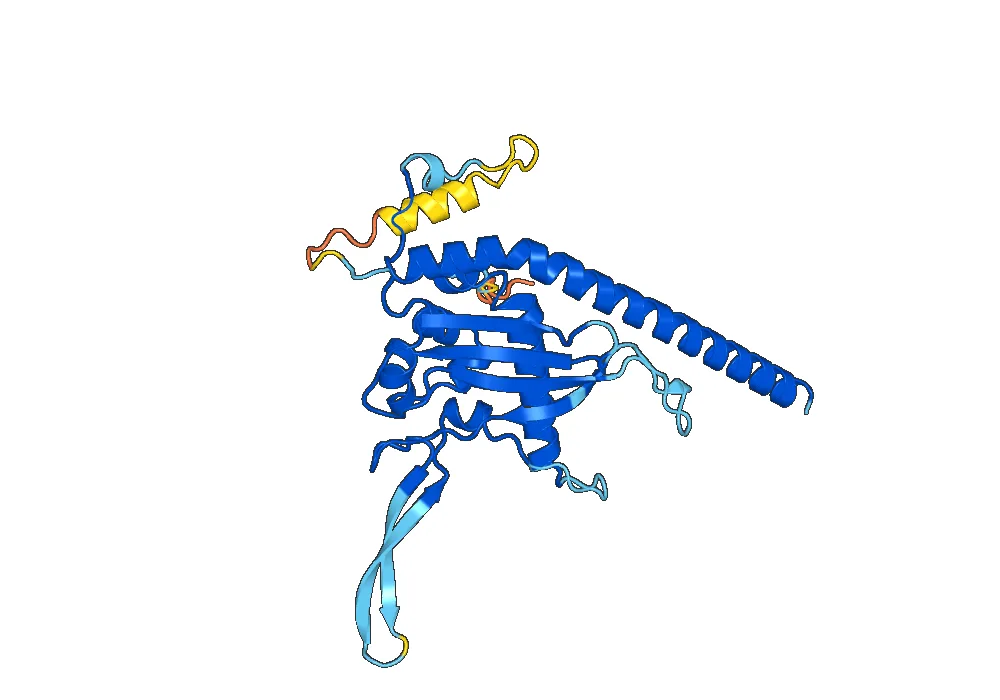
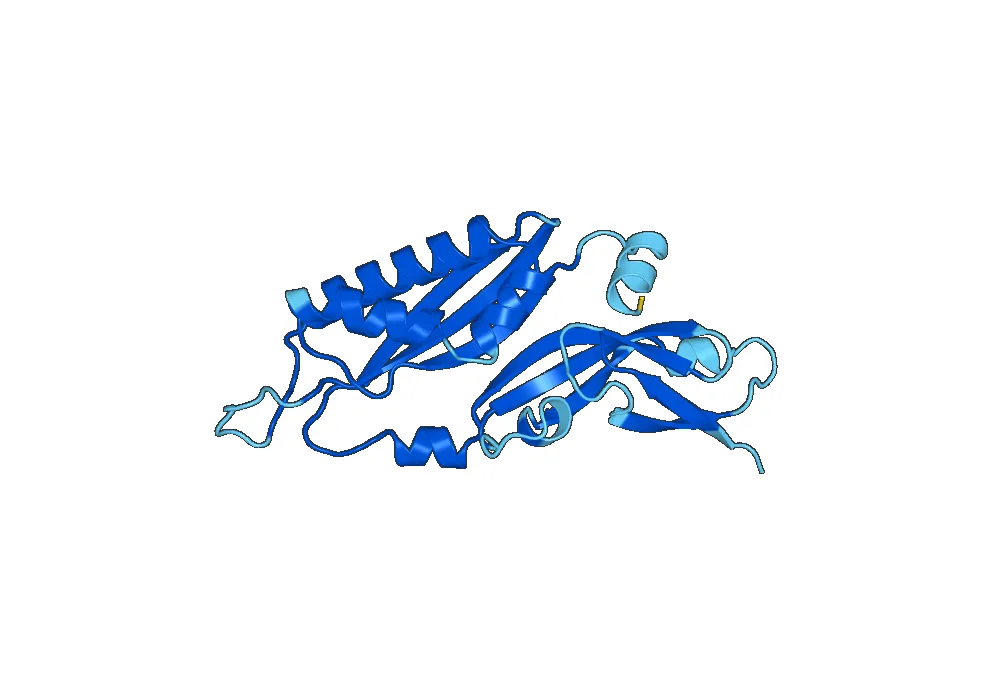
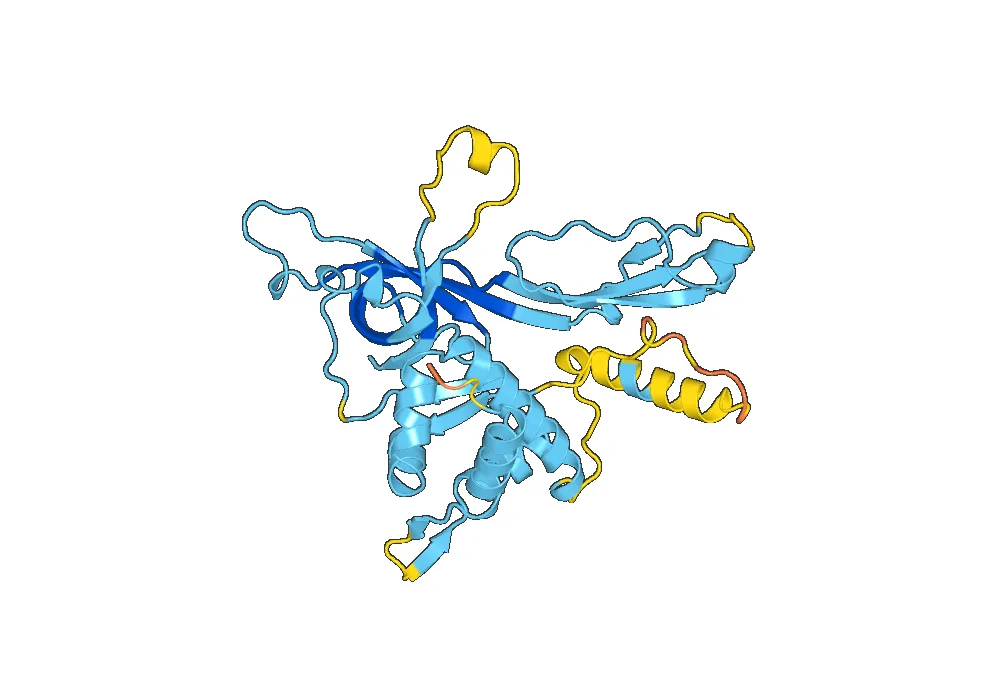
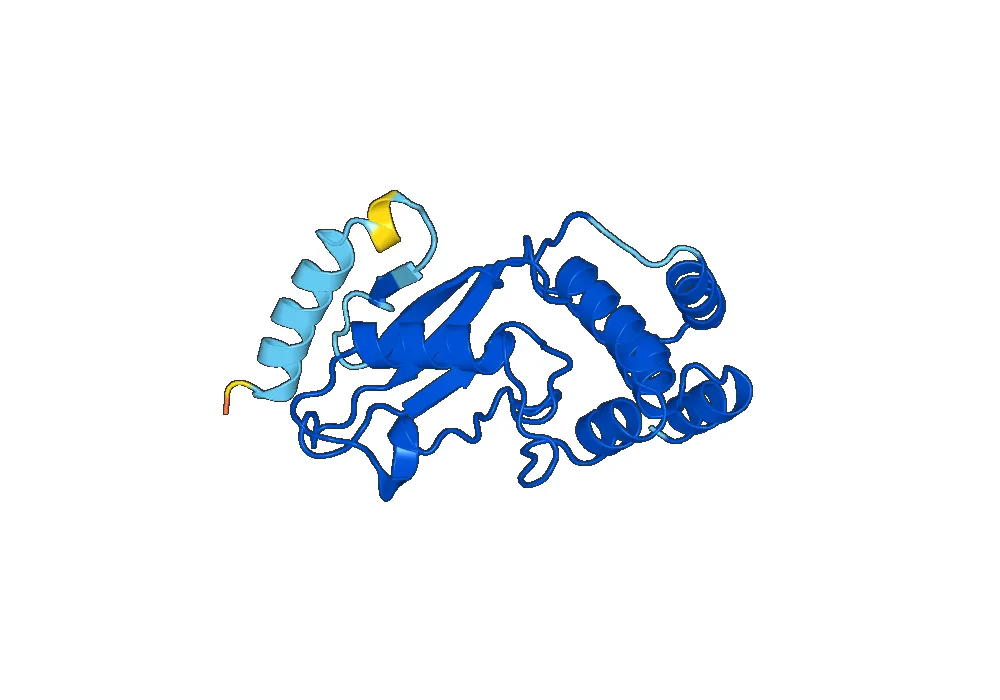
The Recombinant Human NAP1L1 Protein is a member of the nucleosome assembly protein (NAP) family. It is a 52 kDa protein composed of 468 amino acids. The protein contains a highly conserved N-terminal domain and a C-terminal domain that is rich in lysine and arginine residues. The N-terminal domain is responsible for the binding of histones and DNA, while the C-terminal domain plays a crucial role in nucleosome assembly.
Activity of Recombinant Human NAP1L1 Protein
The primary function of Recombinant Human NAP1L1 Protein is to facilitate the assembly of nucleosomes, the basic unit of chromatin structure. It binds to both histones and DNA and promotes the formation of stable nucleosome complexes. This protein also plays a role in regulating gene expression by facilitating the transfer of histones to newly synthesized DNA during DNA replication.
Studies have also shown that Recombinant Human NAP1L1 Protein has a role in chromatin remodeling, which is essential for various cellular processes such as DNA repair, transcription, and replication. It has been found to interact with other chromatin-modifying enzymes and transcription factors, indicating its involvement in regulating gene expression.
Application of Recombinant Human NAP1L1 Protein
The unique structural and functional properties of Recombinant Human NAP1L1 Protein make it a versatile tool for various applications in the field of biotechnology and medicine.
Recombinant Protein Production
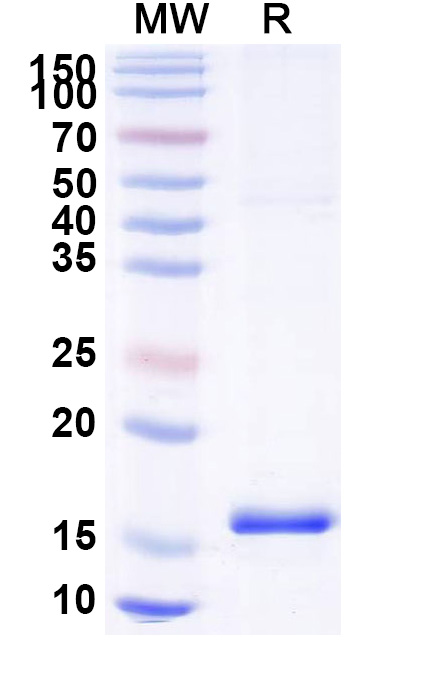
Recombinant Human NAP1L1 Protein can be produced in large quantities using recombinant DNA technology. This protein is widely used in research laboratories for studying its role in chromatin organization and gene expression. It is also used as a control protein in various experiments due to its high purity and stability.
Antigen for Antibody Production
Recombinant Human NAP1L1 Protein has been used as an antigen for the production of specific antibodies. These antibodies can be used for immunological assays to detect the presence of this protein in various samples. They can also be used for immunohistochemistry to visualize the distribution of this protein in tissues.
Drug Target for Cancer Therapy
Studies have shown that Recombinant Human NAP1L1 Protein is overexpressed in various types of cancer, including breast, lung, and colon cancer. This protein has been identified as a potential drug target for cancer therapy. Inhibitors of this protein have been developed and tested in preclinical studies, showing promising results in reducing tumor growth and metastasis.
Diagnostic Marker for Neurodegenerative Diseases
Recent studies have shown that Recombinant Human NAP1L1 Protein is present in higher levels in the cerebrospinal fluid of individuals with neurodegenerative diseases such as Alzheimer’s and Parkinson’s disease. This protein has been identified as a potential diagnostic marker for these diseases, and its levels can be measured to aid in early detection and treatment.
Conclusion
In summary, Recombinant Human NAP1L1 Protein is a crucial protein involved in chromatin organization and gene expression. Its unique structure and function make it a valuable tool for various applications in biotechnology and medicine. Further research on this protein may lead to new insights into its



There are no reviews yet.