Introduction
Recombinant Human POFUT2 Protein, also known as Protein O-Fucosyltransferase 2, is a key enzyme involved in the post-translational modification of proteins. This protein is encoded by the POFUT2 gene and is responsible for adding fucose molecules to specific serine or threonine residues on target proteins, a process known as O-fucosylation. O-fucosylation plays a crucial role in the proper folding, stability, and function of many proteins, making POFUT2 an essential enzyme in various biological processes.
Structure of Recombinant Human POFUT2 Protein
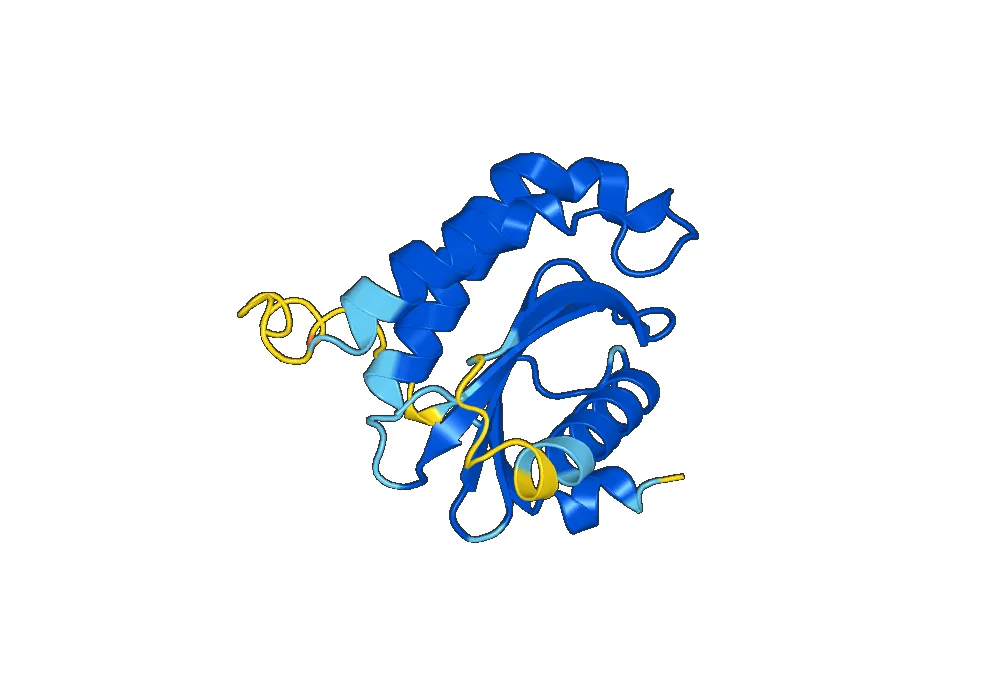
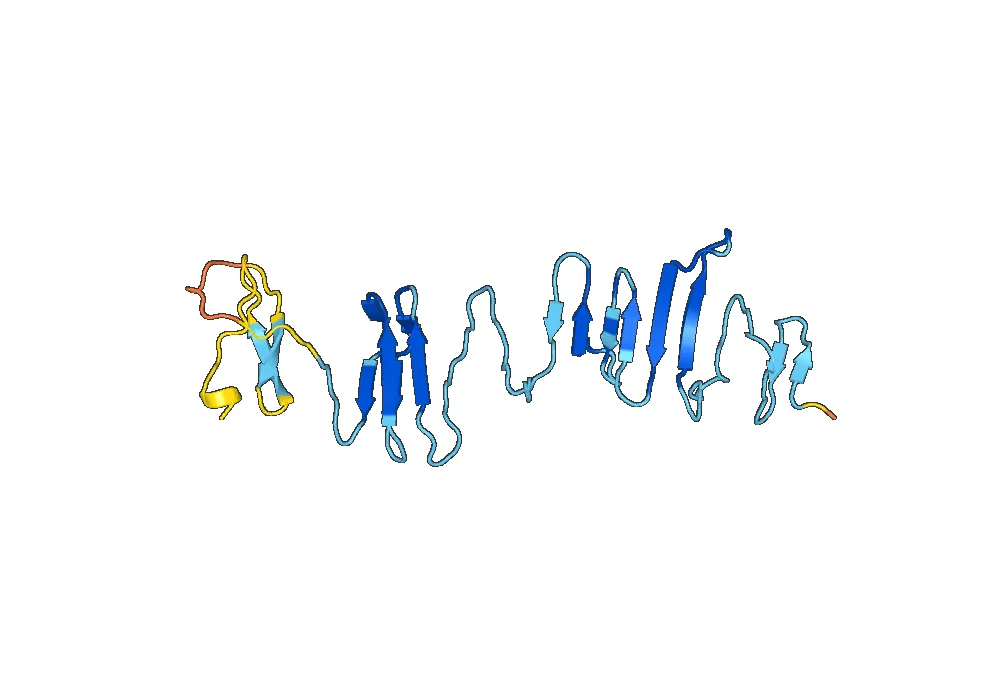
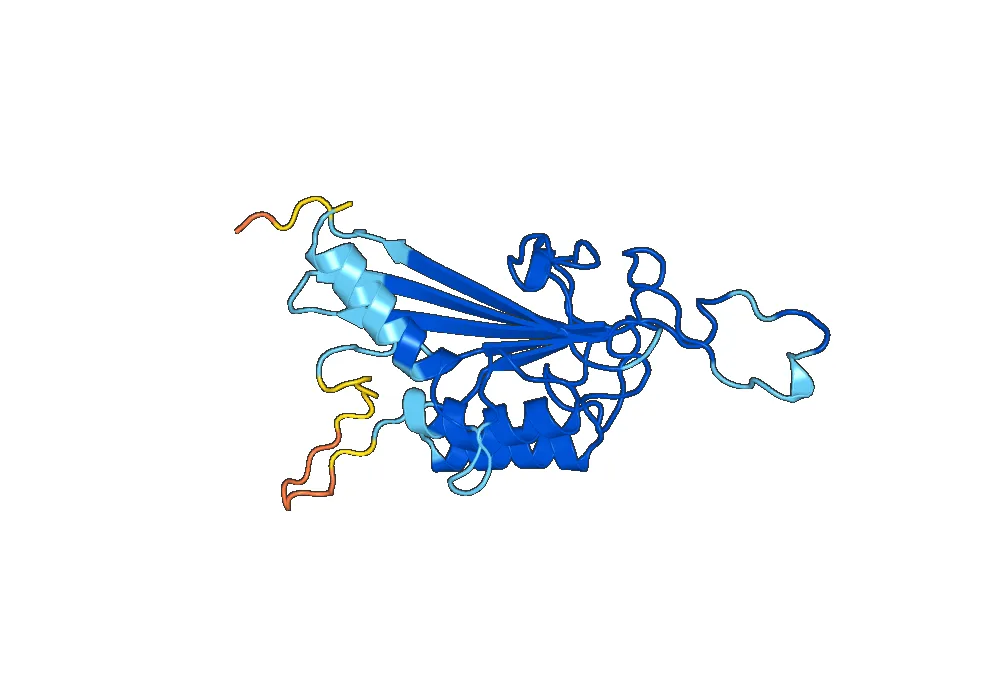
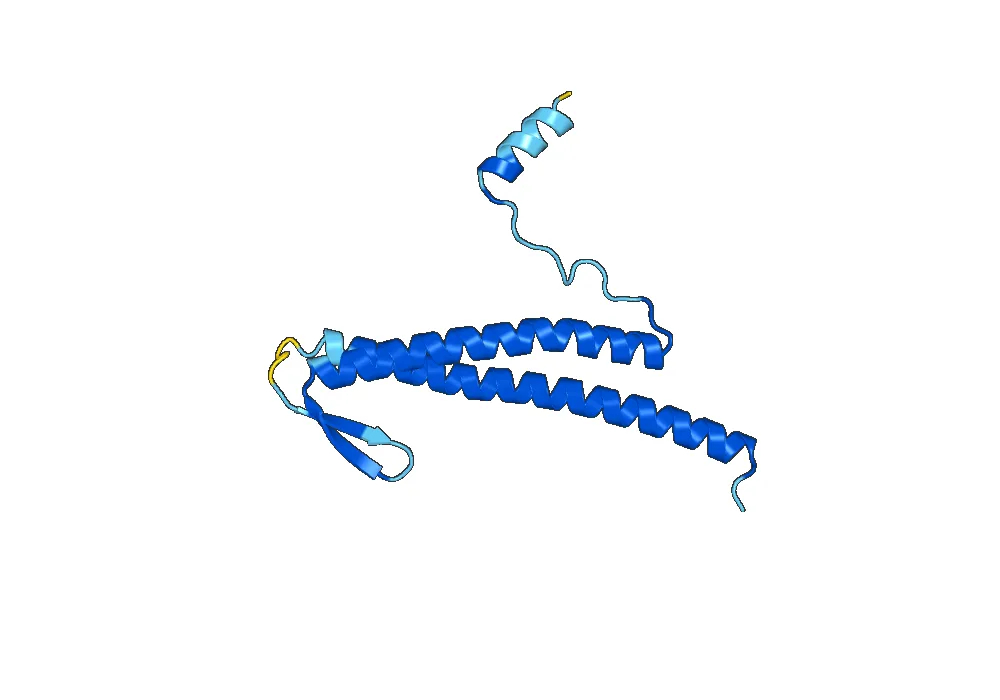
The recombinant form of POFUT2 is a 47 kDa protein consisting of 416 amino acids. It contains a signal peptide at the N-terminus, followed by a catalytic domain and a transmembrane domain. The catalytic domain of POFUT2 is highly conserved among different species, indicating its importance in protein function. The transmembrane domain anchors the protein to the endoplasmic reticulum (ER) membrane, where it carries out its function.
Activity of Recombinant Human POFUT2 Protein
The main function of POFUT2 is to add fucose molecules to the O-linked glycosylation sites of target proteins. This process involves the transfer of fucose from GDP-fucose to the target protein, which is catalyzed by the catalytic domain of POFUT2. This modification is crucial for the proper folding and stability of many proteins, including Notch receptors, thrombospondin type 1 repeats, and epidermal growth factor-like domains. POFUT2 has also been shown to play a role in regulating the activity of various proteins, such as Wnt signaling pathway components and the extracellular matrix protein versican.
Application of Recombinant Human POFUT2 Protein
Recombinant Human POFUT2 Protein has a wide range of applications in both research and therapeutic fields. Its ability to modify various proteins makes it a valuable tool for studying the role of O-fucosylation in different biological processes. POFUT2 is also being studied as a potential therapeutic target for diseases associated with abnormal protein folding, such as cancer and neurodegenerative disorders. In addition, POFUT2 has been identified as a potential biomarker for certain types of cancer, making it a promising candidate for diagnostic and prognostic purposes.
Recombinant Human POFUT2 Protein as an Antigen
The recombinant form of POFUT2 has also been used as an antigen in various studies. It has been shown to induce a strong immune response and can be used to generate specific antibodies against POFUT2. These antibodies can then be used for various applications, such as detecting POFUT2 expression in different tissues and investigating its role in disease progression.
Conclusion
In summary, Recombinant Human POFUT2 Protein is a crucial enzyme involved in the O-fucosylation of target proteins. Its structure and activity make it an essential player in many biological processes, and its potential applications in research and therapy make it a valuable tool for scientists. Further studies on POFUT2 and its role in different diseases may lead to the development of novel therapeutic strategies and diagnostic tools.

There are no reviews yet.