Introduction
Recombinant proteins have become an essential tool in the field of biotechnology, with a wide range of applications in various industries such as pharmaceuticals, agriculture, and research. One such protein is the Recombinant Human PPM1K Protein, which has gained significant attention due to its unique structure and diverse functions. In this article, we will discuss the structure, activity, and application of this protein in detail.
Structure of Recombinant Human PPM1K Protein
The Recombinant Human PPM1K Protein, also known as Protein Phosphatase Magnesium-dependent 1K, is a 137 kDa protein composed of 1208 amino acids. It belongs to the family of PPM protein phosphatases, which are known for their role in regulating various cellular processes such as cell growth, division, and metabolism. PPM1K has a conserved catalytic domain and a C-terminal regulatory domain, which is responsible for its enzymatic activity.
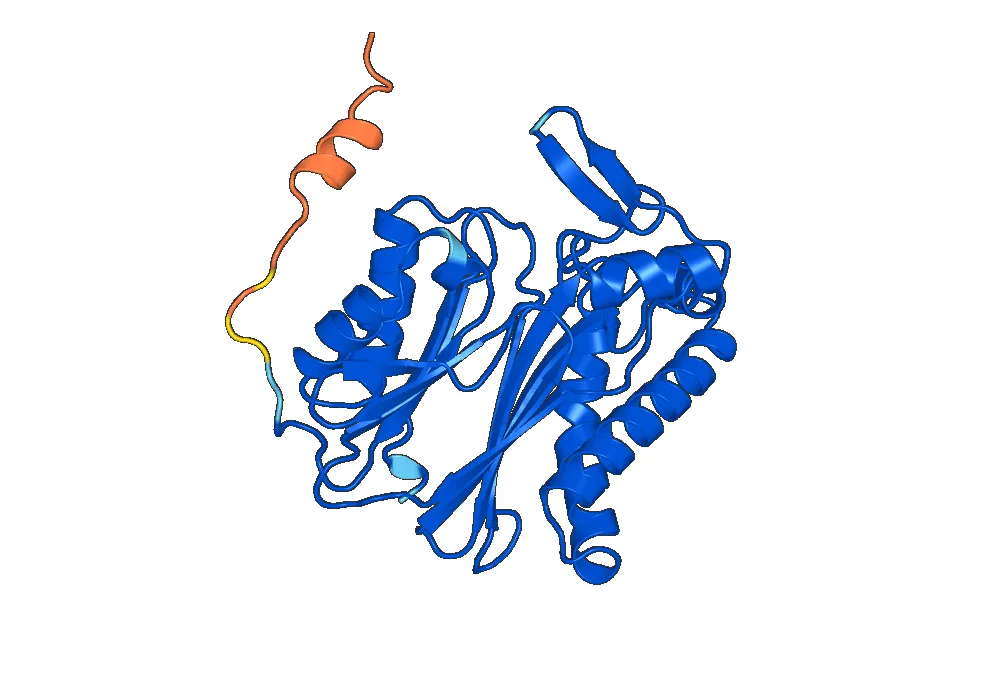
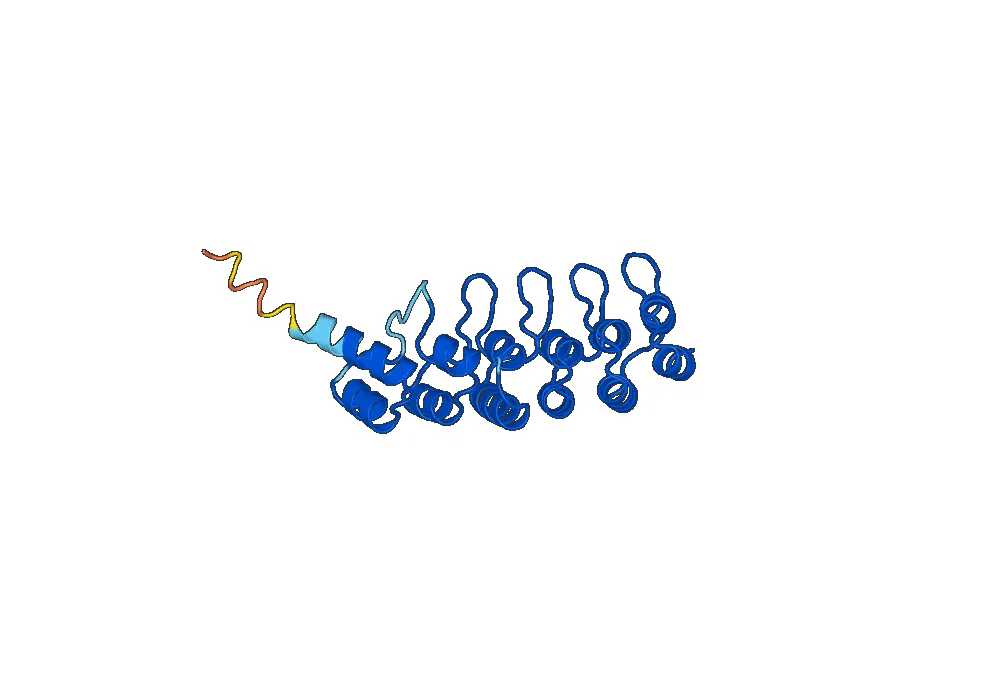
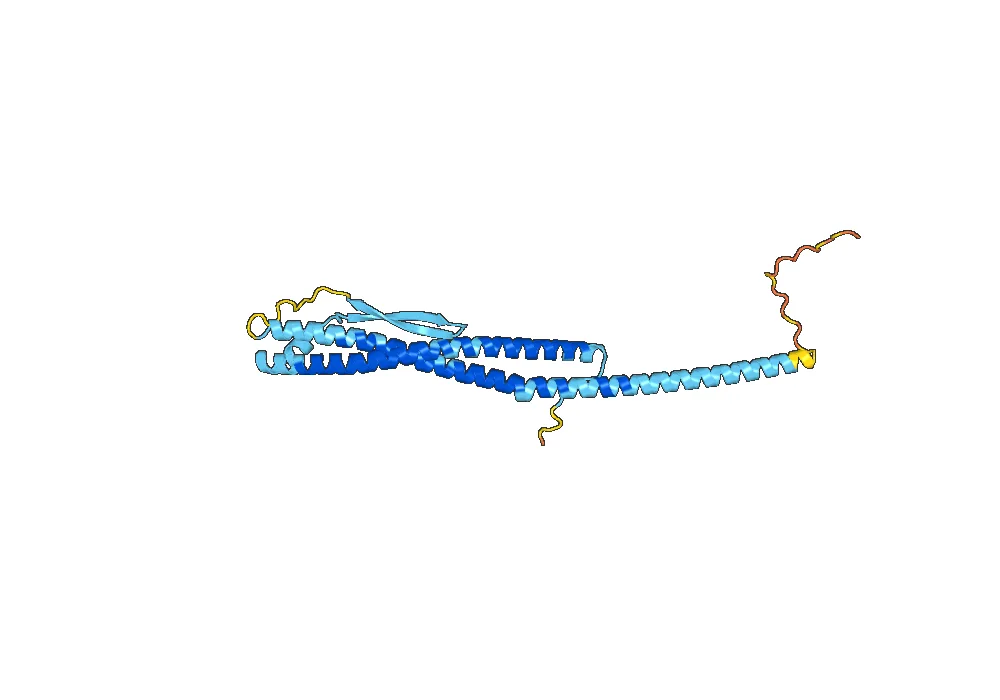
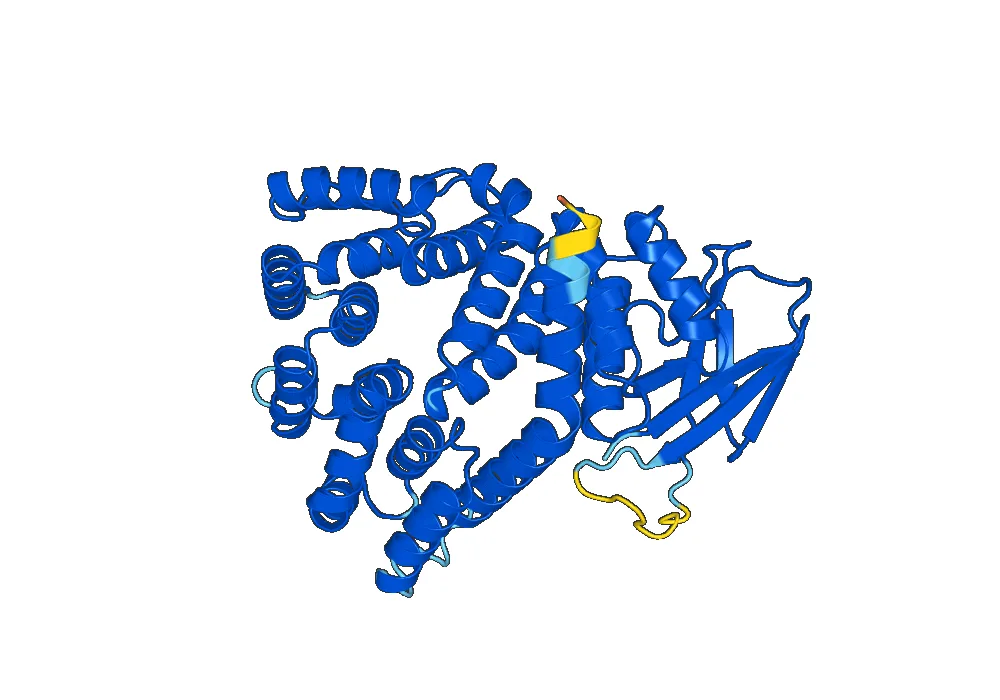
The crystal structure of Recombinant Human PPM1K Protein has been determined, revealing a unique three-dimensional structure with a central β-sheet surrounded by α-helices. This structure is crucial for the protein’s function, as it allows it to interact with its substrates and other regulatory molecules.
Activity of Recombinant Human PPM1K Protein
The primary function of Recombinant Human PPM1K Protein is to dephosphorylate its substrates, which are proteins that have undergone phosphorylation by kinases. This dephosphorylation process is essential for maintaining the balance of cellular signaling pathways and regulating various cellular processes.
One of the key substrates of PPM1K is AMP-activated protein kinase (AMPK), which plays a crucial role in energy homeostasis and metabolism. PPM1K dephosphorylates AMPK, leading to its inactivation and thus controlling its activity. This process is essential for maintaining cellular energy levels and preventing excessive energy consumption.
Moreover, Recombinant Human PPM1K Protein has been shown to interact with other proteins involved in cell cycle regulation, DNA damage repair, and stress response. This highlights the diverse functions of this protein and its crucial role in maintaining cellular homeostasis.
Application of Recombinant Human PPM1K Protein
The unique structure and activity of Recombinant Human PPM1K Protein make it a valuable tool in various industries and research fields. One of its primary applications is in drug discovery and development. PPM1K has been identified as a potential target for treating metabolic disorders, cancer, and neurodegenerative diseases. Recombinant Human PPM1K Protein can be used to screen and develop inhibitors or activators of this protein, which can be potential therapeutics for these diseases.
In addition, Recombinant Human PPM1K Protein has also been used in the production of biofuels. PPM1K plays a crucial role in regulating the metabolism of microorganisms used in biofuel production, and its manipulation can increase the efficiency of biofuel production processes.
Furthermore, Recombinant Human PPM1K Protein has been used in research studies to understand its role in various cellular processes and its potential as a drug target. Its unique structure and activity make it an excellent model for studying the mechanisms of other PPM protein phosphatases and their role in cellular signaling pathways.
Conclusion
In conclusion, Recombinant Human PPM1K Protein is a versatile protein with a unique structure and diverse functions. Its role in regulating various cellular processes and its potential as a drug target make it a valuable tool in biotechnology and research. With further studies and advancements in protein engineering, the application of Recombinant Human P


There are no reviews yet.