Introduction
Recombinant Human PRKD2 (Protein Kinase D2) is a protein that plays a crucial role in cell signaling and regulation. It is a member of the protein kinase D family, which is involved in various cellular processes such as cell growth, differentiation, and survival. In this article, we will discuss the structure, activity, and applications of Recombinant Human PRKD2.
Structure of Recombinant Human PRKD2
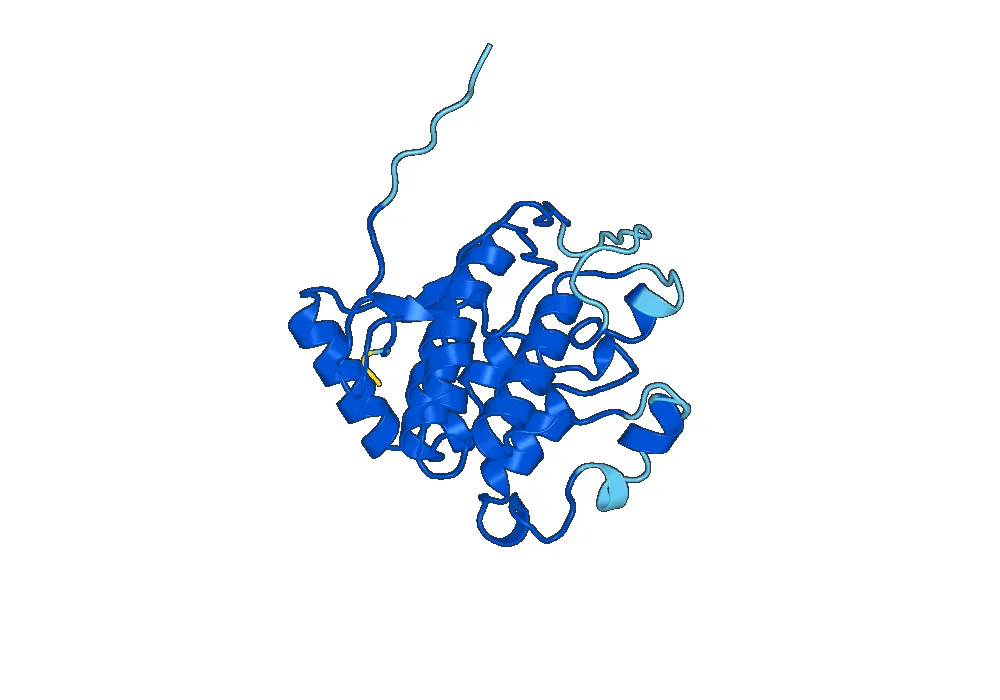
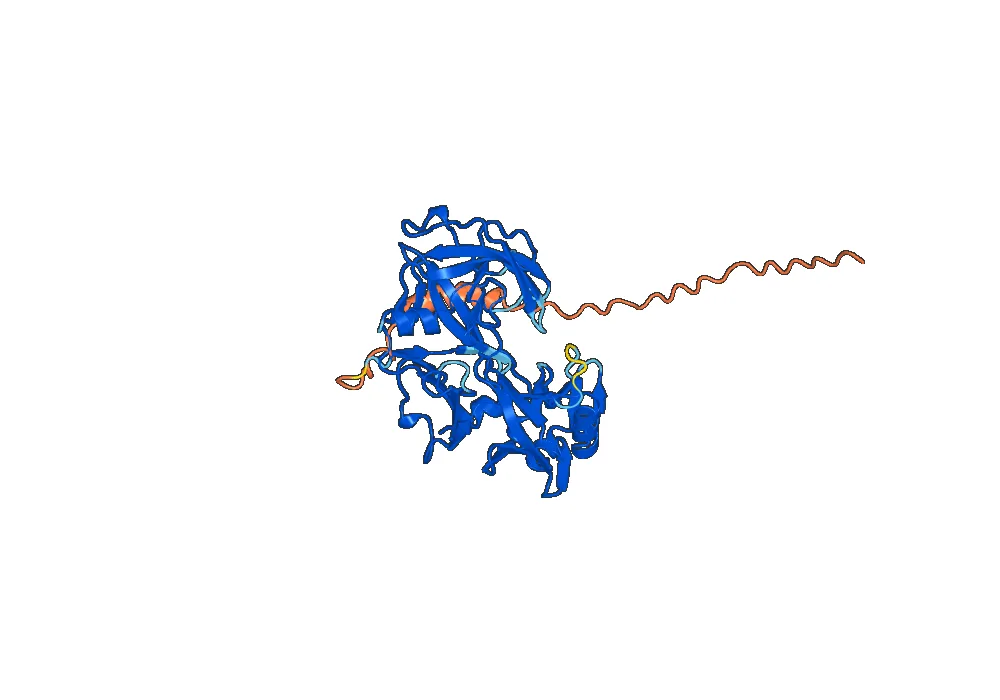
Recombinant Human PRKD2 is a 90 kDa protein consisting of 878 amino acids. It contains a N-terminal regulatory domain, a central catalytic domain, and a C-terminal regulatory domain. The N-terminal regulatory domain contains a PH (pleckstrin homology) domain, which is responsible for binding to phospholipids and regulating the activity of PRKD2. The central catalytic domain contains the kinase activity of PRKD2, while the C-terminal regulatory domain contains a PDZ (PSD-95/DlgA/ZO-1) domain, which is involved in protein-protein interactions and regulation of PRKD2 activity.
Activity of Recombinant Human PRKD2
Recombinant Human PRKD2 is a serine/threonine protein kinase, which means it phosphorylates serine and threonine residues on target proteins. It is activated by various stimuli such as growth factors, hormones, and stress signals. Upon activation, PRKD2 translocates to the cell membrane, where it interacts with its substrates and phosphorylates them. This leads to the activation of downstream signaling pathways, ultimately regulating cellular processes such as gene expression, cell proliferation, and cell survival.
Applications of Recombinant Human PRKD2
Recombinant Human PRKD2 has been extensively studied and has been found to play a critical role in various cellular processes. It has been implicated in cancer, cardiovascular diseases, and neurological disorders. Therefore, it has become an important target for drug development and has potential applications in the following areas:
Cancer
PRKD2 has been found to be overexpressed in various types of cancer, including breast, prostate, and pancreatic cancer. It has been shown to promote cancer cell proliferation, migration, and invasion. Therefore, targeting PRKD2 with specific inhibitors could potentially inhibit tumor growth and metastasis.
Cardiovascular diseases
PRKD2 has been linked to cardiovascular diseases such as heart failure and atherosclerosis. It has been shown to regulate the function of endothelial cells, smooth muscle cells, and cardiomyocytes. Inhibiting PRKD2 activity could potentially prevent the progression of these diseases.
Neurological disorders
PRKD2 has been implicated in neurodegenerative diseases such as Alzheimer’s and Parkinson’s. It has been shown to regulate the survival and function of neurons. Targeting PRKD2 could potentially be a therapeutic approach for these disorders.
Recombinant Human PRKD2 as an antigen
Recombinant Human PRKD2 has also been used as an antigen in various studies to develop antibodies against it. These antibodies have been used to study the localization and function of PRKD2 in cells and tissues. They have also been used in diagnostic assays for diseases associated with PRKD2.
Conclusion
In conclusion, Recombinant Human PRKD2 is a crucial protein involved in cell signaling and regulation. Its structure, activity, and applications have been extensively studied, and it has been found to play a critical role in various diseases. Targeting PRKD2 could potentially be a therapeutic approach for cancer, cardiovascular diseases, and neurological disorders. Furthermore, Recombinant Human PRKD2 has also been used as an antigen in various studies, highlighting its importance in research. Further studies on PRKD2 are needed to fully understand its role in cellular processes and to develop effective treatments for diseases associated with it.

There are no reviews yet.