Introduction
Recombinant Human PTPRO Protein, also known as protein tyrosine phosphatase receptor type O, is a transmembrane protein that plays a crucial role in regulating cell growth and differentiation. This protein is encoded by the PTPRO gene and is expressed in various tissues including brain, kidney, and liver. Recombinant Human PTPRO Protein has been extensively studied for its structure, activity, and potential applications in various fields.
Structure of Recombinant Human PTPRO Protein
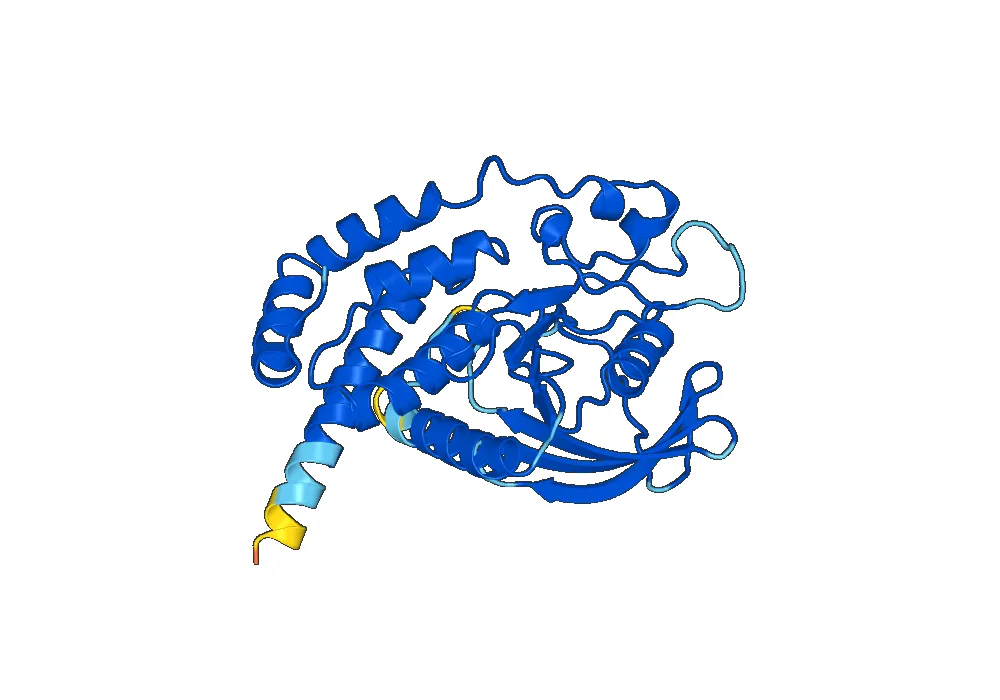
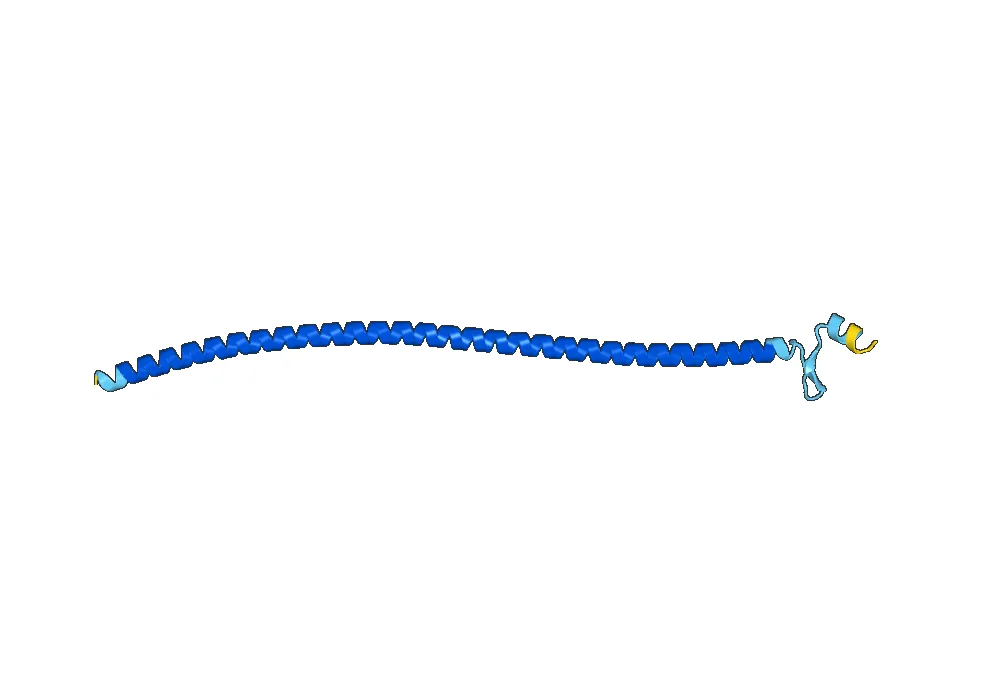
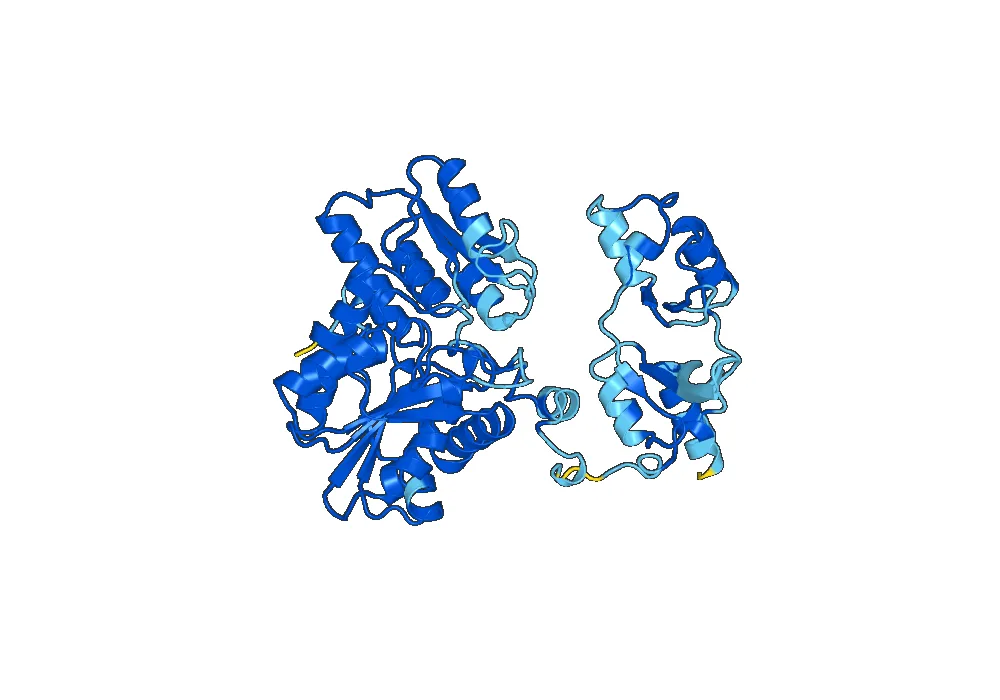
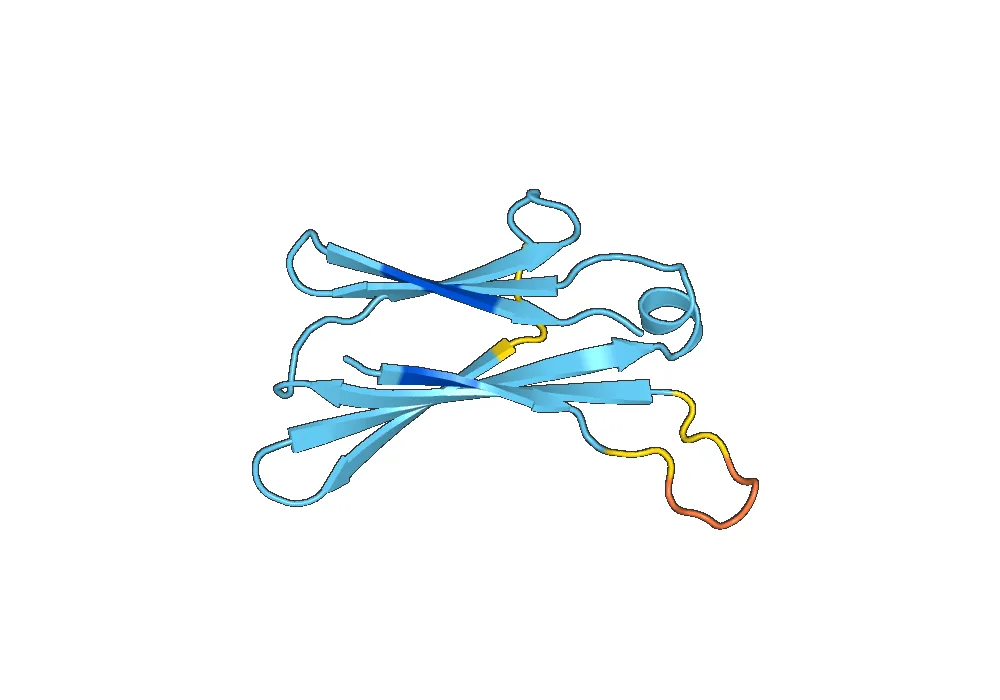
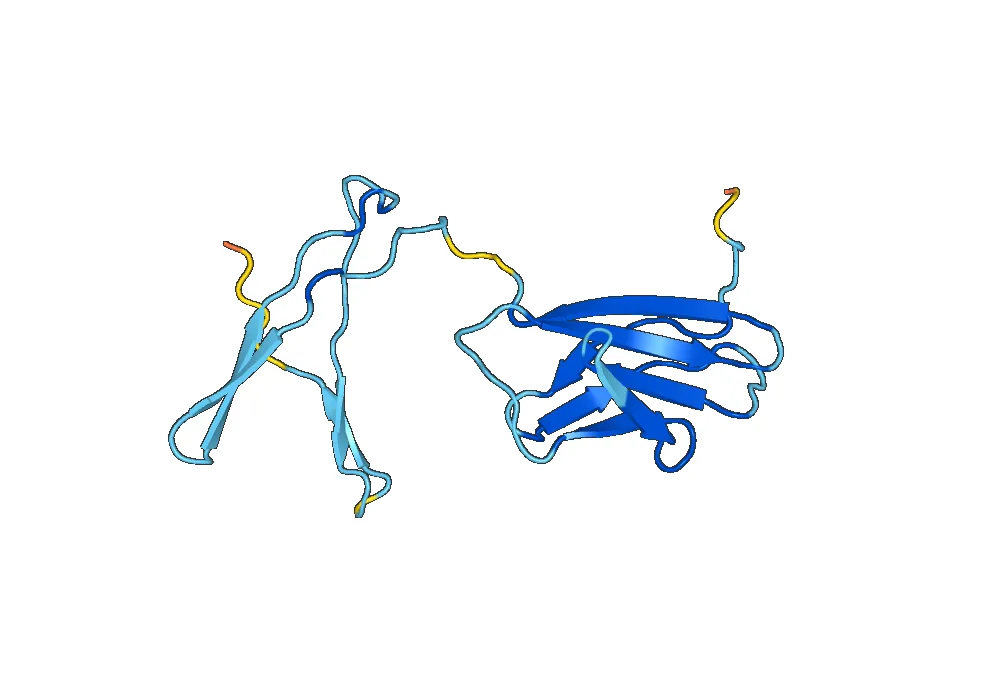
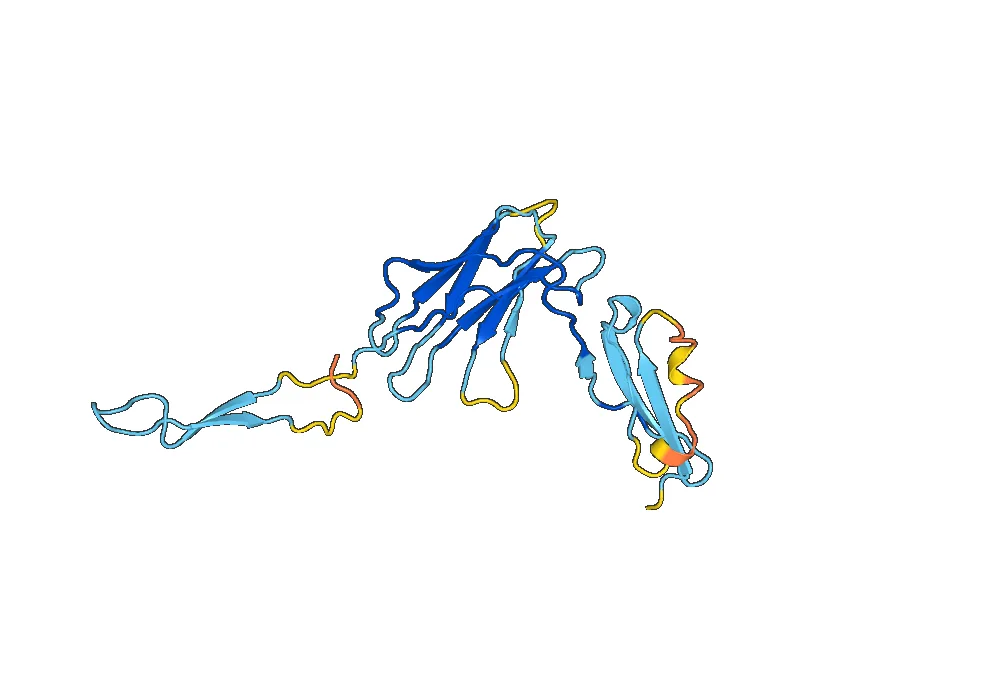
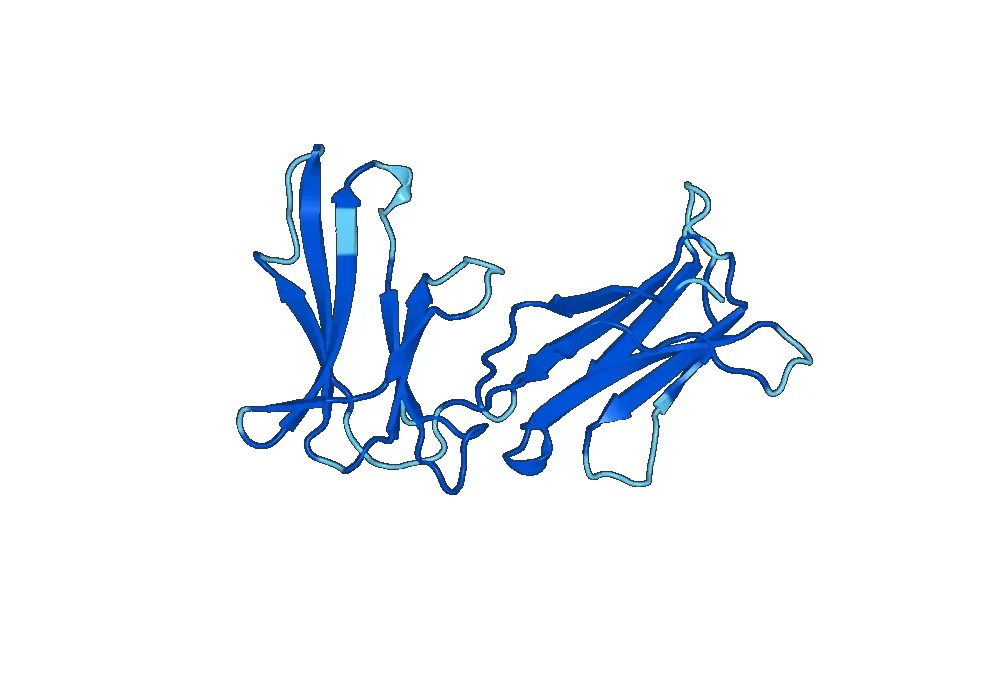
Recombinant Human PTPRO Protein is a type I transmembrane protein with a molecular weight of approximately 120 kDa. It consists of an extracellular domain, a transmembrane domain, and a cytoplasmic domain. The extracellular domain contains two immunoglobulin-like domains, while the cytoplasmic domain contains two phosphatase domains, D1 and D2. These domains are highly conserved and are responsible for the catalytic activity of the protein.
Activity of Recombinant Human PTPRO Protein
The main function of Recombinant Human PTPRO Protein is to regulate the activity of various signaling pathways by dephosphorylating tyrosine residues on target proteins. This activity is essential for maintaining proper cell growth, differentiation, and survival. Recombinant Human PTPRO Protein has been shown to dephosphorylate several key signaling molecules, including epidermal growth factor receptor (EGFR), platelet-derived growth factor receptor (PDGFR), and insulin receptor (IR), thereby modulating their downstream signaling pathways.
Studies have also shown that Recombinant Human PTPRO Protein plays a role in regulating cell adhesion and migration. It has been shown to interact with several adhesion molecules, such as integrins and cadherins, and regulate their activity through dephosphorylation. This activity is crucial for maintaining proper cell-cell and cell-matrix interactions, which are essential for normal tissue development and function.
Application of Recombinant Human PTPRO Protein
Due to its important role in regulating cell growth and differentiation, Recombinant Human PTPRO Protein has potential applications in various fields, including cancer research and regenerative medicine. Studies have shown that the expression of PTPRO is altered in several types of cancer, and its downregulation is associated with tumor progression and metastasis. Therefore, Recombinant Human PTPRO Protein could be used as a potential therapeutic target for cancer treatment.
In addition, Recombinant Human PTPRO Protein has been shown to promote the differentiation of stem cells into specific cell types, such as neurons and muscle cells. This property makes it a promising candidate for use in regenerative medicine, where the differentiation of stem cells is crucial for tissue repair and regeneration.
Conclusion
In summary, Recombinant Human PTPRO Protein is a transmembrane protein with important functions in regulating cell growth, differentiation, and adhesion. Its structure, activity, and potential applications have been extensively studied, and it shows promising potential in various fields, including cancer research and regenerative medicine. Further research on this protein could lead to the development of novel therapies for various diseases and disorders.


There are no reviews yet.