Introduction to Recombinant Human RPL17 Protein
Recombinant Human RPL17 Protein is a type of protein that is produced through recombinant DNA technology. This protein is a member of the ribosomal protein L17 family and is encoded by the RPL17 gene. It plays a crucial role in protein synthesis and is found in the ribosome, the cellular organelle responsible for protein production. Recombinant Human RPL17 Protein has been extensively studied and has shown promising results in various scientific fields, making it a valuable tool for research and development.
Structure of Recombinant Human RPL17 Protein
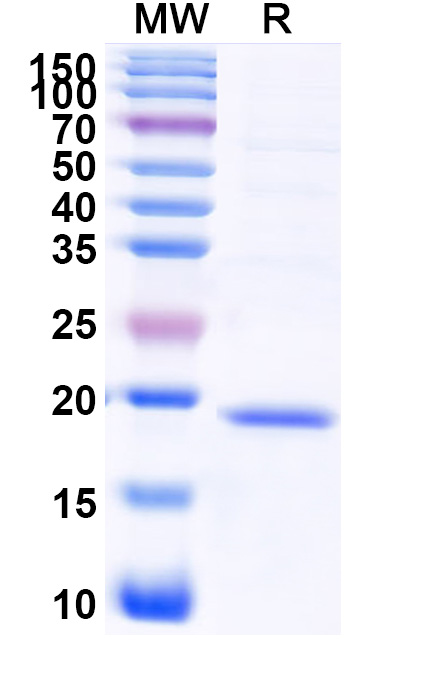
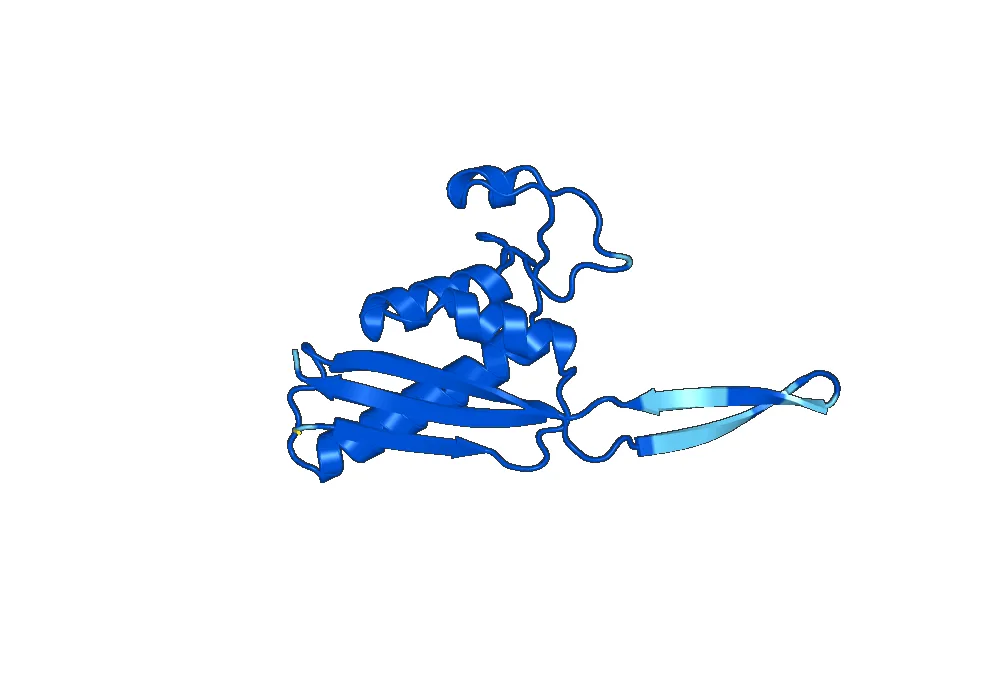
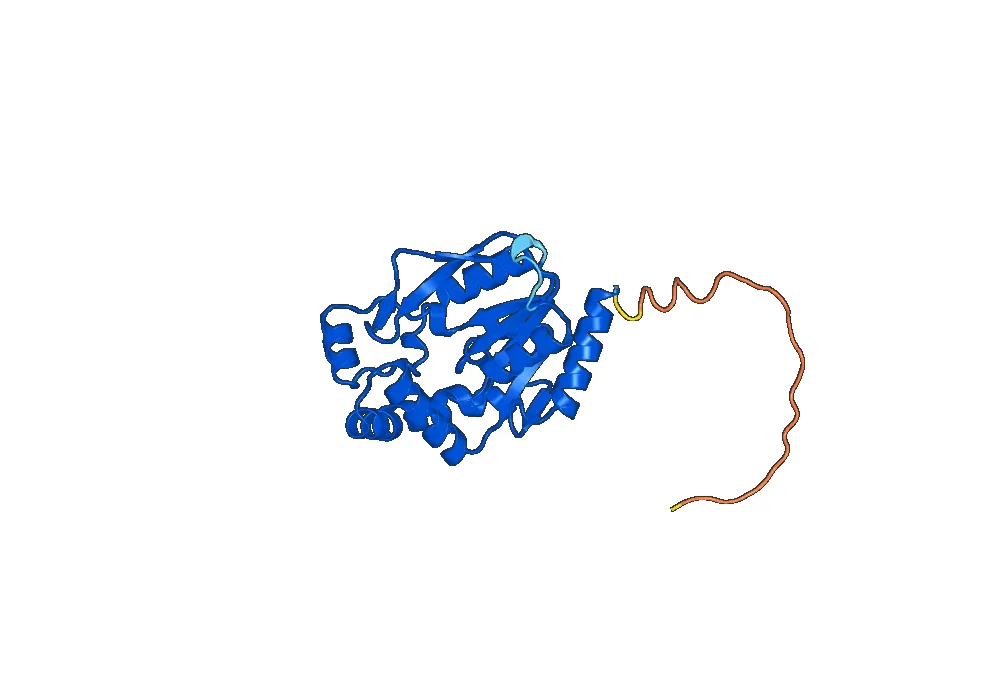
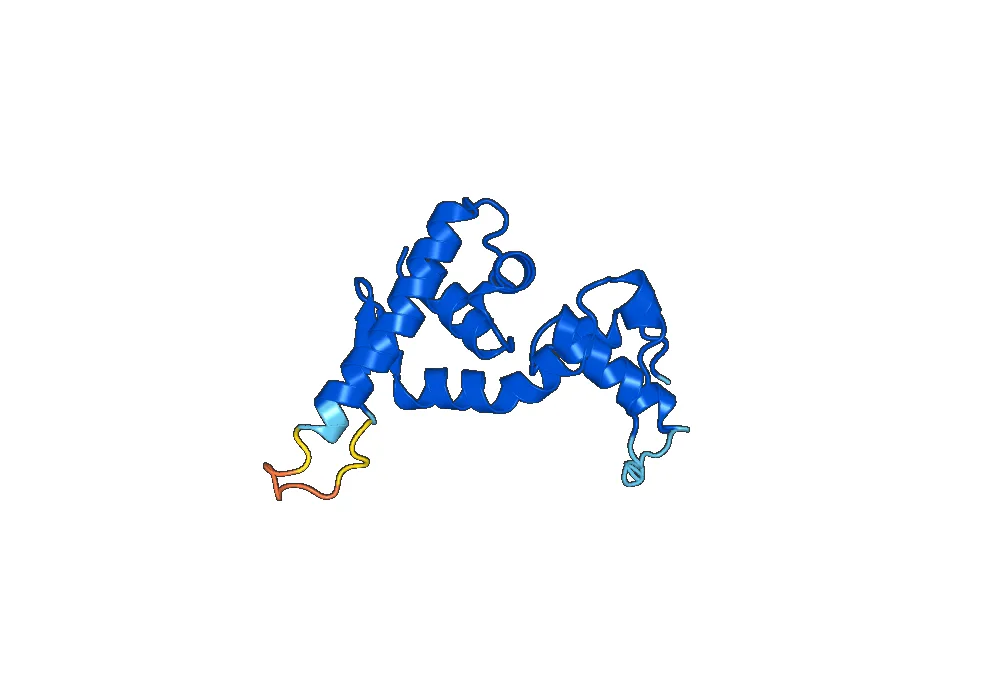
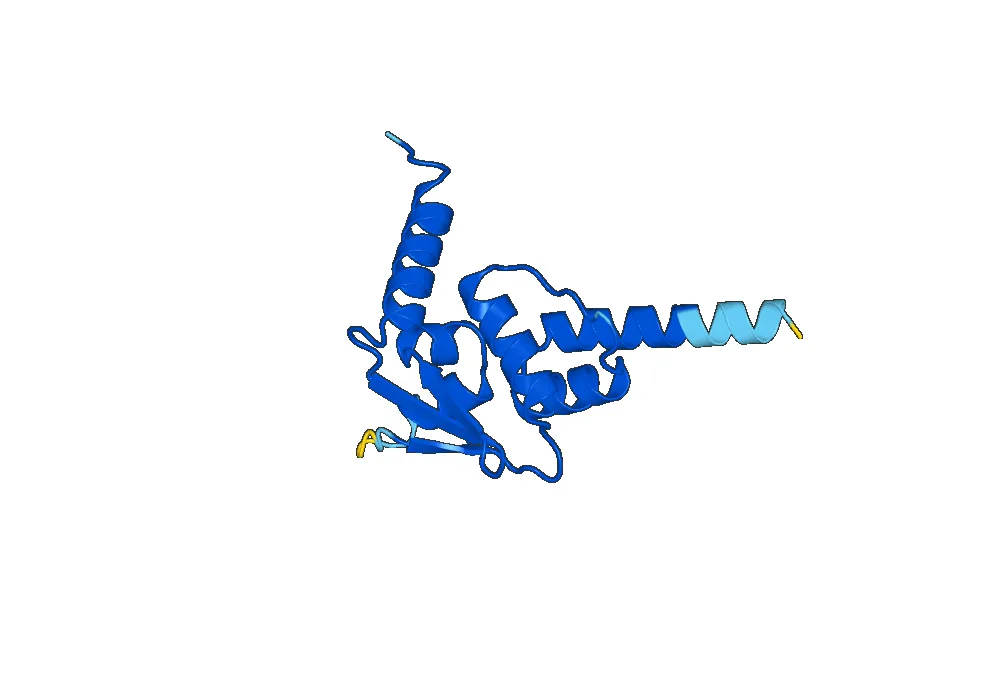
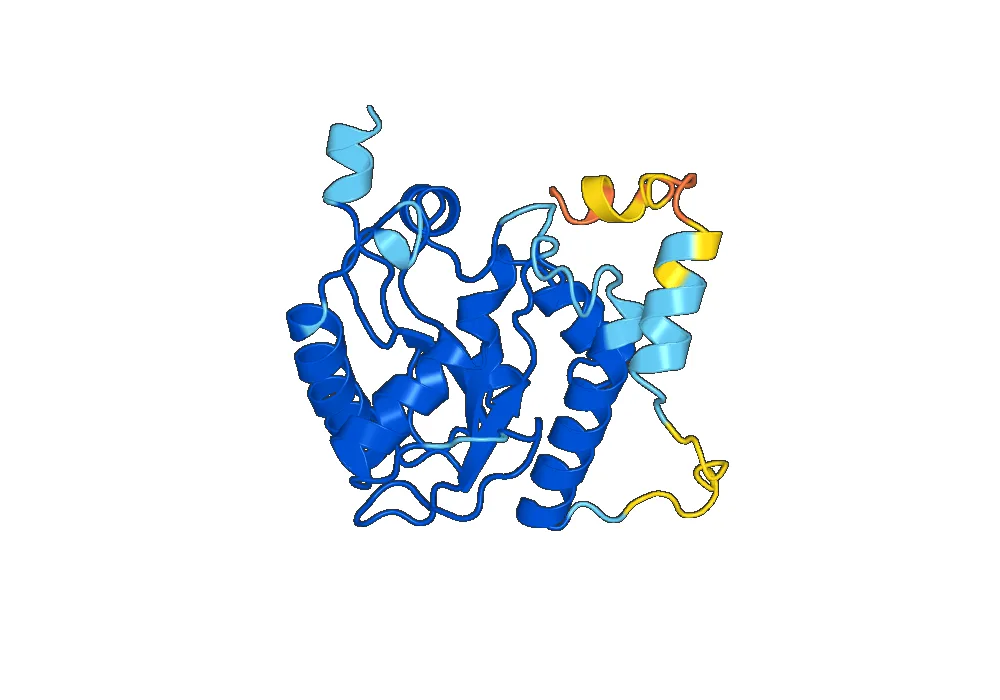
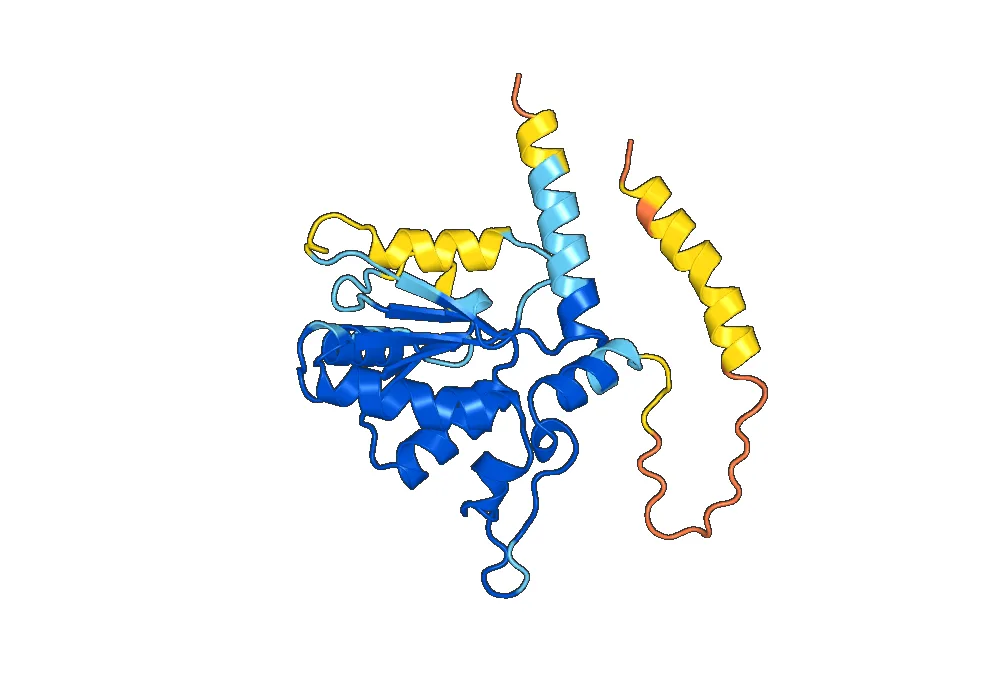
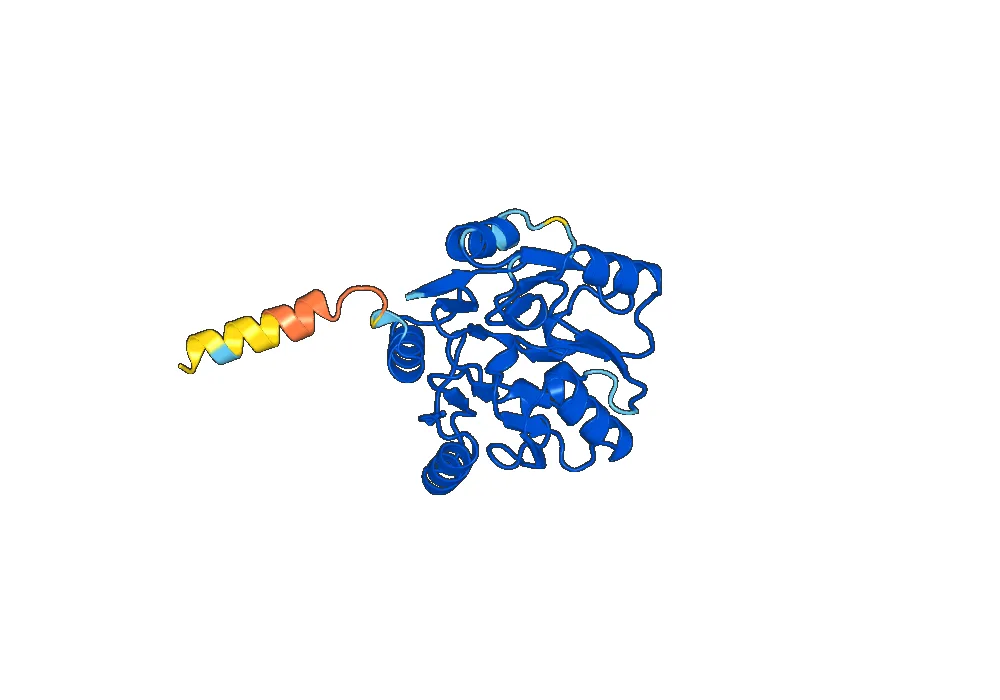
Recombinant Human RPL17 Protein is a 14 kDa protein consisting of 136 amino acids. It has a highly conserved structure, with 99% sequence identity among different species. The protein is composed of two domains, the N-terminal domain and the C-terminal domain, connected by a flexible linker region. The N-terminal domain is responsible for binding to the ribosome, while the C-terminal domain interacts with other ribosomal proteins. The overall structure of Recombinant Human RPL17 Protein is crucial for its function in protein synthesis.
Activity of Recombinant Human RPL17 Protein
Recombinant Human RPL17 Protein plays a vital role in protein synthesis by binding to the ribosome and assisting in the formation of the peptide bond between amino acids. It is involved in the elongation phase of protein synthesis, where it helps in the accurate positioning of the tRNA molecule on the ribosome. This ensures the correct sequence of amino acids in the growing polypeptide chain. Recombinant Human RPL17 Protein also plays a role in the initiation and termination phases of protein synthesis, making it an essential component of the ribosome.
Aside from its role in protein synthesis, Recombinant Human RPL17 Protein has been found to have other activities in the cell. It has been shown to interact with other proteins involved in cell cycle regulation and DNA repair, suggesting its involvement in these cellular processes. Studies have also shown that Recombinant Human RPL17 Protein may play a role in cellular stress response and apoptosis, making it a potential target for therapeutic interventions.
Application of Recombinant Human RPL17 Protein
Recombinant Human RPL17 Protein has a wide range of applications in the field of research and development. Its essential role in protein synthesis makes it a valuable tool for studying the mechanisms of translation and ribosome function. It has also been used in structural studies to understand the interactions between ribosomal proteins and their role in protein synthesis. Recombinant Human RPL17 Protein has also been utilized in drug discovery and development, as it is involved in cellular processes that are potential targets for therapeutic interventions.
Moreover, Recombinant Human RPL17 Protein has been used in diagnostic assays as an antigen. It has been found to be highly immunogenic, making it a suitable candidate for the detection of specific antibodies in various diseases. Its high sequence conservation among different species also makes it a valuable tool for diagnostic tests in different organisms.
Conclusion
In conclusion, Recombinant Human RPL17 Protein is a crucial component of the ribosome and plays a vital role in protein synthesis. Its highly conserved structure and essential functions make it a valuable tool for research and development. Its various activities in the cell also make it a potential target for therapeutic interventions. With its wide range of applications, Recombinant Human RPL17 Protein continues to contribute to the advancement of scientific knowledge and the development of new treatments for various diseases.

There are no reviews yet.