Introduction
Recombinant Human SORBS1 Protein, also known as Sorbin and SH3 domain-containing protein 1, is a human protein that is encoded by the SORBS1 gene. This protein belongs to the sorbin family of proteins and is involved in various cellular processes, including cell adhesion, migration, and signaling. In this article, we will discuss the structure, activity, and application of Recombinant Human SORBS1 Protein.
Structure of Recombinant Human SORBS1 Protein
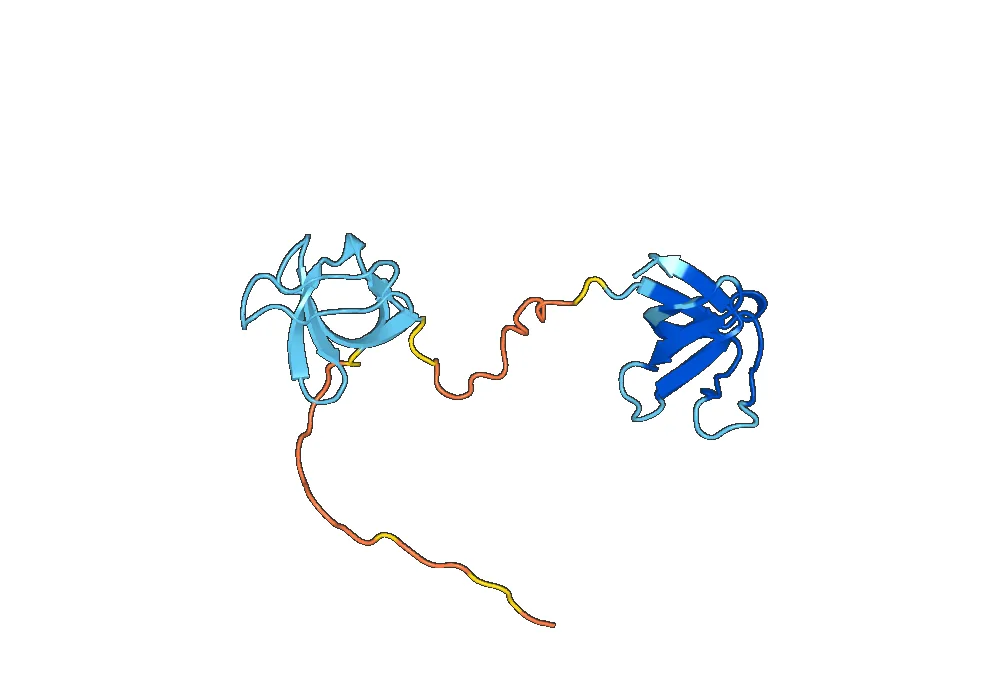
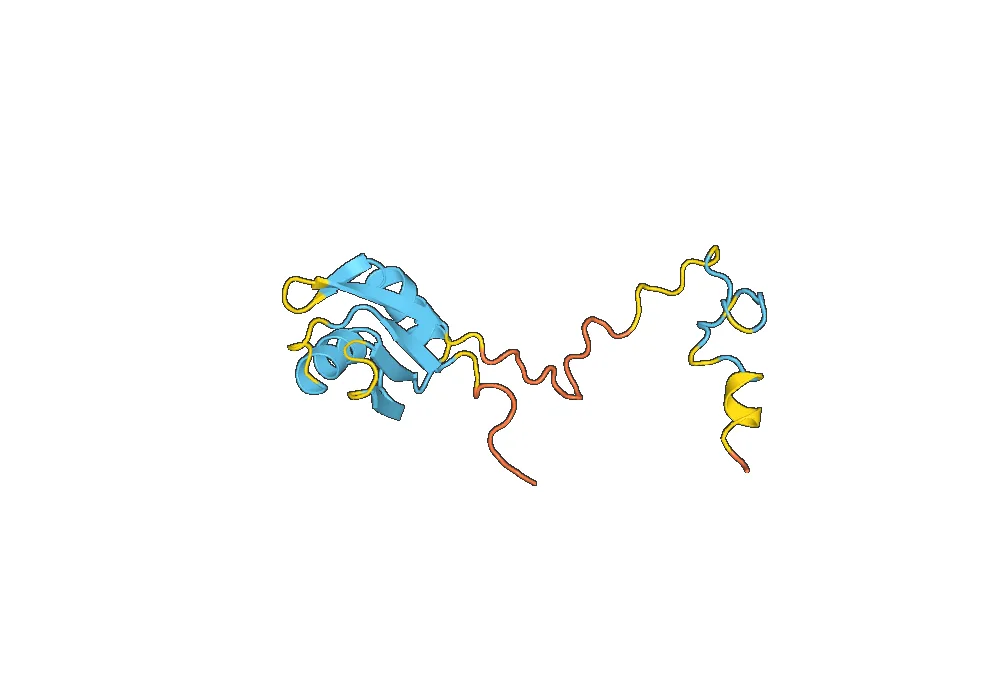
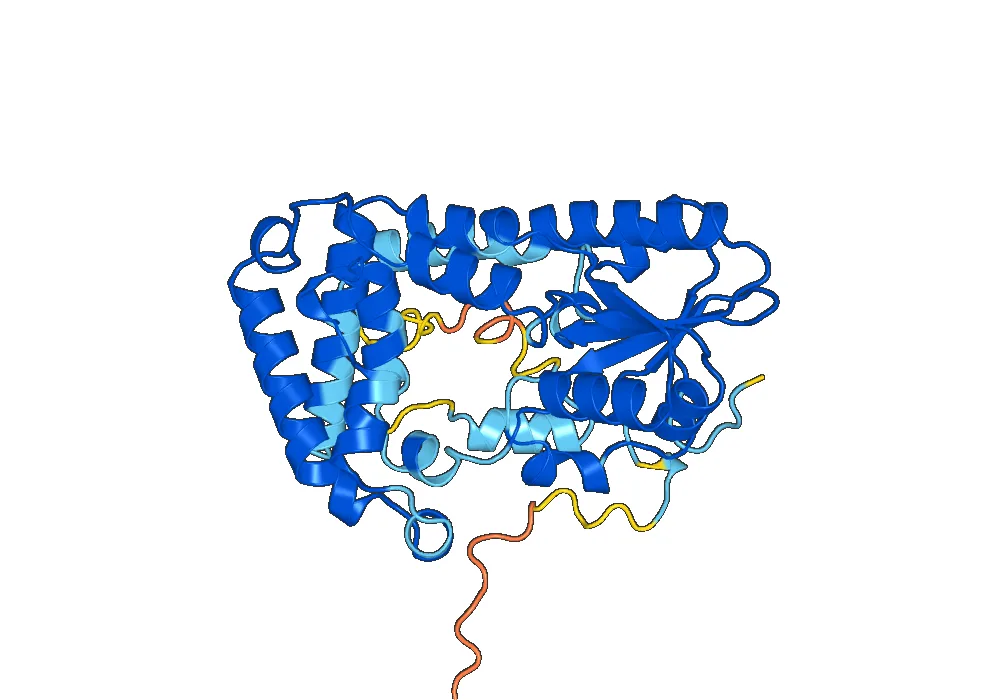
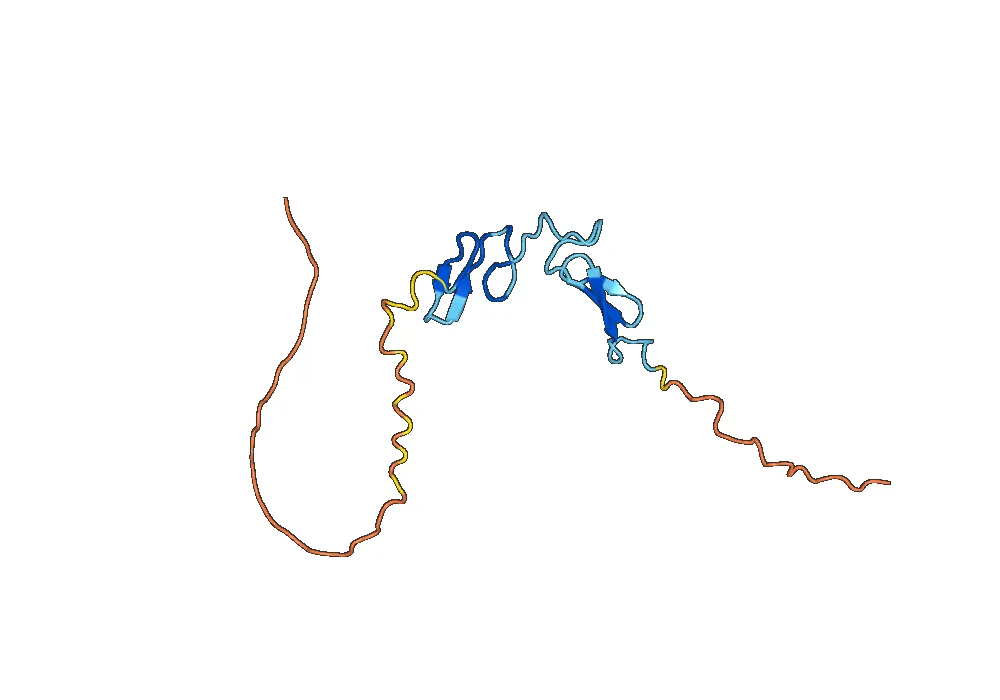
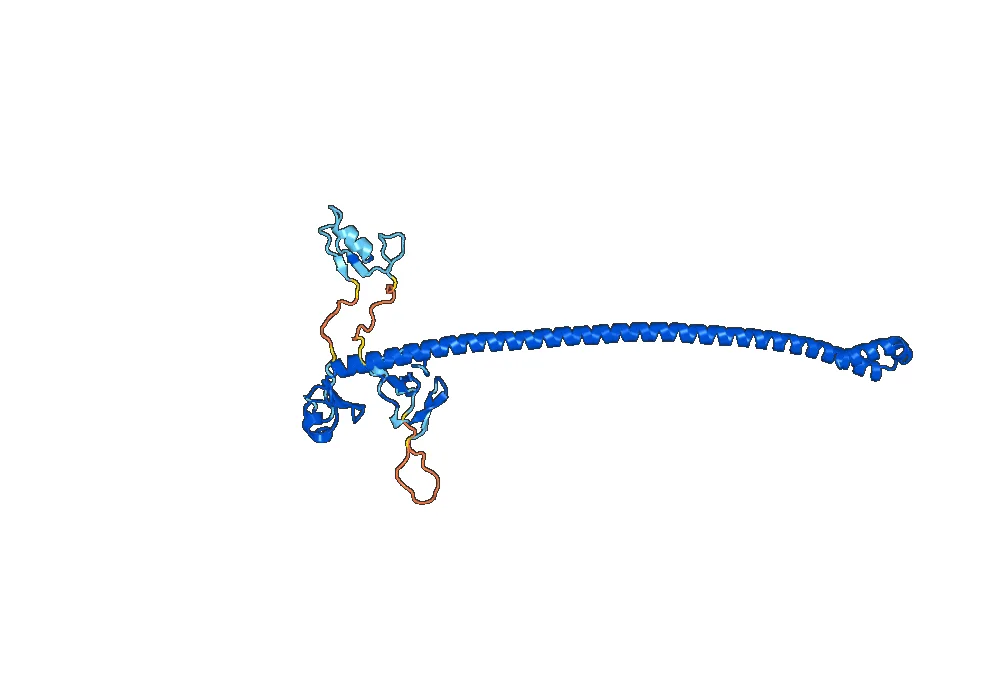
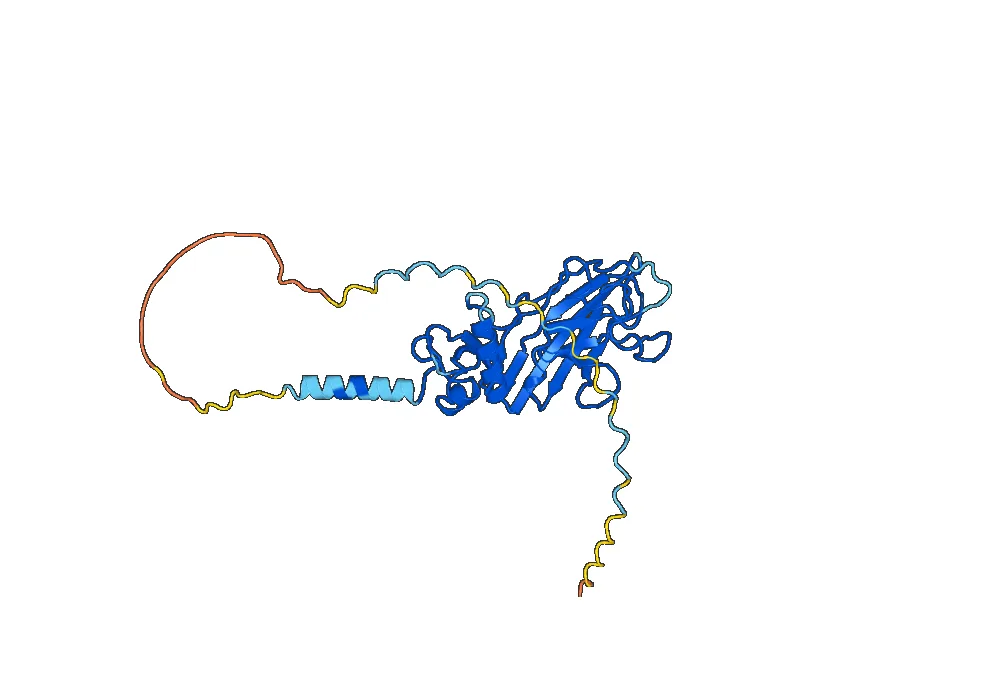
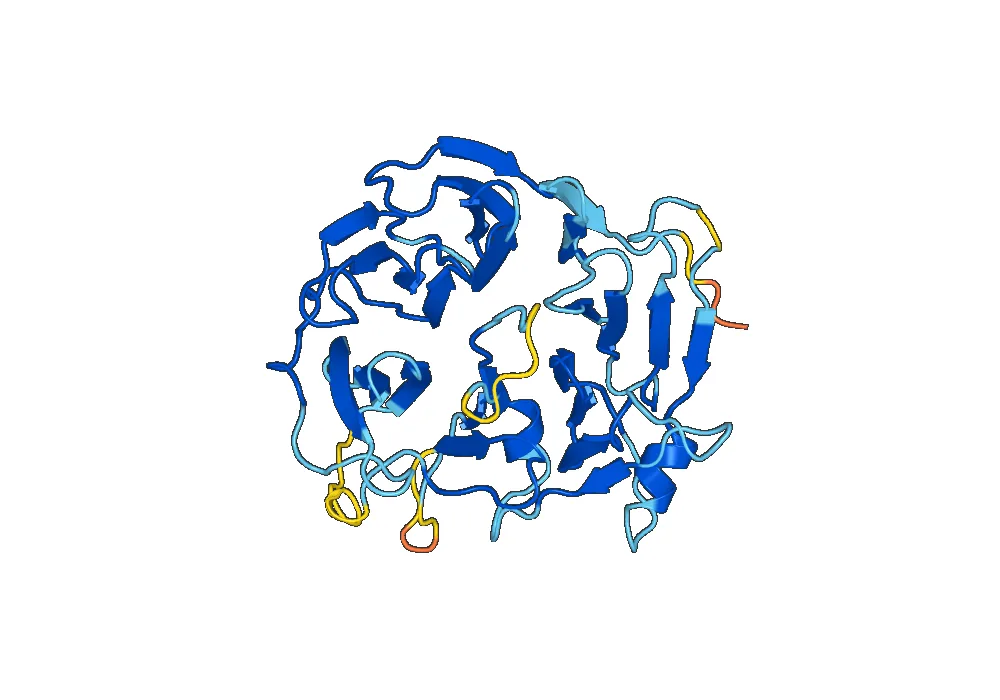
Recombinant Human SORBS1 Protein is a 110 kDa protein that consists of 976 amino acids. It contains several functional domains, including a sorbin homology (SoHo) domain, a proline-rich region, and three SH3 domains. The SoHo domain is responsible for binding to actin filaments, while the SH3 domains are involved in protein-protein interactions. The proline-rich region is thought to be important for the regulation of protein-protein interactions and cellular signaling.
Activity of Recombinant Human SORBS1 Protein
Recombinant Human SORBS1 Protein is primarily involved in regulating cell adhesion and migration. It has been shown to interact with various proteins, such as integrins, focal adhesion kinase (FAK), and paxillin, which are all important for cell adhesion and migration. The SoHo domain of Recombinant Human SORBS1 Protein binds to actin filaments, which are crucial for cell movement. This interaction helps to stabilize the actin cytoskeleton and promote the formation of focal adhesions, which are necessary for cell adhesion and migration.
In addition to its role in cell adhesion and migration, Recombinant Human SORBS1 Protein is also involved in cellular signaling. It has been shown to interact with proteins involved in the mitogen-activated protein kinase (MAPK) signaling pathway, which plays a crucial role in cell proliferation and survival. This suggests that Recombinant Human SORBS1 Protein may also play a role in regulating cell growth and survival.
Application of Recombinant Human SORBS1 Protein
Recombinant Human SORBS1 Protein has various applications in both research and clinical settings. Its role in cell adhesion and migration makes it a valuable tool for studying these processes in vitro. Recombinant Human SORBS1 Protein can be used in cell migration assays to investigate the effects of different proteins or compounds on cell movement. It can also be used to study the signaling pathways involved in cell adhesion and migration.
In addition to its research applications, Recombinant Human SORBS1 Protein has potential clinical applications. Abnormal expression of SORBS1 has been linked to various diseases, such as cancer and cardiovascular diseases. Recombinant Human SORBS1 Protein can be used to study the role of SORBS1 in these diseases and potentially develop targeted therapies. It can also be used as an antigen in diagnostic assays for diseases associated with SORBS1.
Conclusion
In summary, Recombinant Human SORBS1 Protein is a 110 kDa protein that plays an important role in cell adhesion, migration, and signaling. It contains functional domains that are involved in protein-protein interactions and actin binding. Recombinant Human SORBS1 Protein has various applications in research and clinical settings, including studying cell adhesion and migration, investigating signaling pathways, and potential therapeutic and diagnostic uses. Further research on this protein may provide valuable insights into its role in various diseases and lead to the development of targeted treatments.


There are no reviews yet.