Introduction
The recombinant human TDGF1/CRIPTO protein is a highly versatile protein that plays a crucial role in various biological processes. It is a member of the epidermal growth factor (EGF) family and is also known as teratocarcinoma-derived growth factor 1 (TDGF1) or cryptic protein (CRIPTO). In this article, we will explore the structure, activity, and applications of this important recombinant protein.
Structure of Recombinant Human TDGF1/CRIPTO Protein
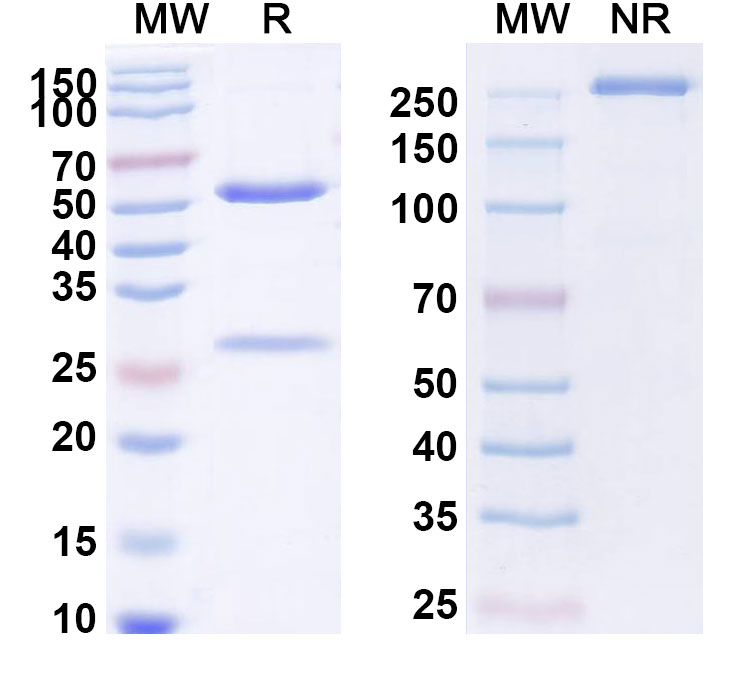
The recombinant human TDGF1/CRIPTO protein is a small, 188 amino acid protein with a molecular weight of approximately 21 kDa. It is composed of two domains: an N-terminal EGF-like domain and a C-terminal cysteine-rich domain. The EGF-like domain contains six cysteine residues, which form three disulfide bonds, while the cysteine-rich domain contains eight cysteine residues that form four disulfide bonds. These disulfide bonds are crucial for maintaining the protein’s structure and stability.
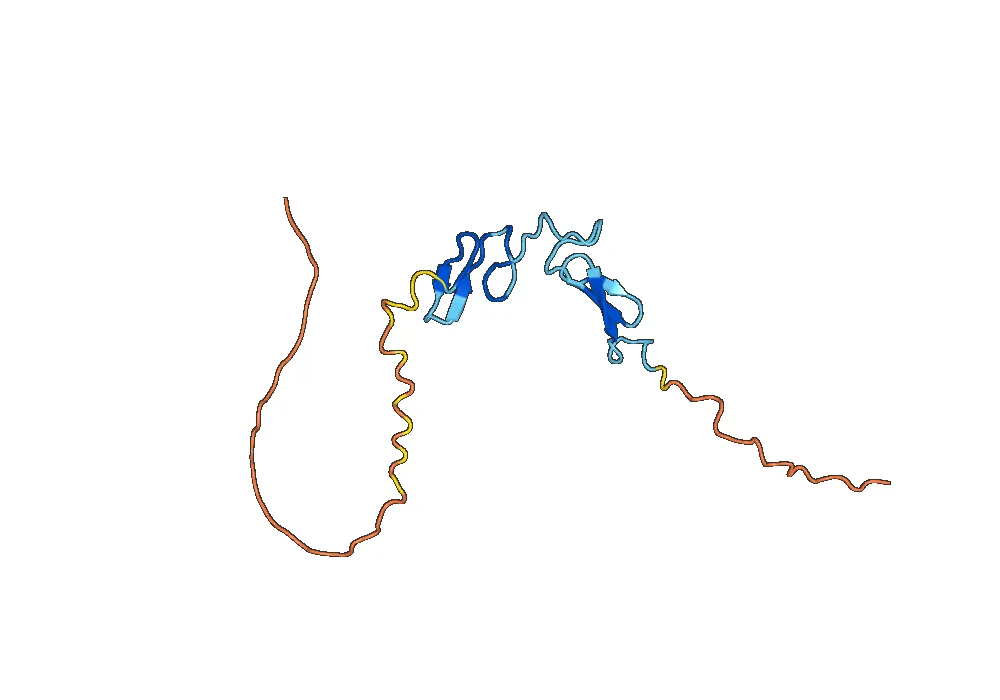
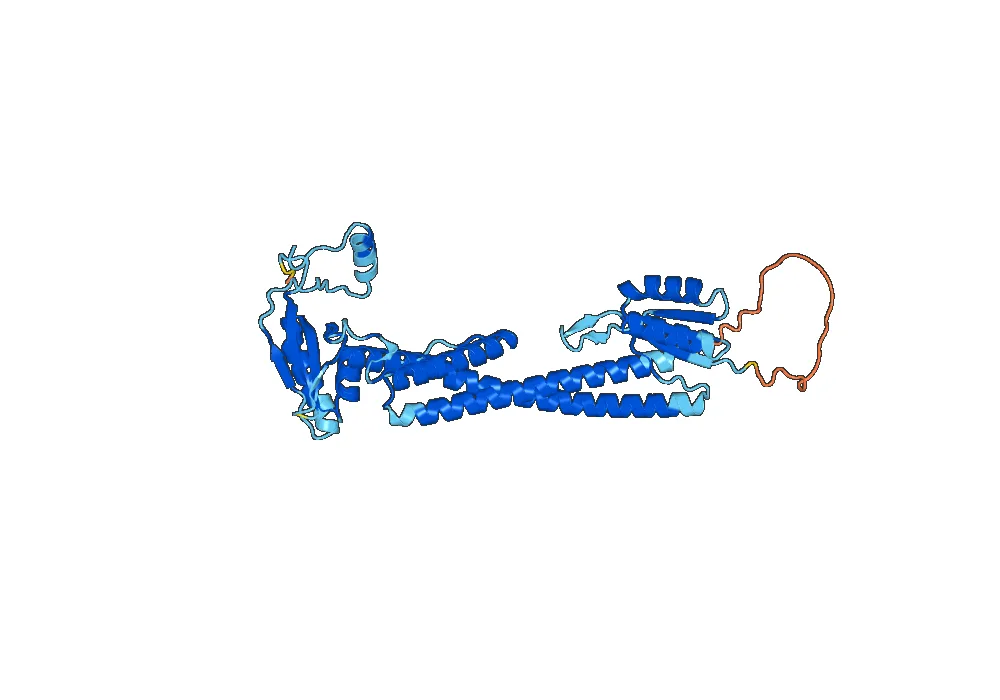
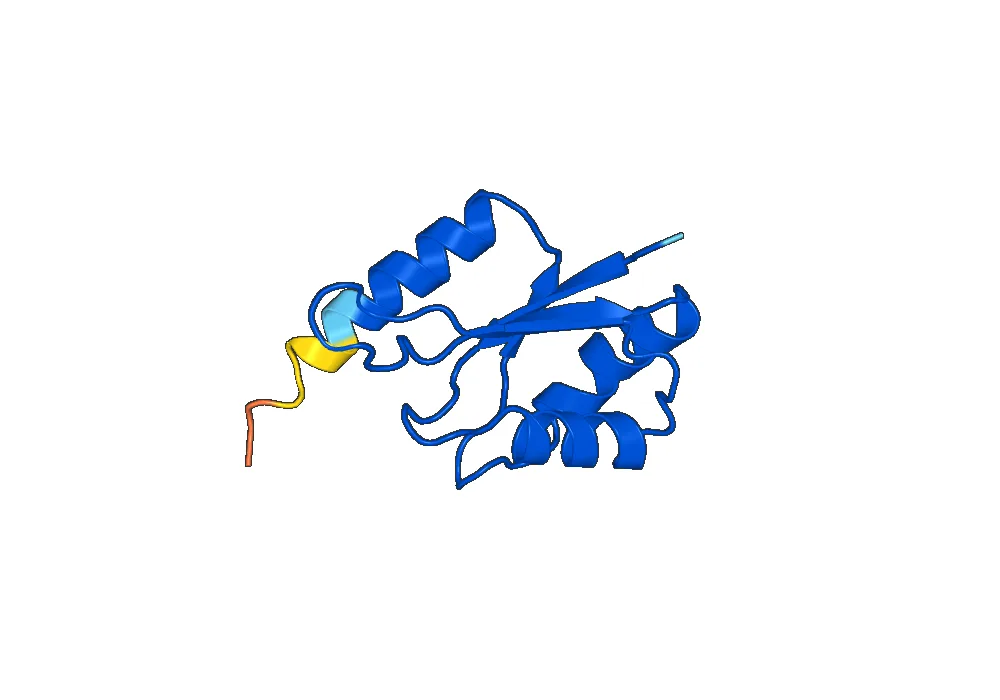
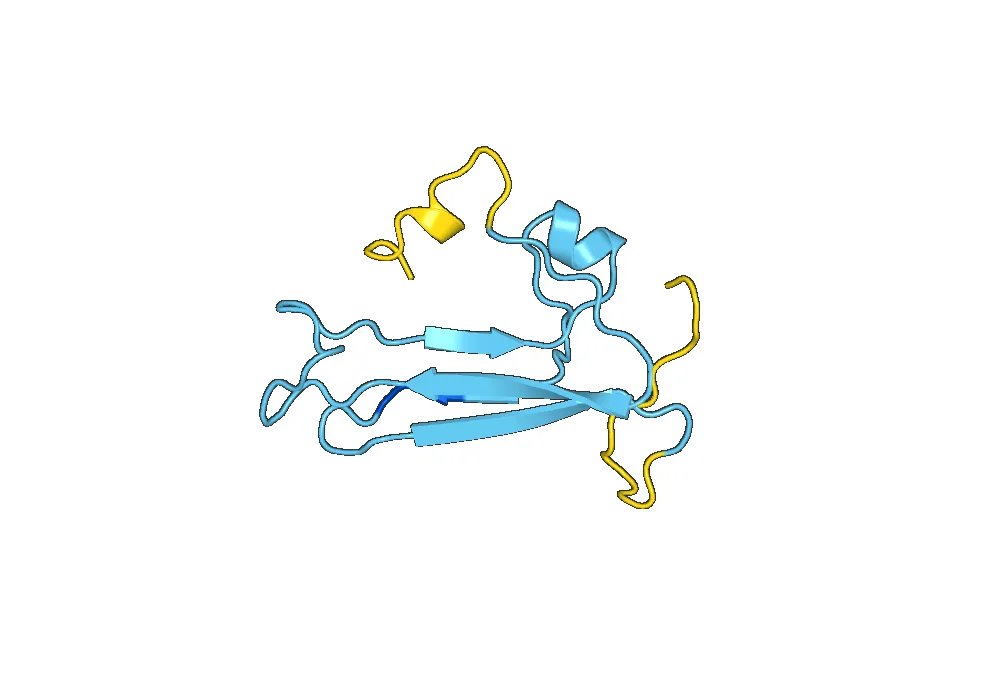
The crystal structure of the recombinant human TDGF1/CRIPTO protein has been determined, revealing a compact, globular structure with a central hydrophobic core. The EGF-like domain is responsible for binding to its receptor, Cripto-1, while the cysteine-rich domain is involved in protein-protein interactions.
Activity of Recombinant Human TDGF1/CRIPTO Protein
The recombinant human TDGF1/CRIPTO protein is a multifunctional growth factor that plays a critical role in embryonic development, stem cell maintenance, and tumorigenesis. It is primarily known for its role in promoting cell proliferation and survival through activation of various signaling pathways, including the MAPK and PI3K/Akt pathways.
One of the key functions of the recombinant human TDGF1/CRIPTO protein is its ability to bind to its receptor, Cripto-1, and activate downstream signaling pathways. This interaction is crucial for embryonic development, as it is involved in the formation of the primitive streak and the establishment of the anterior-posterior axis in the developing embryo.
In addition to its role in embryonic development, the recombinant human TDGF1/CRIPTO protein has also been implicated in stem cell maintenance. It has been shown to promote the self-renewal and pluripotency of embryonic stem cells, as well as the survival and expansion of adult stem cells.
Furthermore, the recombinant human TDGF1/CRIPTO protein has been linked to tumorigenesis. It is highly expressed in various types of cancer, including breast, lung, and colon cancer, and has been shown to promote tumor growth and metastasis. Inhibition of TDGF1/CRIPTO signaling has been explored as a potential therapeutic strategy for cancer treatment.
Applications of Recombinant Human TDGF1/CRIPTO Protein
The recombinant human TDGF1/CRIPTO protein has a wide range of applications in both research and clinical settings. Its ability to promote cell proliferation and survival makes it a valuable tool for studying embryonic development and stem cell biology. It is also used in various in vitro and in vivo models to investigate its role in tumorigenesis and potential therapeutic strategies.
In clinical settings, the recombinant human TDGF1/CRIPTO protein has shown promise as a potential biomarker for cancer diagnosis and prognosis. Its overexpression in various types of cancer makes it a potential target for cancer therapy, and several studies have explored the use of TDGF1/CRIPTO inhibitors as a treatment option.
Moreover, the recombinant human TDGF1/CRIPTO protein has been

There are no reviews yet.