Introduction
Recombinant Human SPHK2 Protein, also known as sphingosine kinase 2, is a key enzyme involved in the metabolism of sphingolipids. This protein is encoded by the SPHK2 gene and is expressed in various tissues including the brain, heart, and liver. Recombinant SPHK2 protein is produced through genetic engineering techniques, making it a highly purified and biologically active protein. In this article, we will discuss the structure, activity, and applications of recombinant human SPHK2 protein.
Structure of Recombinant Human SPHK2 Protein
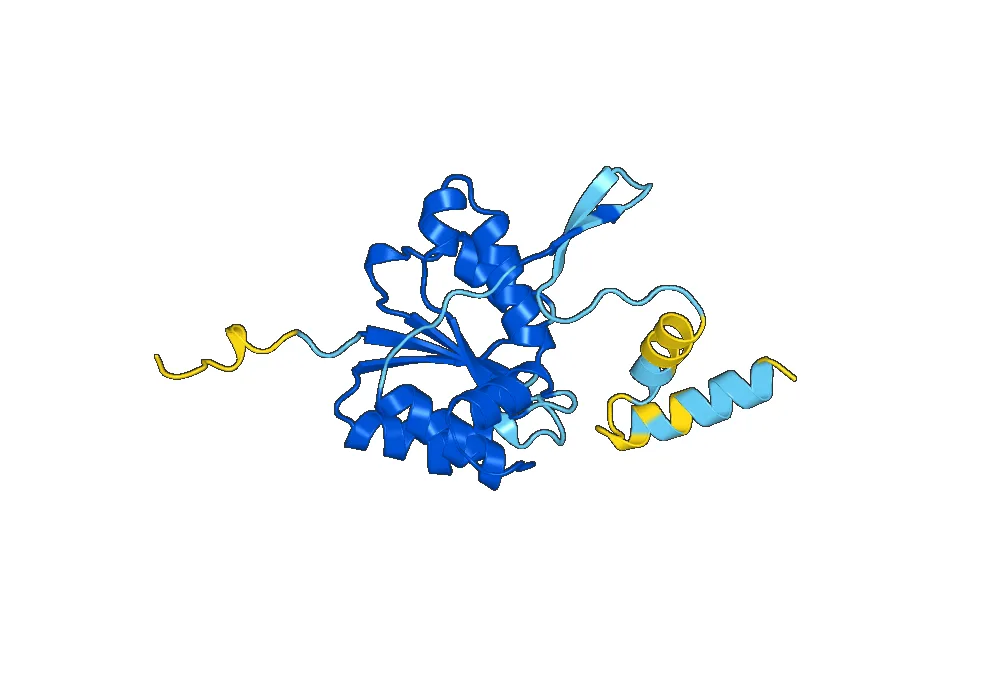
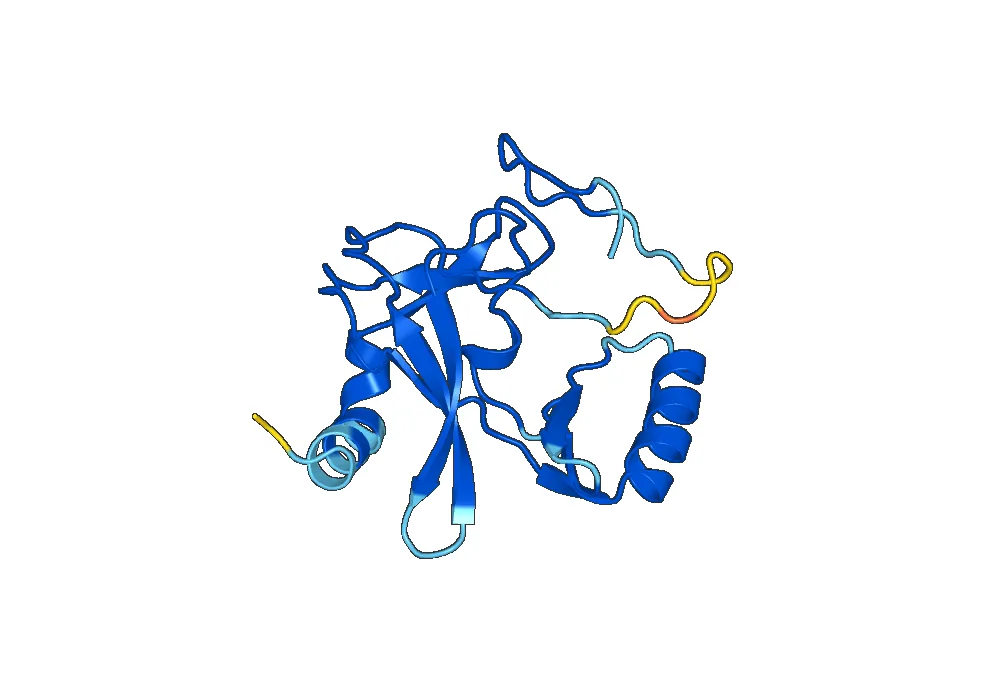
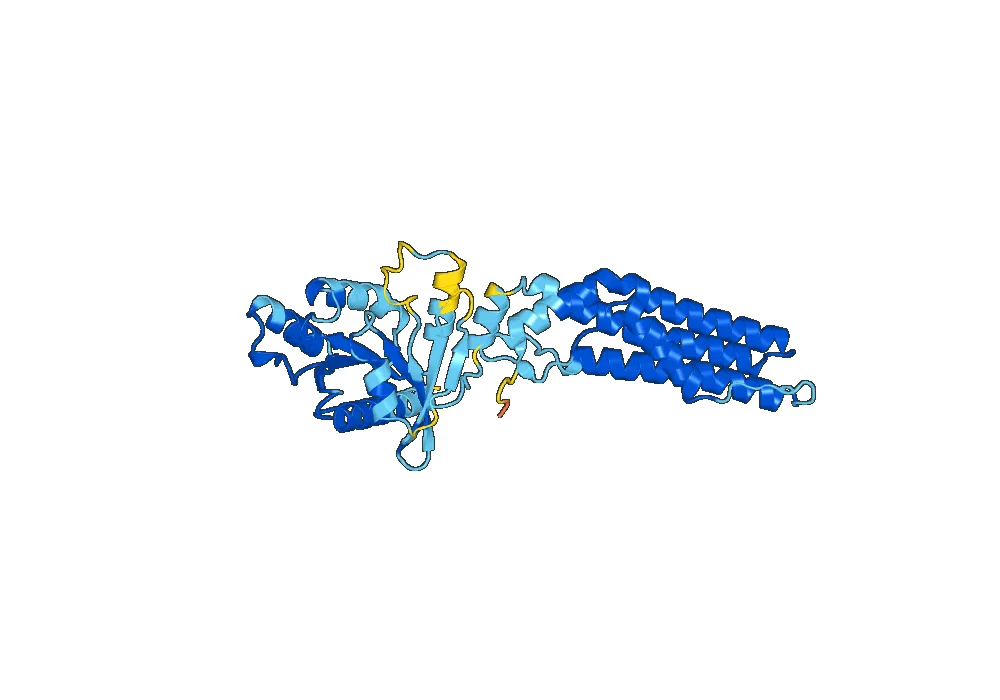
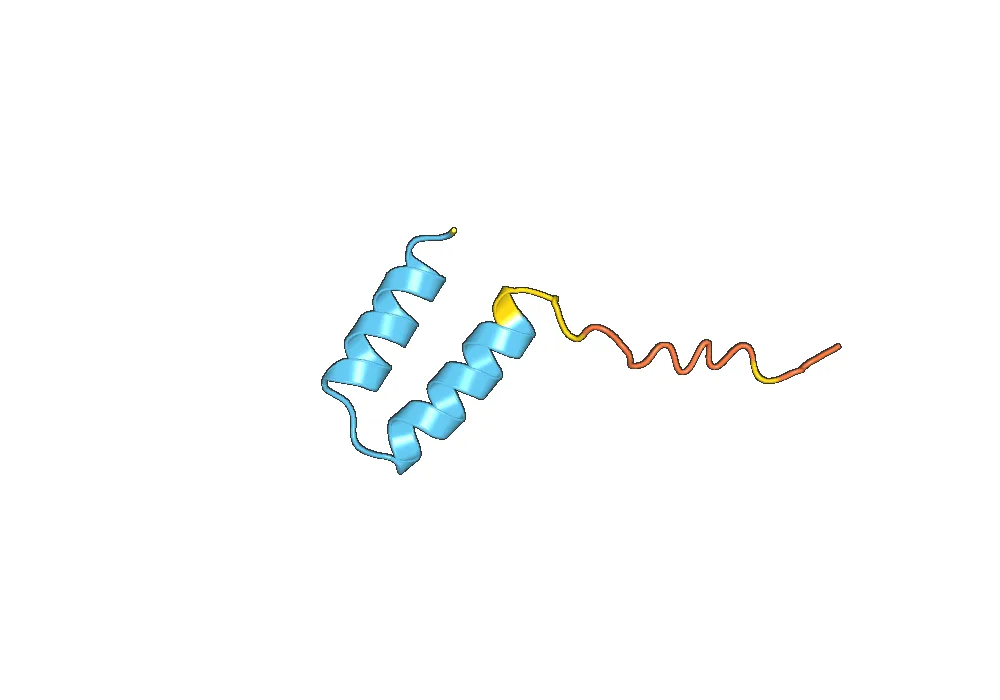
Recombinant human SPHK2 protein is a 68 kDa protein consisting of 618 amino acids. It contains a conserved kinase domain in the N-terminus and a lipid binding domain in the C-terminus. The kinase domain is responsible for catalyzing the conversion of sphingosine to sphingosine-1-phosphate (S1P), while the lipid binding domain helps in the interaction of the protein with cellular membranes.
Activity of Recombinant Human SPHK2 Protein
SPHK2 is a key enzyme in the sphingolipid signaling pathway, which plays a crucial role in various cellular processes such as cell survival, proliferation, and migration. The main function of SPHK2 is to phosphorylate sphingosine, a sphingolipid, to produce S1P. S1P acts as a lipid mediator and regulates several physiological and pathological processes. It functions by binding to specific G protein-coupled receptors on the cell surface, leading to the activation of downstream signaling pathways.
Recombinant human SPHK2 protein has been extensively studied for its role in cancer. It has been shown that SPHK2 is overexpressed in various types of cancer, including breast, lung, and prostate cancer. This overexpression has been linked to tumor growth, invasion, and metastasis. Inhibition of SPHK2 activity has been shown to suppress cancer cell growth and induce cell death, making it a potential target for cancer therapy.
Applications of Recombinant Human SPHK2 Protein
Recombinant human SPHK2 protein has a wide range of applications in both research and therapeutic settings. Its role in the sphingolipid signaling pathway makes it a valuable tool for studying various cellular processes. It can be used to investigate the role of S1P in cell survival, proliferation, and migration. Moreover, recombinant SPHK2 protein can also be used to screen for potential inhibitors or activators of the enzyme, aiding in the development of new drugs for various diseases.
In addition to its research applications, recombinant human SPHK2 protein has also shown promising results in therapeutic settings. As mentioned earlier, SPHK2 has been identified as a potential target for cancer therapy. Inhibitors of SPHK2 have been shown to reduce tumor growth and sensitize cancer cells to chemotherapy. Furthermore, SPHK2 inhibitors have also been investigated for their potential in treating other diseases such as autoimmune disorders and inflammatory diseases.
Conclusion
Recombinant Human SPHK2 Protein is a key enzyme involved in the sphingolipid signaling pathway. Its structure and activity have been extensively studied, and it has been identified as a potential target for various diseases, especially cancer. The availability of highly purified and biologically active recombinant SPHK2 protein has greatly aided in understanding its role in cellular processes and developing potential therapeutic interventions. Further research on this protein may lead to the development of new treatments for various diseases.


There are no reviews yet.