Introduction
Recombinant Human SPTBN1 Protein, also known as Spectrin Beta Non-Erythrocytic 1 Protein, is a key component of the cytoskeleton that plays an essential role in cell structure and function. This protein is encoded by the SPTBN1 gene and is found in all mammalian cells. In this article, we will discuss the structure, activity, and applications of Recombinant Human SPTBN1 Protein.
Structure of Recombinant Human SPTBN1 Protein
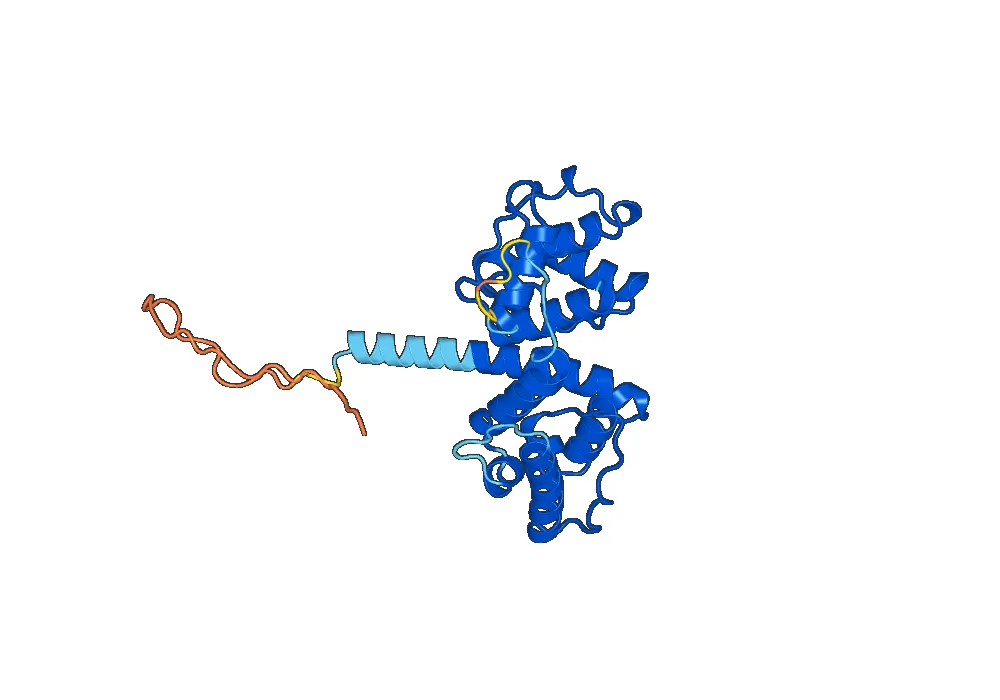
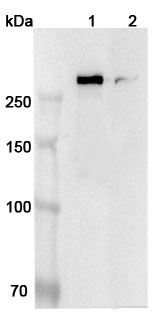
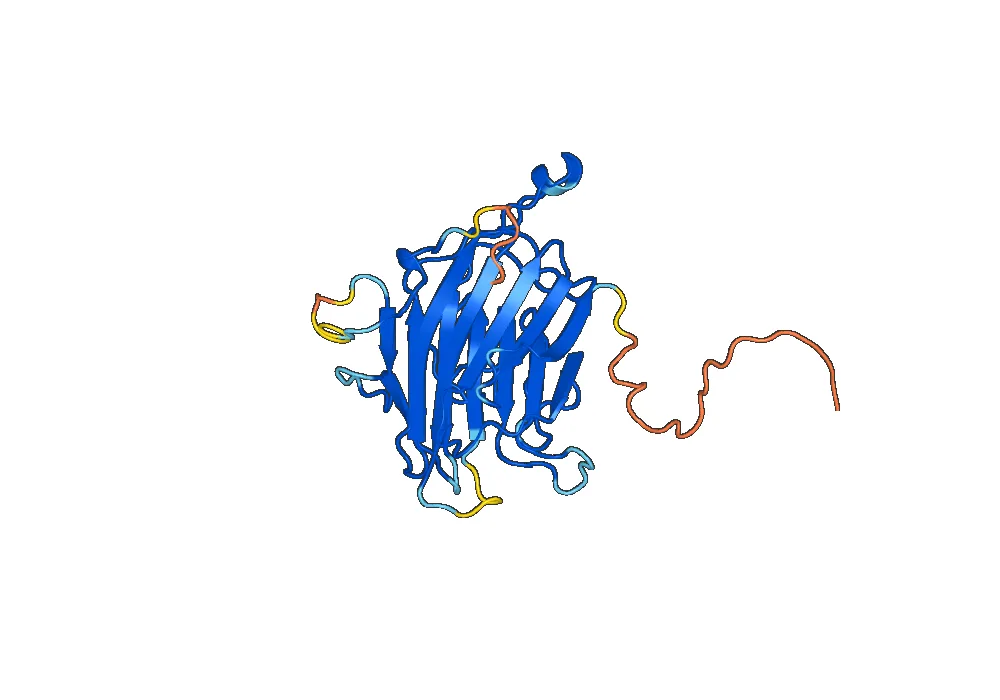
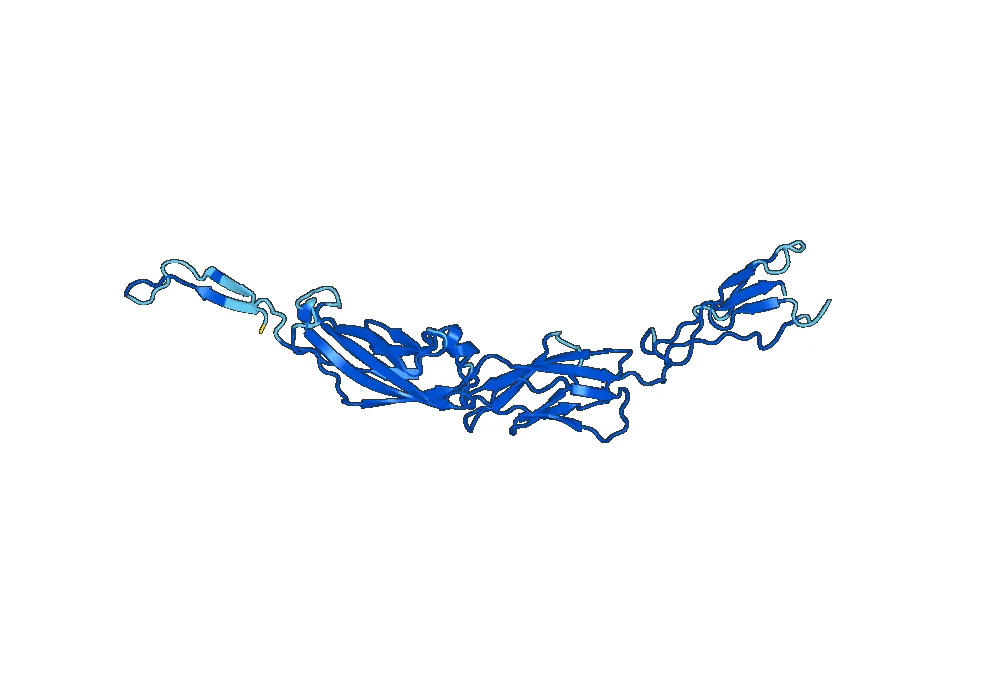
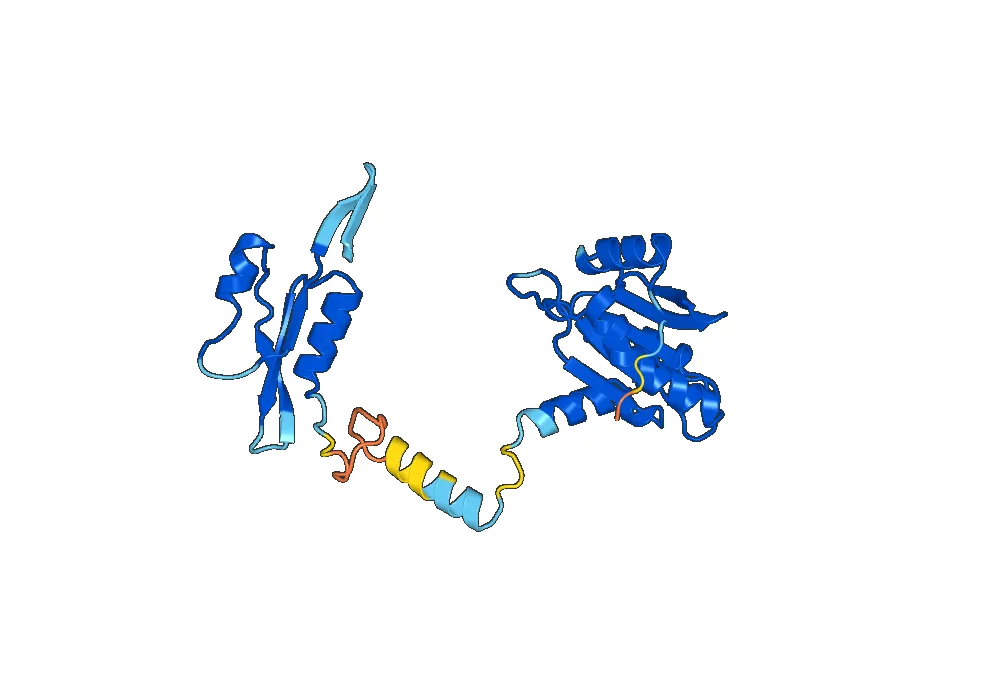
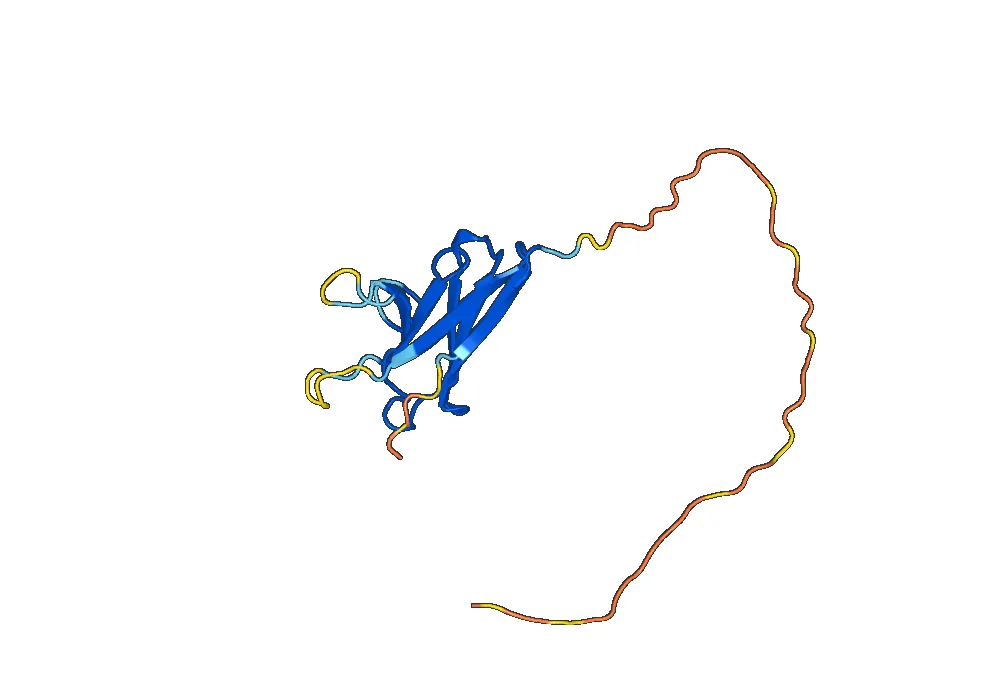
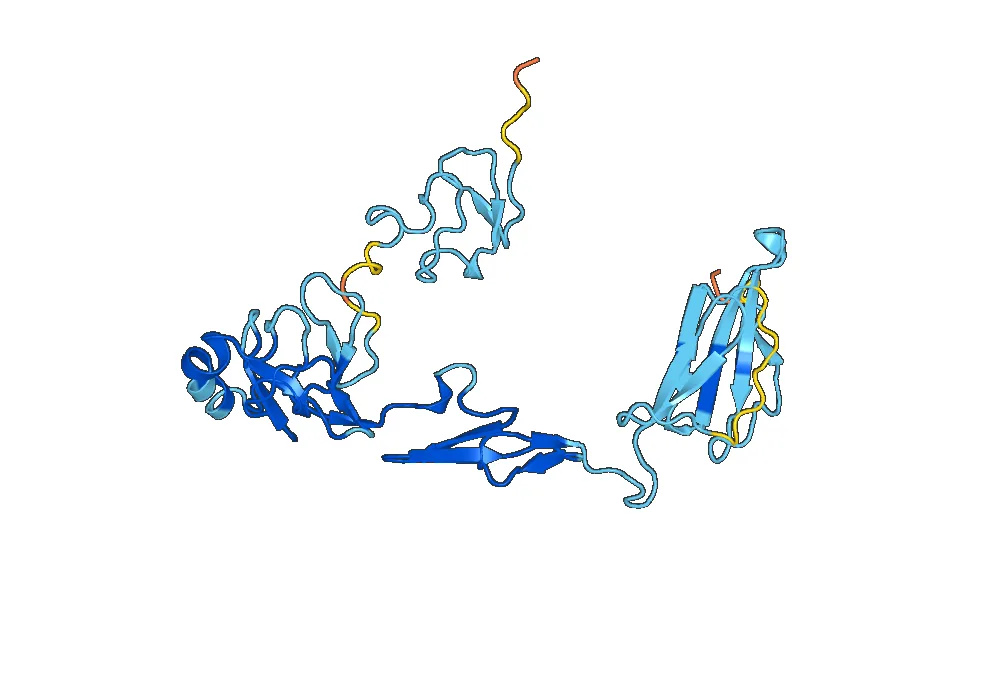
Recombinant Human SPTBN1 Protein is a large protein consisting of 2,376 amino acids with a molecular weight of approximately 270 kDa. It is composed of three domains: an N-terminal actin-binding domain, a central spectrin repeat domain, and a C-terminal EF-hand domain. The actin-binding domain is responsible for binding to actin filaments, while the spectrin repeat domain forms a long, flexible rod-like structure. The EF-hand domain is involved in calcium binding and plays a role in regulating the activity of the protein.
Activity of Recombinant Human SPTBN1 Protein
Recombinant Human SPTBN1 Protein is a key component of the cytoskeleton and is involved in various cellular processes such as cell shape, adhesion, motility, and signaling. It interacts with other cytoskeletal proteins, including actin, to form a network that provides structural support to the cell. This protein also plays a crucial role in maintaining the integrity of the cell membrane and regulating the movement of molecules in and out of the cell.
One of the main functions of Recombinant Human SPTBN1 Protein is its involvement in cell adhesion. It binds to cell adhesion molecules, such as integrins, and helps in the attachment of cells to the extracellular matrix. This is essential for cell migration, tissue development, and wound healing.
Moreover, Recombinant Human SPTBN1 Protein is also involved in cell signaling. It interacts with various proteins and enzymes to regulate their activity and modulate signaling pathways. This protein has been shown to play a role in the regulation of cell growth, differentiation, and survival.
Applications of Recombinant Human SPTBN1 Protein
Recombinant Human SPTBN1 Protein has a wide range of applications in both research and industrial settings. One of the main applications of this protein is in the study of cell structure and function. It is often used as a tool to investigate the role of the cytoskeleton in various cellular processes.
In addition, Recombinant Human SPTBN1 Protein has potential therapeutic applications. Mutations in the SPTBN1 gene have been linked to various diseases, including spinocerebellar ataxia type 5 and hereditary elliptocytosis. Recombinant Human SPTBN1 Protein can be used to study the effects of these mutations and develop potential treatments.
Furthermore, this protein has been used in the development of biosensors for detecting changes in cell morphology and adhesion. These biosensors can be used to monitor cell behavior and study the effects of drugs or other substances on cell adhesion and migration.
Conclusion
Recombinant Human SPTBN1 Protein is a crucial component of the cytoskeleton that plays an essential role in cell structure and function. Its structure, activity, and applications make it a valuable tool in the study of cell biology and have potential therapeutic and industrial applications. Further research on this protein could lead to a better understanding of its role in various diseases and the development of new treatments.
There are no reviews yet.