Introduction to Recombinant Human STAU1 Protein
Recombinant Human STAU1 Protein, also known as Staufen homolog 1, is a highly conserved RNA-binding protein that is involved in various cellular processes, including mRNA transport, localization, and translation. It is encoded by the STAU1 gene and is expressed in most tissues, with the highest levels found in the brain, heart, and skeletal muscle.
Structure of Recombinant Human STAU1 Protein
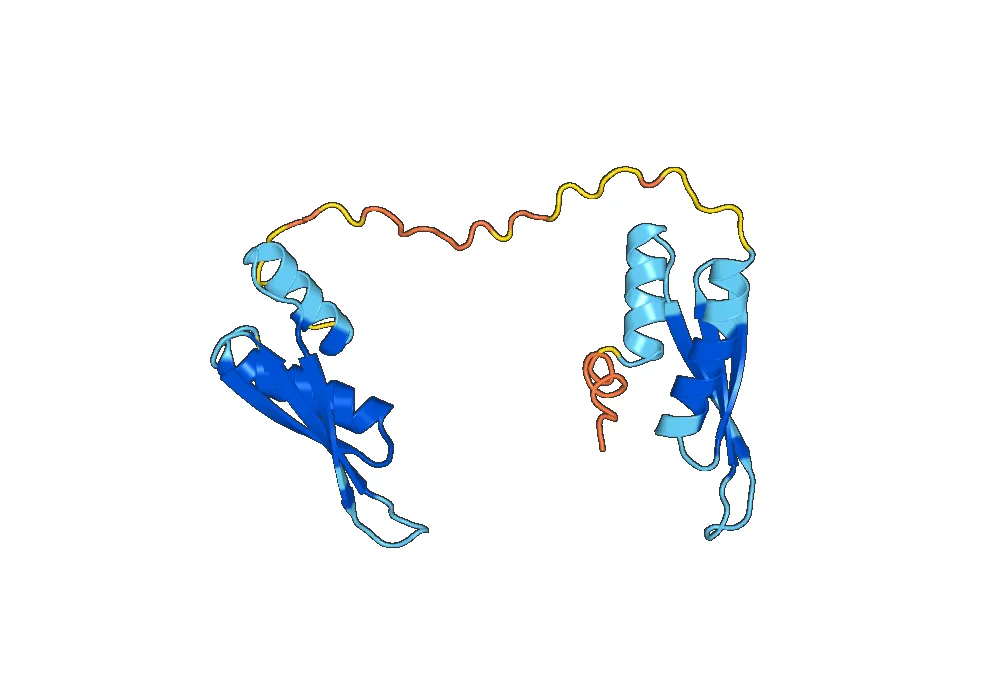
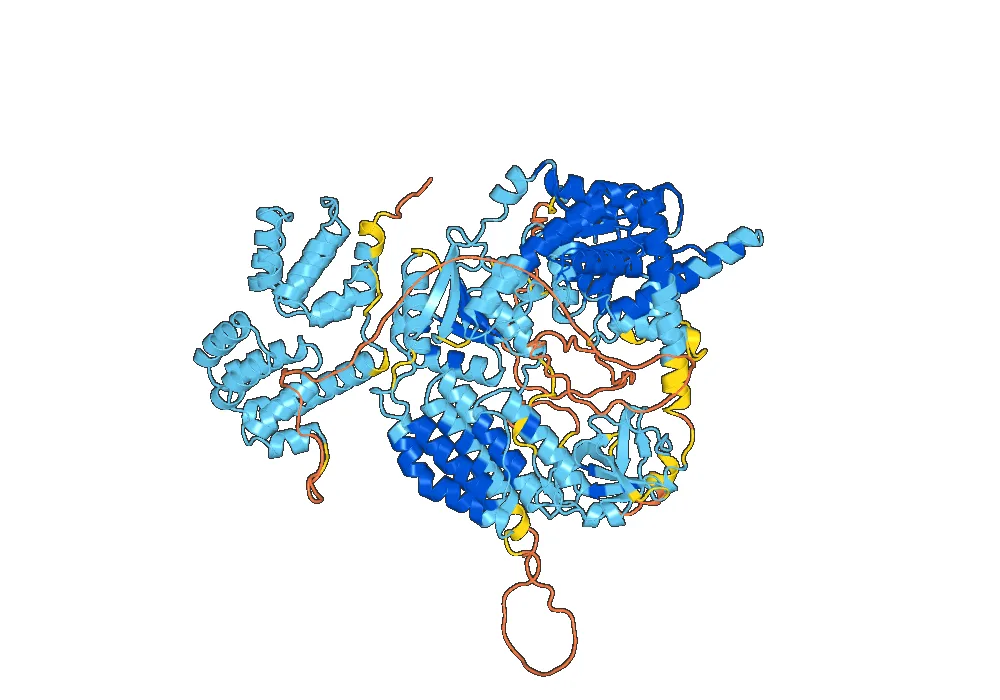
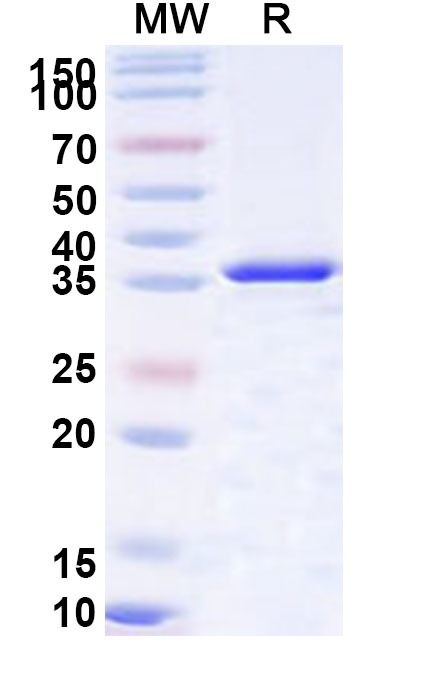
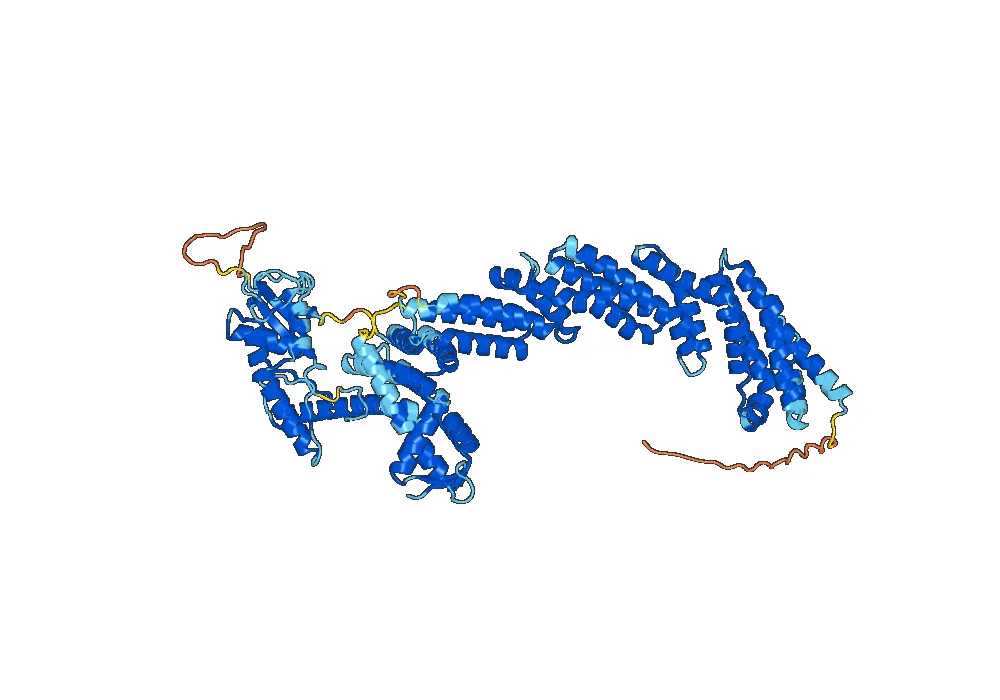
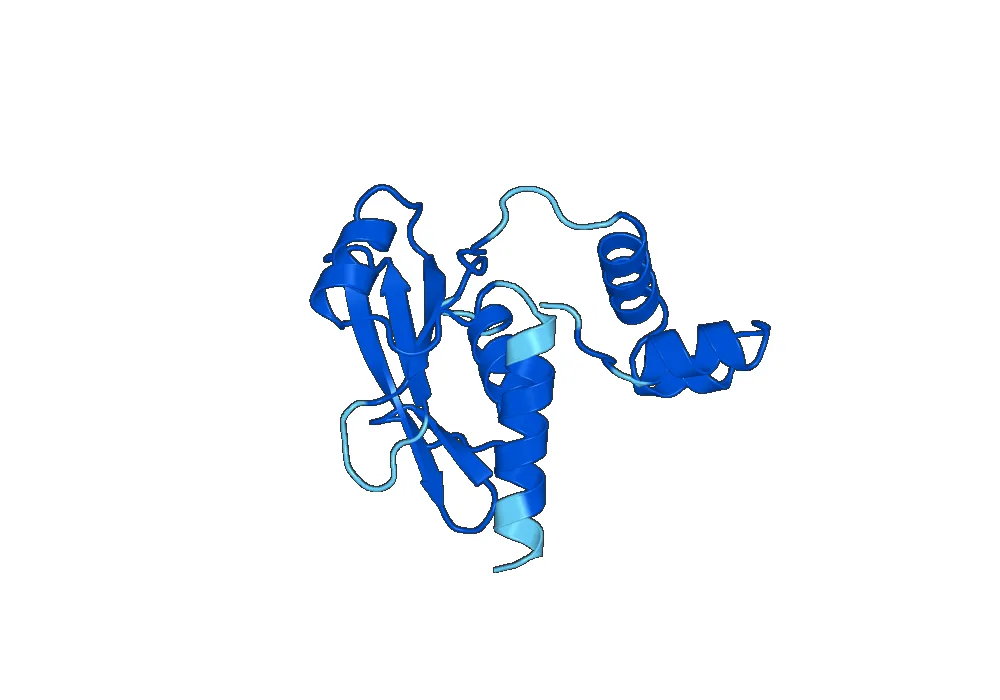
The Recombinant Human STAU1 Protein is composed of 591 amino acids and has a molecular weight of approximately 67 kDa. It is a multi-domain protein, consisting of an N-terminal dsRNA-binding domain, three double-stranded RNA-binding motifs (DSRM), and a C-terminal domain. The N-terminal domain is responsible for binding to RNA, while the DSRM domains are involved in protein-protein interactions. The C-terminal domain is thought to play a role in regulating the activity of STAU1.
Activity of Recombinant Human STAU1 Protein
Recombinant Human STAU1 Protein is a key player in the post-transcriptional regulation of gene expression. It binds to double-stranded RNA structures in the 3′ untranslated region (UTR) of mRNA molecules and facilitates their transport to specific subcellular locations, such as neuronal dendrites and synapses. This process is crucial for the localization and translation of mRNAs involved in synaptic plasticity and memory formation.
In addition to its role in mRNA transport, Recombinant Human STAU1 Protein also plays a role in regulating mRNA stability and translation. It has been shown to interact with various proteins involved in these processes, such as the RNA-binding protein PABPC1 and the translation initiation factor EIF4A. These interactions can either enhance or inhibit the translation of specific mRNAs, depending on the cellular context.
Application of Recombinant Human STAU1 Protein
Due to its diverse functions in post-transcriptional gene regulation, Recombinant Human STAU1 Protein has a wide range of applications in scientific research. One of its main applications is in the study of neuronal development and function. By modulating the localization and translation of mRNAs, STAU1 plays a crucial role in the formation and maintenance of synapses, making it a valuable tool for studying synaptic plasticity and memory formation.
Recombinant Human STAU1 Protein also has potential applications in the field of cancer research. It has been found to interact with several proteins involved in cancer progression, such as the tumor suppressor protein p53 and the oncoprotein c-Myc. These interactions suggest that STAU1 may play a role in regulating the expression of genes involved in cell growth and proliferation, making it a potential target for cancer therapy.
Furthermore, Recombinant Human STAU1 Protein has been used in the development of diagnostic tools for various diseases. Its ability to bind to specific mRNAs and regulate their translation makes it a useful tool for identifying disease-associated biomarkers in patient samples. This has potential applications in the diagnosis and monitoring of diseases such as Alzheimer’s and Parkinson’s.
Conclusion
In summary, Recombinant Human STAU1 Protein is a multi-functional protein involved in various aspects of post-transcriptional gene regulation. Its structure, activity, and diverse applications make it a valuable tool for studying neuronal development and function, cancer progression, and disease diagnosis. Further research on this protein may uncover new insights into its functions and potential therapeutic targets.

There are no reviews yet.