Introduction to Recombinant Human STEAP3 Protein
Recombinant Human STEAP3 Protein is a type of protein that is produced through genetic engineering techniques, also known as recombinant technology. This protein is an important antigen, meaning that it can stimulate an immune response in the body. In this article, we will explore the structure, activity, and applications of Recombinant Human STEAP3 Protein.
Structure of Recombinant Human STEAP3 Protein
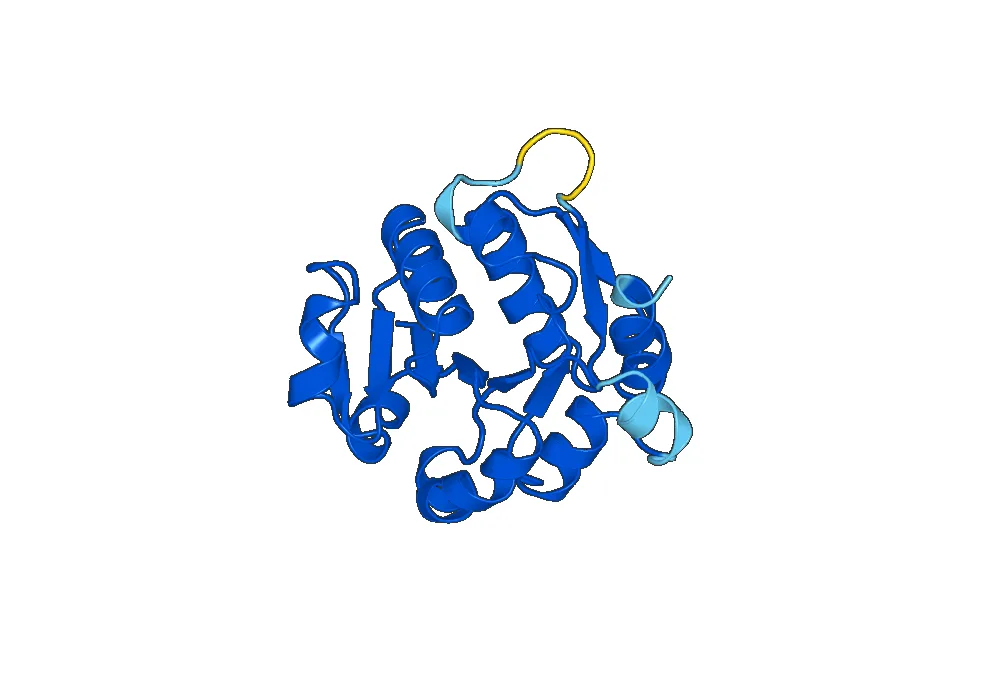
The STEAP3 gene, also known as Six Transmembrane Epithelial Antigen of Prostate 3, is located on chromosome 2 in humans. This gene encodes for a protein that is composed of 513 amino acids and has a molecular weight of approximately 56 kDa. The protein has a transmembrane domain, meaning that it spans across the cell membrane, and contains six transmembrane helices.
The recombinant form of this protein is produced by inserting the STEAP3 gene into a suitable expression system, such as bacteria or yeast, and allowing it to be expressed and purified. This results in a highly pure and bioactive form of the protein that can be used for various applications.
Activity of Recombinant Human STEAP3 Protein
Recombinant Human STEAP3 Protein is known to have multiple functions in the body. It is primarily expressed in the prostate, but can also be found in other tissues such as the liver, kidney, and testis. This protein has been shown to play a role in regulating iron homeostasis, as well as in cell growth and proliferation.
Studies have also shown that STEAP3 is involved in the development and progression of prostate cancer. It has been found to be overexpressed in prostate cancer cells, and its expression has been linked to tumor growth and metastasis. Therefore, recombinant STEAP3 protein can be used as a tool for studying the mechanisms of prostate cancer and potentially as a therapeutic target.
Applications of Recombinant Human STEAP3 Protein
Recombinant Human STEAP3 Protein has various applications in the field of biotechnology and medicine. One of its main applications is in cancer research, particularly in the study of prostate cancer. The recombinant protein can be used to study the role of STEAP3 in cancer development and progression, as well as to develop potential therapies targeting this protein.
Another application of recombinant STEAP3 protein is in the development of diagnostic tools. Its overexpression in prostate cancer cells makes it a potential biomarker for early detection of the disease. Recombinant STEAP3 protein can be used in diagnostic tests to detect the presence of prostate cancer in patients.
Furthermore, recombinant STEAP3 protein has potential therapeutic applications. As mentioned earlier, it has been linked to the growth and progression of prostate cancer, making it a potential target for cancer treatment. Recombinant STEAP3 protein can be used to develop targeted therapies that specifically inhibit the activity of this protein in cancer cells, thus preventing tumor growth and metastasis.
Conclusion
In summary, Recombinant Human STEAP3 Protein is a bioactive protein that is produced through genetic engineering techniques. Its structure, activity, and multiple applications make it a valuable tool in cancer research and potentially in the development of diagnostic and therapeutic tools. Further studies on this protein may provide insights into its role in other diseases and open up new avenues for its use in biotechnology and medicine.


There are no reviews yet.