Recombinant Human G0S2 Protein: Structure, Activity, and Applications
The Recombinant Human G0S2 Protein, also known as G0S2, is a protein that plays a crucial role in regulating cellular metabolism and energy balance. It is a member of the G0/G1 switch gene family and is highly expressed in adipose tissue, liver, and skeletal muscle. The G0S2 gene has been identified as a potential target for treating metabolic disorders such as obesity and type 2 diabetes.
Structure of Recombinant Human G0S2 Protein
The G0S2 protein is composed of 103 amino acids and has a molecular weight of approximately 11.7 kDa. It contains a conserved N-terminal domain and a C-terminal domain that are connected by a flexible linker region. The N-terminal domain is responsible for binding to other proteins, while the C-terminal domain is involved in regulating the activity of G0S2.
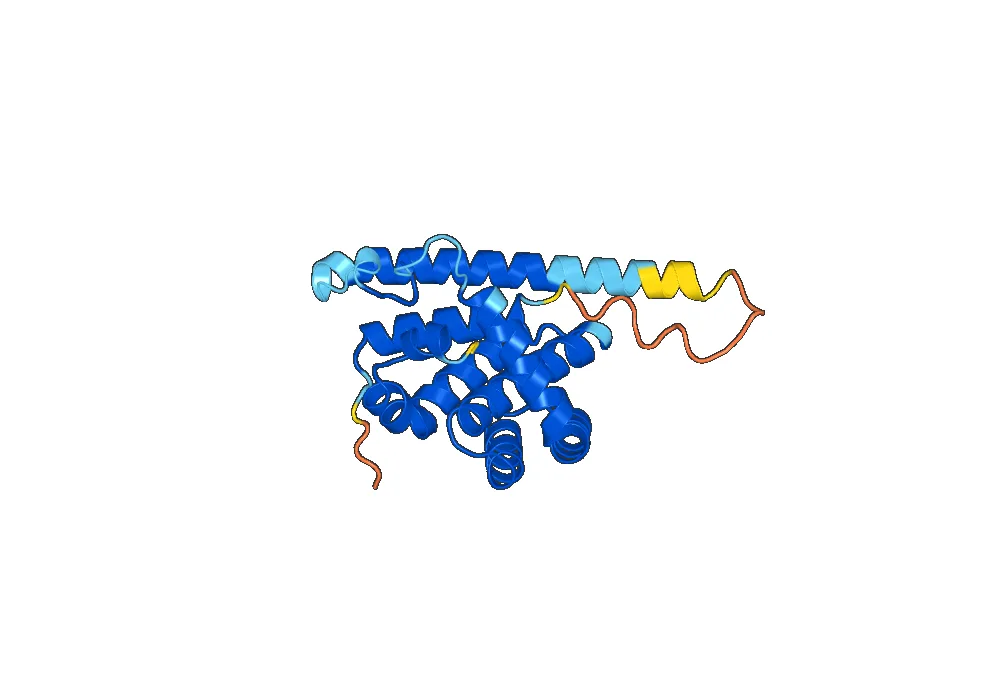
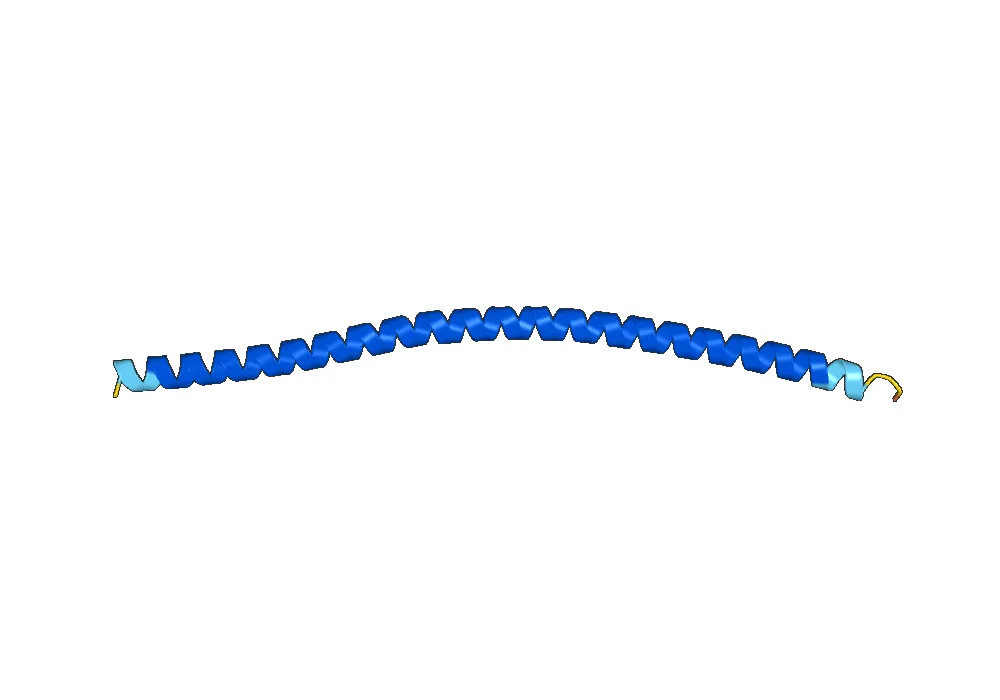
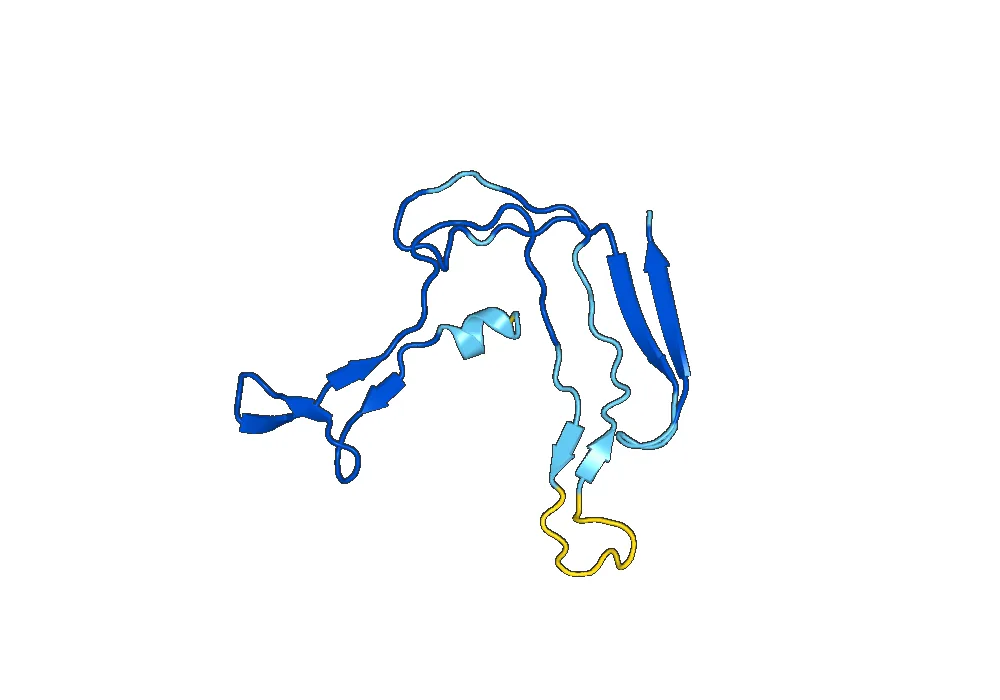
The crystal structure of G0S2 has been determined, revealing a compact globular protein with a four-helix bundle fold. The N-terminal domain forms two α-helices, while the C-terminal domain consists of two shorter α-helices and a β-strand. This unique structure allows G0S2 to interact with multiple proteins and regulate their function.
Activity of Recombinant Human G0S2 Protein
G0S2 has been identified as a potent inhibitor of adipose triglyceride lipase (ATGL), an enzyme responsible for breaking down stored fat into free fatty acids. By binding to ATGL, G0S2 prevents its activity and inhibits the breakdown of fat, thereby reducing the availability of fatty acids for energy production. This results in an increase in the storage of fat in adipose tissue, contributing to the development of obesity.
In addition to its role in regulating fat metabolism, G0S2 has also been implicated in the regulation of glucose metabolism. It has been shown to interact with and inhibit the activity of the enzyme pyruvate dehydrogenase kinase 4 (PDK4), which is involved in the conversion of pyruvate to glucose. This inhibition leads to a decrease in glucose production, which may be beneficial for individuals with type 2 diabetes.
Applications of Recombinant Human G0S2 Protein
The unique structure and activity of G0S2 make it a promising target for therapeutic interventions in metabolic disorders. Recombinant Human G0S2 Protein can be produced in large quantities using recombinant DNA technology, making it readily available for research and potential clinical use.
One potential application of G0S2 is in the treatment of obesity. By inhibiting ATGL, G0S2 can reduce the breakdown of fat and promote fat storage, which may be beneficial for individuals with obesity. In animal studies, administration of G0S2 has been shown to decrease body weight and fat mass, as well as improve insulin sensitivity and glucose tolerance.
Another potential application of G0S2 is in the treatment of type 2 diabetes. By inhibiting PDK4, G0S2 can reduce glucose production and improve glucose control. In animal models, G0S2 has been shown to improve glucose tolerance and insulin sensitivity, suggesting its potential as a therapeutic target for type 2 diabetes.
In addition, G0S2 has also been studied for its role in cancer. It has been found to be downregulated in certain types of cancer, and its overexpression has been shown to inhibit cancer cell growth and promote cell death. Further research is needed to fully understand the role of G0S2 in cancer and its potential as a therapeutic target.
Conclusion
The Recombinant Human G0S2 Protein is a unique protein with a crucial role in regulating metabolism and energy balance. Its structure and activity make it a promising target for therapeutic interventions in

There are no reviews yet.