Introduction to Recombinant Human TCTN2 Protein
Recombinant Human TCTN2 Protein, also known as Tectonic 2, is a protein that is encoded by the TCTN2 gene. This protein belongs to the tectonic family and is involved in the development and maintenance of cilia, which are hair-like structures found on the surface of cells. Cilia play important roles in cell movement, sensory perception, and signaling. Mutations in the TCTN2 gene have been associated with a variety of ciliopathies, which are disorders caused by defects in cilia function.
Structure of Recombinant Human TCTN2 Protein
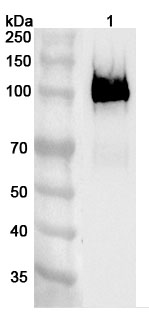
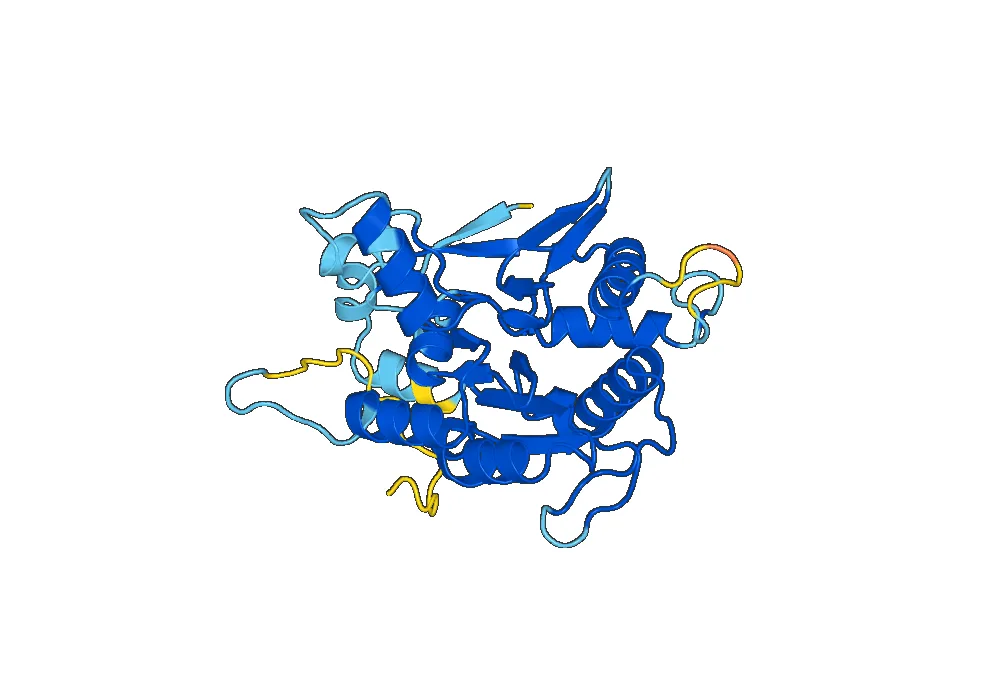
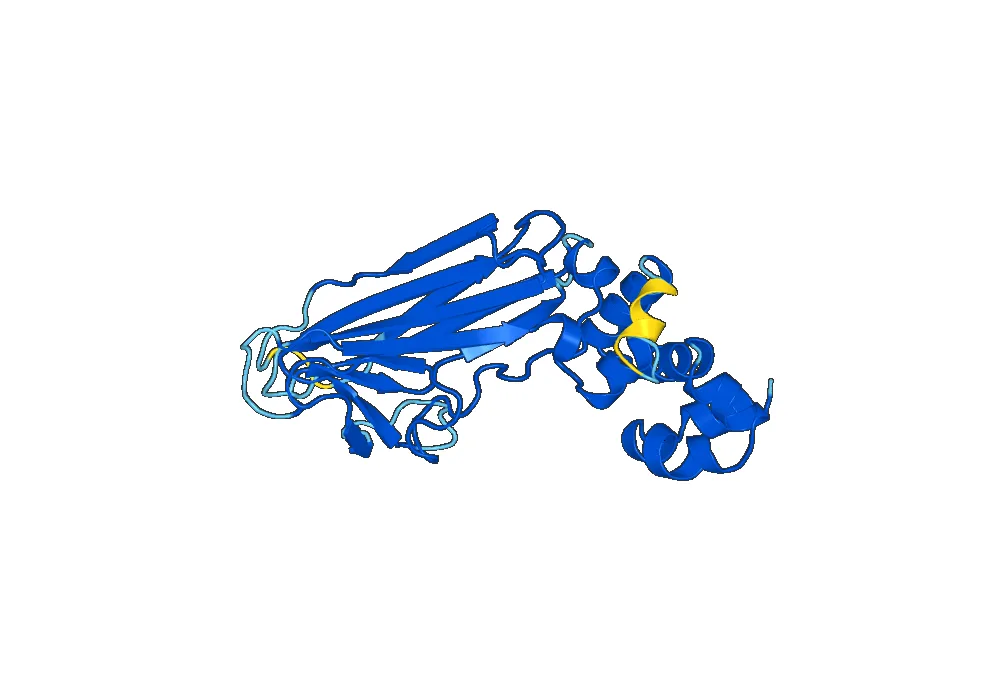
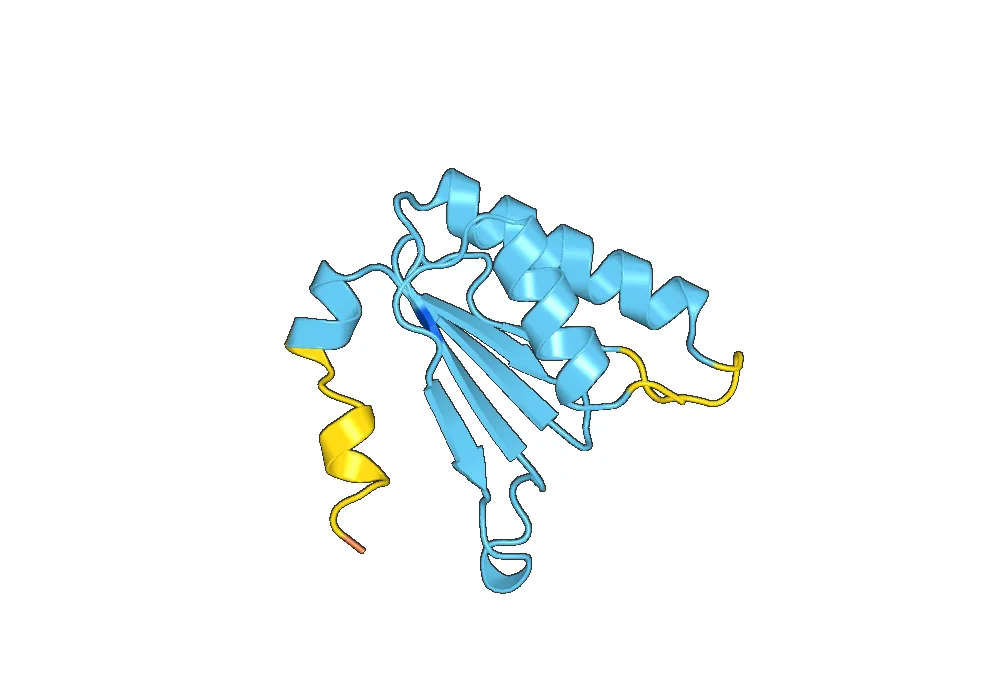
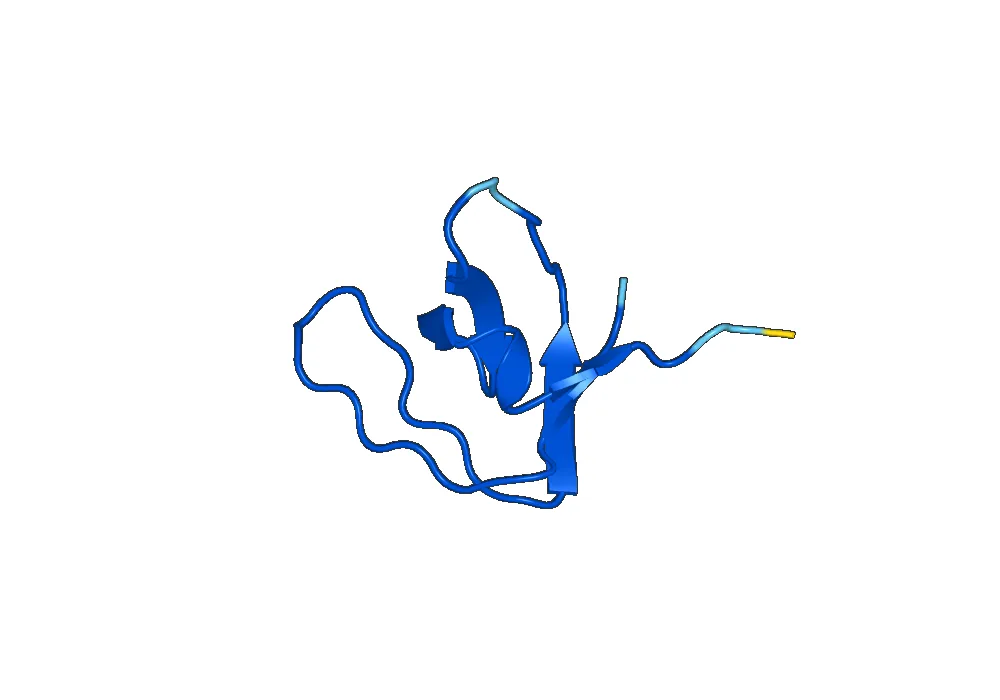
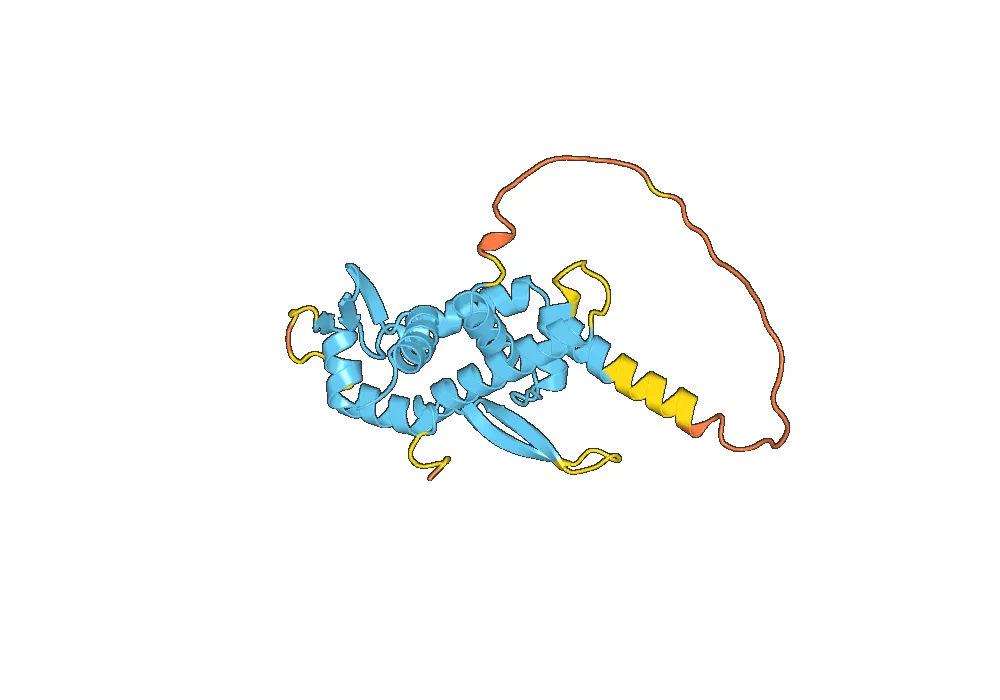
Recombinant Human TCTN2 Protein is composed of 700 amino acids and has a predicted molecular weight of approximately 78 kDa. It contains a single transmembrane domain and a large extracellular domain. The extracellular domain is composed of multiple tetratricopeptide repeat (TPR) motifs, which are known to mediate protein-protein interactions. These TPR motifs are thought to be important for the function of TCTN2 in cilia formation and maintenance.
Activity of Recombinant Human TCTN2 Protein
The main activity of Recombinant Human TCTN2 Protein is its involvement in cilia formation and function. Cilia are complex organelles that are found on the surface of most mammalian cells. They are involved in a variety of cellular processes, including cell signaling, movement, and sensory perception. The TCTN2 protein is a key component of the tectonic complex, which is essential for the proper assembly and function of cilia.
Studies have shown that TCTN2 is required for the formation of the ciliary membrane and the docking of cilia to the cell surface. It has also been shown to play a role in the regulation of ciliary length and beating frequency. Additionally, TCTN2 has been implicated in the transport of signaling molecules along the ciliary axoneme, which is important for proper cilia function.
Application of Recombinant Human TCTN2 Protein
Recombinant Human TCTN2 Protein has a wide range of applications in both research and medicine. In research, this protein is commonly used in studies related to cilia biology and ciliopathies. It can be used to investigate the role of TCTN2 in cilia formation and function, as well as its interactions with other proteins involved in cilia biology.
In medicine, Recombinant Human TCTN2 Protein has potential applications in the diagnosis and treatment of ciliopathies. Mutations in the TCTN2 gene have been linked to a variety of ciliopathies, including Meckel syndrome, Joubert syndrome, and nephronophthisis. By studying the function of TCTN2, researchers may be able to develop new diagnostic tools and therapeutic approaches for these disorders.
Furthermore, Recombinant Human TCTN2 Protein can also be used in the development of new drugs targeting cilia-related diseases. As cilia are involved in a wide range of cellular processes, targeting TCTN2 and other proteins involved in cilia function may have therapeutic benefits for a variety of disorders, including cystic fibrosis, polycystic kidney disease, and retinal degeneration.
Conclusion
In summary, Recombinant Human TCTN2 Protein is a key component of the tectonic complex and plays a crucial role in cilia formation and function. Its structure, activity, and potential applications make it a valuable tool for research and medicine. By further understanding the function of TCTN2, we may be able to develop new treatments for ciliopathies and other cilia-related disorders.

There are no reviews yet.