Introduction
Recombinant Human TRIM14 Protein, also known as Tripartite motif-containing protein 14, is a protein that plays a crucial role in regulating various cellular processes. It is a member of the tripartite motif (TRIM) protein family, which is characterized by a conserved tripartite motif domain containing a RING finger, B-box, and coiled-coil region. This protein has been extensively studied for its structure, activity, and potential applications in various fields.
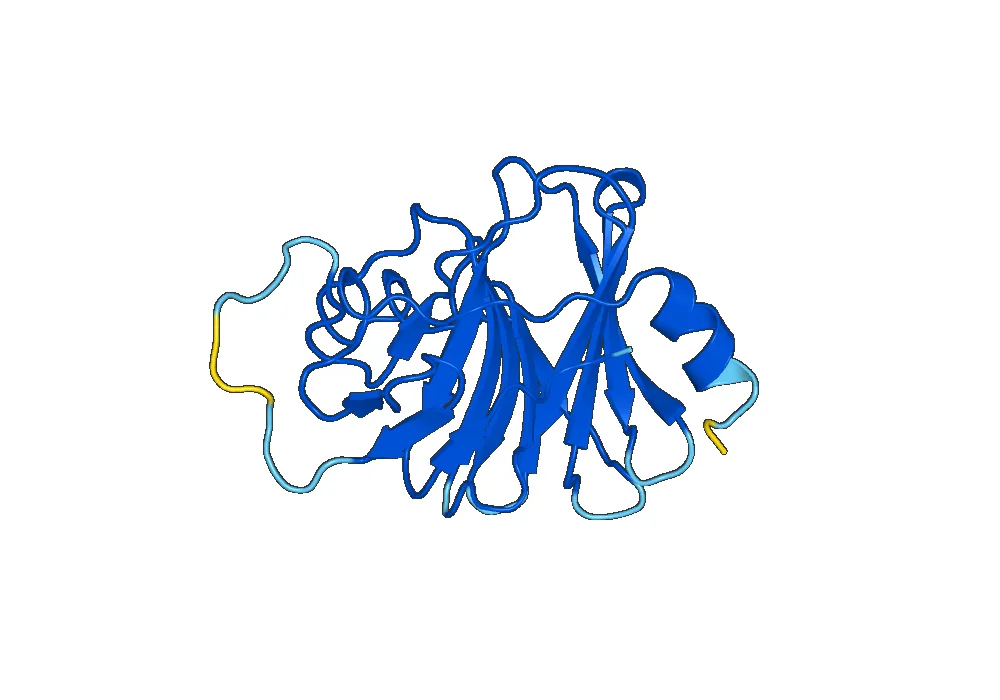
Structure of Recombinant Human TRIM14 Protein
The TRIM14 protein is composed of 437 amino acids and has a molecular weight of approximately 49 kDa. It is a cytoplasmic protein that is predominantly expressed in immune cells, such as T cells and macrophages. The structure of TRIM14 consists of an N-terminal RING finger domain, two B-box domains, a coiled-coil region, and a C-terminal PRY/SPRY domain. The RING finger domain is responsible for E3 ubiquitin ligase activity, while the PRY/SPRY domain is involved in protein-protein interactions.
Activity of Recombinant Human TRIM14 Protein
TRIM14 has been reported to have multiple functions in different cellular processes. One of its main functions is its role as an E3 ubiquitin ligase, which is responsible for adding ubiquitin molecules to target proteins, leading to their degradation or modification. This activity of TRIM14 has been linked to the regulation of immune responses, cell proliferation, and apoptosis. Additionally, TRIM14 has been shown to interact with various signaling molecules, such as NF-κB, and modulate their activity, further highlighting its importance in cellular processes.
Application of Recombinant Human TRIM14 Protein
Due to its diverse functions, TRIM14 has been implicated in various diseases and has potential applications in different fields.
In Cancer Research
TRIM14 has been found to be overexpressed in various types of cancer, including breast, lung, and colon cancer. Its role in regulating cell proliferation and apoptosis makes it a potential target for cancer therapy. Recombinant Human TRIM14 Protein can be used to study its functions in cancer cells and to develop targeted therapies.
In Infectious Diseases
TRIM14 has also been shown to play a role in the immune response against viral infections. It has been reported to inhibit the replication of HIV and hepatitis B virus by targeting viral proteins for degradation. Recombinant Human TRIM14 Protein can be used to study its antiviral activity and its potential in developing antiviral therapies.
In Autoimmune Diseases
TRIM14 has been linked to the development of autoimmune diseases, such as rheumatoid arthritis and systemic lupus erythematosus. Its role in regulating immune responses and its interaction with NF-κB make it a potential therapeutic target for these diseases. Recombinant Human TRIM14 Protein can be used to study its functions in immune cells and to develop targeted therapies for autoimmune diseases.
In Vaccine Development
TRIM14 has been identified as a potential antigen in vaccine development. Its expression in immune cells and its involvement in immune responses make it a promising candidate for vaccine development against infectious diseases. Recombinant Human TRIM14 Protein can be used to study its immunogenicity and its potential in developing vaccines.
Conclusion
In conclusion, Recombinant Human TRIM14 Protein is a multifunctional protein with diverse roles in cellular processes. Its structure, activity, and potential applications make it an important protein to study in various fields, including cancer research, infectious diseases, autoimmune diseases, and vaccine development. Further research on this protein is needed to fully understand its functions and to explore its potential in therapeutic and diagnostic applications.

There are no reviews yet.