Introduction
Recombinant Human TRIM27 Protein (also known as tripartite motif-containing 27 or TRIM27) is a type of recombinant protein that plays a crucial role in various cellular processes. This protein is encoded by the TRIM27 gene and is involved in the regulation of immune response, cell proliferation, and apoptosis. In this article, we will discuss the structure, activity, and application of Recombinant Human TRIM27 Protein.
Structure of Recombinant Human TRIM27 Protein
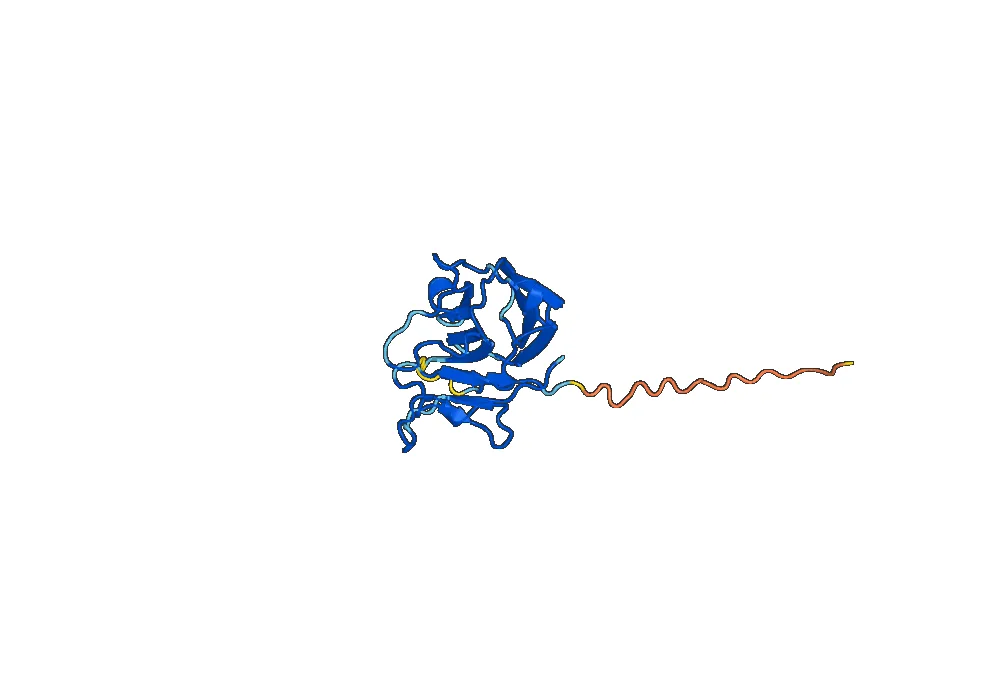
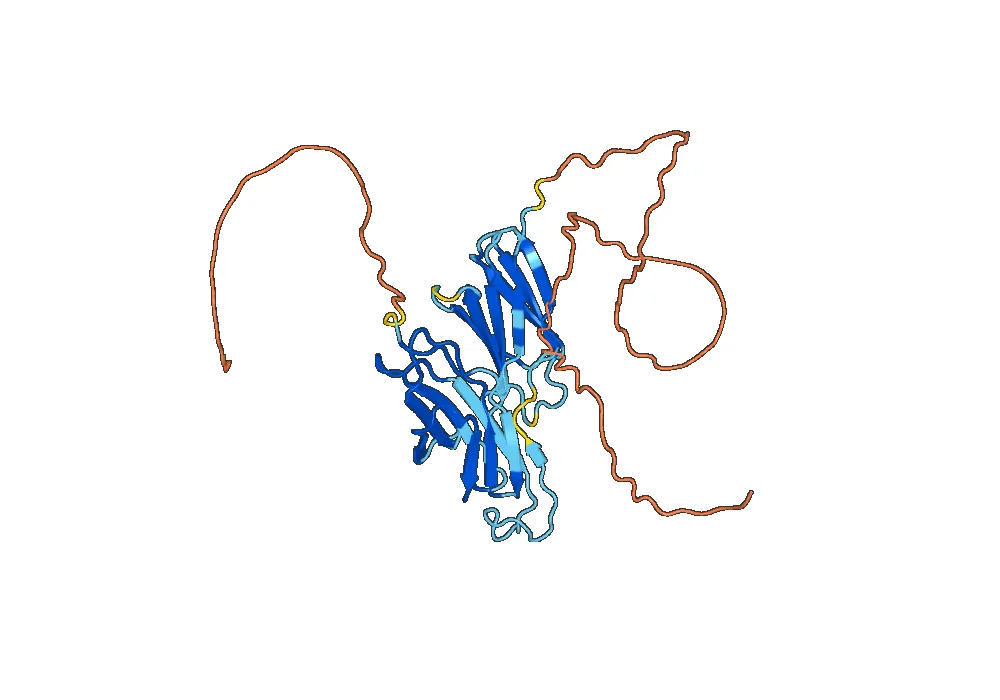
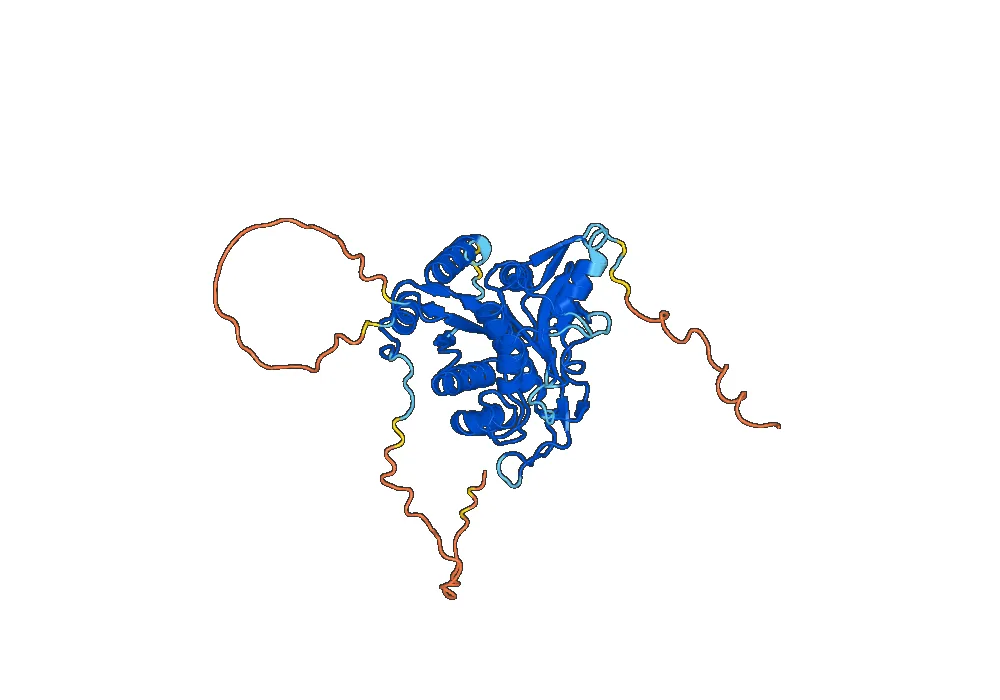
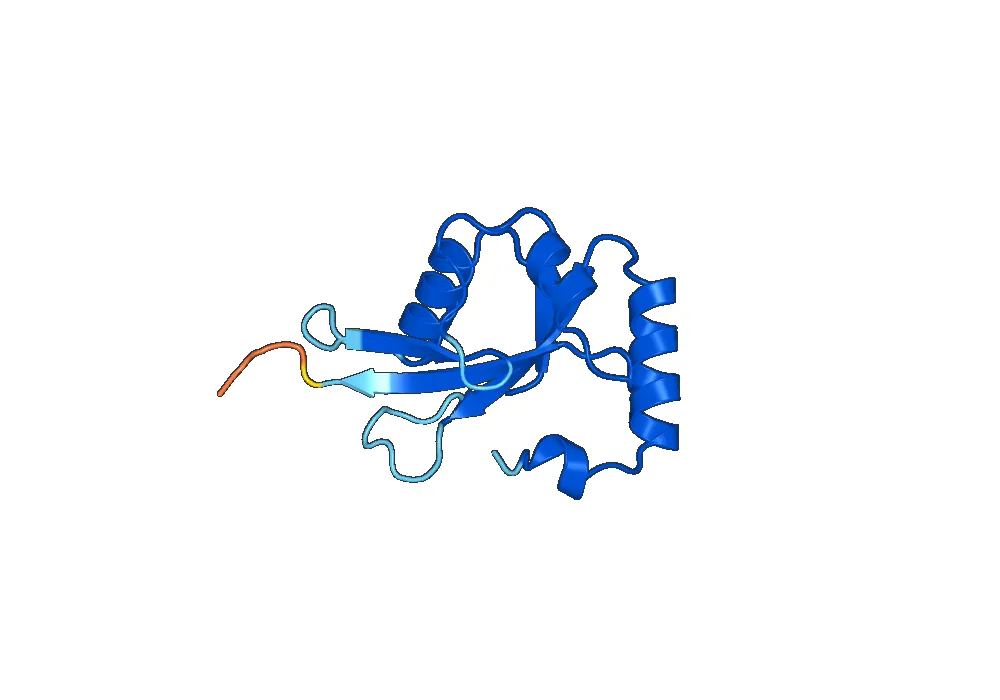
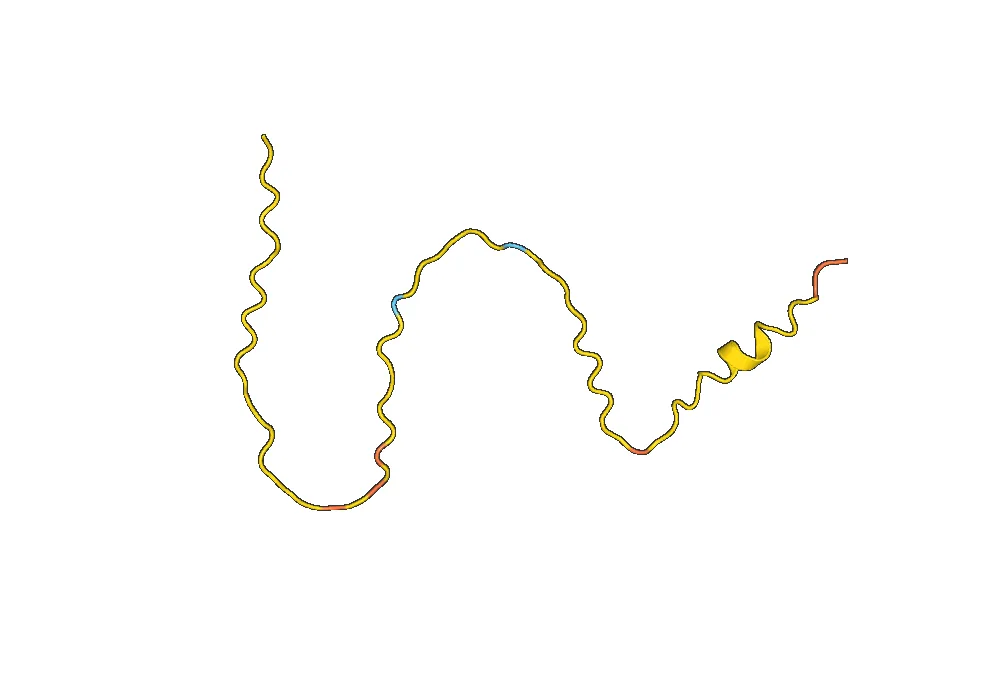
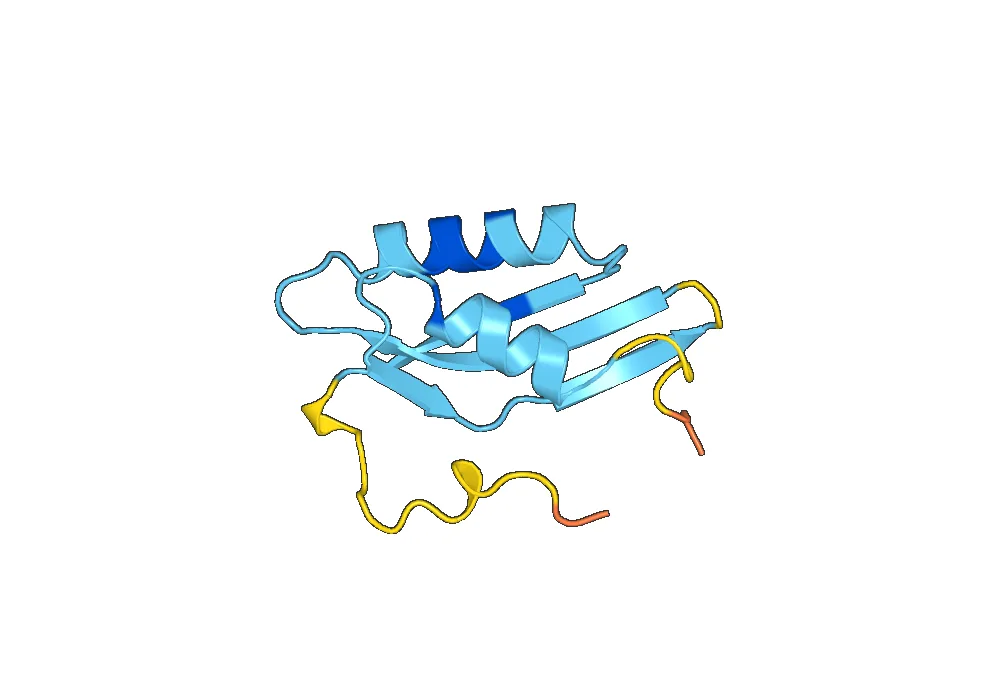
The TRIM27 gene is located on chromosome 6 in humans and consists of 13 exons. The protein product of this gene is composed of 602 amino acids with a molecular weight of approximately 69 kDa. Recombinant Human TRIM27 Protein has a tripartite motif (TRIM) structure, which is characteristic of all TRIM family proteins. This structure consists of a RING domain, a B-box domain, and a coiled-coil domain, which are responsible for protein-protein interactions and the formation of multimeric complexes.
Activity of Recombinant Human TRIM27 Protein
Recombinant Human TRIM27 Protein has been shown to have a wide range of activities in various cellular processes. One of its main functions is its role in the regulation of immune response. It has been reported that TRIM27 can act as an E3 ubiquitin ligase and target several immune signaling proteins for degradation, thereby regulating the activation of immune cells.
In addition to its role in the immune system, Recombinant Human TRIM27 Protein is also involved in cell proliferation and apoptosis. It has been shown to interact with various signaling molecules and transcription factors, modulating their activity and ultimately affecting cell growth and survival. Moreover, TRIM27 has been implicated in the development and progression of cancer, as it can regulate the expression of tumor suppressor genes and oncogenes.
Application of Recombinant Human TRIM27 Protein
Due to its diverse activities, Recombinant Human TRIM27 Protein has been studied and utilized in various fields of research. One of its main applications is in immunology, where it has been used to study the mechanisms of immune response and the development of autoimmune diseases. It has also been investigated as a potential therapeutic target for immune-related disorders.
Moreover, Recombinant Human TRIM27 Protein has been used in cancer research, as its dysregulation has been observed in various types of cancer. It has been studied as a potential biomarker for cancer diagnosis and prognosis, as well as a target for cancer therapy. Additionally, TRIM27 has been shown to play a role in viral infections, making it a potential target for antiviral therapies.
Furthermore, Recombinant Human TRIM27 Protein has been used in structural biology studies to understand its interactions with other proteins and its role in various cellular processes. It has also been utilized in drug discovery and development, as it has been shown to interact with small molecules that can modulate its activity.
Conclusion
In summary, Recombinant Human TRIM27 Protein is a multifunctional protein that plays a crucial role in immune response, cell proliferation, and apoptosis. Its tripartite motif structure and diverse activities make it a valuable tool for studying various cellular processes and its dysregulation in diseases. With its potential applications in immunology, cancer research, and drug discovery, Recombinant Human TRIM27 Protein continues to be an important protein in the field of biomedicine.


There are no reviews yet.