Introduction
Recombinant Human VDAC2 (voltage-dependent anion channel 2) protein is a key player in the transport of metabolites and ions across the mitochondrial outer membrane. This protein is encoded by the VDAC2 gene and is expressed in various tissues, including the brain, heart, and skeletal muscle. Recombinant Human VDAC2 protein has been extensively studied for its structure, activity, and potential applications in various fields.
Structure of Recombinant Human VDAC2 Protein
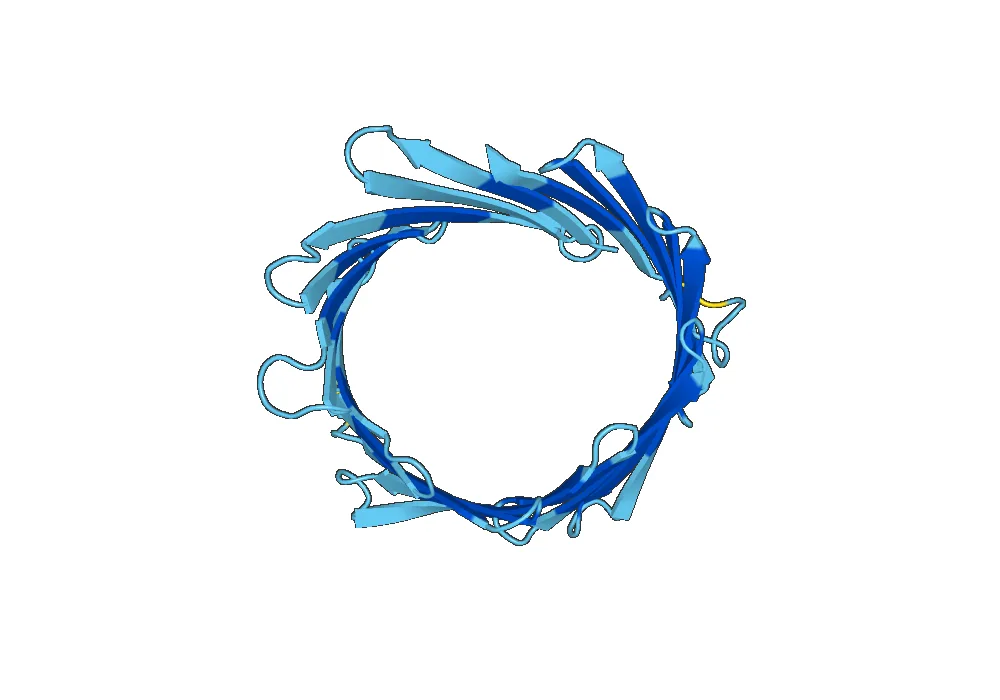
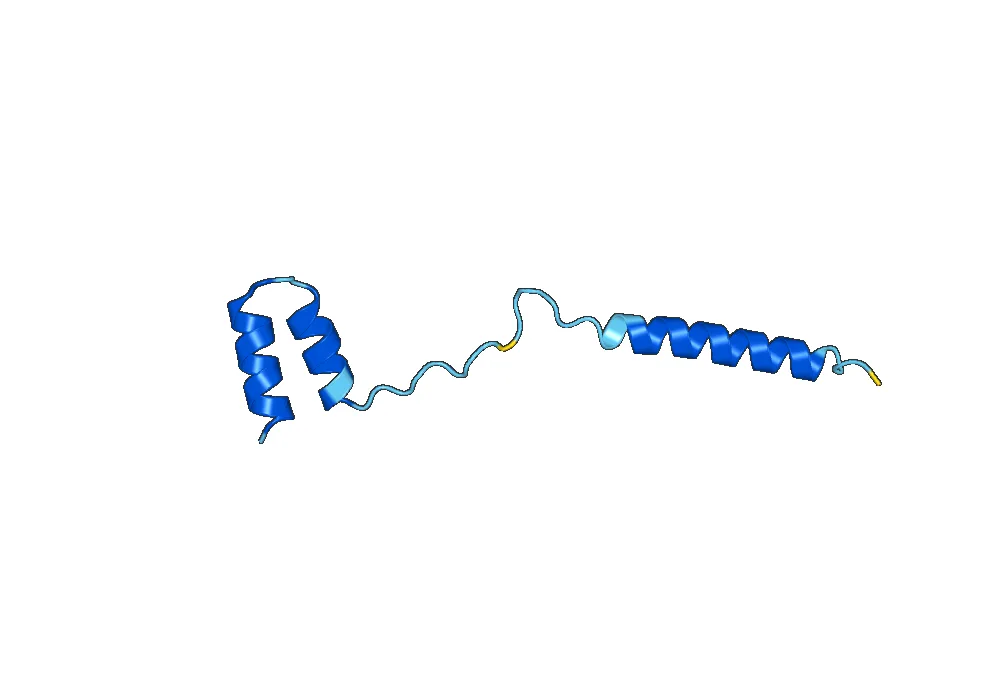
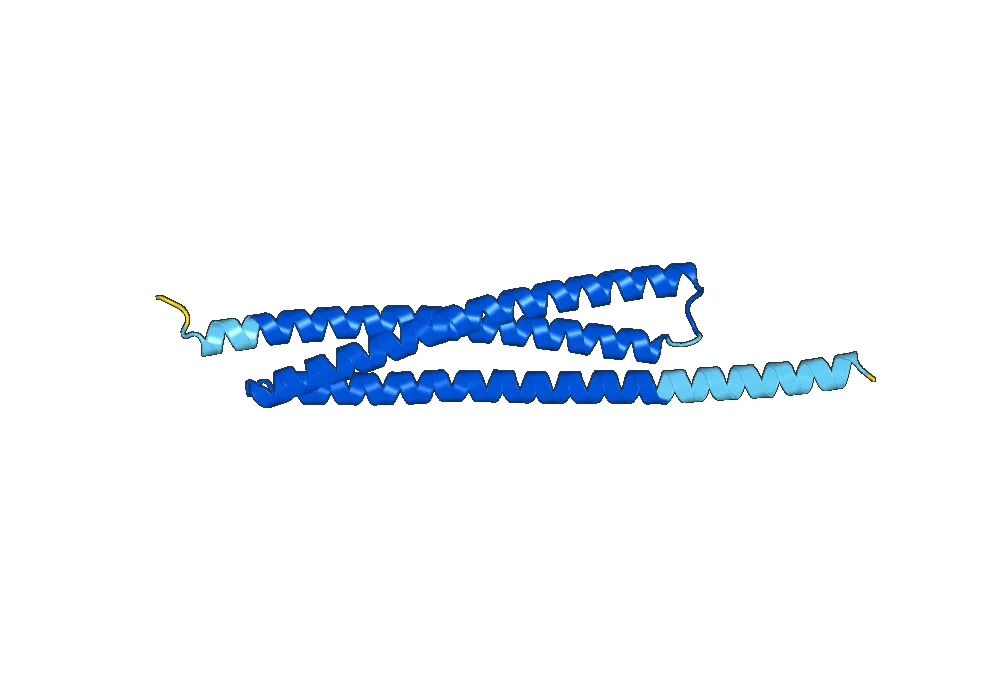
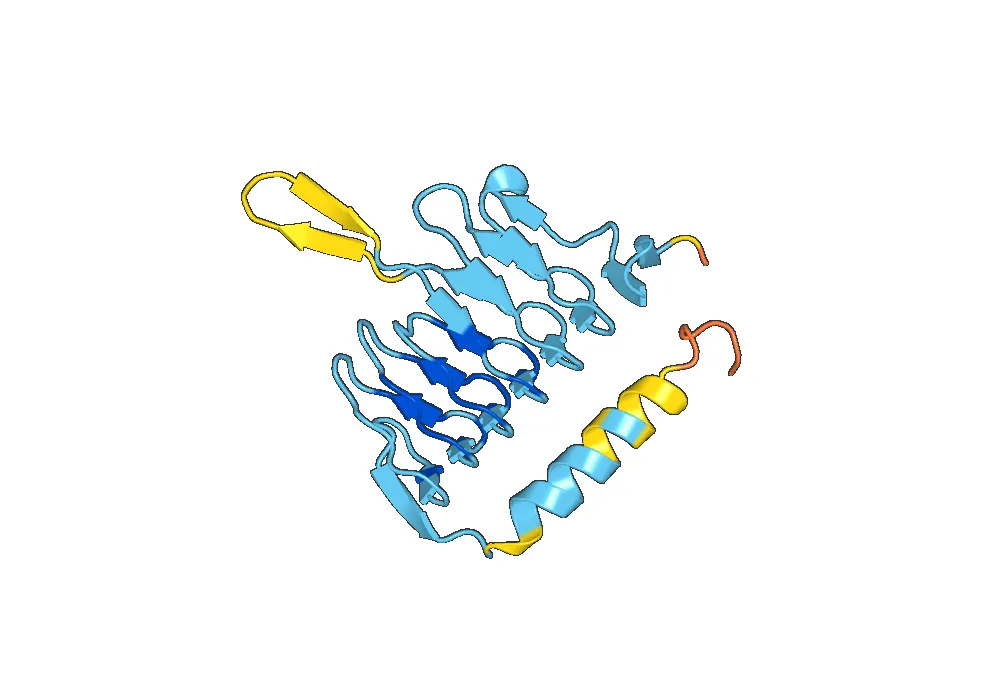
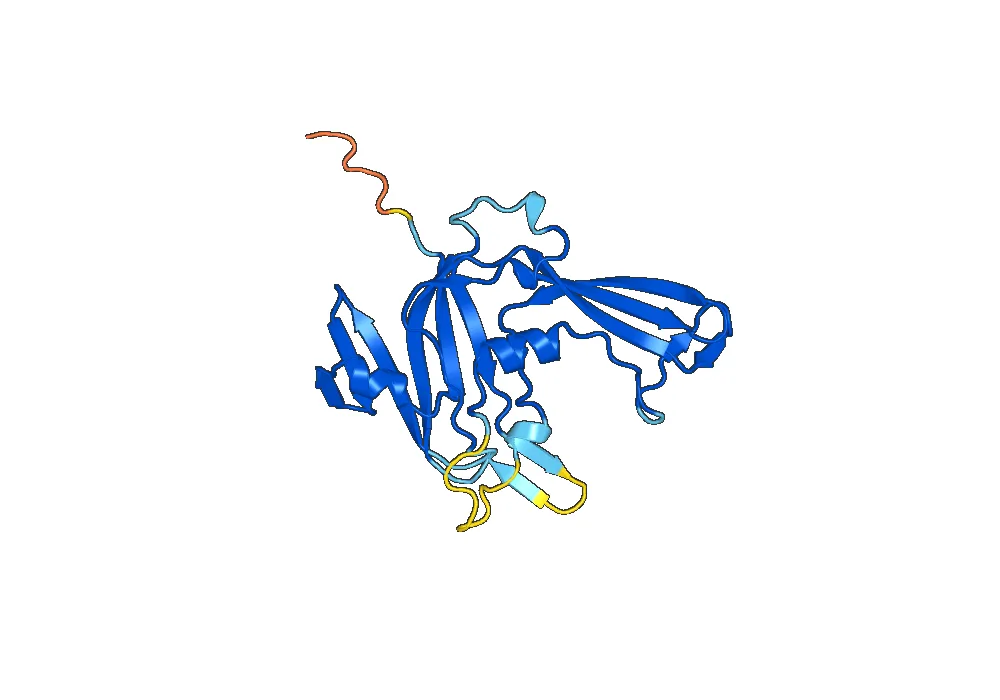
Recombinant Human VDAC2 protein is a transmembrane protein that consists of 282 amino acids with a molecular weight of approximately 31 kDa. It is composed of three domains: the N-terminal domain, the central transmembrane domain, and the C-terminal domain. The N-terminal domain has a helical structure, while the transmembrane domain contains a beta-barrel structure with 19 beta-strands. The C-terminal domain is less structured and contains a flexible loop region.
Activity of Recombinant Human VDAC2 Protein
Recombinant Human VDAC2 protein is a highly active channel that plays a crucial role in the transport of metabolites and ions across the mitochondrial outer membrane. It acts as a gatekeeper, regulating the flow of molecules into and out of the mitochondria. This protein has been shown to transport a wide range of metabolites, including ATP, ADP, NADH, and pyruvate, as well as ions such as Ca2+, K+, and Cl-. Its activity is regulated by changes in membrane potential and the presence of various ligands.
Application of Recombinant Human VDAC2 Protein
Recombinant Human VDAC2 protein has been extensively studied for its potential applications in various fields, including medicine, biotechnology, and bioenergy.
Medicine
Recombinant Human VDAC2 protein has been implicated in various diseases, including cancer, neurodegenerative disorders, and metabolic disorders. Its role in regulating cell metabolism and apoptosis has made it a potential target for therapeutic interventions. Studies have shown that modulating the activity of VDAC2 can have a significant impact on the progression of diseases, making it a promising target for drug development.
Biotechnology
Recombinant Human VDAC2 protein has been used in biotechnology for its ability to transport molecules across the mitochondrial outer membrane. This protein has been incorporated into artificial lipid bilayers to create synthetic channels for the transport of metabolites and ions. It has also been used in the development of biosensors for the detection of various molecules, including glucose and lactate.
Bioenergy
Recombinant Human VDAC2 protein has been studied for its potential use in bioenergy production. Its ability to transport metabolites and ions across the mitochondrial outer membrane has been harnessed to develop biofuel cells. These cells use VDAC2 to generate electricity from the breakdown of glucose, making it a promising candidate for sustainable energy production.
Conclusion
Recombinant Human VDAC2 protein is a highly active channel that plays a crucial role in the transport of metabolites and ions across the mitochondrial outer membrane. Its structure, activity, and potential applications have been extensively studied, making it a promising target for therapeutic interventions, biotechnology, and bioenergy production. Further research on this protein could lead to significant advancements in various fields and improve our understanding of its role in health and disease.

There are no reviews yet.