Introduction
Recombinant mouse AHSG protein, also known as alpha-2-HS-glycoprotein, is a glycoprotein that is encoded by the AHSG gene in mice. It is a member of the cystatin superfamily and is primarily produced by hepatocytes in the liver. Recombinant mouse AHSG protein is widely used in scientific research due to its unique structure, diverse functions, and potential therapeutic applications.
Structure of Recombinant Mouse AHSG Protein
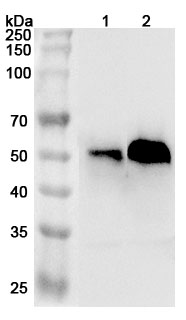
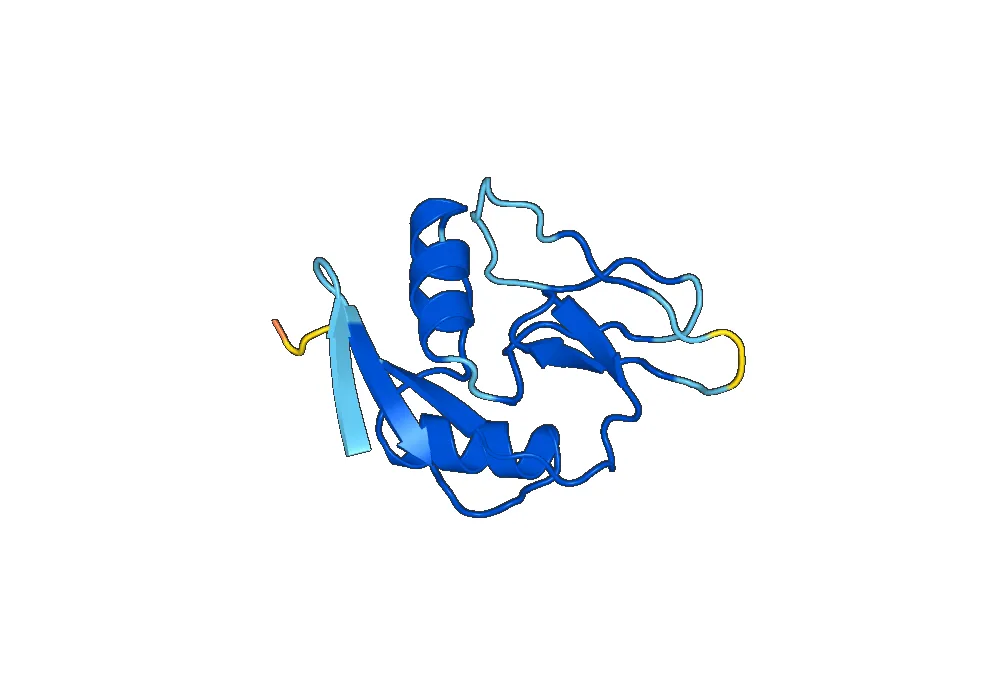
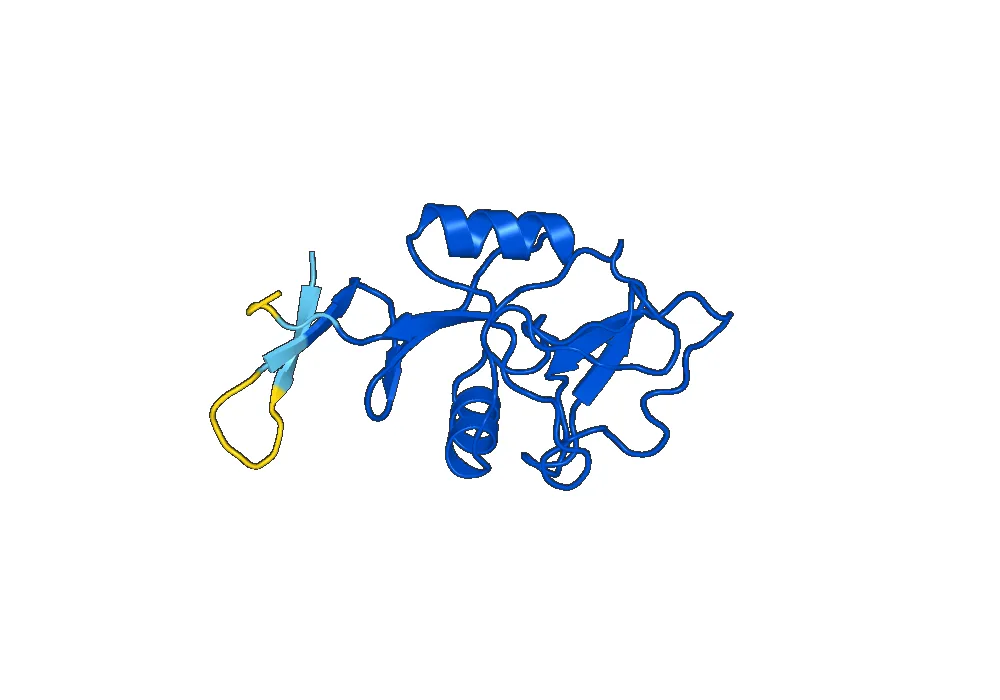
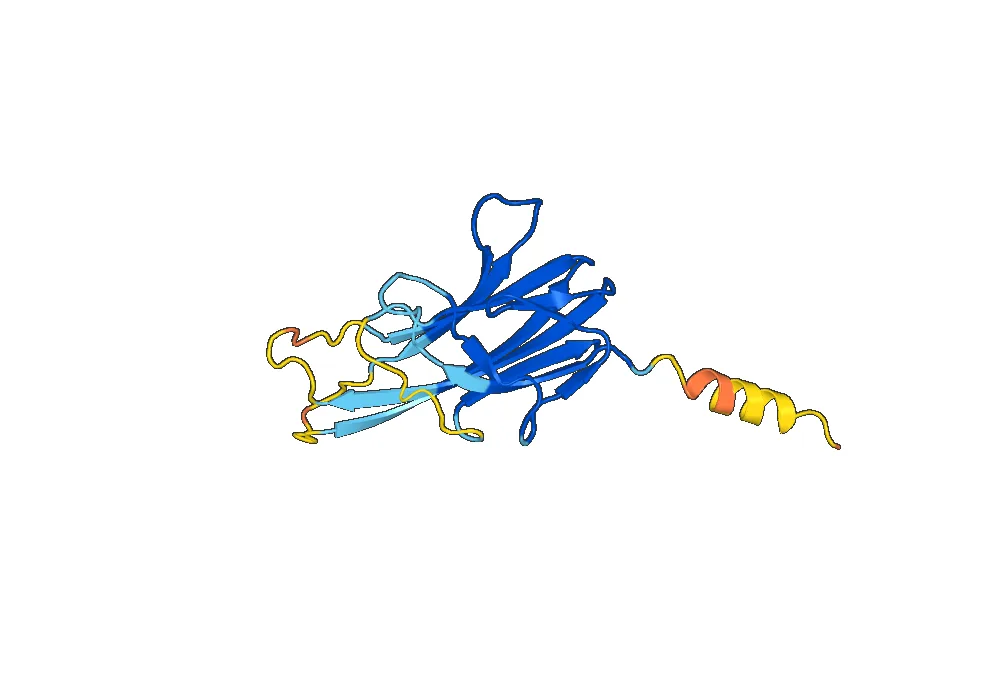
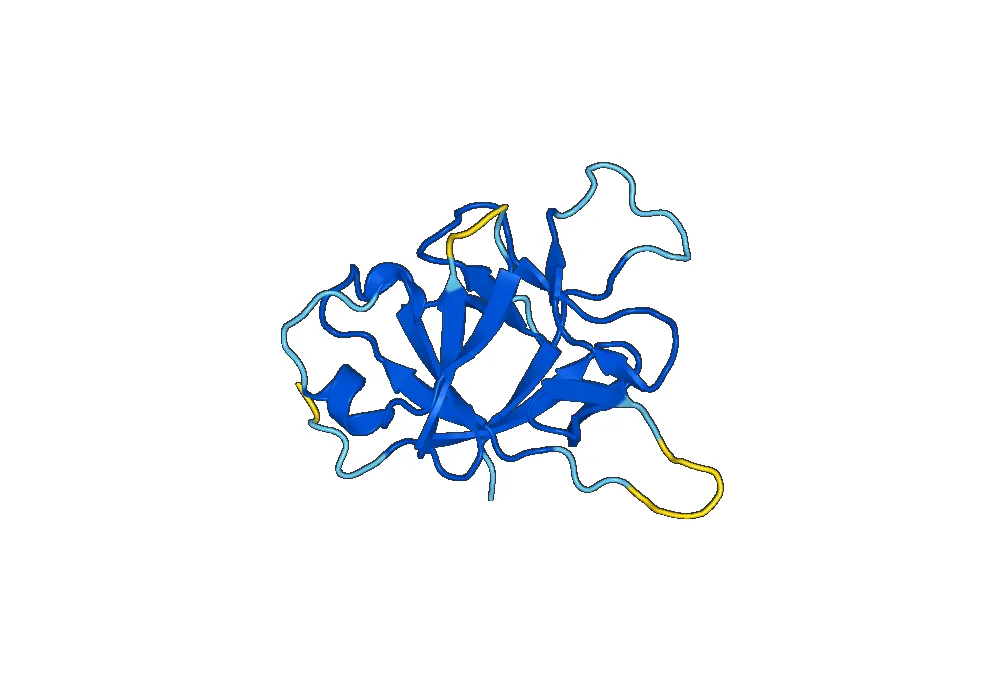
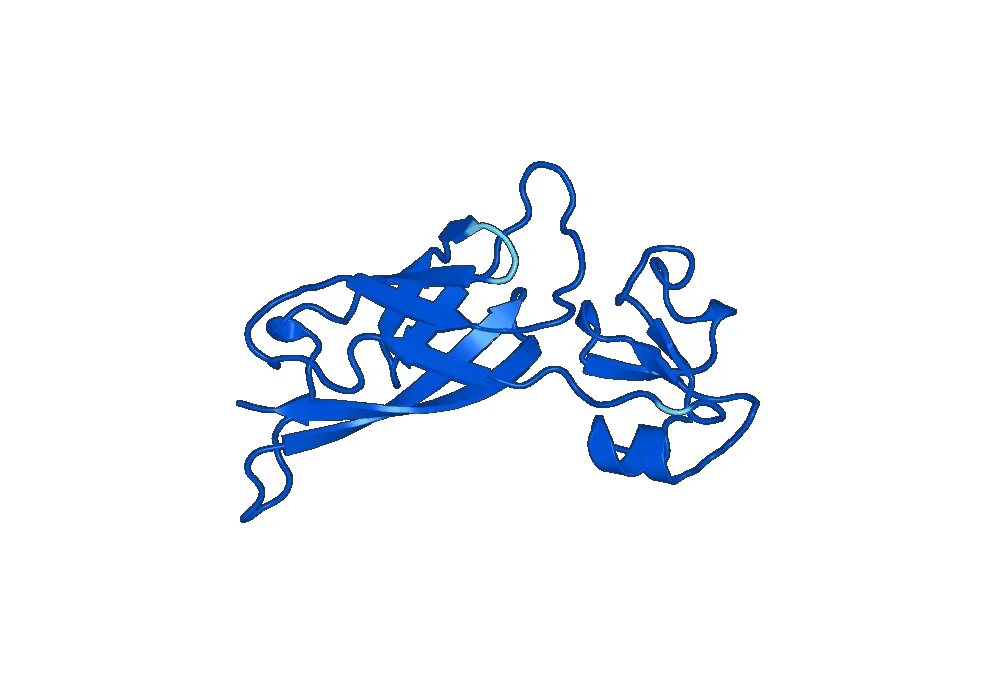
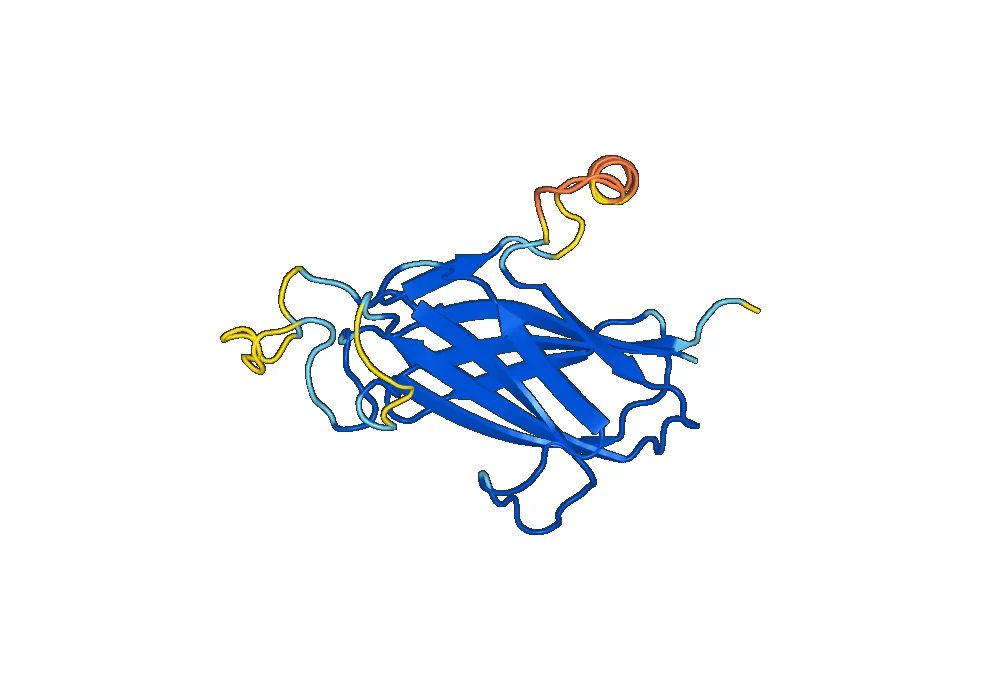
Recombinant mouse AHSG protein is a single-chain polypeptide consisting of 367 amino acids with a molecular weight of approximately 40 kDa. It contains two domains, an N-terminal cystatin-like domain and a C-terminal domain with a high content of acidic amino acids. The cystatin-like domain is responsible for the inhibitory activity of the protein, while the acidic domain is involved in its calcium-binding properties.
The structure of recombinant mouse AHSG protein is highly conserved among different species, with a sequence identity of 80% between mouse and human AHSG proteins. It also has a high degree of structural homology with other members of the cystatin superfamily, such as cystatin C and kininogen.
Activity of Recombinant Mouse AHSG Protein
Recombinant mouse AHSG protein has multiple functions in the body, including regulating mineral metabolism, inhibiting protease activity, and modulating immune responses. Its main activity is its ability to bind to calcium ions, which plays a crucial role in maintaining calcium homeostasis in the body.
In addition, recombinant mouse AHSG protein has been shown to inhibit the activity of various proteases, including cathepsins, trypsin, and chymotrypsin. This inhibitory activity is mediated by its cystatin-like domain, which binds to the active site of these enzymes, preventing them from degrading proteins.
Moreover, recombinant mouse AHSG protein has been found to modulate immune responses by interacting with immune cells and cytokines. It has been shown to inhibit the production of pro-inflammatory cytokines, such as interleukin-6 and tumor necrosis factor-alpha, and promote the production of anti-inflammatory cytokines, such as interleukin-10.
Application of Recombinant Mouse AHSG Protein
Recombinant mouse AHSG protein has a wide range of potential applications in both basic research and clinical settings. Its ability to bind to calcium ions and inhibit protease activity makes it a valuable tool for studying mineral metabolism and protein degradation pathways.
Furthermore, recombinant mouse AHSG protein has been investigated as a potential therapeutic agent for various diseases. It has been shown to have anti-inflammatory effects in animal models of inflammatory diseases, such as rheumatoid arthritis and inflammatory bowel disease. It has also been proposed as a potential treatment for osteoporosis, as it can regulate bone mineralization and prevent bone loss.
In addition, recombinant mouse AHSG protein has been studied as a potential biomarker for various conditions, including liver diseases, diabetes, and cardiovascular diseases. Changes in the levels of AHSG protein in the blood have been associated with these diseases, making it a promising candidate for diagnostic and prognostic purposes.
Conclusion
Recombinant mouse AHSG protein is a versatile and important protein in scientific research. Its unique structure and diverse functions make it a valuable tool for studying various biological processes and potential therapeutic applications. With ongoing research, the potential of recombinant mouse AHSG protein in medicine and biology is continuously expanding, making it an essential protein for scientists and clinicians alike.


There are no reviews yet.