Introduction
Recombinant Mouse JAG2 Protein, also known as Jagged2, is a type 1 transmembrane protein that belongs to the Delta-Serrate-Lag2 (DSL) family of Notch ligands. It is encoded by the JAG2 gene and is highly conserved among species, including humans and mice. Recombinant Mouse JAG2 Protein is produced through recombinant DNA technology, making it a valuable tool in various biological and biomedical research applications.
Structure of Recombinant Mouse JAG2 Protein
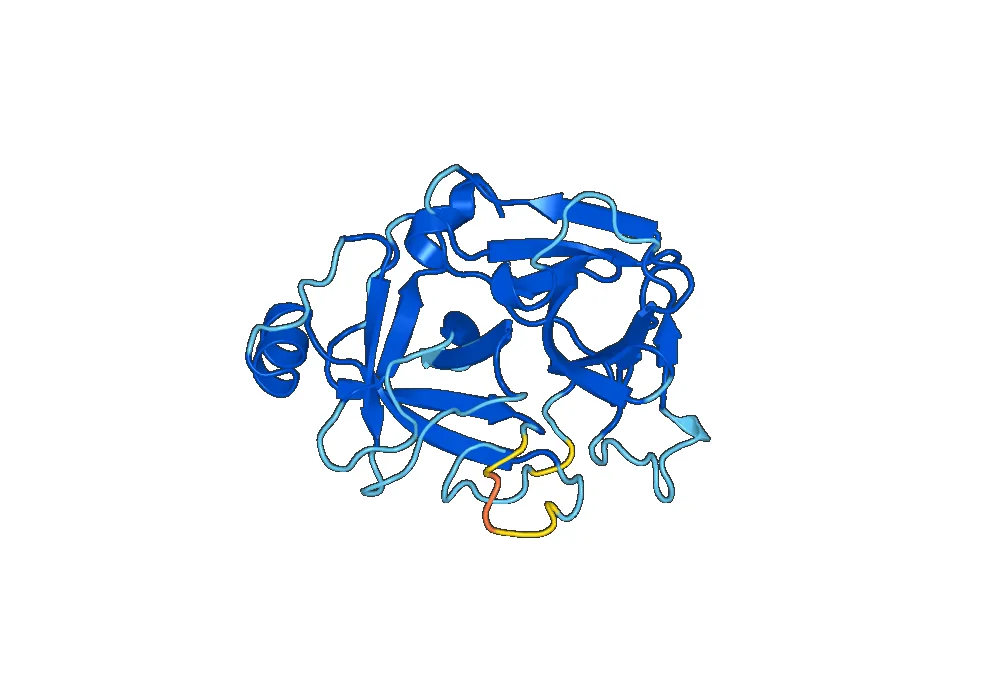
Recombinant Mouse JAG2 Protein is a 1243 amino acid protein with a predicted molecular weight of approximately 140 kDa. It contains a large extracellular domain, a single transmembrane domain, and a short intracellular domain. The extracellular domain of JAG2 consists of a conserved DSL domain, which is responsible for binding to Notch receptors, and multiple EGF-like repeats, which are involved in protein-protein interactions. The intracellular domain of JAG2 contains a conserved PDZ-binding motif, which is important for signaling and protein trafficking.
Activity of Recombinant Mouse JAG2 Protein
Recombinant Mouse JAG2 Protein plays a critical role in the Notch signaling pathway, which is a highly conserved signaling pathway involved in cell fate determination, proliferation, and differentiation. JAG2 binds to Notch receptors, specifically Notch1, Notch2, and Notch3, on neighboring cells, triggering a series of proteolytic cleavages that ultimately result in the release of the Notch intracellular domain (NICD). The NICD then translocates to the nucleus and activates target gene expression, leading to various cellular responses.
In addition to its role in Notch signaling, Recombinant Mouse JAG2 Protein has been shown to have other activities. It has been reported to interact with other proteins, such as Deltex and MINT, which are involved in regulating Notch signaling. JAG2 has also been found to play a role in cell adhesion and migration, as well as in the development and maintenance of various tissues and organs, including the heart, lungs, and nervous system.
Applications of Recombinant Mouse JAG2 Protein
Recombinant Mouse JAG2 Protein has a wide range of applications in both basic research and drug development. Its ability to activate the Notch signaling pathway makes it a valuable tool for studying cell fate determination, proliferation, and differentiation. JAG2 has also been implicated in various diseases, such as cancer, cardiovascular diseases, and neurodegenerative disorders, making it a potential therapeutic target.
One of the major applications of Recombinant Mouse JAG2 Protein is in the study of Notch-related diseases. By using recombinant JAG2 protein, researchers can manipulate the Notch signaling pathway and study its role in disease development and progression. This can lead to a better understanding of the underlying mechanisms and potential therapeutic interventions.
Recombinant Mouse JAG2 Protein is also commonly used in cell-based assays to study the effects of Notch signaling on cell behavior. It can be used to induce Notch signaling in cells and observe the resulting cellular responses. This allows researchers to investigate the role of JAG2 in various cellular processes and pathways.
Furthermore, Recombinant Mouse JAG2 Protein has potential applications in drug development. As JAG2 is involved in various diseases, targeting it with specific inhibitors or agonists could have therapeutic benefits. Recombinant JAG2 protein can be used in high-throughput screening assays to identify potential drug candidates that modulate the Notch signaling pathway.
Conclusion
In summary, Recombinant Mouse JAG2 Protein is a crucial component of the Notch signaling pathway and has various activities and applications in scientific research. Its structure, activity, and role in disease make it a valuable tool for studying cellular processes and developing potential therapeutics. With its wide range of applications, Recombinant Mouse JAG2 Protein continues to be an important


There are no reviews yet.