Introduction
Recombinant Mouse METRNL/Subfatin Protein is a novel protein that has recently gained attention in the scientific community due to its unique structure and potential therapeutic applications. This protein is a member of the Meteorin-like family and is also known as Subfatin due to its ability to regulate lipid metabolism. In this article, we will explore the structure, activity, and potential applications of this recombinant protein.
Structure of Recombinant Mouse METRNL/Subfatin Protein
Recombinant Mouse METRNL/Subfatin Protein is a 34 kDa protein that is composed of 309 amino acids. It contains a conserved domain known as the Meteorin-like domain, which is essential for its biological activity. This protein is highly conserved among different species, with a 94% sequence identity between human and mouse METRNL/Subfatin protein.
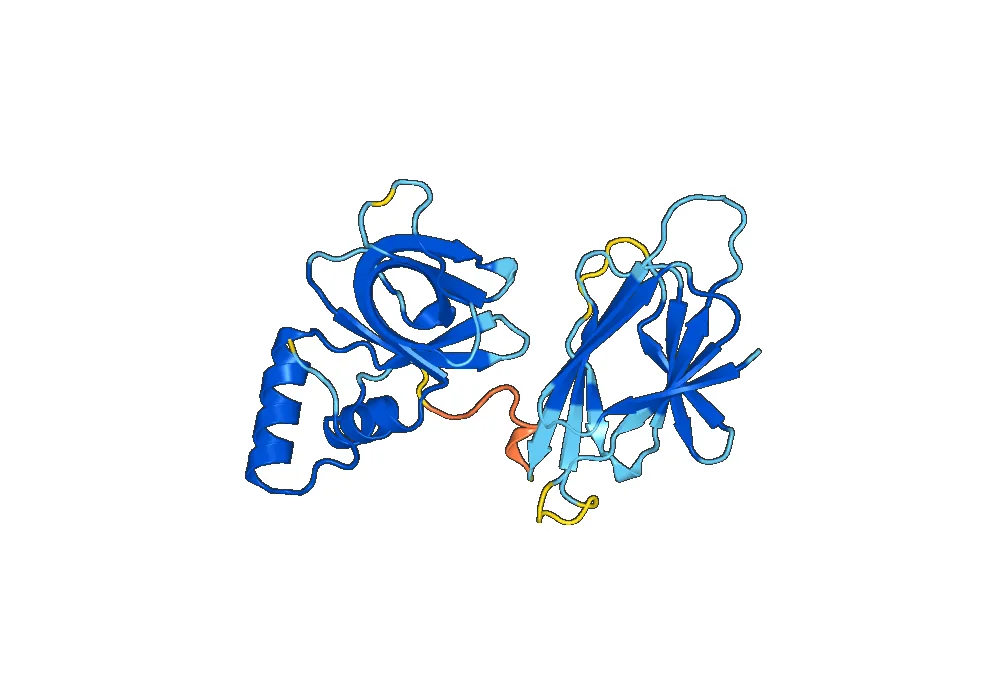
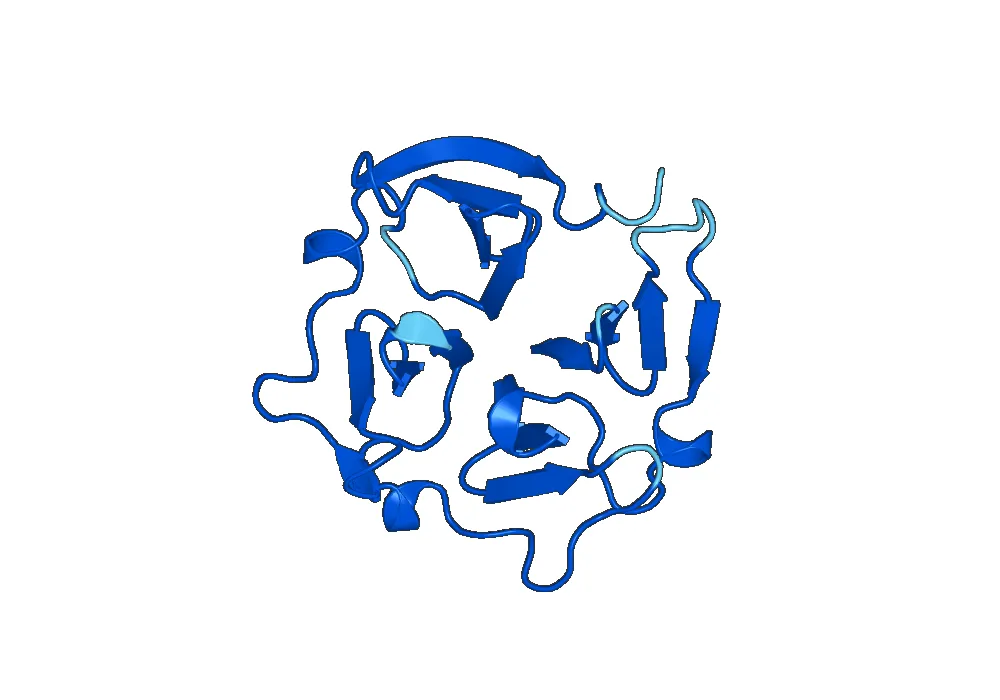
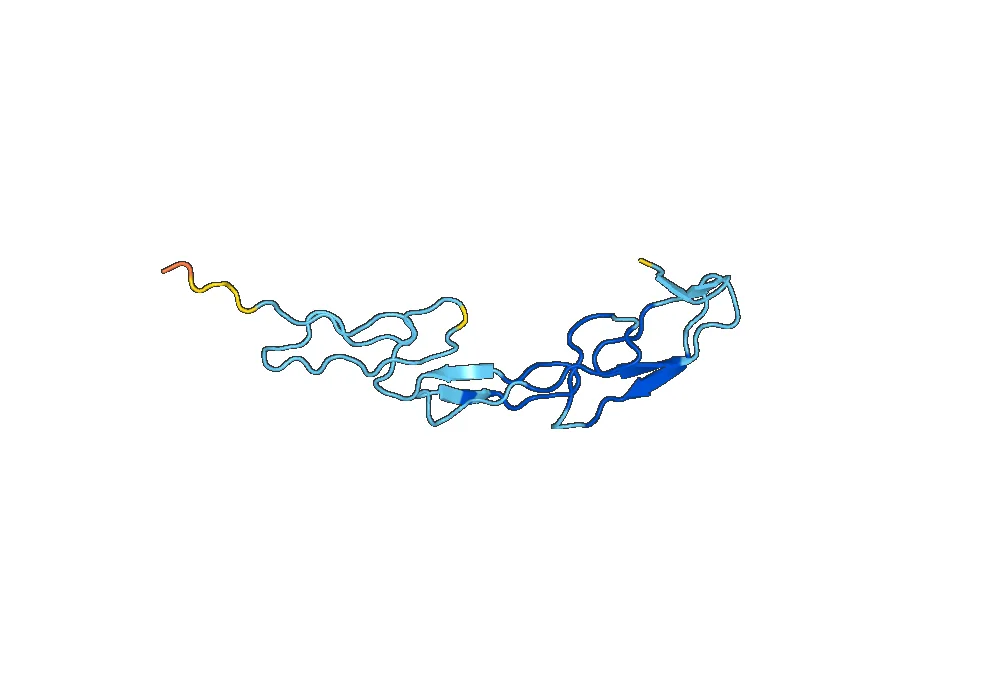
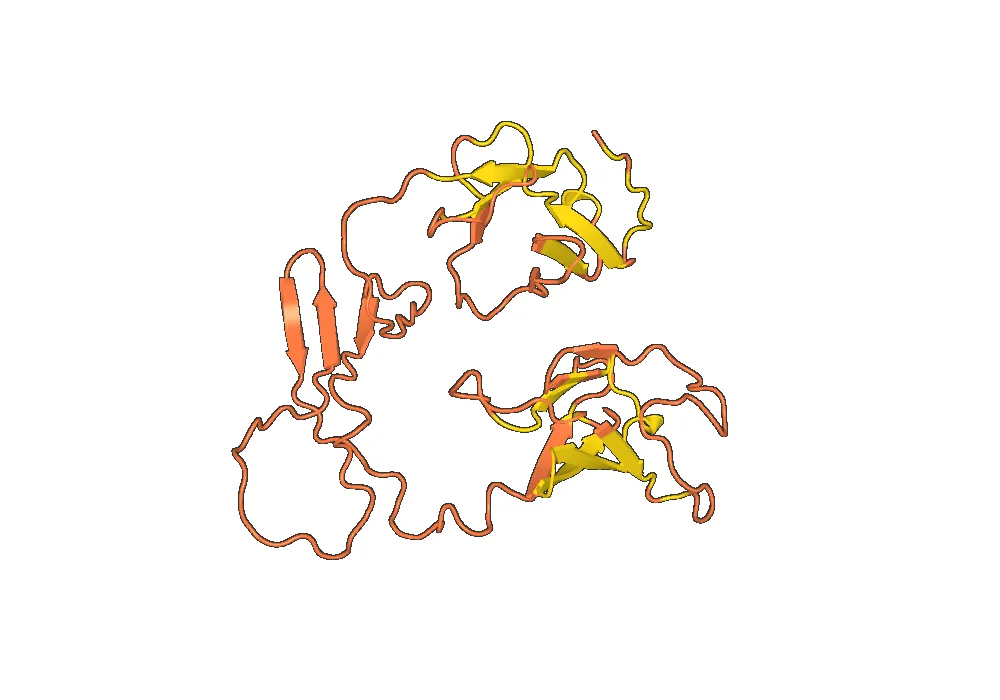
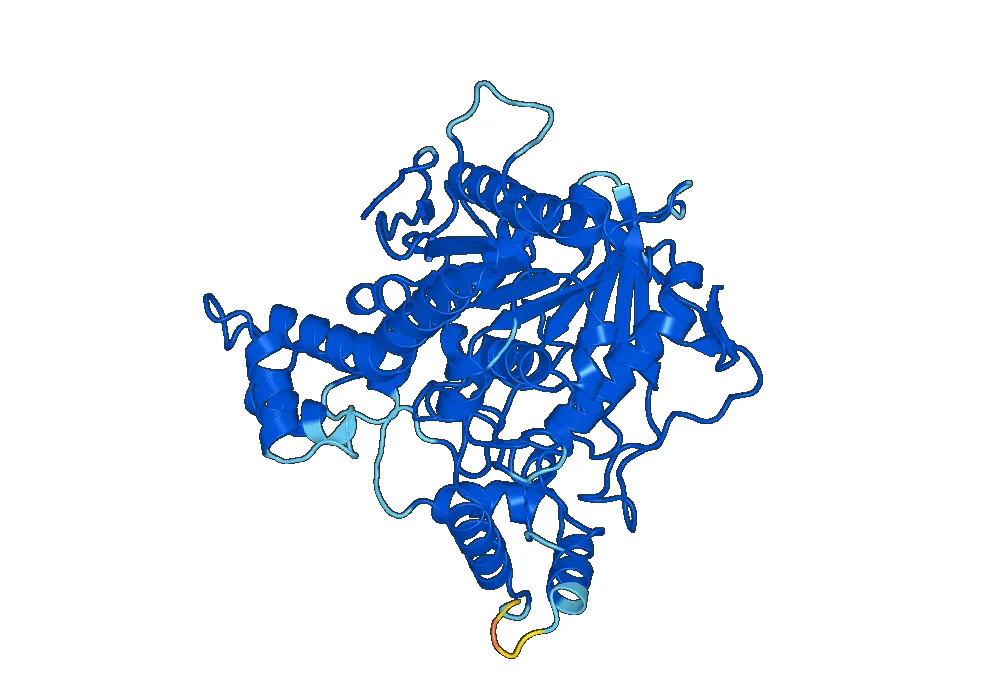
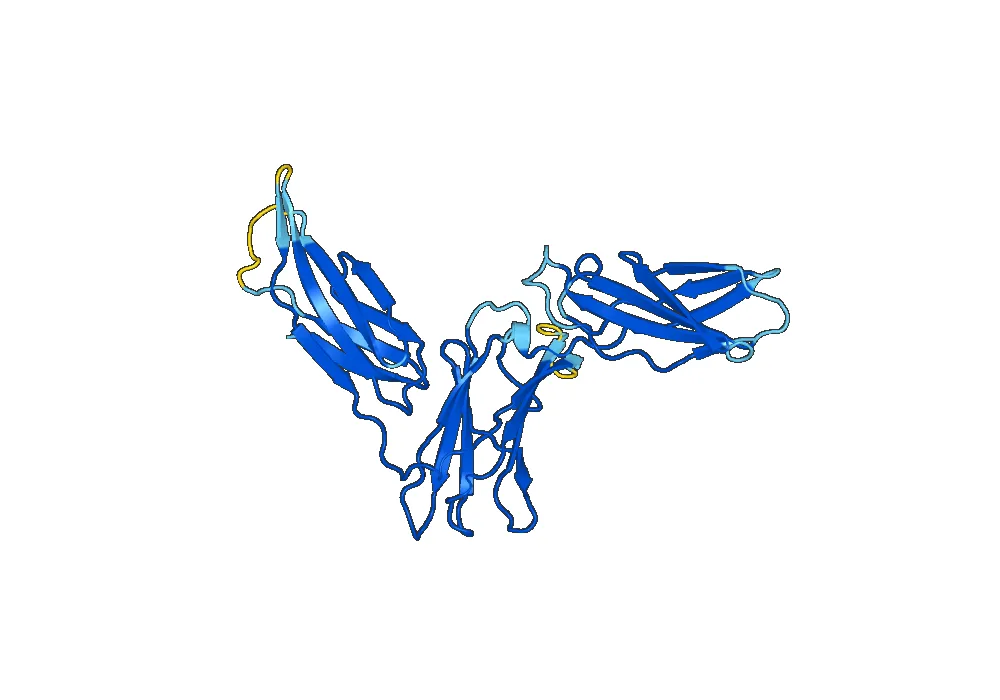
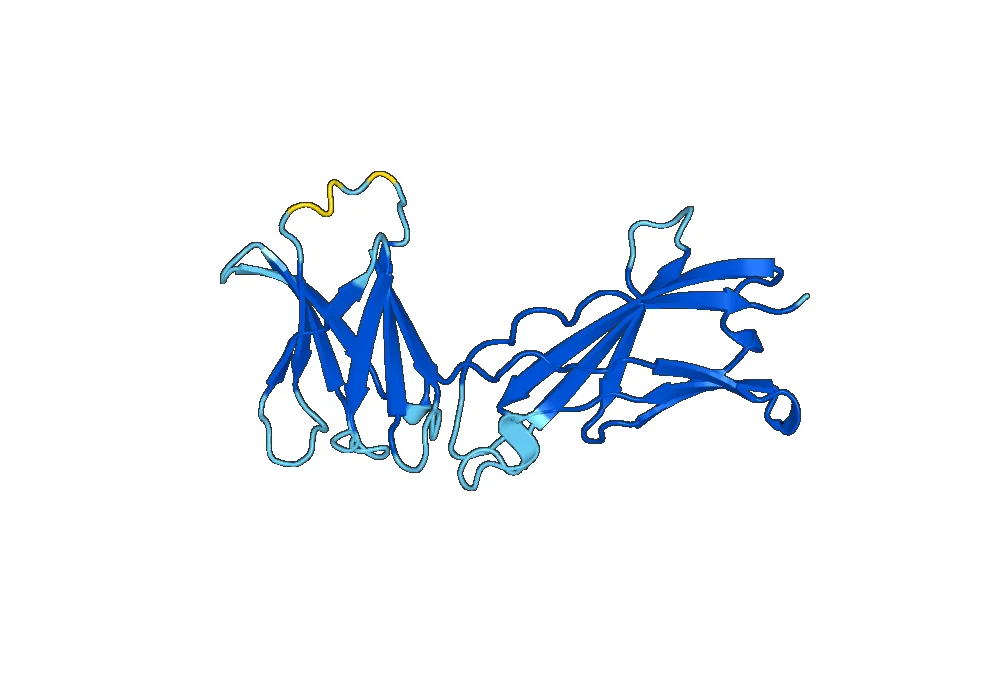
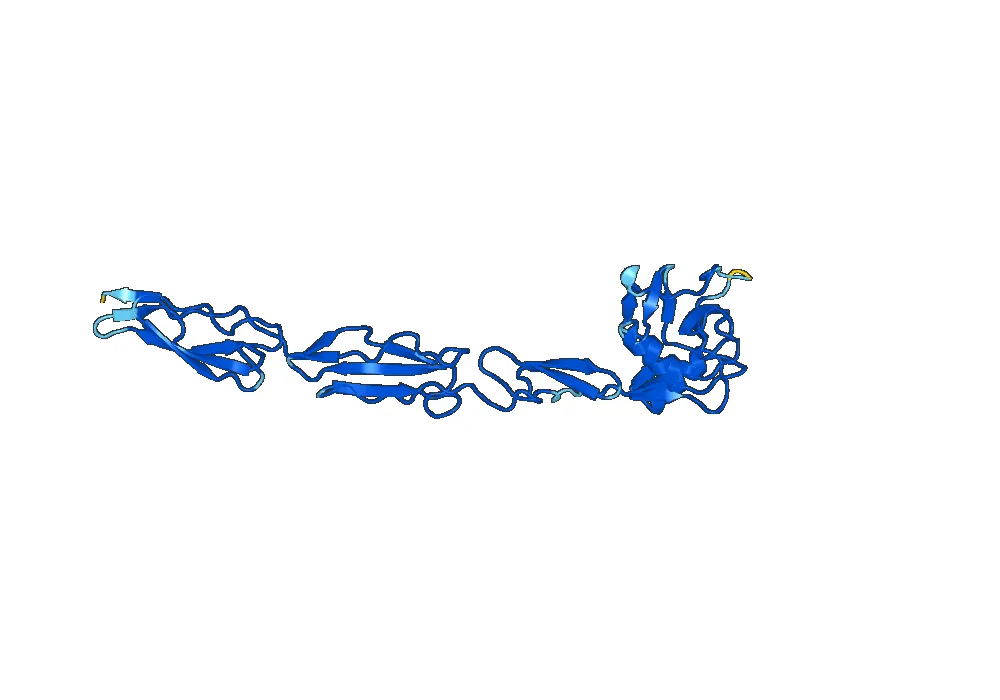
The structure of this protein has been studied using X-ray crystallography, revealing a unique three-dimensional structure. It contains two alpha-helices and four beta-sheets, which are arranged in a Greek key motif. This structural arrangement is crucial for its binding to its receptor and subsequent signaling activity.
Activity of Recombinant Mouse METRNL/Subfatin Protein
Recombinant Mouse METRNL/Subfatin Protein has been shown to have multiple activities in different tissues and organs. It is primarily known for its role in regulating lipid metabolism and energy homeostasis. Studies have shown that this protein can increase the expression of genes involved in fatty acid oxidation and decrease the expression of genes involved in lipid synthesis, ultimately leading to a reduction in fat accumulation.
In addition to its metabolic effects, recombinant Mouse METRNL/Subfatin Protein has also been shown to have anti-inflammatory and neuroprotective properties. It can suppress the production of pro-inflammatory cytokines and promote the survival of neurons in the brain. This makes it a potential therapeutic target for conditions such as obesity, diabetes, and neurodegenerative diseases.
Application of Recombinant Mouse METRNL/Subfatin Protein
The unique structure and diverse activities of Recombinant Mouse METRNL/Subfatin Protein make it a promising candidate for various therapeutic applications. One of the most significant potential applications is in the treatment of obesity and metabolic disorders. By regulating lipid metabolism, this protein could potentially be used to reduce fat accumulation and improve insulin sensitivity in obese individuals.
Another potential application of recombinant Mouse METRNL/Subfatin Protein is in the treatment of neurodegenerative diseases. Its neuroprotective properties make it a potential candidate for the treatment of conditions such as Alzheimer’s and Parkinson’s disease. It could also be used to promote neuronal survival and repair in cases of brain injury.
Furthermore, recombinant Mouse METRNL/Subfatin Protein has been shown to have potential anti-cancer effects. Studies have demonstrated its ability to inhibit the growth of cancer cells and promote their death, making it a potential candidate for cancer therapy.
Conclusion
In summary, Recombinant Mouse METRNL/Subfatin Protein is a unique protein with a conserved structure and diverse activities. Its role in regulating lipid metabolism, anti-inflammatory and neuroprotective properties make it a promising candidate for various therapeutic applications. Further research and clinical trials are needed to fully understand the potential of this recombinant protein and its role in treating various diseases.

There are no reviews yet.