Introduction
Recombinant proteins have become essential tools in various fields of research and medicine due to their ability to mimic natural proteins and their potential for therapeutic and diagnostic applications. One such protein is Recombinant Mouse CD23/FCER2, which plays a crucial role in the immune system. In this article, we will delve into the structure, activity, and applications of this recombinant protein.
Structure of Recombinant Mouse CD23/FCER2 Protein
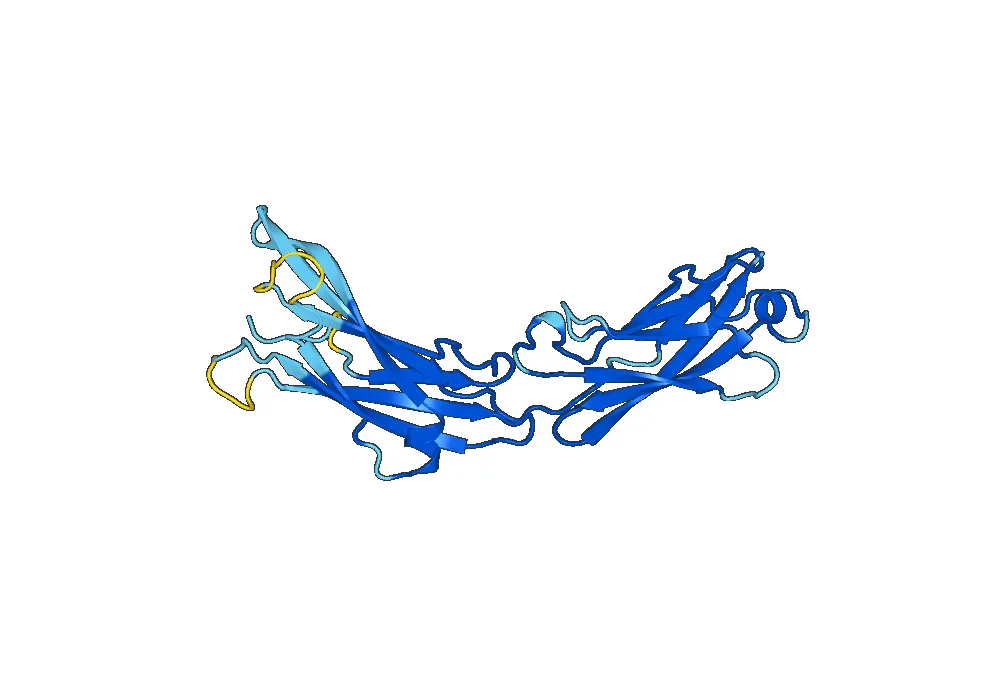
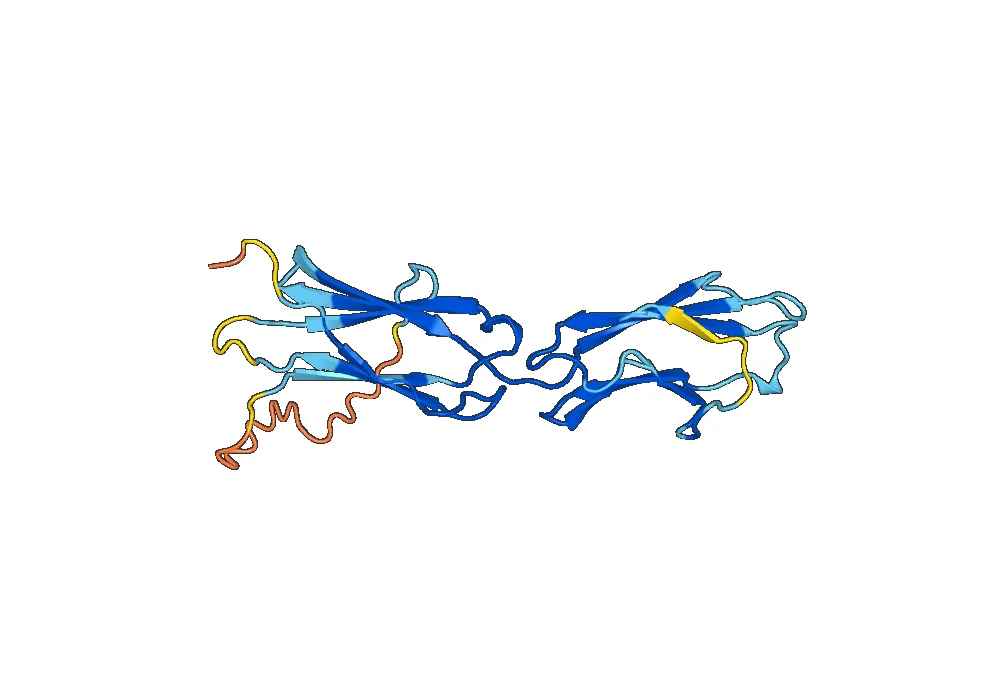
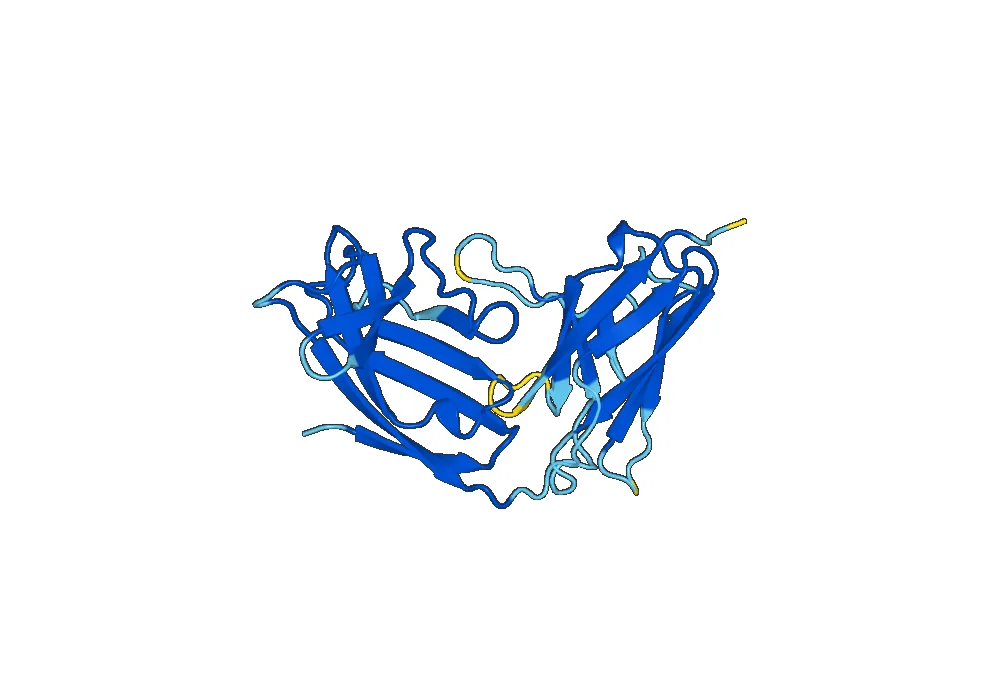
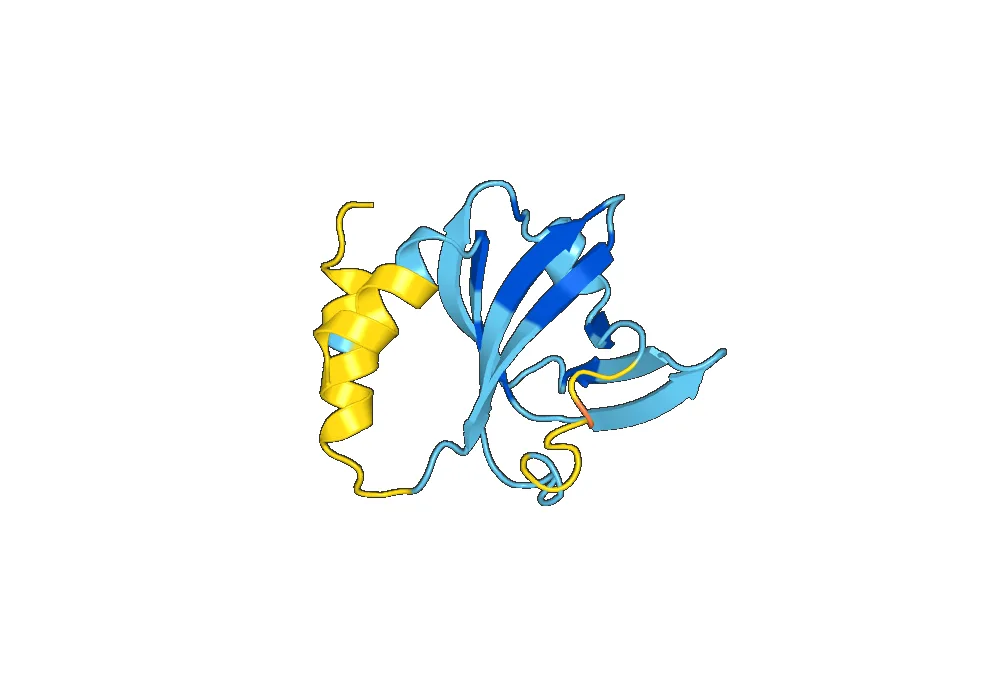
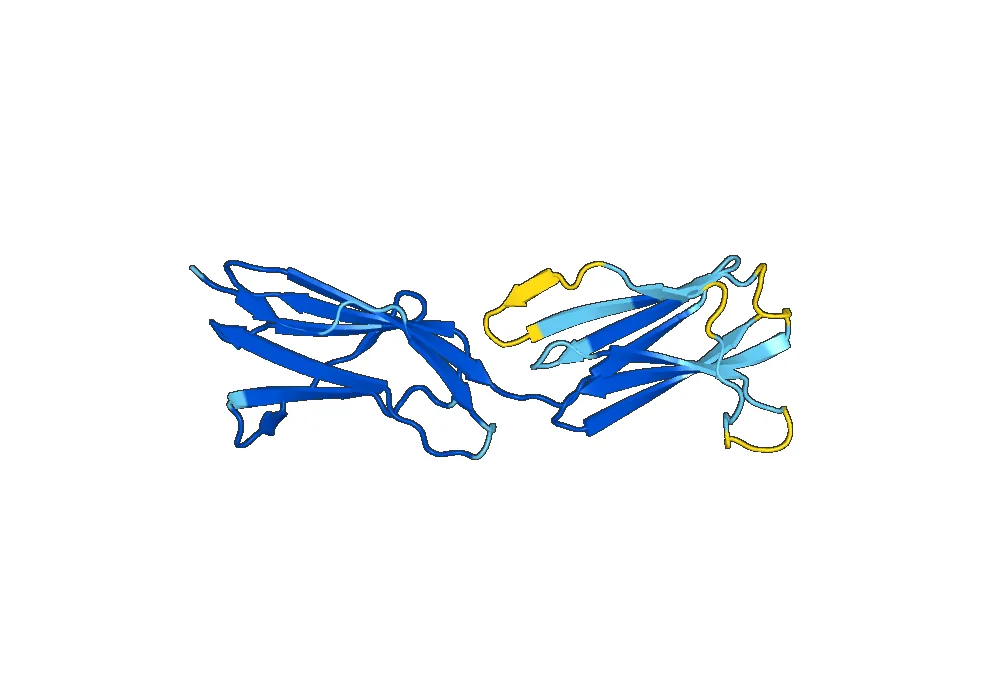
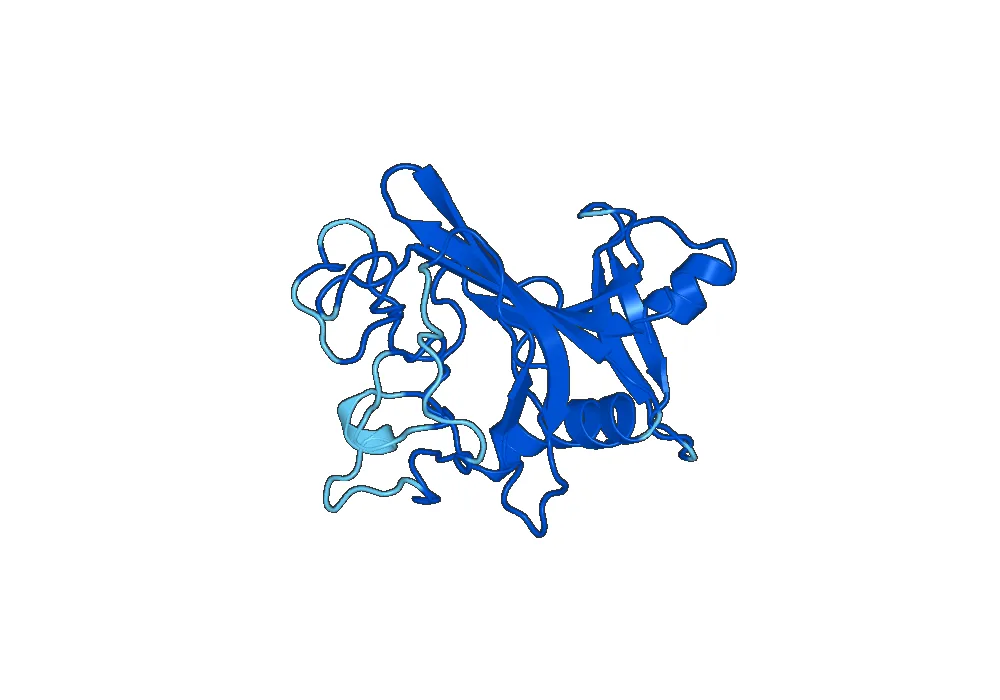
The Recombinant Mouse CD23/FCER2 Protein is a glycoprotein that belongs to the C-type lectin family. It is composed of two subunits, a 45 kDa α-chain and a 20 kDa β-chain, linked by disulfide bonds. The α-chain contains a large extracellular domain, a transmembrane domain, and a short cytoplasmic tail. The β-chain has a single transmembrane domain and a cytoplasmic tail with signaling motifs.
The extracellular domain of Recombinant Mouse CD23/FCER2 contains a lectin-like domain, which is responsible for its binding to specific carbohydrate structures. It also has an Ig-like domain, which is involved in receptor dimerization and ligand binding. The cytoplasmic tail of the protein contains immunoreceptor tyrosine-based activation motifs (ITAMs), which play a crucial role in signal transduction.
Activity of Recombinant Mouse CD23/FCER2 Protein
Recombinant Mouse CD23/FCER2 Protein is primarily expressed on the surface of B cells and follicular dendritic cells. It functions as a low-affinity receptor for IgE and plays a critical role in the regulation of IgE production and allergic responses. When IgE binds to the receptor, it triggers a signaling cascade that leads to the activation of B cells and the production of IgE antibodies.
In addition to its role in IgE regulation, Recombinant Mouse CD23/FCER2 Protein also has immunomodulatory functions. It can bind to and internalize antigens, presenting them to T cells for immune recognition. It can also interact with other immune cells, such as macrophages and natural killer cells, to regulate their activity.
Application of Recombinant Mouse CD23/FCER2 Protein
The unique structure and activity of Recombinant Mouse CD23/FCER2 Protein make it a valuable tool in various research and medical applications. One of its primary uses is in the study of allergic diseases. By studying the interactions between IgE and the receptor, researchers can gain a better understanding of the mechanisms behind allergic responses and develop potential treatments.
Recombinant Mouse CD23/FCER2 Protein has also been used in the development of diagnostic tools for allergies. It can be used to detect the presence of IgE antibodies in patient samples, aiding in the diagnosis of allergies and monitoring of treatment effectiveness.
Furthermore, Recombinant Mouse CD23/FCER2 Protein has shown potential as a therapeutic target for allergies and other immune disorders. By blocking the receptor’s activity, it may be possible to reduce IgE production and alleviate allergic symptoms.
Conclusion
In summary, Recombinant Mouse CD23/FCER2 Protein is a glycoprotein with a complex structure and diverse functions. Its role in IgE regulation and immunomodulation makes it a valuable tool in various research and medical applications. Further studies on this protein may lead to a better understanding of immune disorders and the development of new treatments.

There are no reviews yet.