Introduction
Recombinant Mouse CTSB Protein is a synthetic form of the cathepsin B enzyme, which is found in the lysosomes of mammalian cells. This protein is produced through genetic engineering techniques, making it a valuable tool for various research and diagnostic applications. In this article, we will delve into the structure, activity, and potential applications of this recombinant protein.
Structure of Recombinant Mouse CTSB Protein
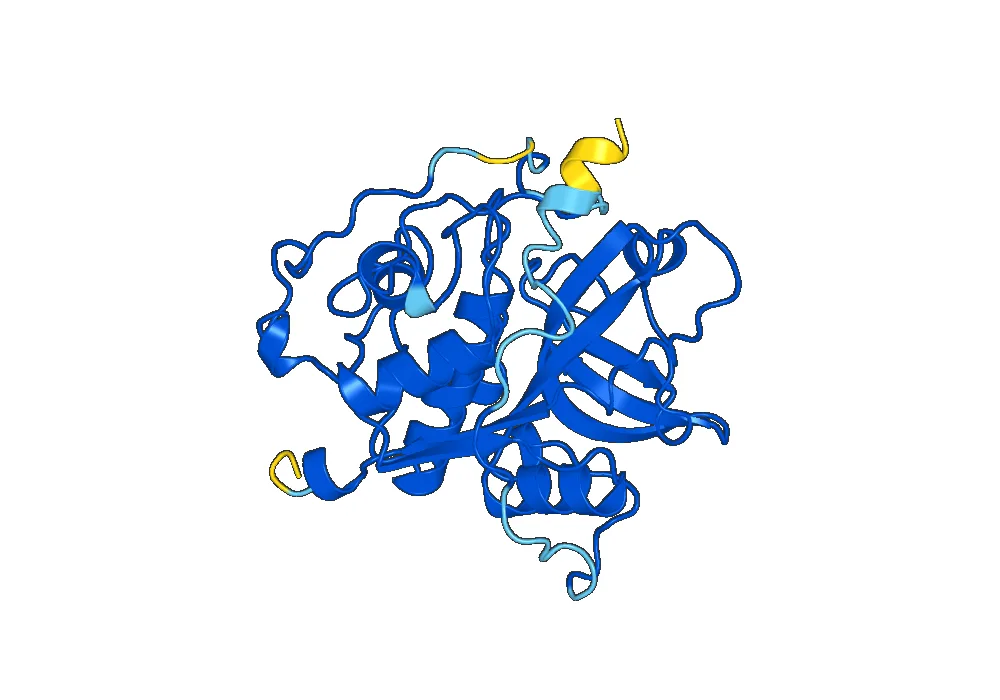
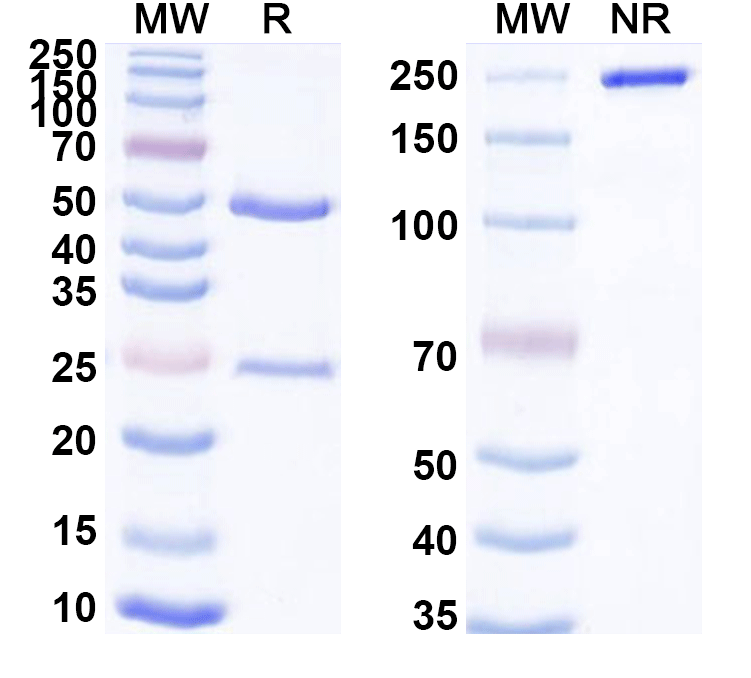
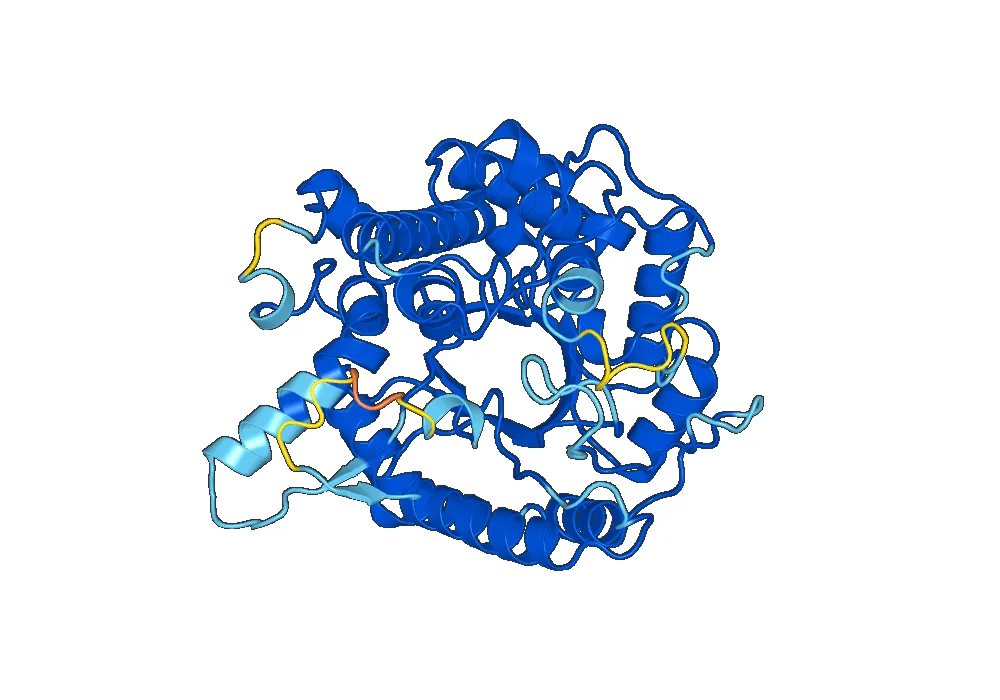
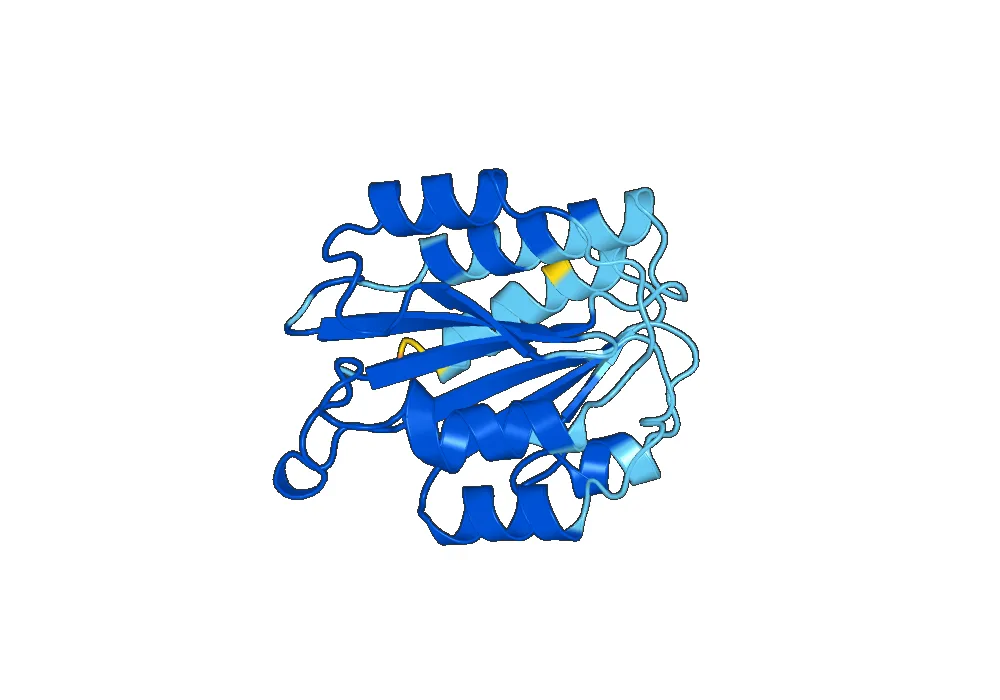
The recombinant mouse CTSB protein is a 32 kDa protein consisting of 339 amino acids. It has a highly conserved structure, with 87% sequence identity to the human cathepsin B enzyme. The protein contains a signal peptide, propeptide, and mature enzyme domain. The signal peptide is responsible for targeting the protein to the lysosomes, while the propeptide acts as an inhibitor of the enzyme until it is activated in the acidic environment of the lysosomes.
The mature enzyme domain is the active form of the protein and contains the catalytic site responsible for the cleavage of peptide bonds. This domain also contains a cysteine residue, which is essential for the enzymatic activity of cathepsin B. The recombinant protein is produced in a variety of expression systems, including bacteria, yeast, and mammalian cells, to obtain high yields of active protein.
Activity of Recombinant Mouse CTSB Protein
Recombinant mouse CTSB protein is a cysteine protease that plays a crucial role in protein degradation and processing in the lysosomes. It is involved in the breakdown of proteins, including extracellular matrix proteins, and also plays a role in antigen presentation. The enzyme is activated in the acidic environment of the lysosomes, where it cleaves peptide bonds and degrades proteins into smaller peptides and amino acids.
The activity of recombinant mouse CTSB protein can be measured using various biochemical assays, including fluorometric and colorimetric assays. These assays utilize synthetic substrates that are cleaved by the enzyme, resulting in a fluorescent or colorimetric signal that can be quantified. The activity of the protein can also be inhibited by specific inhibitors, such as E-64, which binds to the active site of the enzyme.
Applications of Recombinant Mouse CTSB Protein
The recombinant mouse CTSB protein has a wide range of applications in research and diagnostics. Its ability to cleave peptide bonds and degrade proteins makes it a valuable tool for studying protein-protein interactions, protein processing, and protein degradation pathways. The enzyme is also involved in the immune response, making it a potential target for drug development.
One of the major applications of recombinant mouse CTSB protein is in the field of cancer research. Elevated levels of cathepsin B have been observed in various types of cancer, and the recombinant protein can be used to study its role in tumor growth and metastasis. The enzyme has also been linked to neurodegenerative diseases, and its activity can be studied using recombinant protein in disease models.
In addition to research, recombinant mouse CTSB protein is also used in diagnostics. Elevated levels of cathepsin B have been associated with various diseases, and the enzyme can be used as a biomarker for disease diagnosis and prognosis. The recombinant protein can be used in diagnostic kits to detect the presence of cathepsin B in biological samples, such as blood or tissue samples.
Conclusion
Recombinant Mouse CTSB Protein is a valuable tool for studying protein degradation, processing, and immune response. Its highly conserved structure and enzymatic activity make it a reliable and versatile protein for various research and diagnostic applications. With ongoing research and advancements in genetic engineering techniques, the use of recombinant CTSB protein is expected to increase in the future, leading to a better understanding of

There are no reviews yet.