Introduction
Anti-Human CTSB Monoclonal Antibody (1A489) is a highly specific and potent antibody that targets the human cathepsin B (CTSB) enzyme. This antibody is widely used in research and clinical applications due to its ability to specifically bind to and inhibit the activity of CTSB. In this article, we will discuss the structure, activity, and applications of Anti-Human CTSB Monoclonal Antibody (1A489) in detail.
Structure of Anti-Human CTSB Monoclonal Antibody (1A489)
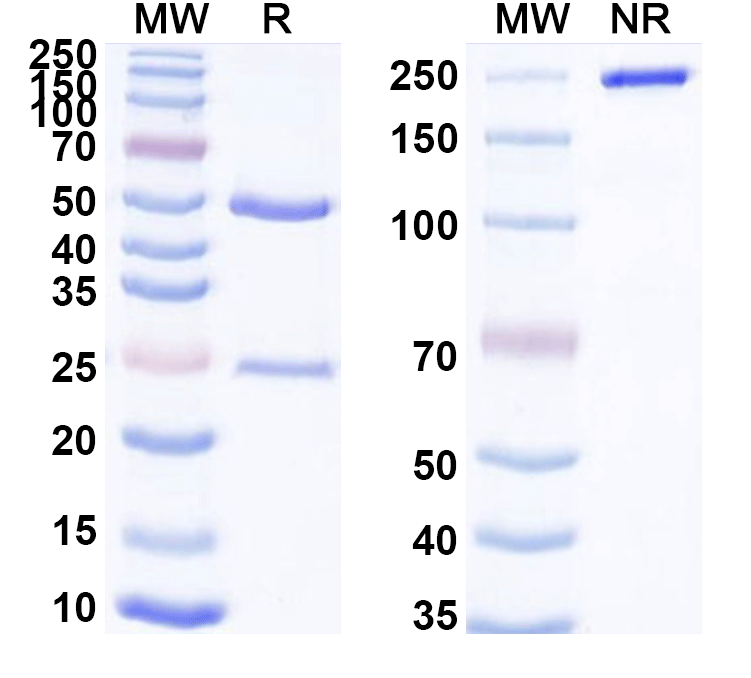
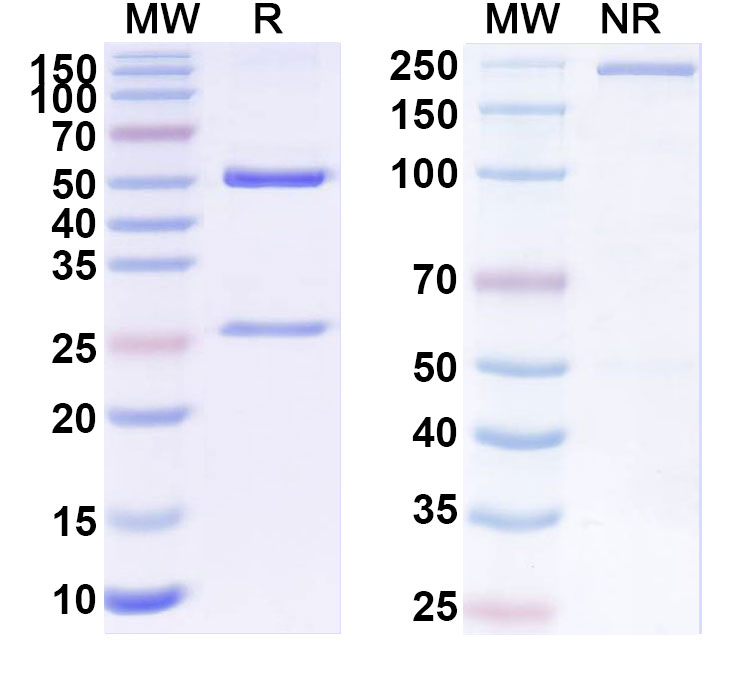
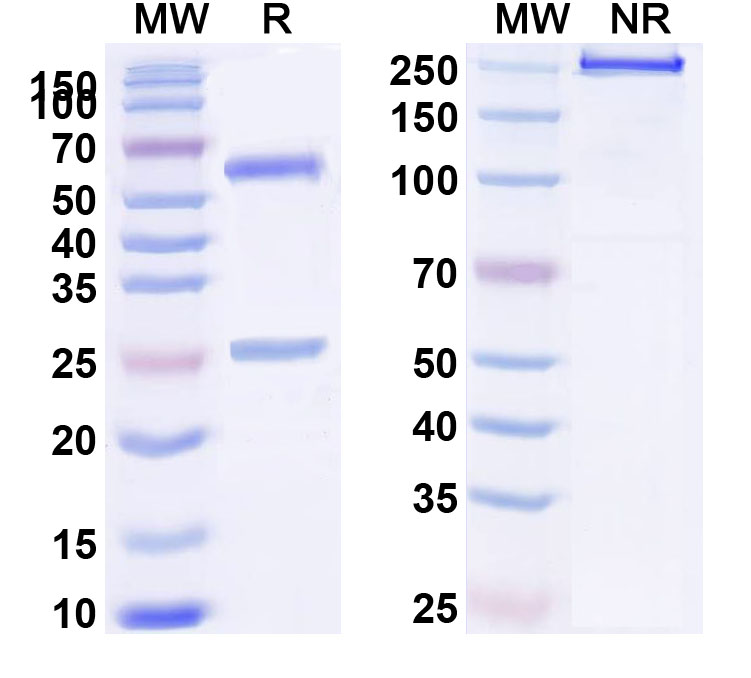
Anti-Human CTSB Monoclonal Antibody (1A489) is a monoclonal antibody, which means it is produced by a single clone of B cells. This antibody is composed of two heavy chains and two light chains, which are connected by disulfide bonds. The heavy chains are about 55 kDa in size, while the light chains are about 25 kDa. The antibody has a Y-shaped structure with two antigen-binding sites, allowing it to bind to two CTSB molecules simultaneously.
Activity of Anti-Human CTSB Monoclonal Antibody (1A489)
The main activity of Anti-Human CTSB Monoclonal Antibody (1A489) is the inhibition of CTSB enzyme activity. CTSB is a lysosomal cysteine protease that plays a crucial role in protein degradation and turnover. However, dysregulation of CTSB has been linked to various diseases such as cancer, neurodegenerative disorders, and inflammatory diseases. Anti-Human CTSB Monoclonal Antibody (1A489) binds specifically to the active site of CTSB, blocking its activity and preventing it from degrading its substrates.
In addition to its inhibitory activity, Anti-Human CTSB Monoclonal Antibody (1A489) also has the ability to induce antibody-dependent cellular cytotoxicity (ADCC). This means that the antibody can recruit immune cells, such as natural killer cells, to attack and destroy cells that express CTSB on their surface. This makes Anti-Human CTSB Monoclonal Antibody (1A489) a potential therapeutic agent for the treatment of CTSB-related diseases.
Applications of Anti-Human CTSB Monoclonal Antibody (1A489)
Anti-Human CTSB Monoclonal Antibody (1A489) has a wide range of applications in both research and clinical settings. Some of the key applications of this antibody are discussed below.
Research Applications
Anti-Human CTSB Monoclonal Antibody (1A489) is commonly used in research to study the role of CTSB in various diseases. This antibody can be used to inhibit CTSB activity in cell and animal models, allowing researchers to investigate the effects of CTSB inhibition on disease progression. It can also be used in western blotting, immunohistochemistry, and flow cytometry to detect and quantify CTSB expression in different tissues and cell types.
Clinical Applications
Due to its ability to specifically target and inhibit CTSB, Anti-Human CTSB Monoclonal Antibody (1A489) has potential clinical applications. It can be used as a therapeutic agent for the treatment of CTSB-related diseases, such as cancer and neurodegenerative disorders. This antibody can also be used in diagnostic tests to detect CTSB expression in patient samples, providing valuable information for disease diagnosis and prognosis.
Other Applications
Apart from its research and clinical applications, Anti-Human CTSB Monoclonal Antibody (1A489) also has other potential uses. It can be used in the development of novel drug delivery systems, where CTSB is used as a target for drug delivery. The antibody can also be used in the purification and detection of


There are no reviews yet.