Introduction to Anti-Human CIITA Monoclonal Antibody (1A618)
Anti-Human CIITA Monoclonal Antibody (1A618) is a type of monoclonal antibody that specifically targets the human CIITA protein. CIITA (Class II Transactivator) is a regulatory protein that plays a crucial role in the immune response by activating the expression of major histocompatibility complex (MHC) class II genes. This antibody is a valuable tool in research and has potential applications in various fields such as immunology, cancer research, and autoimmune diseases.
Structure of Anti-Human CIITA Monoclonal Antibody (1A618)
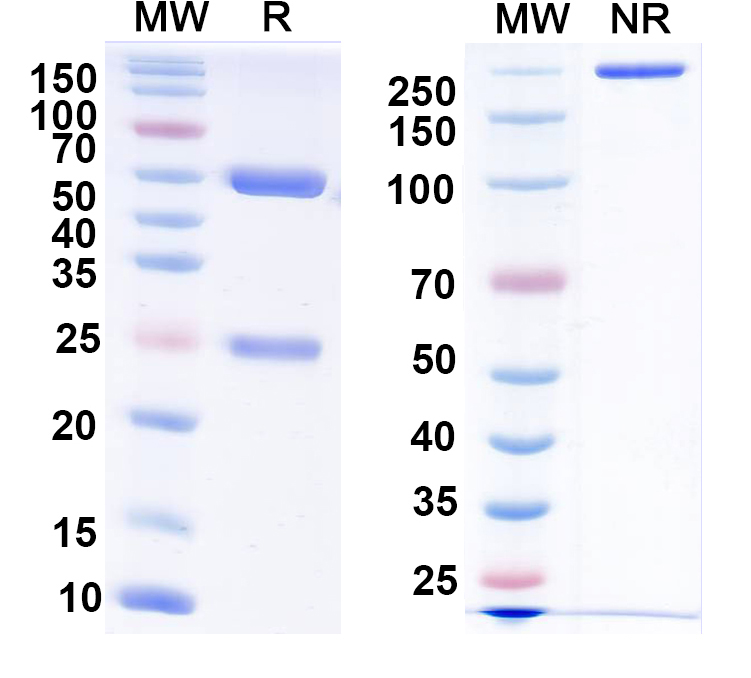
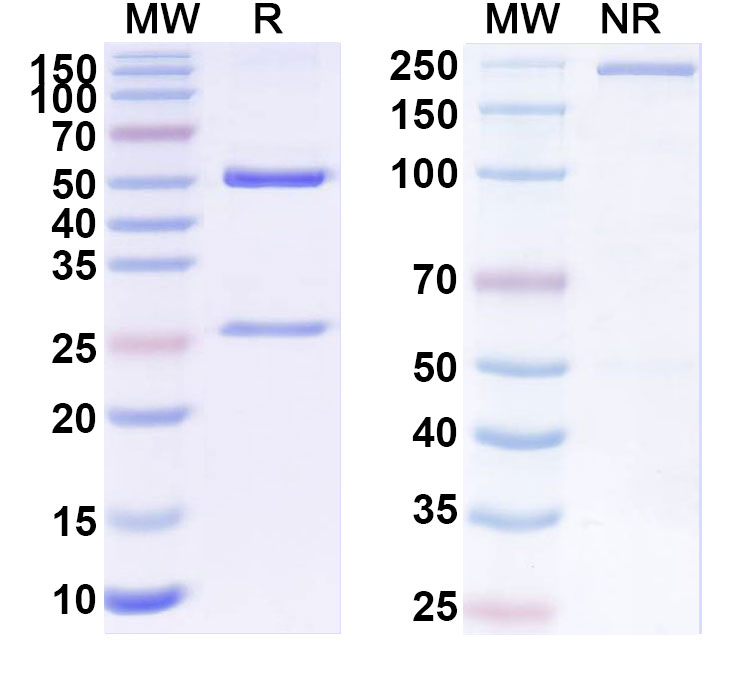
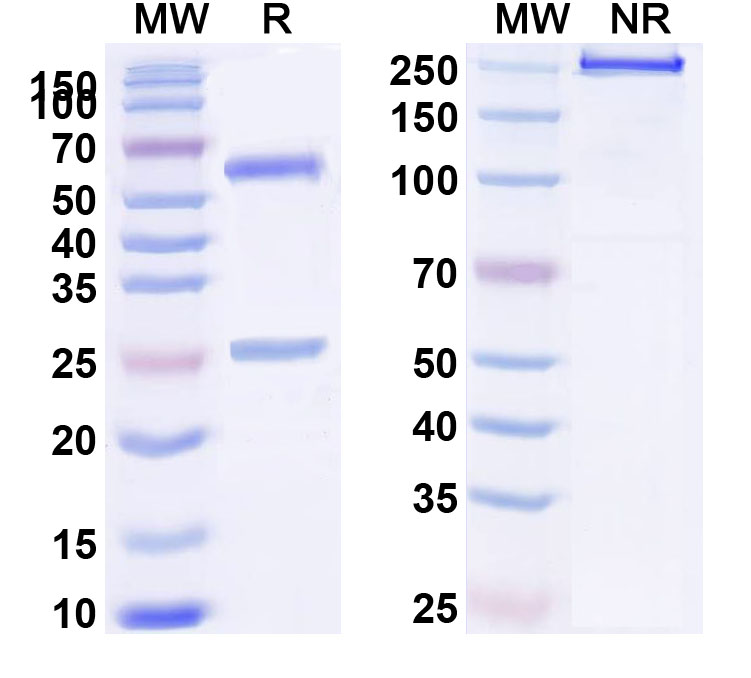
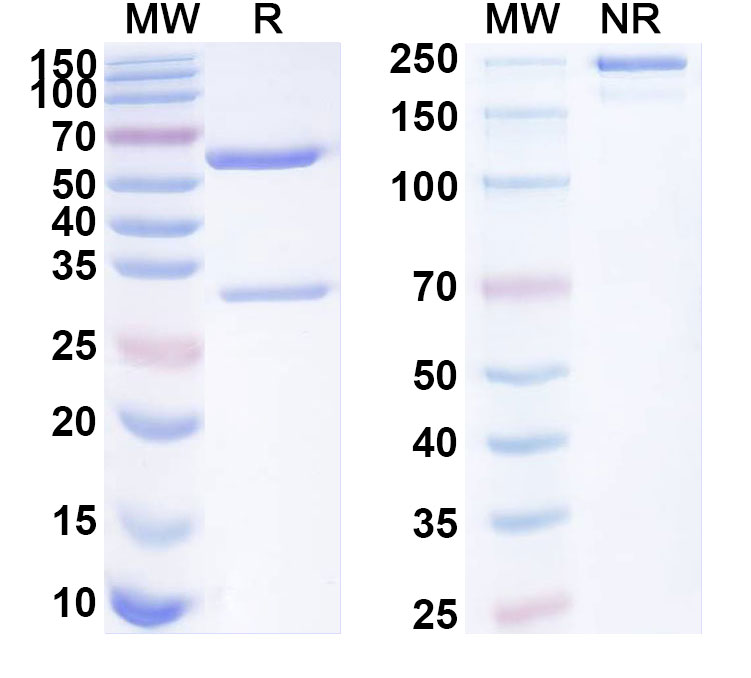
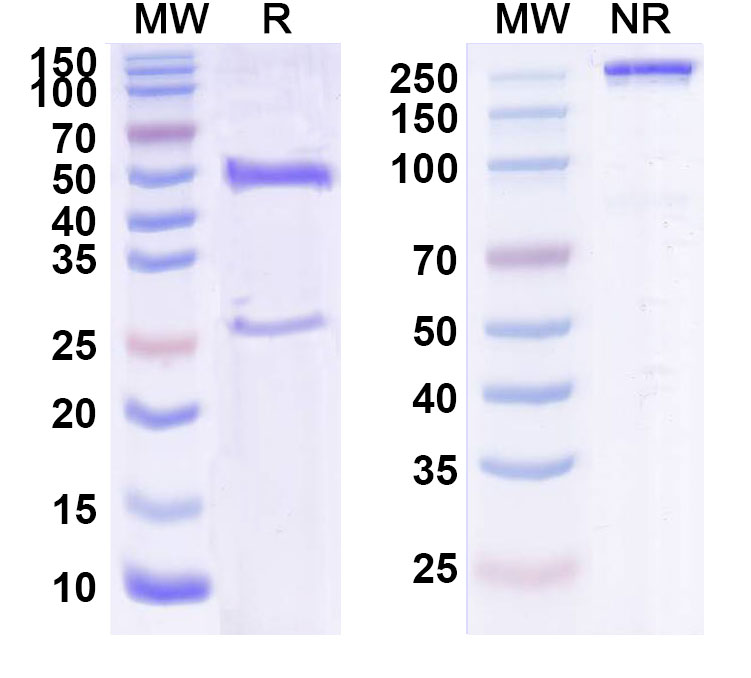
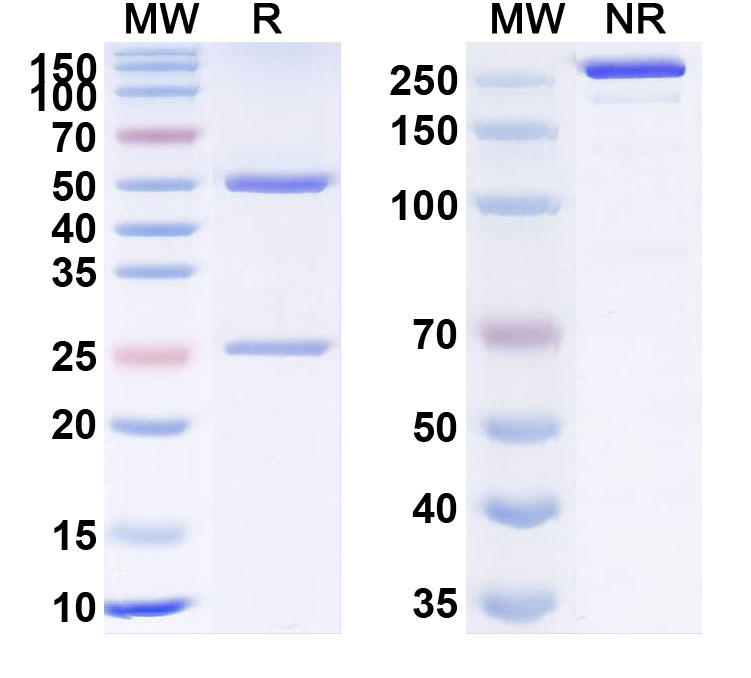
The Anti-Human CIITA Monoclonal Antibody (1A618) is a mouse monoclonal antibody, meaning it is produced by a single clone of mouse cells. It belongs to the immunoglobulin G (IgG) class of antibodies and has a molecular weight of approximately 150 kDa. The antibody has two heavy chains and two light chains, each containing variable and constant regions. The variable regions are responsible for binding to the target protein, while the constant regions determine the antibody’s effector functions.
The 1A618 antibody specifically binds to the N-terminal region of the human CIITA protein, which is crucial for its transactivation function. This binding results in the inhibition of CIITA’s activity, making it a potent tool for studying the role of CIITA in immune response regulation.
Activity of Anti-Human CIITA Monoclonal Antibody (1A618)
The primary activity of Anti-Human CIITA Monoclonal Antibody (1A618) is its ability to bind to the CIITA protein and inhibit its function. CIITA is a master regulator of MHC class II gene expression, and its activity is essential for the proper functioning of the immune system. By targeting CIITA, the 1A618 antibody can modulate the immune response and potentially impact various diseases.
Studies have shown that the 1A618 antibody can effectively block the expression of MHC class II genes in human cells, indicating its potent inhibitory activity against CIITA. This inhibition can be useful in understanding the role of CIITA in various diseases and developing potential therapies. Additionally, the antibody’s binding to CIITA can also be utilized for diagnostic purposes, such as detecting the expression of CIITA in tumor cells.
Applications of Anti-Human CIITA Monoclonal Antibody (1A618)
The Anti-Human CIITA Monoclonal Antibody (1A618) has a wide range of applications in scientific research. Its ability to specifically target CIITA makes it a valuable tool for studying the immune response and its regulation. Some potential applications of this antibody include:
- Immunology research: The 1A618 antibody can be used to study the role of CIITA in immune response regulation, particularly in MHC class II gene expression. It can also be utilized to investigate the mechanisms of immune evasion by pathogens and tumors.
- Cancer research: CIITA has been found to play a role in various cancers, including breast, lung, and colon cancer. The 1A618 antibody can be used to study the expression and function of CIITA in these cancers, potentially leading to the development of new treatments.
- Autoimmune diseases: CIITA has also been linked to autoimmune diseases such as rheumatoid arthritis and systemic lupus erythematosus. The 1A618 antibody can be used to study the role of CIITA in these diseases and potentially identify new therapeutic targets.
In conclusion, Anti-Human CIITA Monoclonal Antibody (1A618) is a valuable tool in scientific research with various applications in immunology, cancer research, and autoimmune diseases. Its specific targeting of


There are no reviews yet.