Recombinant Mouse APCDD1 Protein
Introduction
Recombinant Mouse APCDD1 Protein is a type of protein that is produced through genetic engineering techniques. It is a recombinant protein, meaning that it is produced by combining genetic material from different sources. This protein is derived from the mouse APCDD1 gene and has a wide range of applications in the field of life sciences.
Structure
The structure of Recombinant Mouse APCDD1 Protein is composed of 139 amino acids, with a molecular weight of approximately 15 kDa. It is a single-chain protein with a globular tertiary structure. This protein has a unique N-terminal cysteine-rich domain and a C-terminal serine-rich domain, which are important for its biological activity.
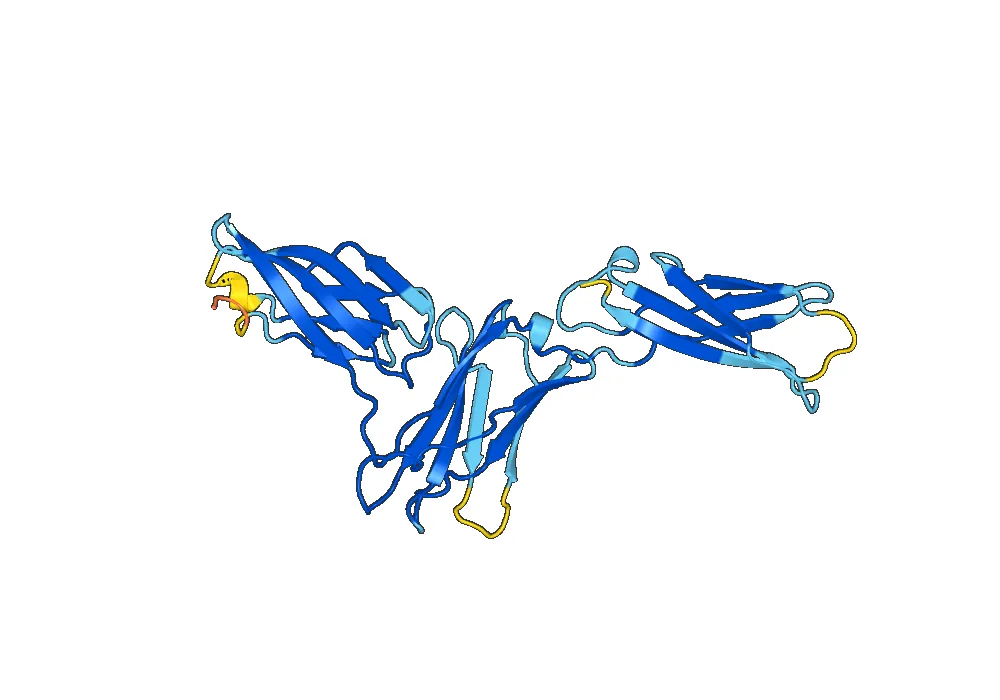
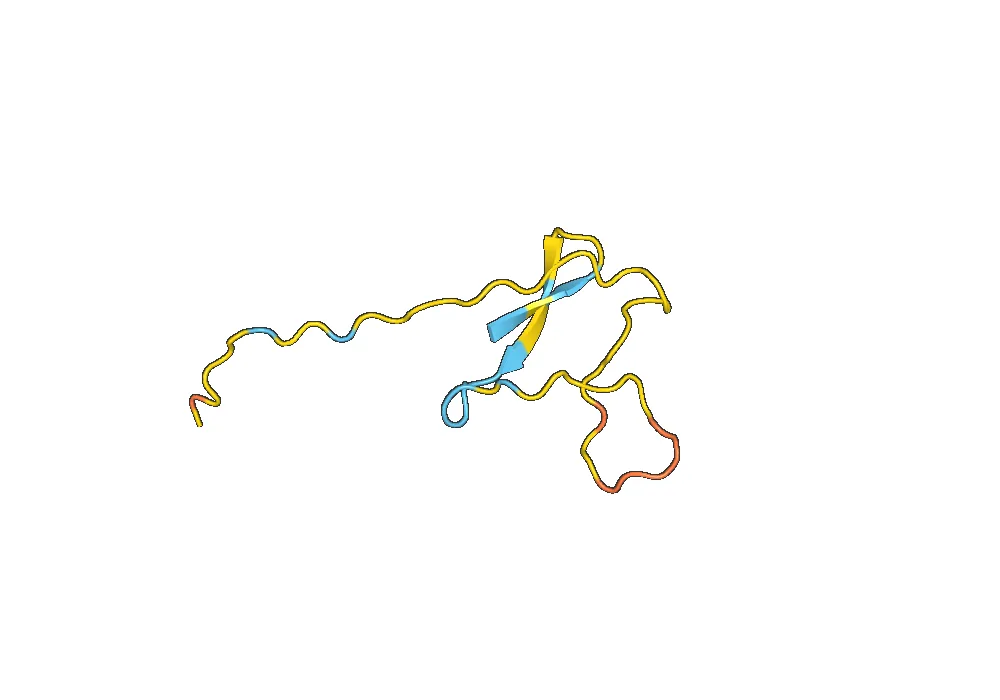
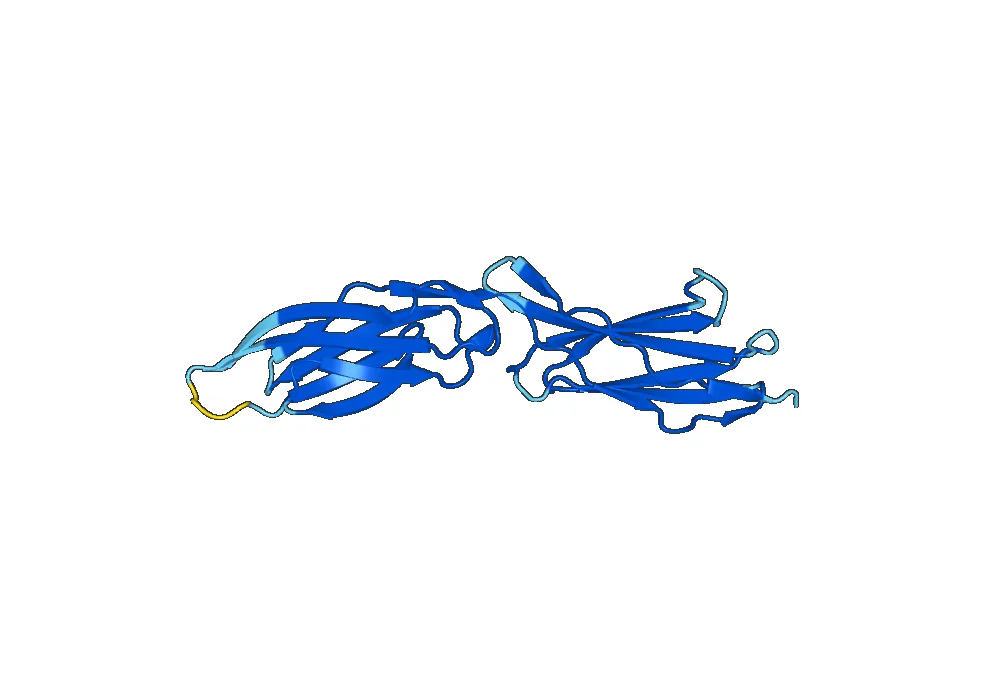
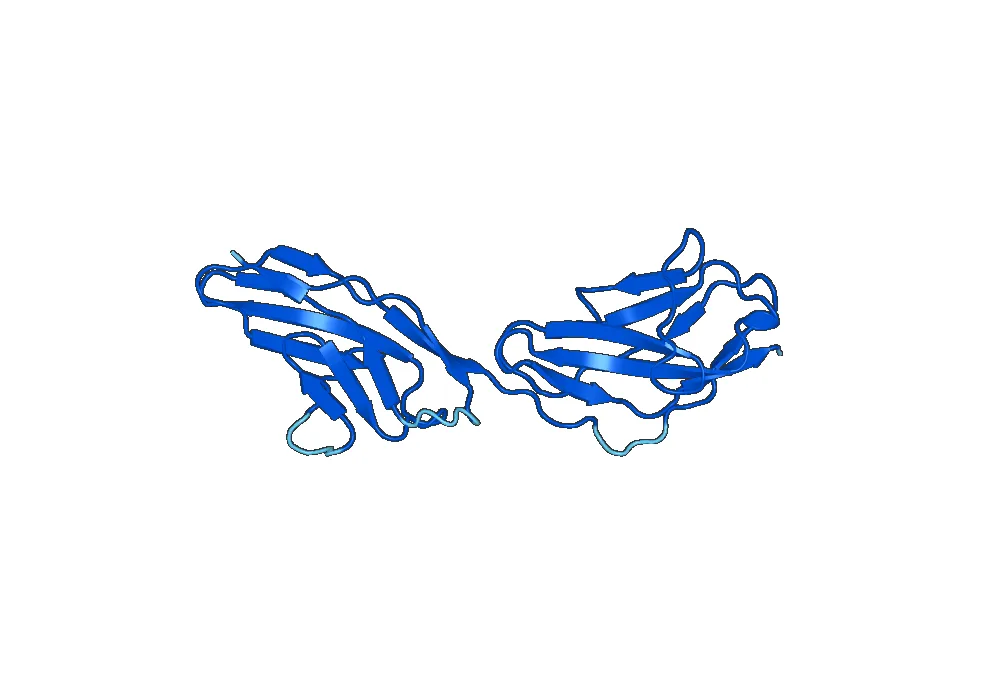
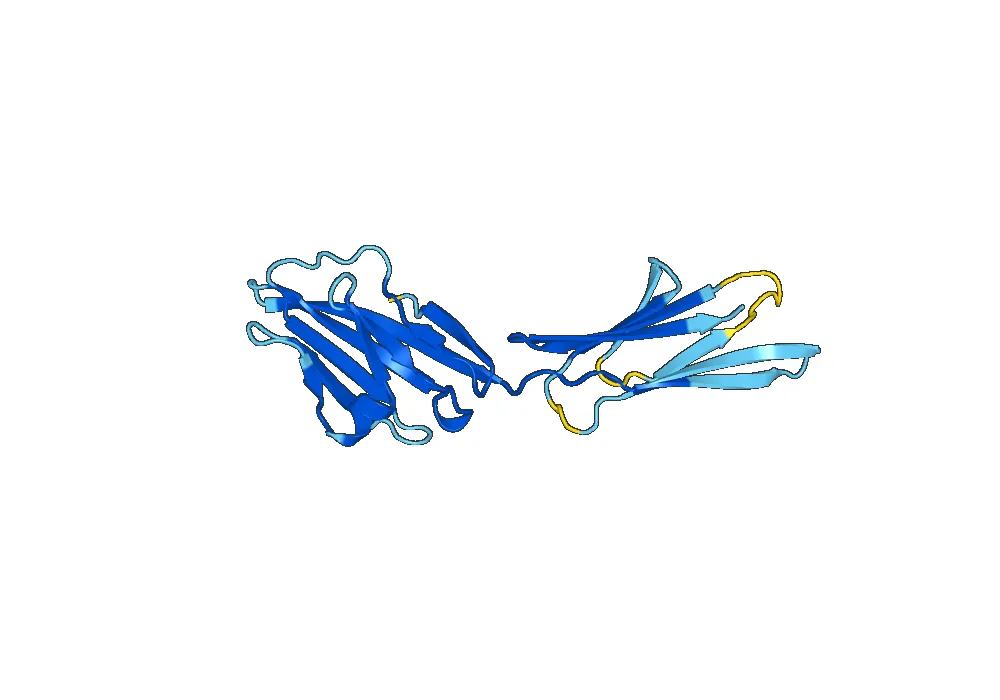
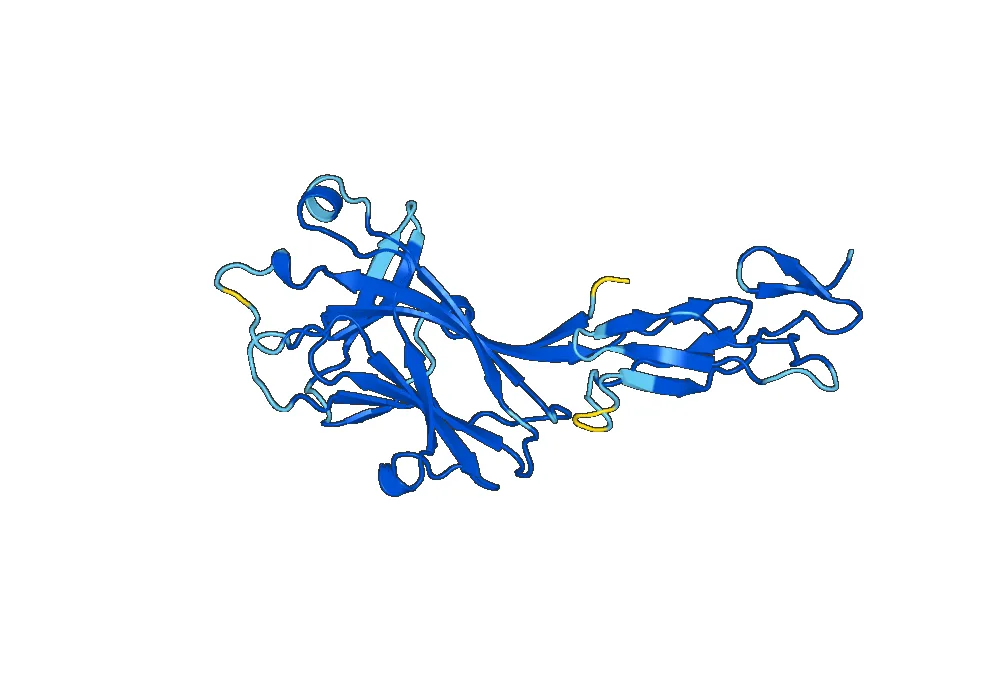
The crystal structure of Recombinant Mouse APCDD1 Protein has been determined, revealing its overall conformation and the specific amino acid residues involved in its activity. It has a compact structure, with the N-terminal domain forming a compact globular structure and the C-terminal domain forming an extended loop. This structure is essential for the proper functioning of the protein.
Activity
Recombinant Mouse APCDD1 Protein has been found to have a variety of activities, including regulating cell proliferation, differentiation, and migration. It has been shown to inhibit the Wnt signaling pathway, which plays a crucial role in embryonic development and tissue homeostasis. By inhibiting this pathway, APCDD1 protein can regulate the growth and development of various tissues and organs.
Moreover, Recombinant Mouse APCDD1 Protein has been found to have anti-angiogenic properties, meaning that it can inhibit the formation of new blood vessels. This activity is important in cancer research, as tumors require a blood supply to grow and spread. By inhibiting angiogenesis, APCDD1 protein can potentially be used as a therapeutic agent for cancer treatment.
Application
The versatile structure and activity of Recombinant Mouse APCDD1 Protein make it a valuable tool in various fields of life sciences. It is commonly used as an antigen in research studies, as it can induce an immune response and generate specific antibodies. These antibodies can then be used in various techniques, such as Western blotting, immunohistochemistry, and flow cytometry, to study the expression and localization of APCDD1 protein in different tissues and cell types.
Furthermore, Recombinant Mouse APCDD1 Protein has potential applications in regenerative medicine. Its ability to regulate cell proliferation and differentiation makes it a promising candidate for tissue engineering and repair. It could be used to promote the growth of specific tissues and organs, such as bone and cartilage, in patients with injuries or diseases.
Another potential application of Recombinant Mouse APCDD1 Protein is in drug discovery and development. Its activity as an inhibitor of the Wnt signaling pathway and angiogenesis makes it a potential target for the treatment of various diseases, including cancer and cardiovascular disorders. Researchers are currently investigating the use of APCDD1 protein as a therapeutic agent and developing small molecule inhibitors that mimic its activity.
Conclusion
In summary, Recombinant Mouse APCDD1 Protein is a valuable protein with a unique structure and diverse activities. It has a wide range of applications in the fields of research, regenerative medicine, and drug development. Further studies on this protein and its mechanisms of action may lead to new insights and potential treatments for various diseases.

There are no reviews yet.