Introduction to Recombinant Mouse CD226/DNAM-1 Protein
Recombinant Mouse CD226/DNAM-1 protein is a type I transmembrane glycoprotein that belongs to the immunoglobulin superfamily. It is encoded by the CD226 gene and is also known as DNAM-1 (DNAX accessory molecule-1). This protein is expressed on the surface of various immune cells, including natural killer (NK) cells, T cells, and monocytes. It plays a crucial role in regulating immune responses and has been shown to be involved in various diseases, including cancer and autoimmune disorders.
Structure of Recombinant Mouse CD226/DNAM-1 Protein
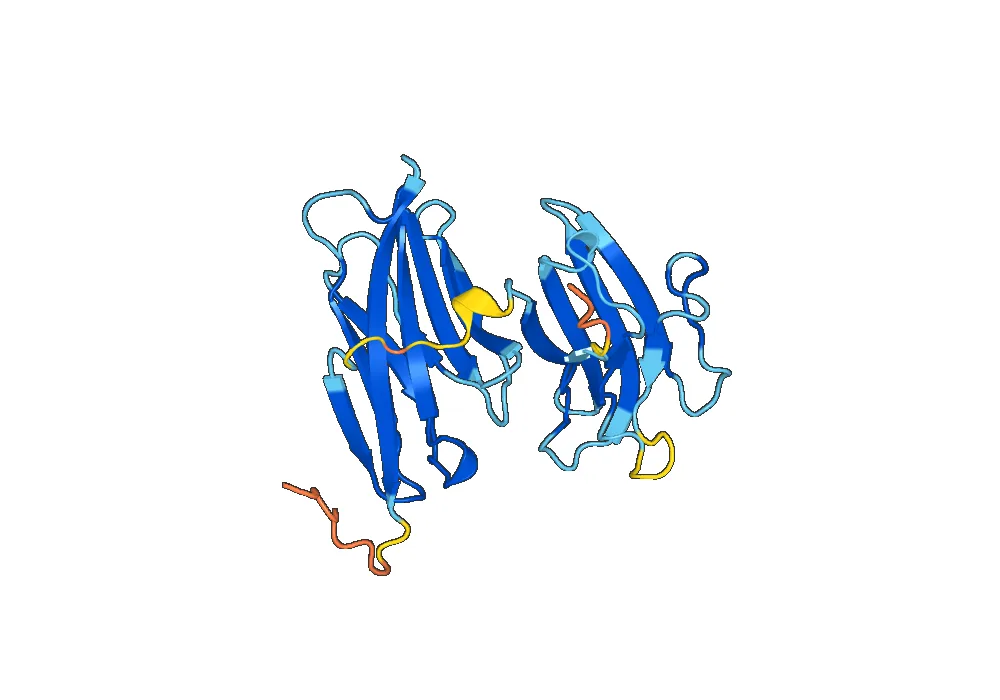
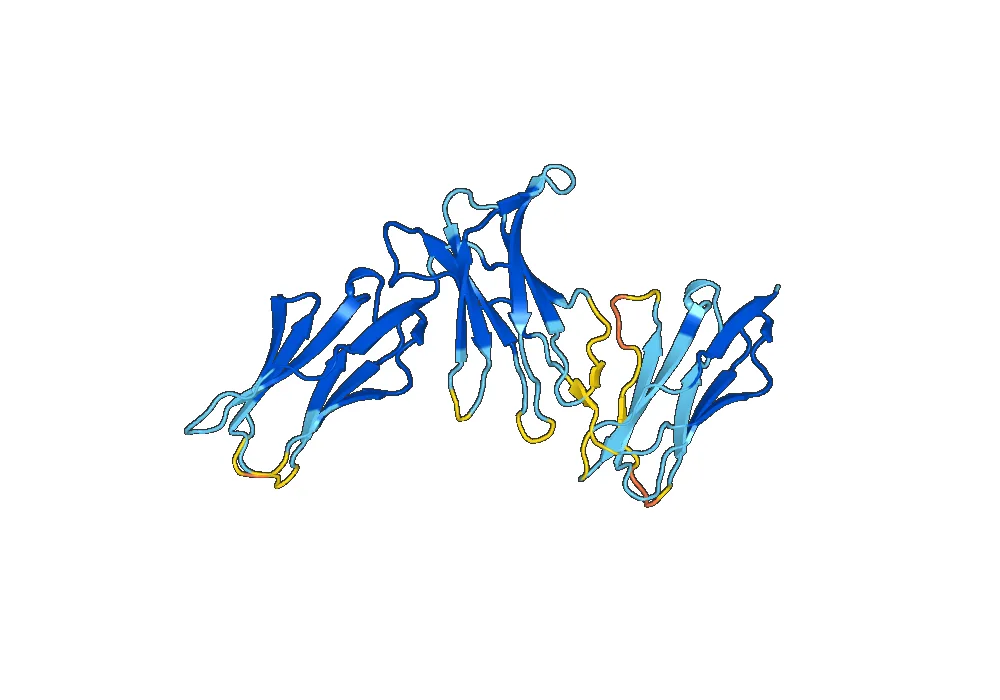
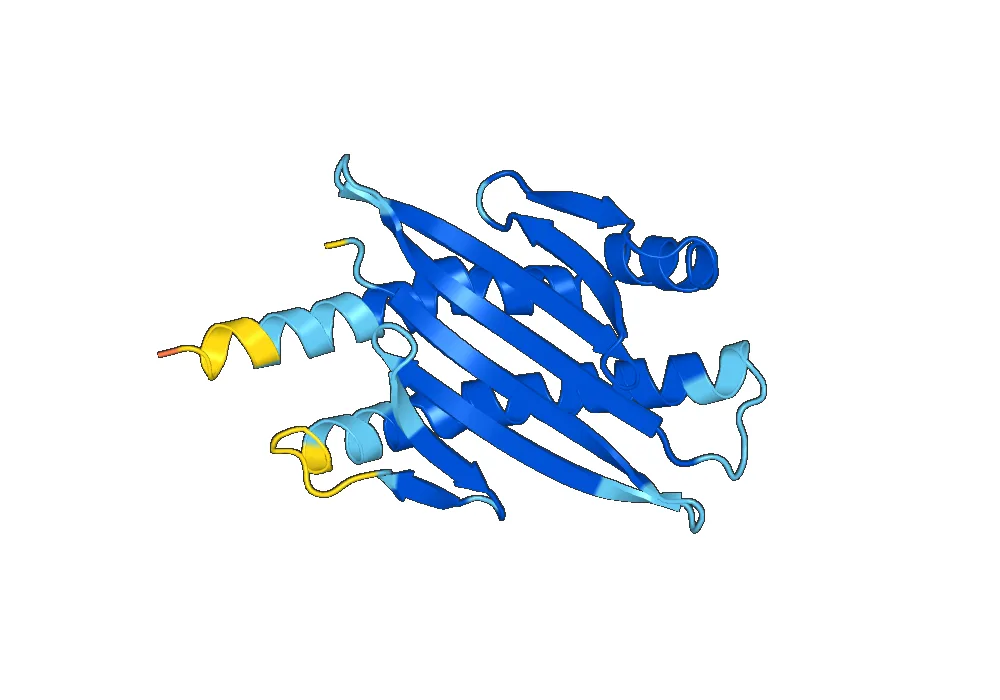
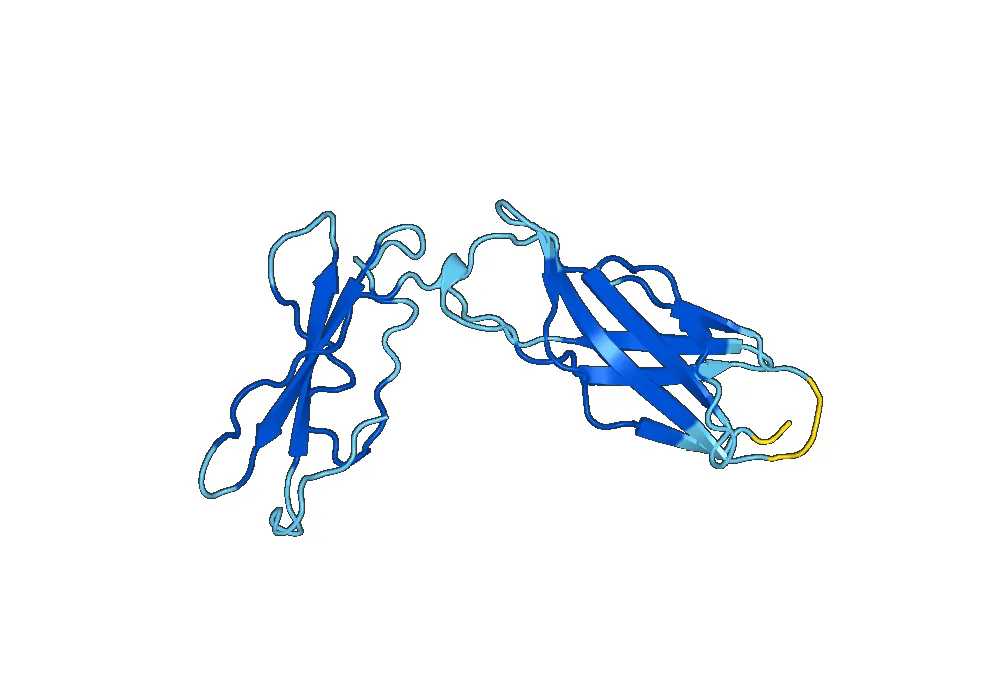
Recombinant Mouse CD226/DNAM-1 protein is composed of 366 amino acids and has a molecular weight of approximately 43 kDa. It consists of two extracellular immunoglobulin-like domains, a transmembrane domain, and a cytoplasmic tail. The extracellular domains are responsible for binding to ligands, while the cytoplasmic tail contains signaling motifs that mediate downstream signaling.
Activity of Recombinant Mouse CD226/DNAM-1 Protein
Recombinant Mouse CD226/DNAM-1 protein is a key regulator of immune responses. It functions as a co-stimulatory molecule on T cells and NK cells, enhancing their activation and effector functions. It also acts as a co-inhibitory molecule on dendritic cells and macrophages, suppressing their activation and cytokine production. This dual role of CD226/DNAM-1 allows for fine-tuning of immune responses and helps maintain immune homeostasis.
One of the main functions of CD226/DNAM-1 is its ability to bind to its ligands, CD155 and CD112, which are expressed on target cells. This interaction leads to the activation of downstream signaling pathways, including the PI3K/Akt and MAPK pathways, resulting in the production of cytokines and chemokines. These molecules play a crucial role in immune cell recruitment, activation, and proliferation.
In addition to its role in immune cell activation, CD226/DNAM-1 has also been shown to play a role in immune cell-mediated cytotoxicity. It promotes the killing of target cells by NK cells and CD8+ T cells through the release of cytotoxic molecules, such as perforin and granzymes. This function is particularly important in the immune response against viruses and tumors.
Application of Recombinant Mouse CD226/DNAM-1 Protein
Recombinant Mouse CD226/DNAM-1 protein has a wide range of applications in both research and therapeutic settings. Its ability to regulate immune responses and its involvement in various diseases make it a promising target for drug development. Recombinant forms of CD226/DNAM-1 can be used to study its structure, function, and interactions with ligands and other proteins.
In cancer research, CD226/DNAM-1 has been identified as a potential target for immunotherapy. By targeting this protein, it is possible to enhance the anti-tumor immune response and improve the efficacy of cancer treatments. Recombinant forms of CD226/DNAM-1 can be used to develop novel immunotherapies, such as monoclonal antibodies or chimeric antigen receptor (CAR) T cells.
In addition, recombinant CD226/DNAM-1 protein can also be used in diagnostic assays to detect the expression of this protein on immune cells. This can provide valuable information about the immune status of an individual and aid in the diagnosis and monitoring of diseases.
Conclusion
Recombinant Mouse CD226/DNAM-1 protein is a crucial regulator of immune responses with diverse functions in both innate and adaptive immunity. Its structure, activity, and involvement in various diseases make it a promising target for drug development and a useful tool in research. Further studies on this protein may lead to the development of novel therapies for diseases such as cancer and autoimmune



There are no reviews yet.