Introduction to Recombinant Mouse CD248 Protein
Recombinant Mouse CD248 Protein, also known as Endosialin or Tumor Endothelial Marker 1 (TEM1), is a transmembrane glycoprotein that is encoded by the CD248 gene in mice. It belongs to the C-type lectin-like domain family and is expressed on the surface of activated fibroblasts and pericytes. This protein plays a crucial role in angiogenesis, tumor growth, and wound healing, making it a potential target for therapeutic interventions. In this article, we will discuss the structure, activity, and application of Recombinant Mouse CD248 Protein.
Structure of Recombinant Mouse CD248 Protein
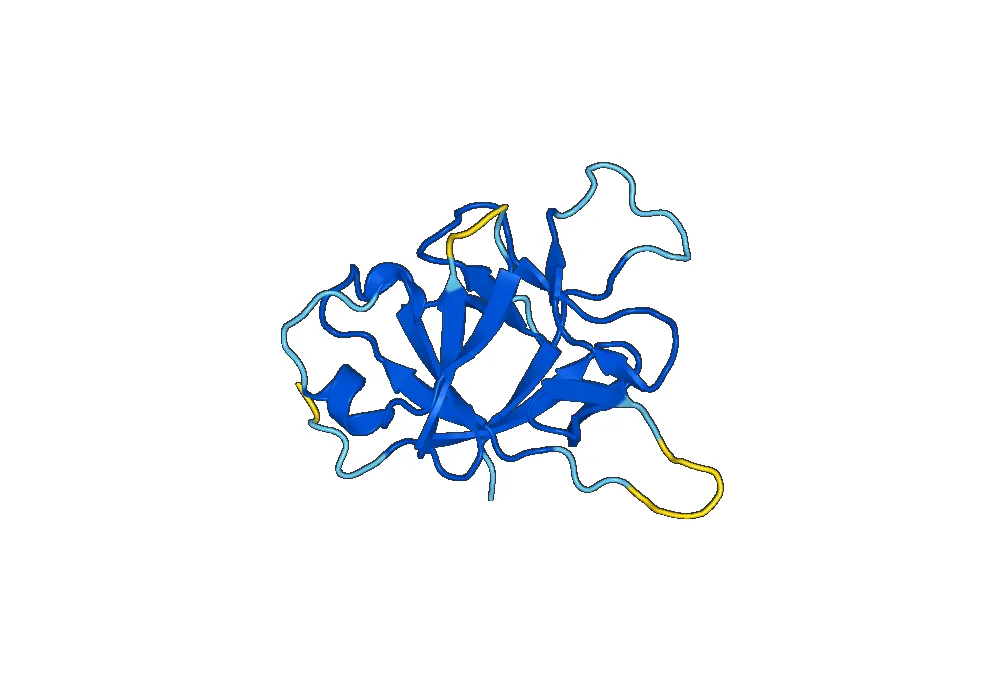
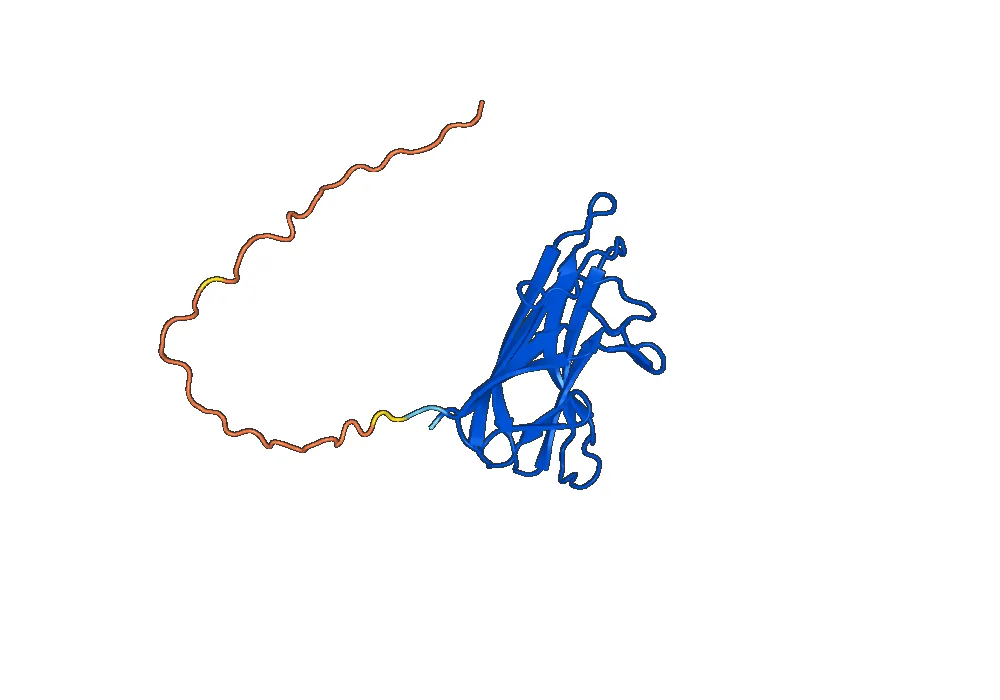
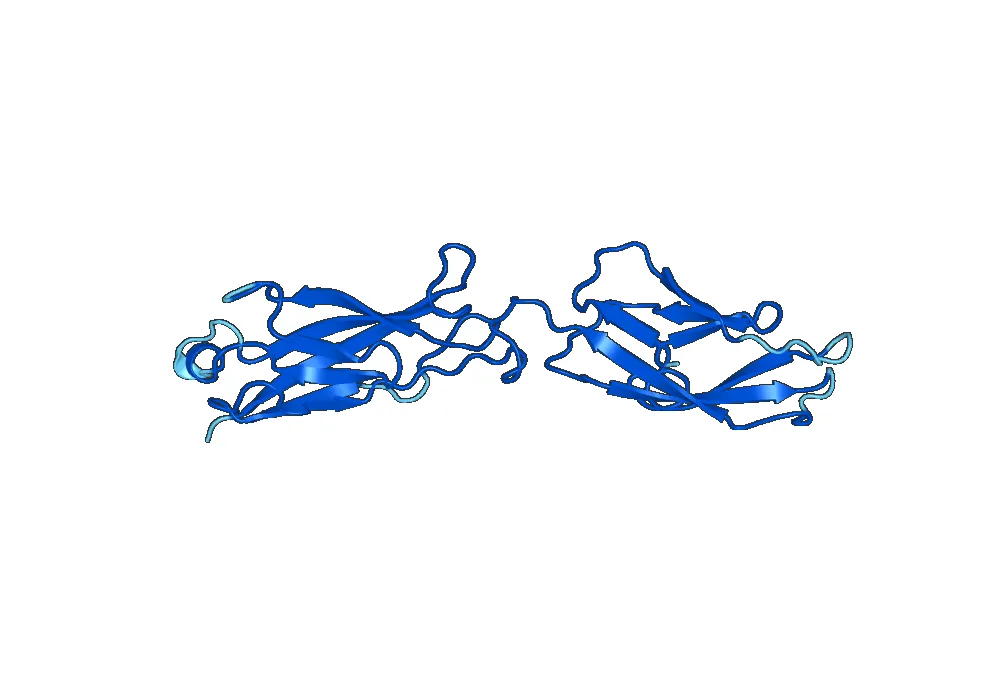
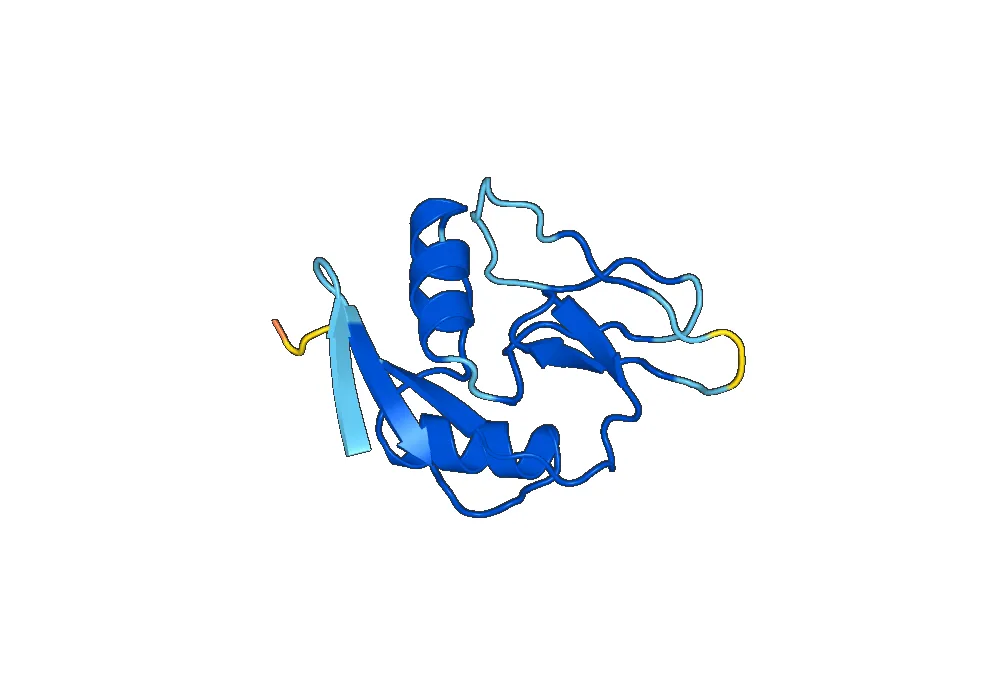
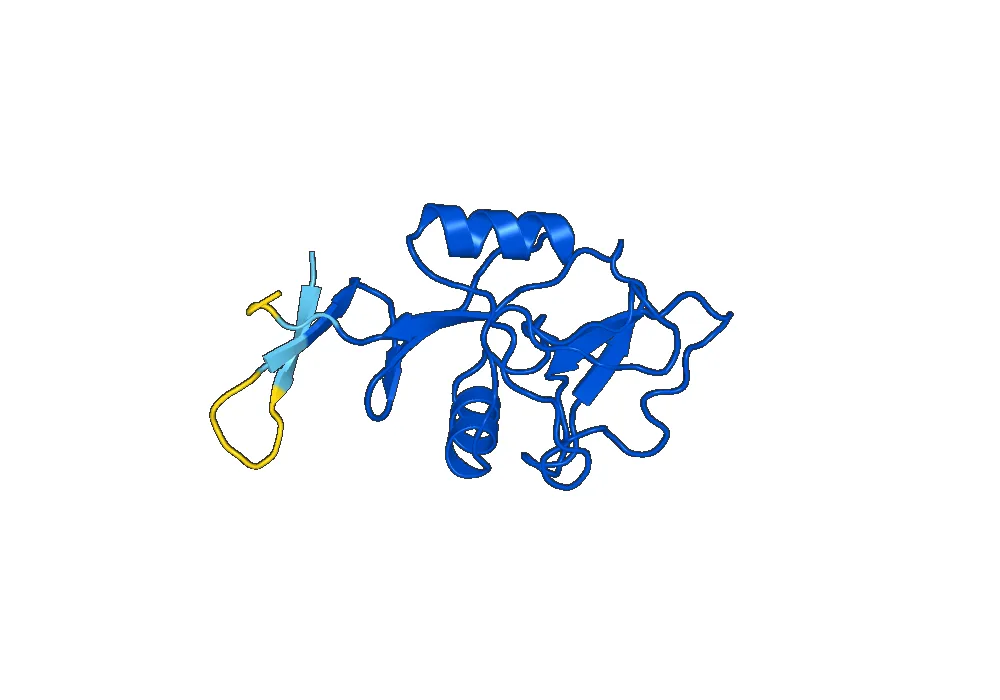
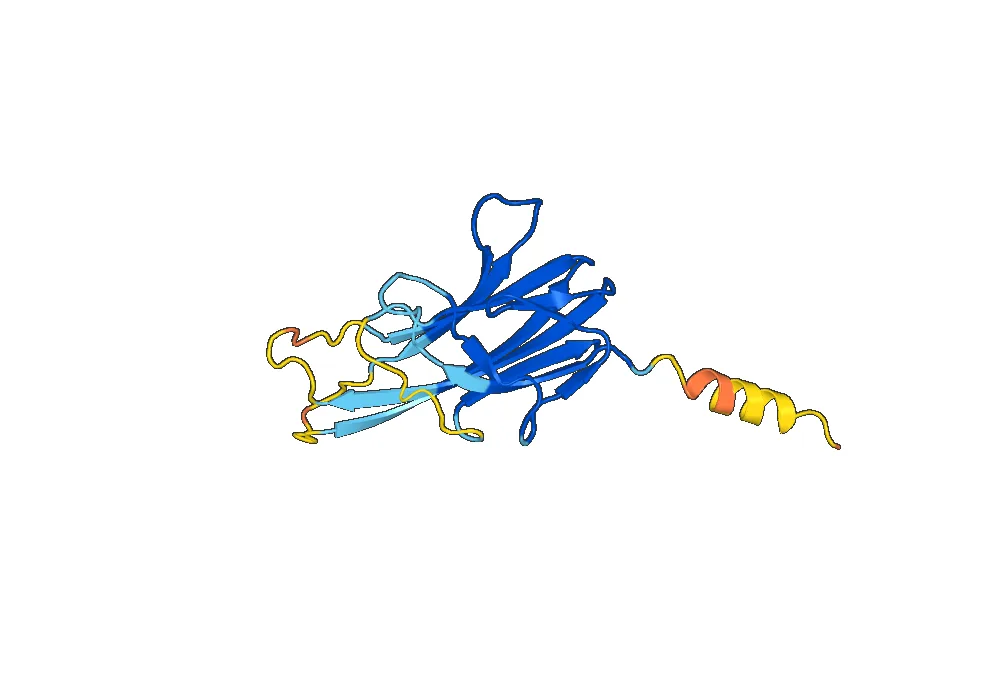
Recombinant Mouse CD248 Protein is composed of 757 amino acids and has a molecular weight of approximately 85 kDa. It consists of a short cytoplasmic domain, a transmembrane domain, and an extracellular domain. The extracellular domain contains a C-type lectin-like domain, a fibronectin type III-like domain, and a mucin-like domain. These domains are responsible for the protein’s binding to extracellular matrix components and other ligands.
Activity of Recombinant Mouse CD248 Protein
Recombinant Mouse CD248 Protein is primarily expressed on the surface of activated fibroblasts and pericytes in response to various stimuli, such as inflammation, injury, and tumor growth. It plays a crucial role in angiogenesis, the process of forming new blood vessels from pre-existing ones. CD248 interacts with multiple extracellular matrix components, including collagen, fibronectin, and laminin, to promote angiogenesis. It also binds to growth factors, such as VEGF and PDGF, and enhances their activity, further promoting blood vessel formation.
In addition to its role in angiogenesis, Recombinant Mouse CD248 Protein is also involved in tumor growth and progression. It is highly expressed in the stroma of various solid tumors, including breast, lung, and pancreatic cancers. CD248 promotes tumor growth by stimulating the production of pro-angiogenic factors and facilitating tumor cell invasion and migration. It also plays a role in the formation of a tumor-supportive microenvironment by promoting the recruitment of immune cells and promoting the deposition of extracellular matrix components.
Application of Recombinant Mouse CD248 Protein
Recombinant Mouse CD248 Protein has been extensively studied for its potential as a therapeutic target in various diseases, particularly cancer. Due to its role in angiogenesis and tumor growth, targeting CD248 has shown promising results in inhibiting tumor growth and metastasis in preclinical studies. Recombinant Mouse CD248 Protein has also been used as a biomarker for cancer diagnosis and prognosis, with its high expression levels correlating with poor patient outcomes.
Furthermore, CD248 has been identified as a potential target for anti-fibrotic therapies. In conditions such as liver fibrosis and pulmonary fibrosis, activated fibroblasts play a crucial role in the excessive deposition of extracellular matrix, leading to tissue scarring and organ dysfunction. CD248 is highly expressed on activated fibroblasts in these diseases, making it a potential target for inhibiting fibrosis.
Conclusion
In summary, Recombinant Mouse CD248 Protein is a transmembrane glycoprotein that plays a crucial role in angiogenesis, tumor growth, and wound healing. Its structure, activity, and potential applications make it a promising target for therapeutic interventions in various diseases, particularly cancer and fibrosis. Further research and development of CD248-targeted therapies may lead to improved treatment options for these diseases in the future.


There are no reviews yet.