Introduction
Recombinant Mouse CDH3/P-cadherin protein, also known as P-cadherin, is a cell adhesion molecule that plays a crucial role in cell-cell interactions and tissue organization. It is a member of the cadherin superfamily and is expressed in a variety of tissues, including epithelial cells, endothelial cells, and neuronal cells. In this article, we will discuss the structure, activity, and applications of recombinant Mouse CDH3/P-cadherin protein.
Structure of Recombinant Mouse CDH3/P-cadherin Protein
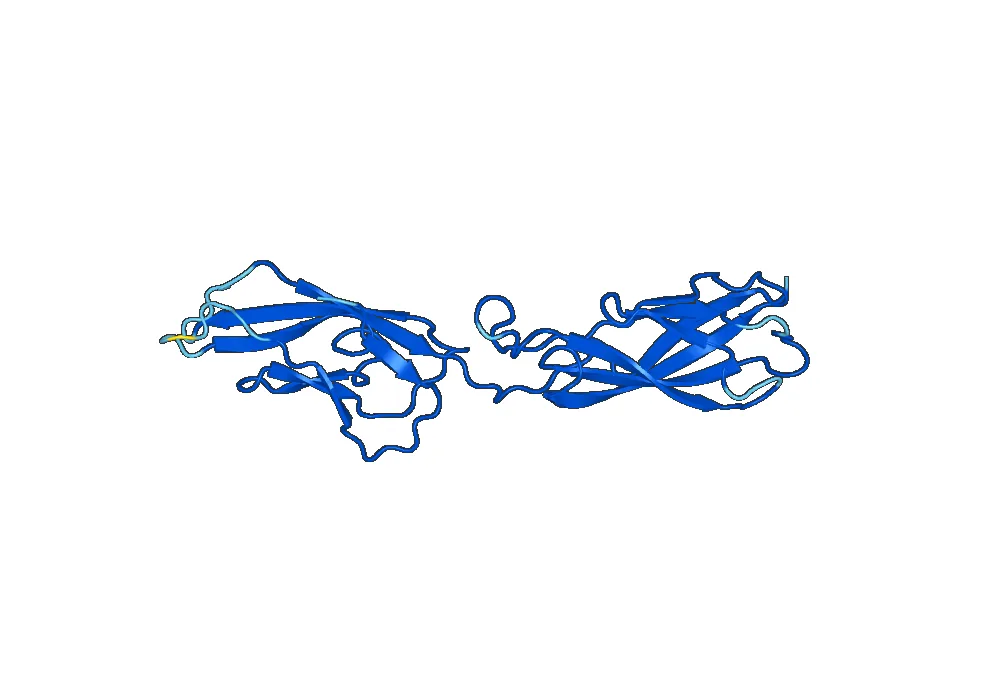
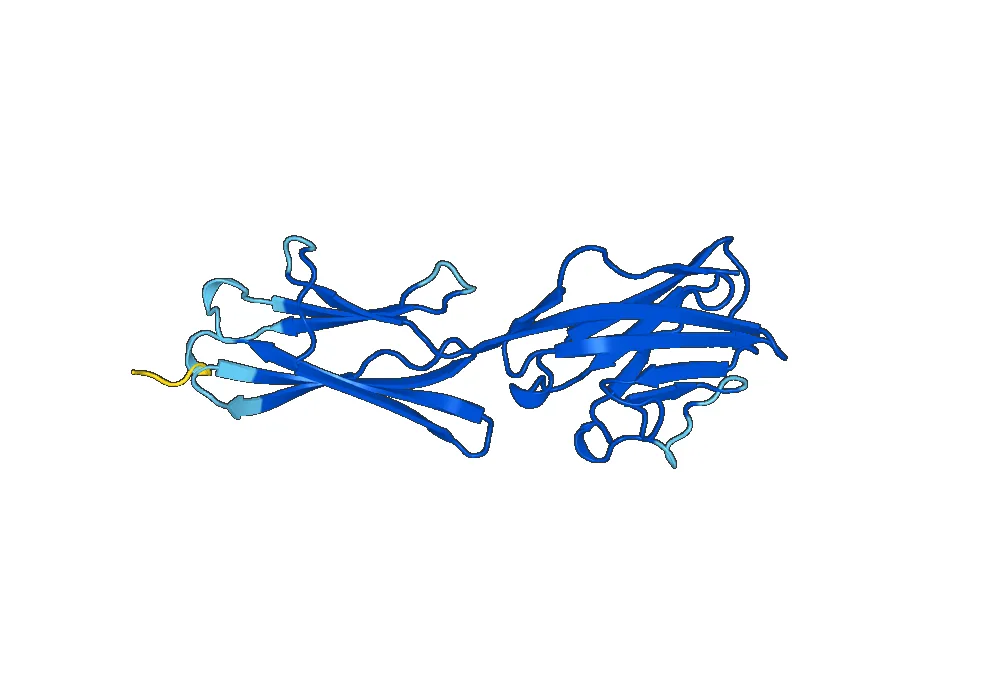
Recombinant Mouse CDH3/P-cadherin protein is a type I transmembrane protein with a molecular weight of approximately 130 kDa. It is composed of five extracellular cadherin domains, a transmembrane domain, and a cytoplasmic domain. The extracellular cadherin domains are responsible for the calcium-dependent homophilic interactions between P-cadherin molecules on adjacent cells. The transmembrane domain anchors the protein to the cell membrane, while the cytoplasmic domain interacts with intracellular signaling molecules.
Activity of Recombinant Mouse CDH3/P-cadherin Protein
Recombinant Mouse CDH3/P-cadherin protein is involved in various cellular processes, including cell adhesion, cell migration, and tissue morphogenesis. It mediates cell-cell adhesion by forming homophilic interactions with other P-cadherin molecules on adjacent cells. This adhesion is calcium-dependent and is essential for maintaining the integrity and stability of tissues.
In addition to its role in cell adhesion, recombinant Mouse CDH3/P-cadherin protein also plays a critical role in cell migration. It has been shown to promote cell migration by regulating the activity of small GTPases, such as RhoA and Rac1. These GTPases are involved in the formation of actin filaments, which are necessary for cell movement.
Furthermore, recombinant Mouse CDH3/P-cadherin protein has been shown to be involved in tissue morphogenesis. It is essential for the proper organization and development of tissues, such as the mammary gland and the nervous system. Studies have also shown that it plays a role in regulating cell proliferation and differentiation.
Applications of Recombinant Mouse CDH3/P-cadherin Protein
Recombinant Mouse CDH3/P-cadherin protein has a wide range of applications in both research and clinical settings. One of its main applications is in cell adhesion studies. Recombinant P-cadherin protein can be used to study the mechanisms of cell adhesion and its role in tissue organization and development.
In addition, recombinant Mouse CDH3/P-cadherin protein has been used in cancer research. Studies have shown that P-cadherin is overexpressed in various types of cancer, including breast, ovarian, and lung cancer. It has been implicated in promoting tumor growth and metastasis, making it a potential target for cancer therapy. Recombinant Mouse CDH3/P-cadherin protein can be used to study the role of P-cadherin in cancer progression and to develop novel therapeutic strategies.
Furthermore, recombinant Mouse CDH3/P-cadherin protein has potential applications in tissue engineering and regenerative medicine. Its role in tissue morphogenesis and its ability to promote cell migration make it a promising candidate for promoting tissue repair and regeneration.
Conclusion
Recombinant Mouse CDH3/P-cadherin protein is a crucial molecule involved in cell-cell adhesion, cell migration, and tissue morphogenesis. Its structure, activity, and applications have been extensively studied, and it has been implicated in various cellular processes and diseases. Further research on recombinant Mouse CDH3/P-cadherin protein may lead to a better understanding of its role in health and disease, and potentially open up new avenues for therapeutic interventions.


There are no reviews yet.