Introduction
Recombinant Mouse CHIT1 Protein is a highly versatile and biologically active protein that has been extensively studied in the field of immunology and biotechnology. This protein is derived from the chitinase 1 gene in mice and has been produced through recombinant DNA technology, making it a valuable tool for various research and industrial applications. In this article, we will explore the structure, activity, and applications of this recombinant protein.
Structure of Recombinant Mouse CHIT1 Protein
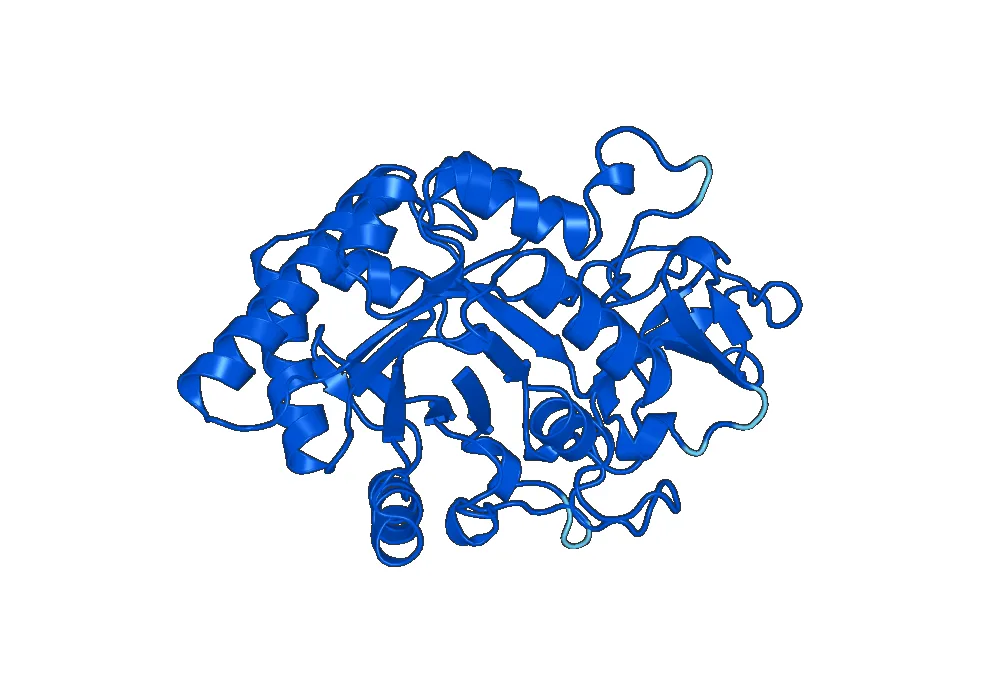
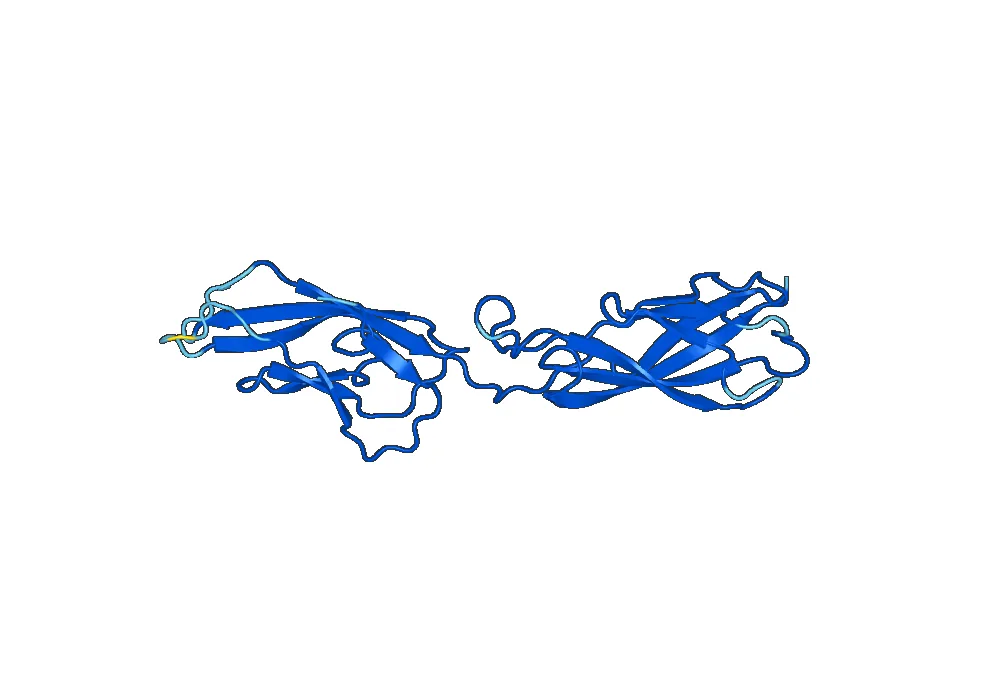
The CHIT1 protein is a glycosylated enzyme that belongs to the family of chitinases, which are enzymes that break down chitin, a major component of the cell walls of fungi and insects. The recombinant form of this protein is produced in a host cell, typically E. coli, and has a molecular weight of approximately 50-60 kDa. It is composed of 457 amino acids and has a conserved catalytic domain that is essential for its enzymatic activity.
The structure of Recombinant Mouse CHIT1 Protein also includes a signal peptide, which is responsible for targeting the protein to the secretory pathway. This allows for the protein to be secreted into the extracellular space, where it can exert its biological function.
Activity of Recombinant Mouse CHIT1 Protein
The main activity of Recombinant Mouse CHIT1 Protein is its chitinolytic function, which involves breaking down chitin into smaller fragments. This activity is essential for the digestion of chitin-containing organisms and also plays a role in the immune response against parasitic infections.
In addition to its chitinolytic activity, this recombinant protein has been shown to possess antimicrobial properties. It has been found to inhibit the growth of various pathogenic bacteria, including Staphylococcus aureus and Pseudomonas aeruginosa, by disrupting their cell walls.
Furthermore, Recombinant Mouse CHIT1 Protein has been shown to have immunomodulatory effects. It can stimulate the production of pro-inflammatory cytokines, such as TNF-α and IL-6, and enhance the activity of immune cells, such as macrophages and dendritic cells.
Applications of Recombinant Mouse CHIT1 Protein
Recombinant Mouse CHIT1 Protein has a wide range of applications in both research and industrial settings. Its chitinolytic activity makes it a valuable tool for studying the structure and function of chitin-containing organisms, such as fungi and insects. It can also be used in the production of chitooligosaccharides, which have various industrial and biomedical applications, including wound healing and drug delivery.
Furthermore, the antimicrobial and immunomodulatory properties of this recombinant protein make it a promising candidate for the development of new antimicrobial agents and immunotherapies. It has been studied for its potential use in treating bacterial infections, as well as in cancer immunotherapy.
In addition, Recombinant Mouse CHIT1 Protein has been used in diagnostic assays for the detection of chitinase activity in various biological samples. It has also been incorporated into cosmetic and skincare products for its exfoliating and anti-aging properties.
Conclusion
Recombinant Mouse CHIT1 Protein is a multifunctional and biologically active protein that has numerous applications in various fields. Its structure, activity, and diverse range of functions make it a valuable tool for research and industrial use. As further studies are conducted, it is likely that more applications for this recombinant protein will be discovered, making it an even more valuable asset in the scientific community.

There are no reviews yet.