Introduction
Recombinant Mouse DCC Protein is a highly specialized protein that plays a crucial role in the development and function of the nervous system. It is a member of the immunoglobulin superfamily and is encoded by the DCC (Deleted in Colorectal Cancer) gene. This protein is essential for axon guidance, cell migration, and synapse formation, making it a key player in the proper functioning of the nervous system. In this article, we will discuss the structure, activity, and applications of Recombinant Mouse DCC Protein.
Structure of Recombinant Mouse DCC Protein
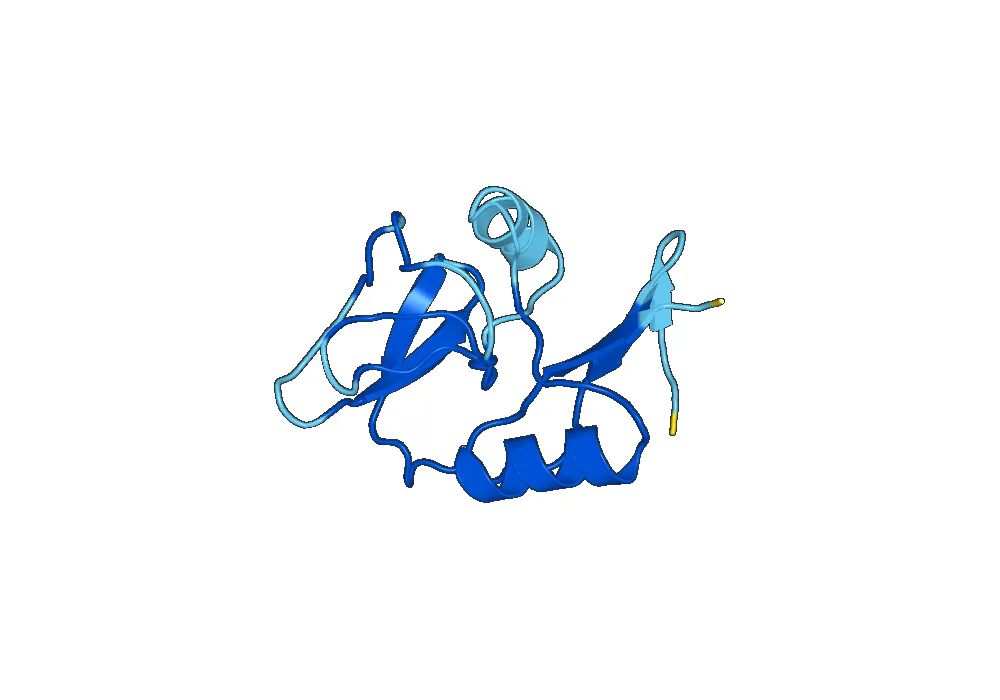
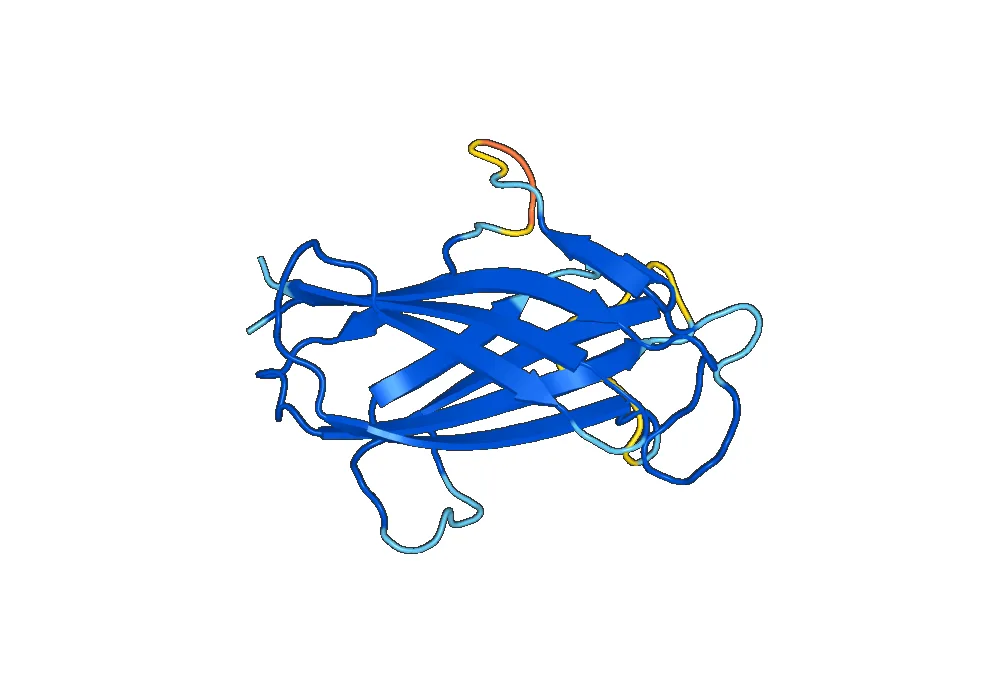
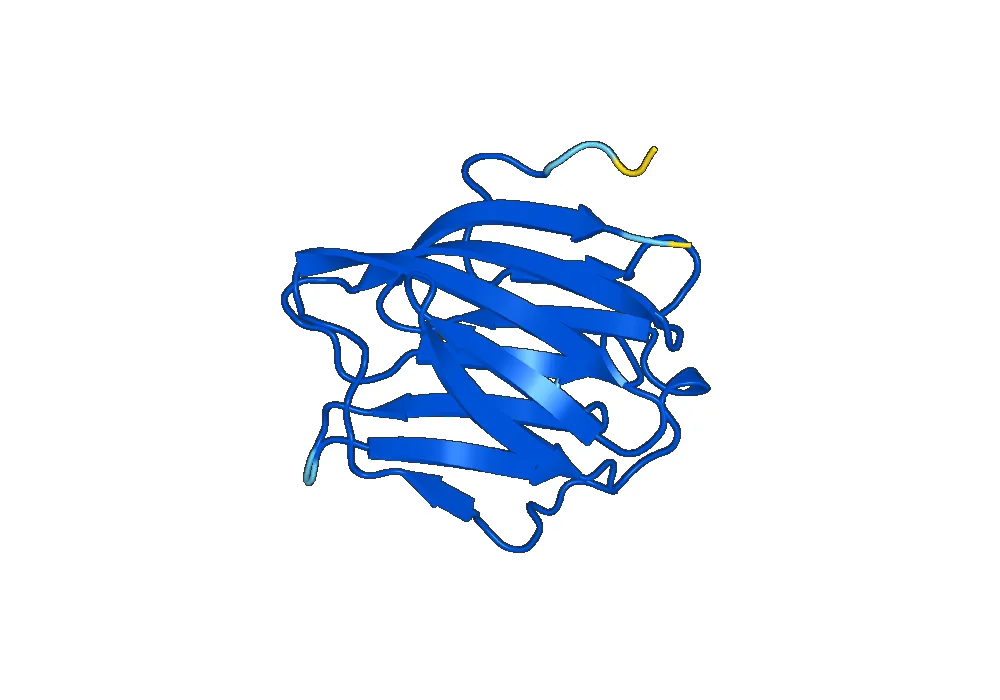
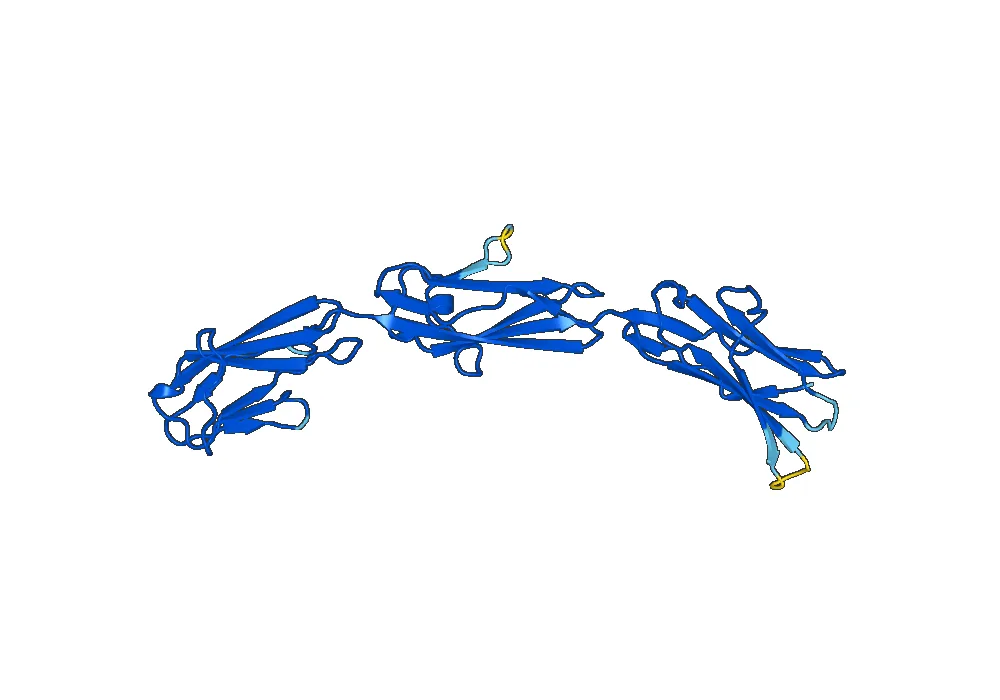
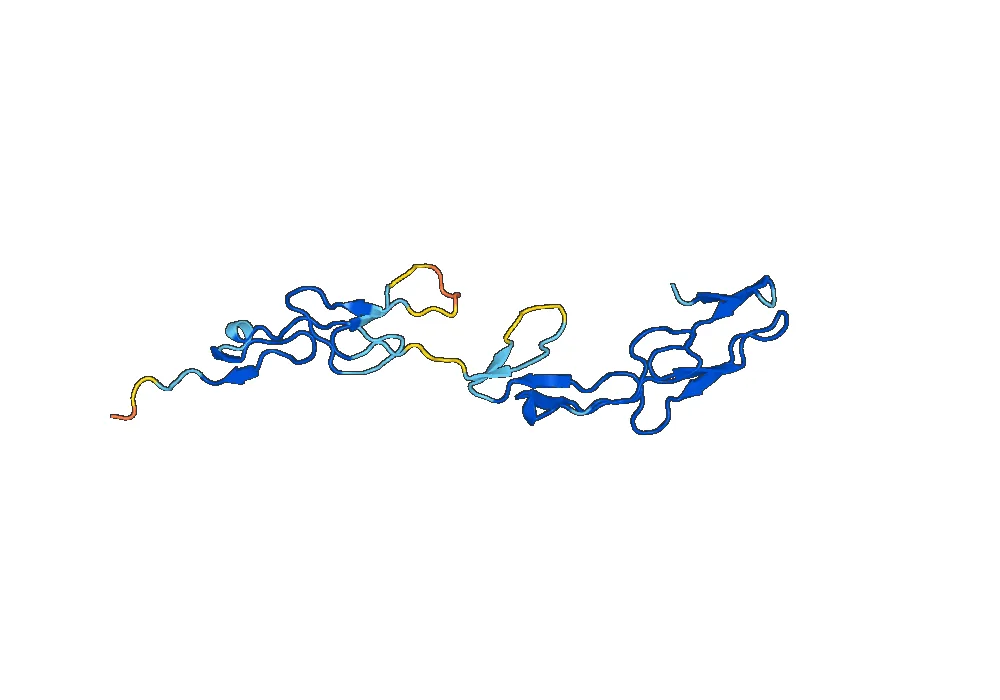
Recombinant Mouse DCC Protein is a transmembrane protein that consists of 1447 amino acids. It has a large extracellular domain, a single transmembrane domain, and a small intracellular domain. The extracellular domain contains five immunoglobulin-like domains and six fibronectin type III domains, which are important for protein-protein interactions. The cytoplasmic domain of DCC contains three conserved motifs, including a P1 domain, a P2 domain, and a P3 domain. These motifs are involved in downstream signaling and are essential for the proper functioning of the protein.
Activity of Recombinant Mouse DCC Protein
Recombinant Mouse DCC Protein is primarily known for its role in axon guidance. During development, axons of neurons need to navigate to their appropriate targets to form functional neural circuits. This process is regulated by a variety of guidance cues, including netrins, semaphorins, and slit proteins. Recombinant Mouse DCC Protein acts as a receptor for netrins, which are secreted proteins that attract or repel axons. DCC binds to netrins and activates downstream signaling pathways, leading to changes in axon growth and guidance. Additionally, Recombinant Mouse DCC Protein also interacts with other guidance cues, such as semaphorins and slit proteins, to regulate axon guidance and cell migration.
Besides its role in axon guidance, Recombinant Mouse DCC Protein also plays a crucial role in synapse formation. Synapses are specialized structures that allow neurons to communicate with each other. Recombinant Mouse DCC Protein is expressed in both pre- and postsynaptic neurons and is involved in the formation and maintenance of synapses. It interacts with other synaptic proteins, such as neurexins and neuroligins, to regulate synapse formation and function.
Applications of Recombinant Mouse DCC Protein
The unique structure and activity of Recombinant Mouse DCC Protein make it a valuable tool for various applications in neuroscience research. One of the main applications of this protein is in studying axon guidance and synapse formation. Recombinant Mouse DCC Protein can be used to investigate the role of DCC in these processes and to understand the underlying mechanisms. It can also be used to study the interactions between DCC and other guidance cues and synaptic proteins.
Recombinant Mouse DCC Protein can also be used in drug discovery and development. As DCC is involved in various neurological disorders, including autism and schizophrenia, it can serve as a potential therapeutic target. Recombinant Mouse DCC Protein can be used in high-throughput screening assays to identify compounds that can modulate its activity, thus providing potential treatments for these disorders.
Furthermore, Recombinant Mouse DCC Protein can also be used in diagnostic assays. As DCC is often mutated or deleted in certain types of cancer, such as colorectal cancer, it can serve as a biomarker for these diseases. Recombinant Mouse DCC Protein can be used to develop diagnostic tests for the detection and monitoring of these cancers.
Conclusion
Recombinant Mouse DCC Protein is a critical protein in the development and function of the nervous system. Its unique structure and activity make it a valuable tool for studying ax

There are no reviews yet.