Structure of Recombinant Mouse Flt3 ligand/FLT3L Protein
Recombinant Mouse Flt3 ligand/FLT3L Protein is a cytokine protein that is encoded by the FLT3L gene in mice. It is a homodimeric glycoprotein with a molecular weight of approximately 28 kDa. The protein is composed of two identical subunits, each containing 155 amino acids. The primary structure of Recombinant Mouse Flt3 ligand/FLT3L Protein is highly conserved among different species, with 70% sequence identity between mouse and human.
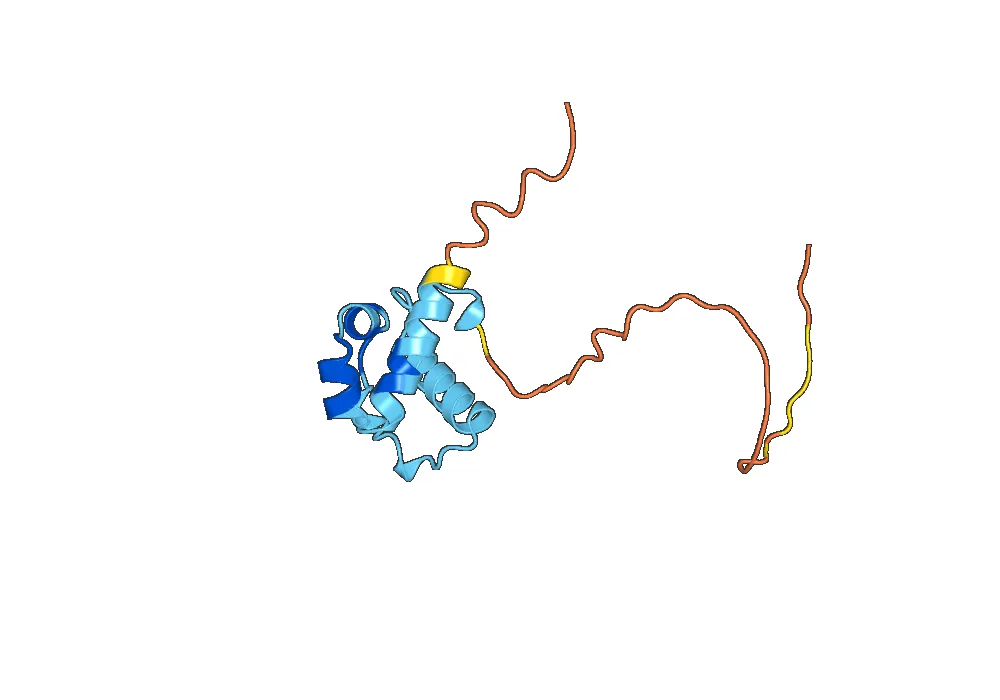
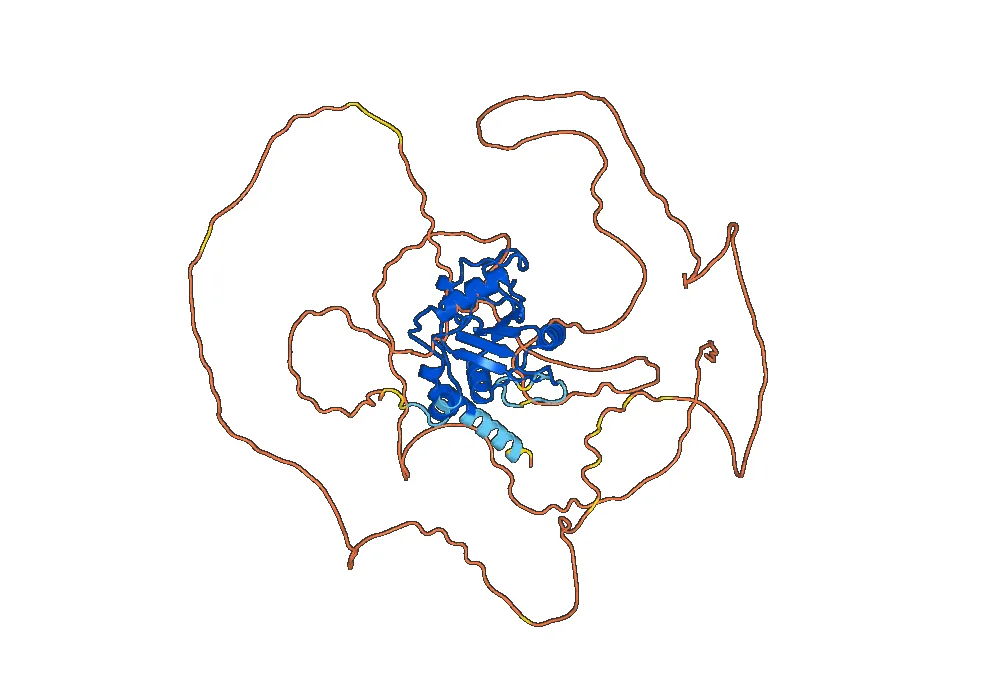
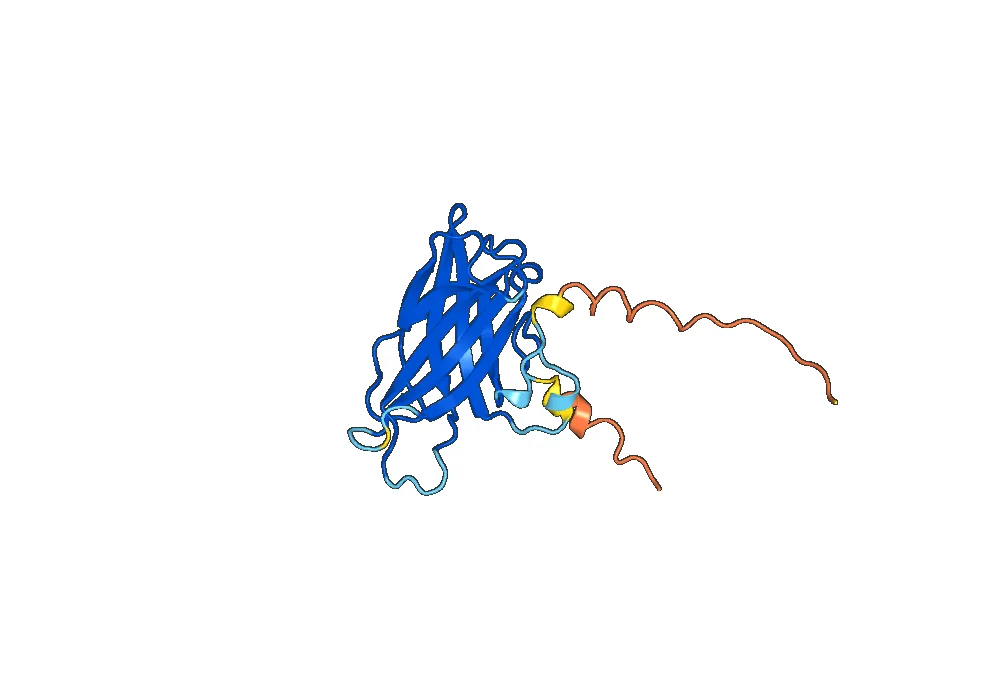
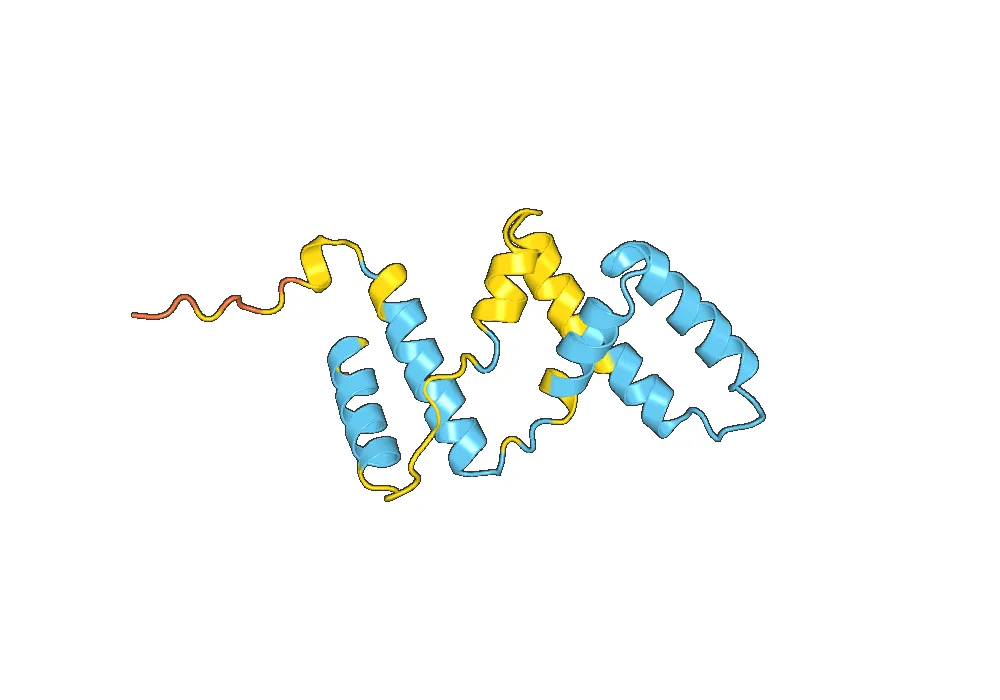
The crystal structure of Recombinant Mouse Flt3 ligand/FLT3L Protein has been determined and it consists of two β-trefoil domains connected by a short linker region. The protein also contains four N-linked glycosylation sites, which contribute to its stability and biological activity.
Activity of Recombinant Mouse Flt3 ligand/FLT3L Protein
Recombinant Mouse Flt3 ligand/FLT3L Protein is a potent growth factor that plays a crucial role in the development and differentiation of hematopoietic cells. It exerts its activity by binding to its receptor, Flt3, which is expressed on the surface of hematopoietic stem cells, progenitor cells, and dendritic cells.
Upon binding to Flt3, Recombinant Mouse Flt3 ligand/FLT3L Protein induces the activation of downstream signaling pathways, including the JAK-STAT, PI3K-AKT, and MAPK pathways. This leads to the proliferation, survival, and differentiation of hematopoietic cells, particularly dendritic cells. It also enhances the expression of MHC class II and co-stimulatory molecules on dendritic cells, making them more efficient antigen-presenting cells.
Application of Recombinant Mouse Flt3 ligand/FLT3L Protein
Due to its role in hematopoiesis and immune response, Recombinant Mouse Flt3 ligand/FLT3L Protein has various applications in research and clinical settings.
1. In vitro cell culture studies
Recombinant Mouse Flt3 ligand/FLT3L Protein is commonly used in in vitro studies to expand and differentiate hematopoietic stem cells and progenitor cells. It can also be used to generate dendritic cells from bone marrow or peripheral blood mononuclear cells.
2. Vaccine development
Dendritic cells are crucial for initiating and regulating immune responses. Recombinant Mouse Flt3 ligand/FLT3L Protein can be used to generate large numbers of dendritic cells, which can then be used in vaccine development for various diseases, including cancer and infectious diseases.
3. Immunotherapy
Recombinant Mouse Flt3 ligand/FLT3L Protein has shown potential in immunotherapy for cancer. It can be used to expand dendritic cells in vitro, which can then be loaded with tumor antigens and used as a vaccine or infused back into the patient to stimulate an anti-tumor immune response.
4. Treatment for bone marrow failure
In conditions such as aplastic anemia and myelodysplastic syndrome, there is a decrease in the number of blood cells produced by the bone marrow. Recombinant Mouse Flt3 ligand/FLT3L Protein has been shown to stimulate the production of blood cells and may have potential as a treatment for bone marrow failure.
Conclusion
Recombinant Mouse Flt3

There are no reviews yet.