Introduction to Recombinant Mouse Ifna15 Protein
Recombinant proteins are artificially produced proteins that are derived from genetic material using recombinant DNA technology. These proteins have a wide range of applications in various fields, including medicine, biotechnology, and research. One such important recombinant protein is the Recombinant Mouse Ifna15 Protein.
Structure of Recombinant Mouse Ifna15 Protein
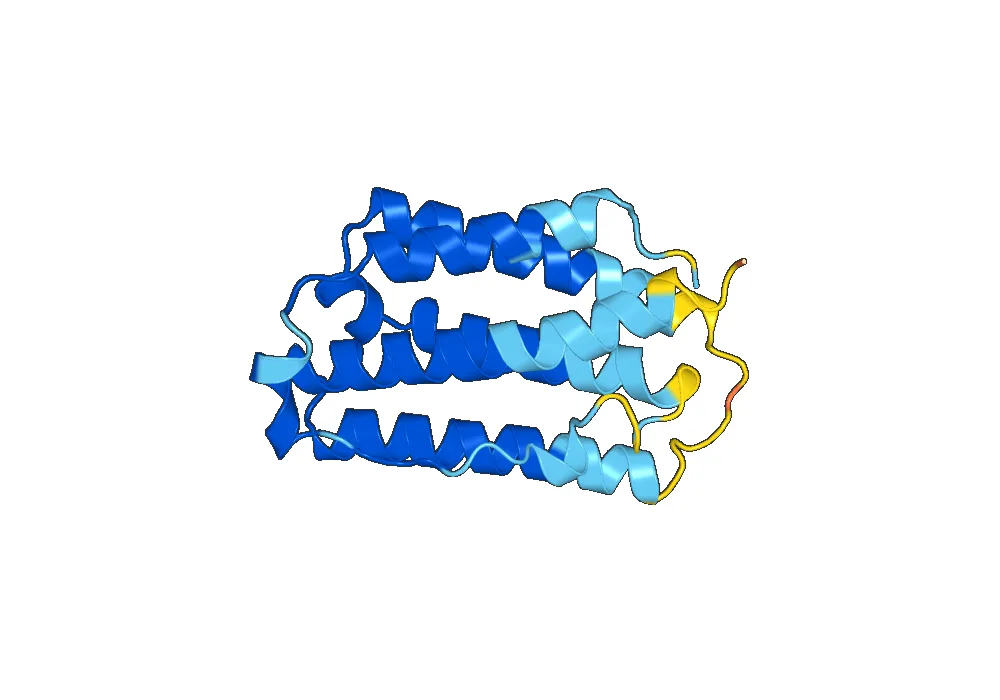
Recombinant Mouse Ifna15 Protein is a cytokine, which is a small protein that plays a crucial role in cell signaling and immune responses. It belongs to the interferon alpha family, specifically the type I interferons. The protein is composed of 166 amino acids and has a molecular weight of approximately 19 kDa. It has a three-dimensional structure that is stabilized by disulfide bonds between cysteine residues.
Activity of Recombinant Mouse Ifna15 Protein
Recombinant Mouse Ifna15 Protein has a wide range of activities in the body, primarily related to its role in the immune system. It is produced by various cells, including immune cells such as macrophages and dendritic cells, in response to viral infections, bacterial infections, and other stimuli. The protein acts as a signaling molecule, binding to specific receptors on target cells and activating intracellular signaling pathways.
One of the key activities of Recombinant Mouse Ifna15 Protein is its role in antiviral defense. It stimulates the production of antiviral proteins, which inhibit viral replication and spread. Additionally, it also enhances the activity of immune cells, such as natural killer cells and cytotoxic T cells, which are responsible for eliminating virus-infected cells.
Application of Recombinant Mouse Ifna15 Protein
Recombinant Mouse Ifna15 Protein has various applications in both research and medicine. In research, it is used as a tool to study the immune system and its response to viral infections. It is also used to investigate the mechanisms of action of other cytokines and their interactions with the immune system.
In medicine, Recombinant Mouse Ifna15 Protein has shown promising results in the treatment of viral infections, such as hepatitis B and C, and certain types of cancer. It has also been used in the treatment of autoimmune diseases, such as multiple sclerosis and rheumatoid arthritis, due to its ability to modulate the immune response.
Recombinant Mouse Ifna15 Protein as an Antigen
An antigen is a substance that can elicit an immune response in the body. Recombinant Mouse Ifna15 Protein can act as an antigen when introduced into the body, triggering the production of antibodies and activating immune cells. This property is utilized in the development of vaccines, where the protein is used as an antigen to stimulate the immune system and provide protection against viral infections.
Conclusion
In summary, Recombinant Mouse Ifna15 Protein is a cytokine with a vital role in the immune system. Its ability to stimulate antiviral responses and modulate the immune system has made it a valuable tool in research and a potential therapeutic agent for various diseases. Its structure, activity, and applications make it a promising recombinant protein in the field of biotechnology and medicine.





There are no reviews yet.