Introduction to Recombinant Mouse TGFBI Protein
Recombinant Mouse TGFBI Protein, also known as Transforming Growth Factor Beta-Induced Protein (TGFBI), is a member of the extracellular matrix (ECM) protein family. It is a highly conserved protein found in various tissues and is involved in a wide range of cellular processes, including cell adhesion, migration, proliferation, and differentiation. This protein has been extensively studied due to its important role in various biological functions and its potential as a therapeutic target for various diseases.
Structure of Recombinant Mouse TGFBI Protein
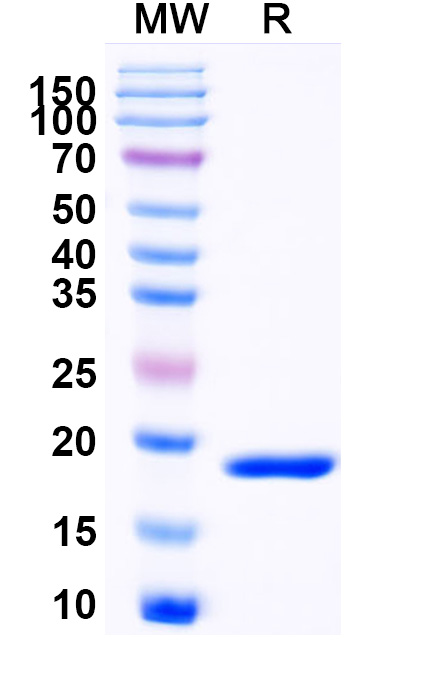
The recombinant form of TGFBI protein is produced by cloning and expressing the mouse TGFBI gene in a suitable host cell, such as E. coli or mammalian cells. The protein is then purified using various techniques, such as affinity chromatography and size-exclusion chromatography, to obtain a highly pure and active form of the protein.
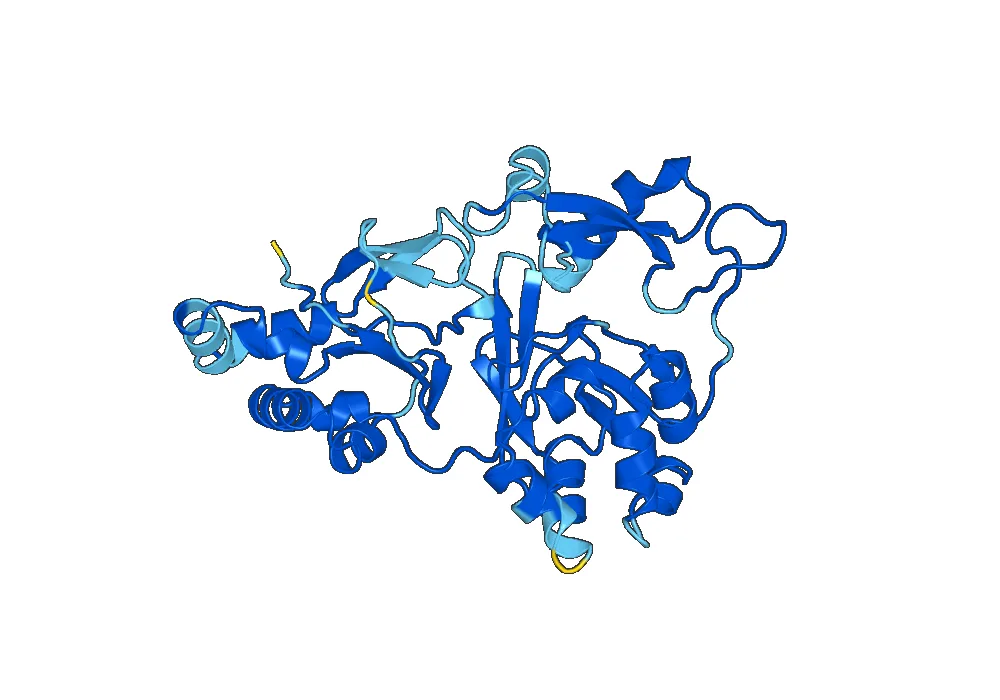
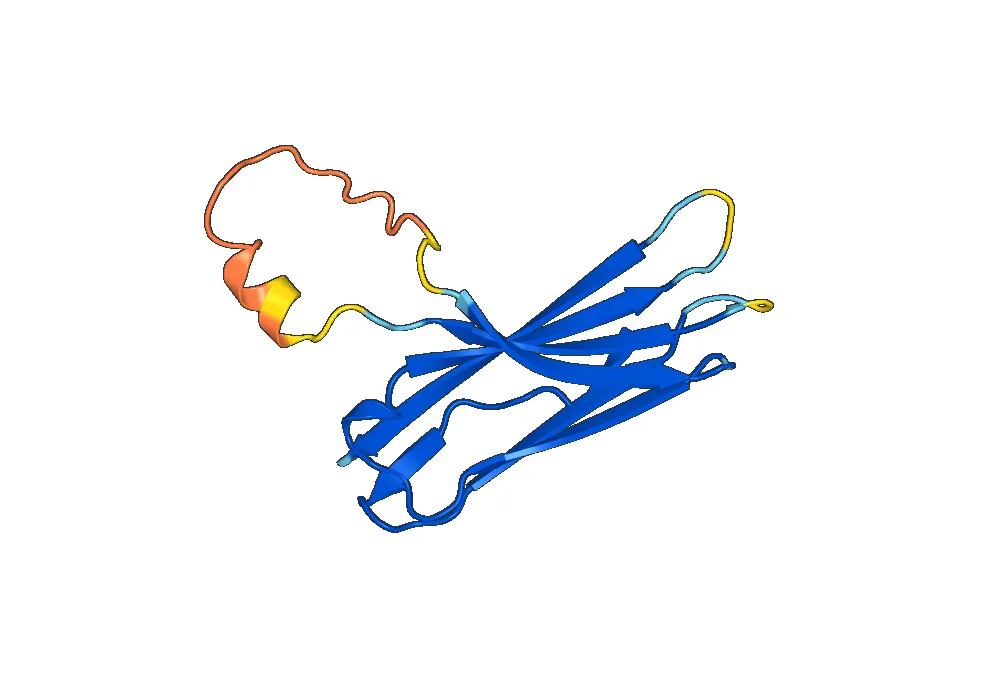
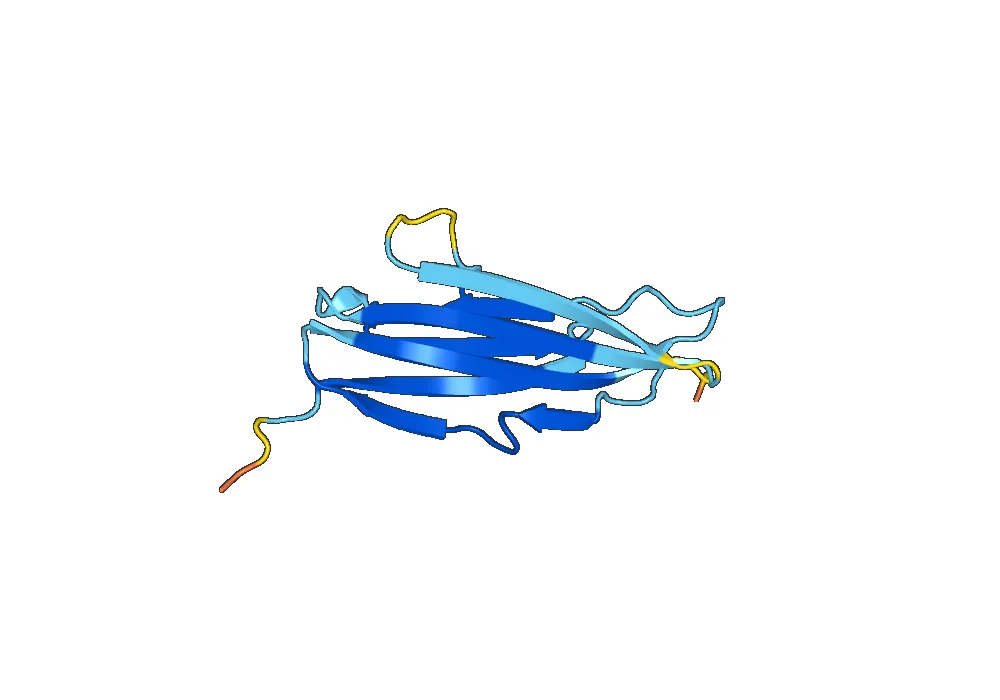
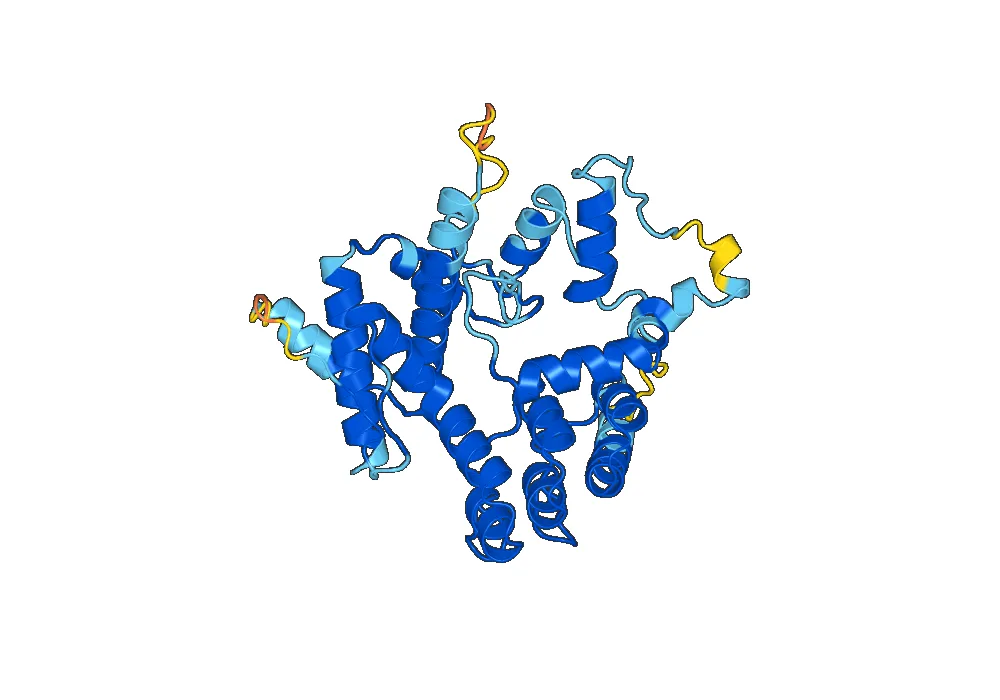
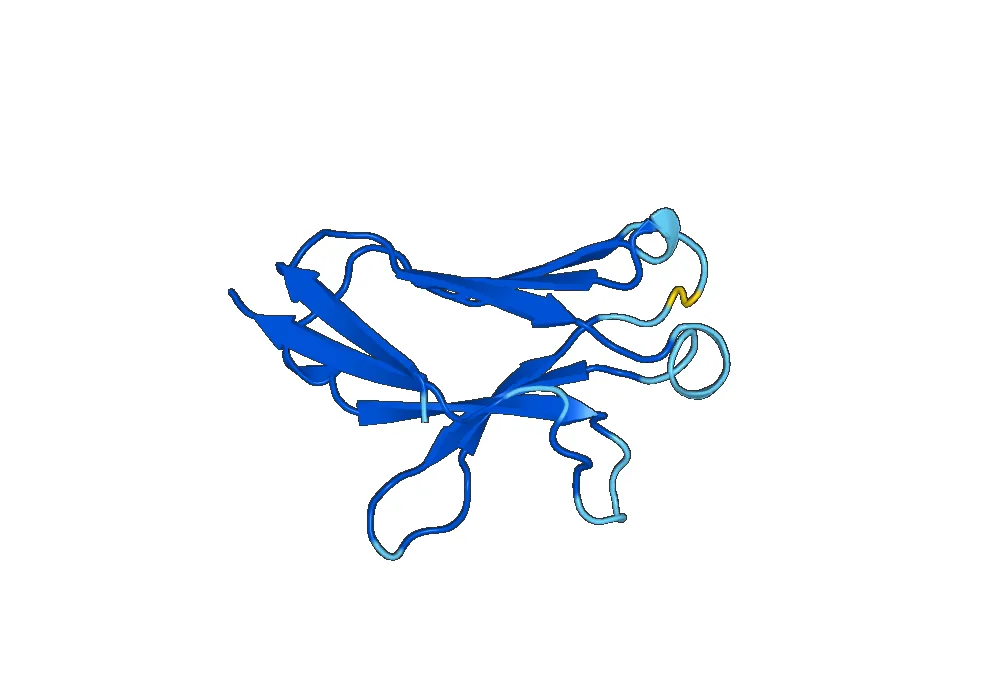
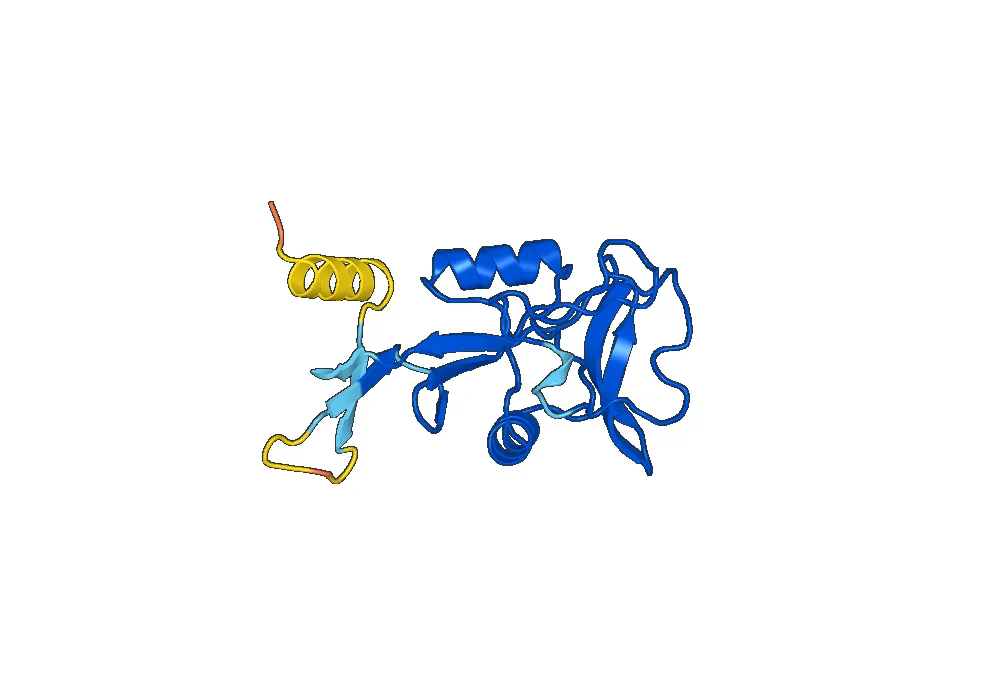
The recombinant mouse TGFBI protein is a 68 kDa glycoprotein consisting of 683 amino acids. It has a characteristic modular structure, with four homologous domains known as fasciclin I (FAS1) domains. These domains are responsible for the protein’s ability to interact with various ECM components, such as collagen, fibronectin, and laminin.
The FAS1 domains are connected by flexible linker regions, giving the protein a flexible and extended conformation. This allows for the protein to interact with multiple binding partners and participate in various cellular processes.
Activity of Recombinant Mouse TGFBI Protein
Recombinant Mouse TGFBI Protein has been shown to have diverse activities in different cell types. It has been reported to play a role in cell adhesion, migration, proliferation, and differentiation in various cell types, including fibroblasts, epithelial cells, and endothelial cells.
One of the key functions of TGFBI protein is its ability to interact with other ECM components and regulate cell adhesion. It has been shown to bind to integrins, a family of cell adhesion receptors, and promote cell adhesion to the ECM. This interaction is crucial for cell migration and tissue repair processes.
TGFBI protein has also been reported to have a role in cell proliferation and differentiation. Studies have shown that it can regulate cell cycle progression and promote cell proliferation in certain cell types. In addition, TGFBI protein has been shown to induce differentiation of mesenchymal stem cells into osteoblasts, suggesting its potential in tissue regeneration and repair.
Applications of Recombinant Mouse TGFBI Protein
The unique structure and diverse activities of Recombinant Mouse TGFBI Protein make it a valuable tool in various research and therapeutic applications.
One of the main applications of this protein is in the study of ECM biology and cell adhesion. Its ability to interact with multiple ECM components and regulate cell adhesion makes it a useful tool in understanding the complex processes involved in tissue development and repair.
TGFBI protein has also been studied for its potential as a therapeutic target in various diseases. Abnormal expression of TGFBI has been linked to various diseases, including corneal dystrophies, cancer, and fibrosis. Recombinant TGFBI protein can be used to study the role of this protein in disease progression and to develop potential therapies targeting TGFBI.
In addition, recombinant TGFBI protein has been used in tissue engineering and regenerative medicine. Its ability to promote cell adhesion, proliferation, and differentiation makes it a promising candidate for developing biomaterials and scaffolds for tissue repair and regeneration.
Conclusion
Recombinant Mouse TGFBI Protein is a versatile protein with a unique structure and diverse activities. Its role in cell adhesion, migration, proliferation, and differentiation makes it a valuable


There are no reviews yet.