Introduction
Recombinant Mouse ZNRF3 Protein is a highly versatile and important protein that plays a crucial role in various biological processes. It is a member of the ZNRF3 family of proteins, which are known for their ability to regulate the activity of Wnt signaling pathway. In this article, we will delve deeper into the structure, activity, and applications of Recombinant Mouse ZNRF3 Protein.
Structure of Recombinant Mouse ZNRF3 Protein
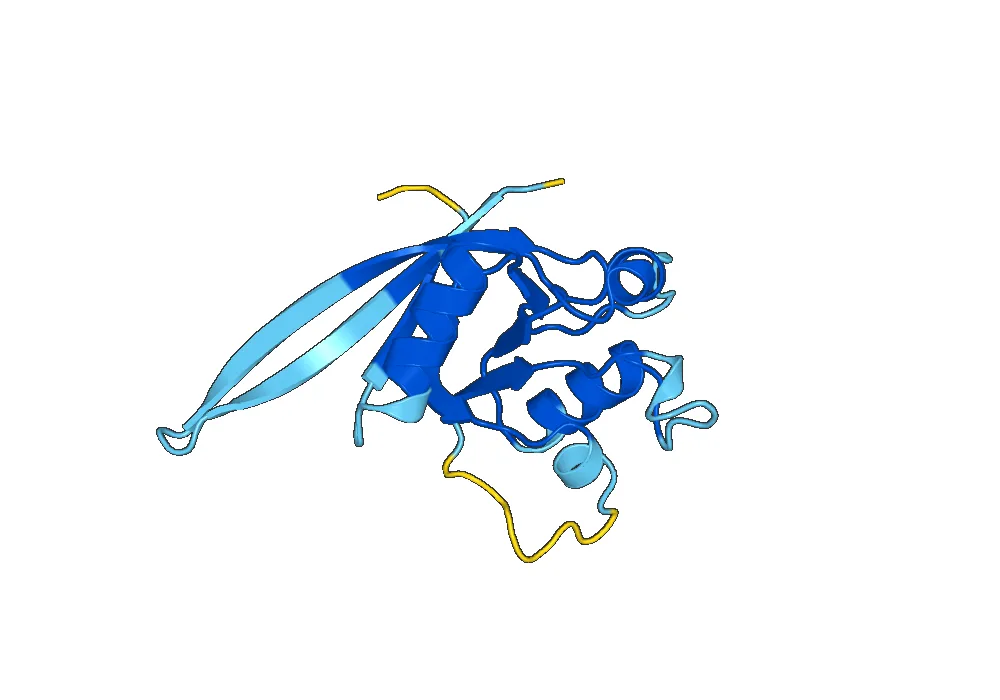
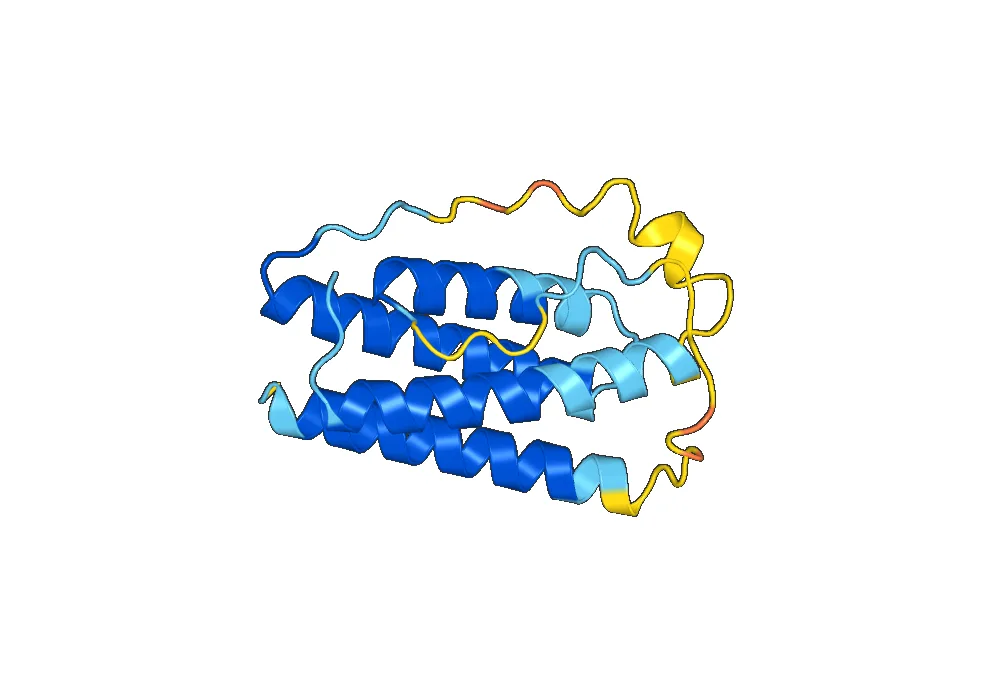
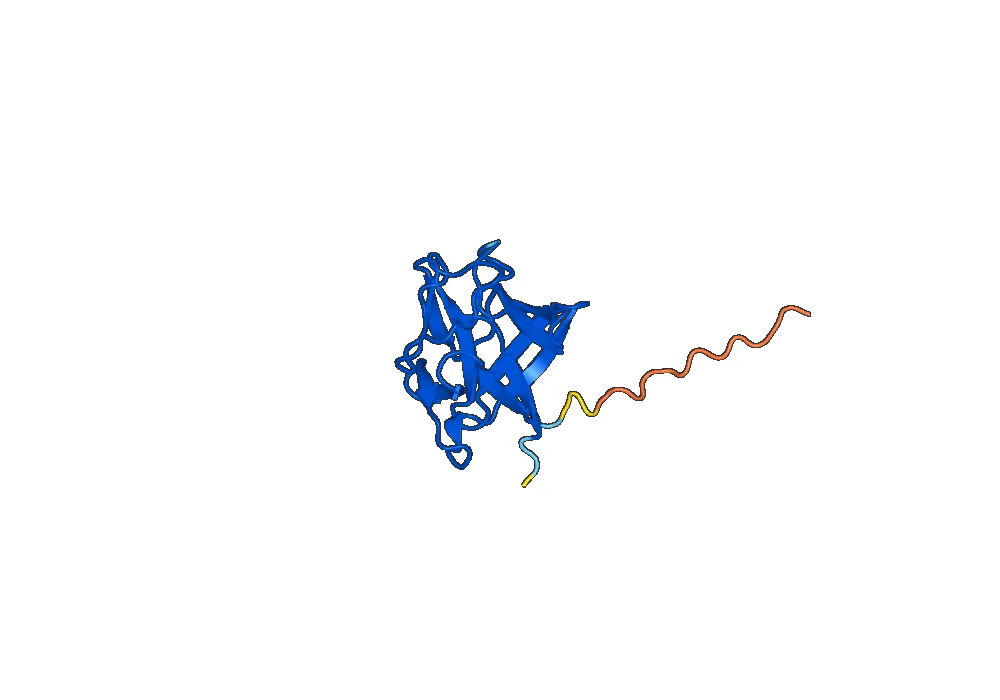
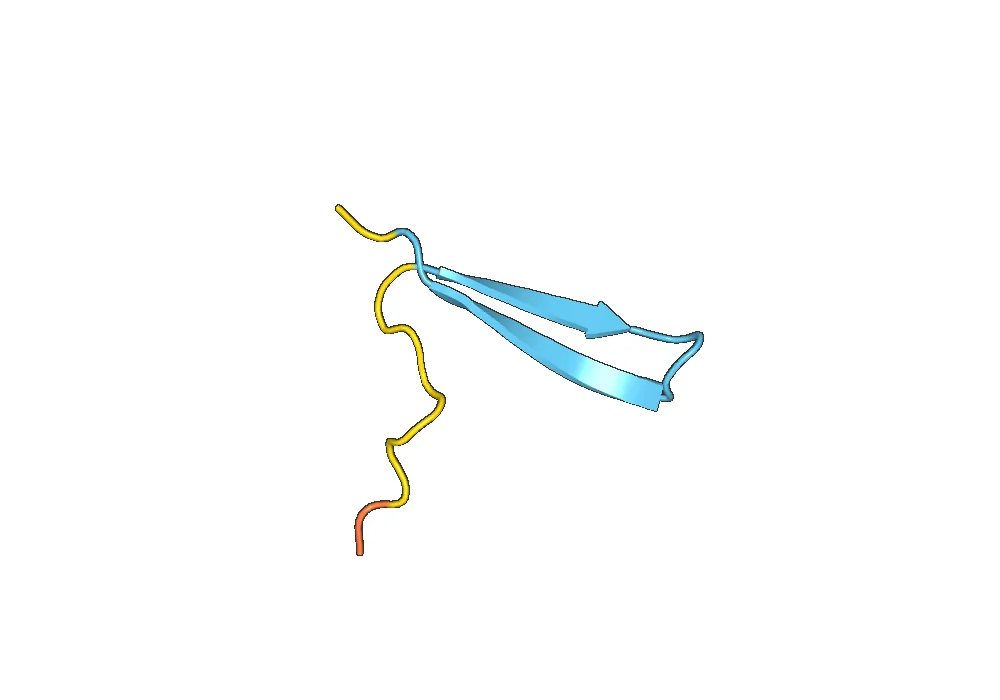
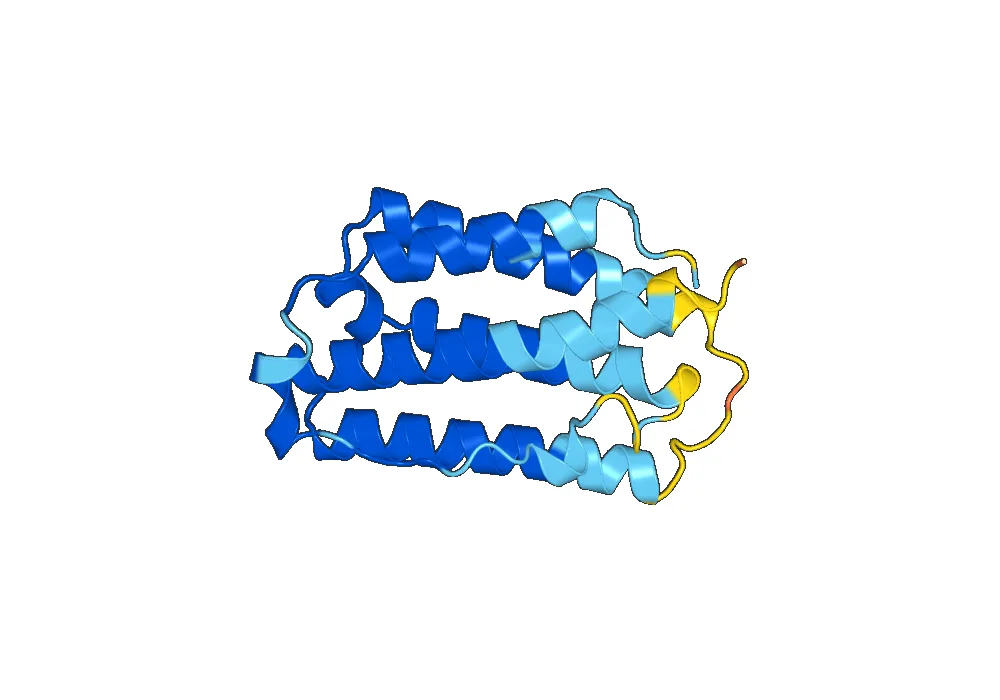
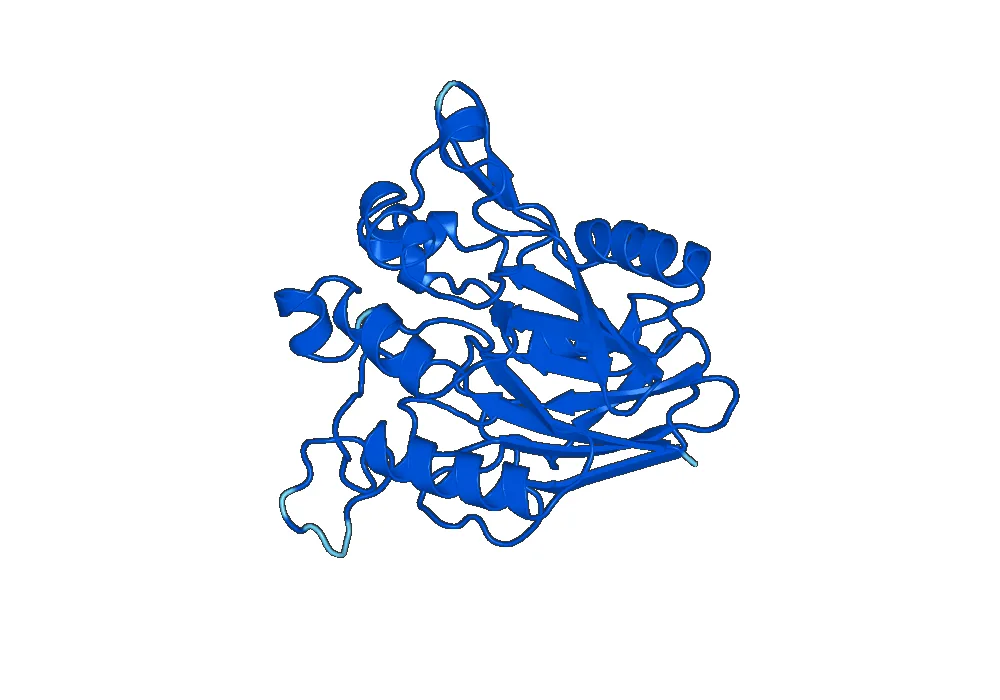
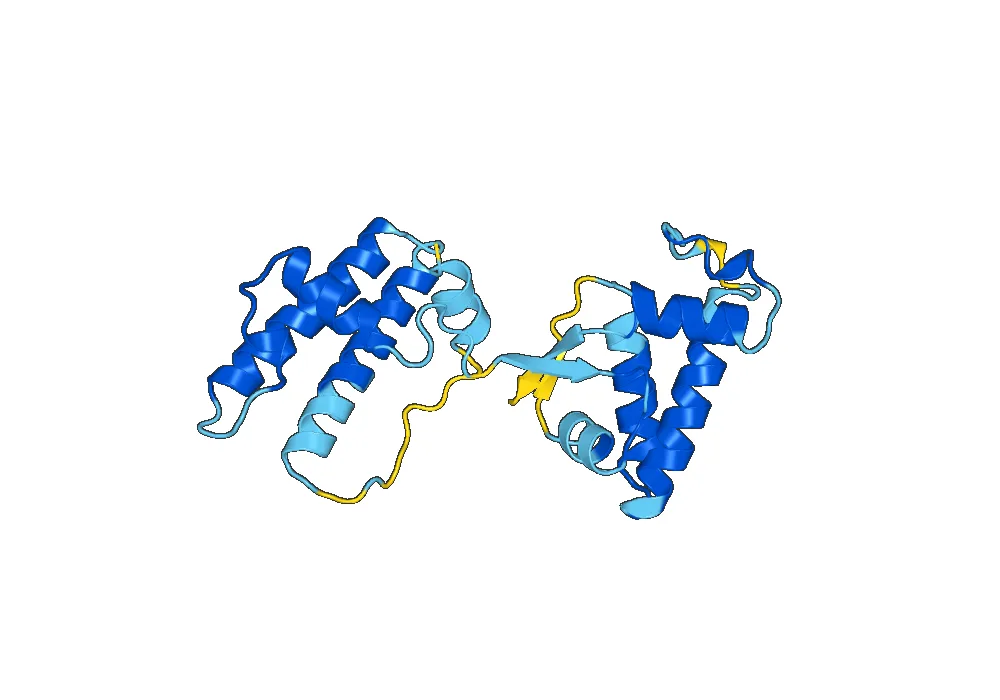
Recombinant Mouse ZNRF3 Protein is a 38 kDa protein that is composed of 349 amino acids. It consists of a transmembrane domain, a RING finger domain, and a C-terminal domain. The transmembrane domain is responsible for anchoring the protein to the cell membrane, while the RING finger domain is involved in the ubiquitination process. The C-terminal domain is responsible for the binding of the protein to Wnt receptors.
Activity of Recombinant Mouse ZNRF3 Protein
Recombinant Mouse ZNRF3 Protein is a potent inhibitor of the Wnt signaling pathway. It acts by promoting the ubiquitination and subsequent degradation of Wnt receptors, thus preventing the activation of the pathway. This activity is crucial for maintaining the balance of Wnt signaling, as dysregulation of this pathway has been linked to various diseases, including cancer.
In addition to its role in Wnt signaling, Recombinant Mouse ZNRF3 Protein has also been shown to play a role in regulating cell proliferation and differentiation. It has been found to inhibit the proliferation of cancer cells and promote the differentiation of stem cells into specific cell types.
Applications of Recombinant Mouse ZNRF3 Protein
Recombinant Mouse ZNRF3 Protein has a wide range of applications in both research and therapeutic settings. Its ability to regulate the Wnt signaling pathway makes it a valuable tool for studying the role of this pathway in various biological processes. It can be used to investigate the effects of Wnt signaling on cell proliferation, differentiation, and development.
In addition, Recombinant Mouse ZNRF3 Protein has potential therapeutic applications. Its ability to inhibit the Wnt signaling pathway makes it a potential target for cancer treatment. Studies have shown that overexpression of ZNRF3 can suppress the growth of various types of cancer cells, including colorectal, breast, and lung cancer.
Furthermore, Recombinant Mouse ZNRF3 Protein has been investigated as a potential treatment for bone-related disorders. It has been found to promote the differentiation of mesenchymal stem cells into osteoblasts, the cells responsible for bone formation. This suggests that it could be used to promote bone regeneration and repair in conditions such as osteoporosis and bone fractures.
Conclusion
In conclusion, Recombinant Mouse ZNRF3 Protein is a crucial player in the regulation of the Wnt signaling pathway. Its structure and activity make it a valuable tool for studying the role of this pathway in various biological processes. Moreover, its potential therapeutic applications make it a promising target for the treatment of cancer and bone-related disorders. Further research on this protein is necessary to fully understand its functions and potential uses in the future.


There are no reviews yet.