Introduction
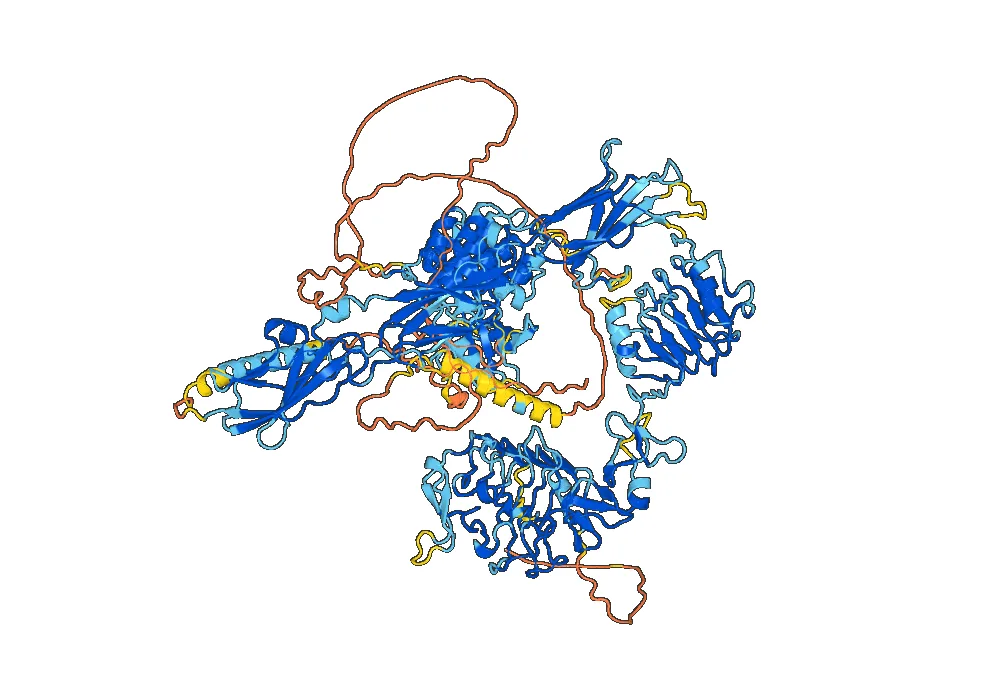
Robatumumab Biosimilar is a monoclonal antibody (mAb) that specifically targets the insulin-like growth factor 1 receptor (IGF1R), also known as CD221. This antibody has been developed as a potential therapeutic agent for various types of cancer, as IGF1R has been identified as an important therapeutic target in cancer treatment. In this article, we will discuss the structure, activity, and potential applications of Robatumumab Biosimilar in cancer research.
Structure of Robatumumab Biosimilar
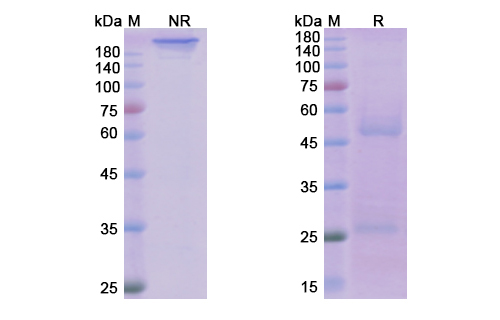
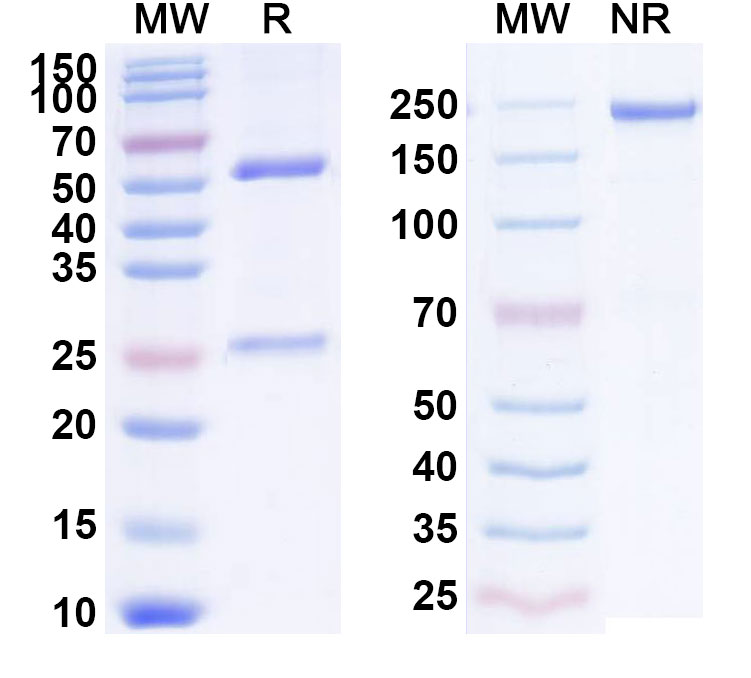
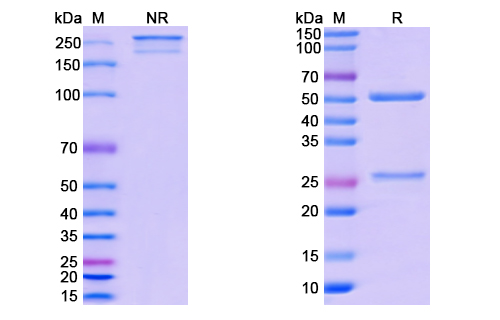
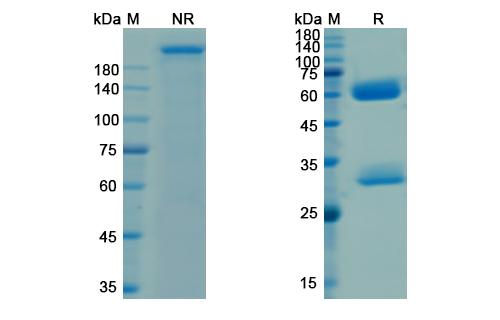
Robatumumab Biosimilar is a recombinant humanized IgG1 monoclonal antibody, with a molecular weight of approximately 150 kDa. It is composed of two identical heavy chains and two identical light chains, connected by disulfide bonds. The antibody is produced using recombinant DNA technology, where the gene for the antibody is inserted into a host cell and expressed to produce large quantities of the antibody.
Activity of Robatumumab Biosimilar
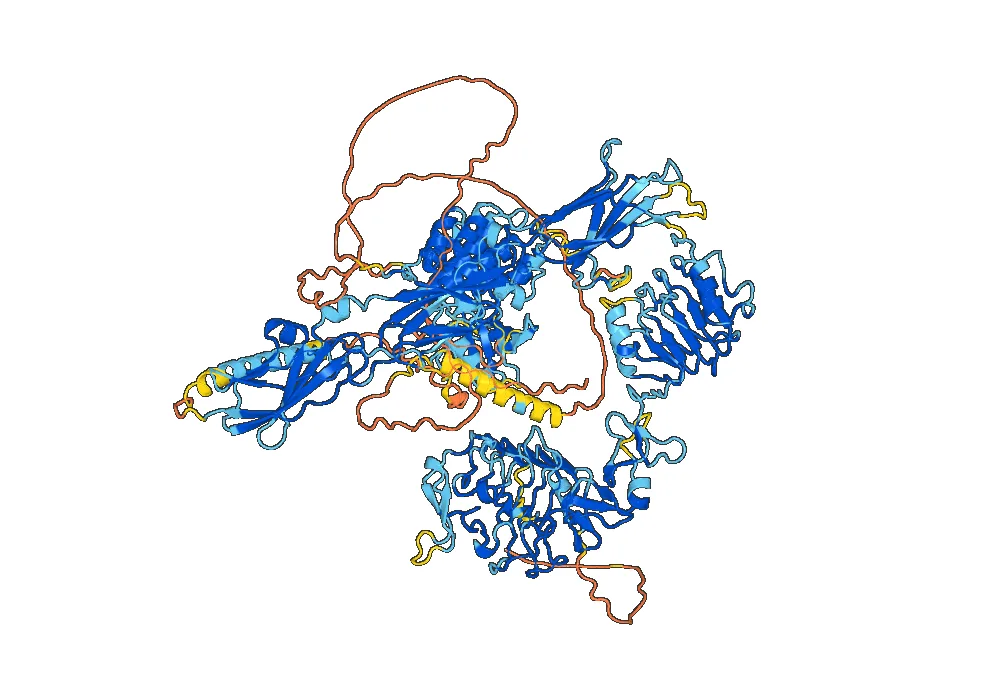
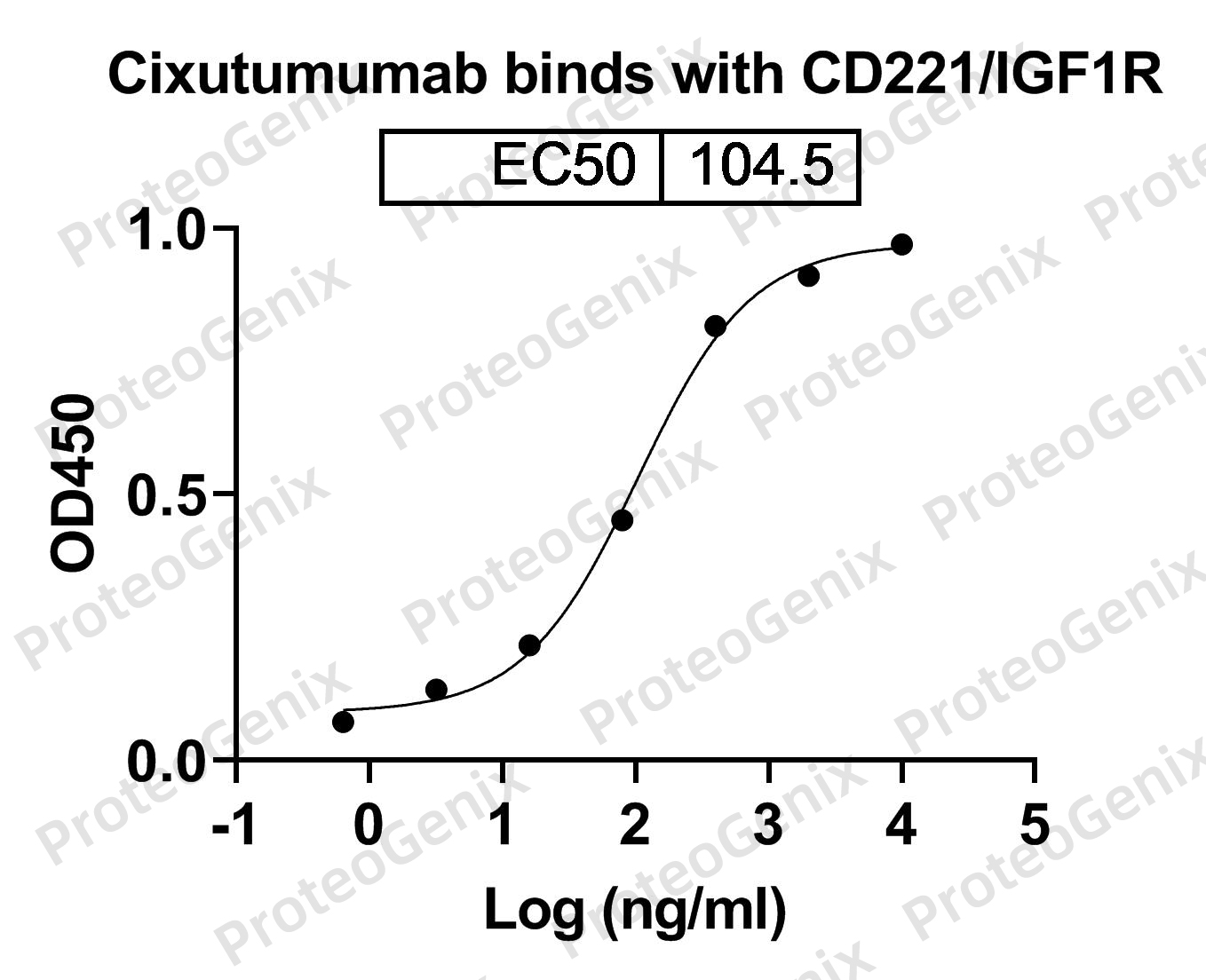
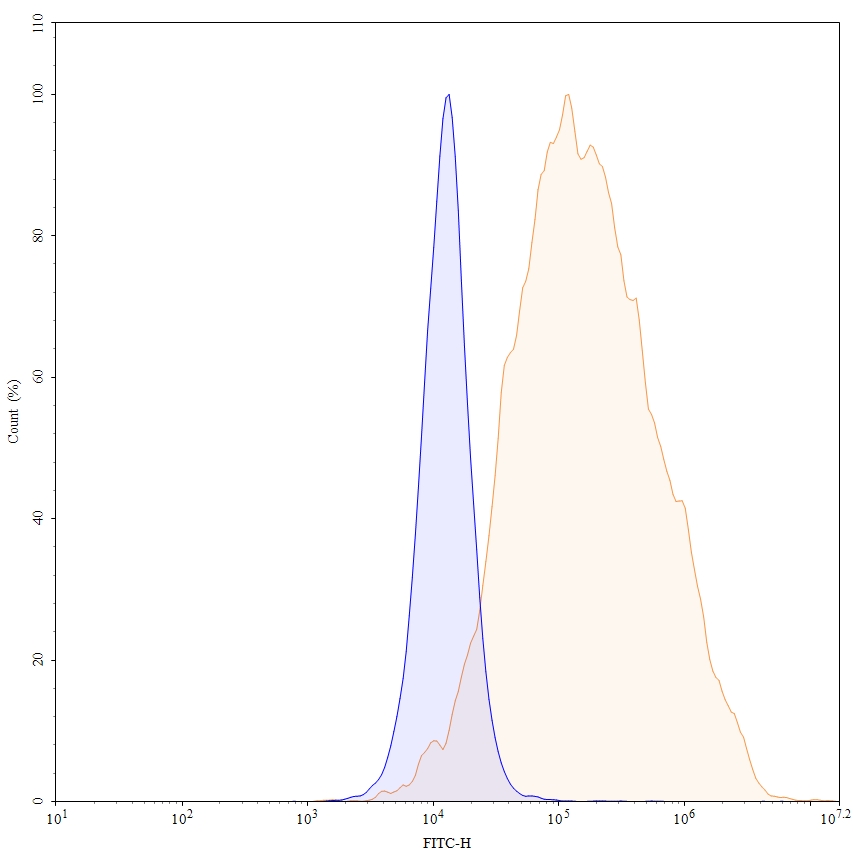
Robatumumab Biosimilar specifically binds to the extracellular domain of IGF1R, inhibiting its activity. IGF1R is a transmembrane receptor that plays a crucial role in cell growth and survival. It is activated by binding to its ligands, insulin-like growth factor 1 (IGF1) and insulin-like growth factor 2 (IGF2). When activated, IGF1R initiates a signaling cascade that promotes cell proliferation, survival, and migration. In cancer cells, IGF1R signaling is often dysregulated, leading to uncontrolled cell growth and tumor progression.
By binding to IGF1R, Robatumumab Biosimilar blocks the binding of IGF1 and IGF2, thereby inhibiting IGF1R signaling. This ultimately leads to a decrease in cancer cell growth and survival. Additionally, Robatumumab Biosimilar has been shown to induce antibody-dependent cell-mediated cytotoxicity (ADCC), where immune cells recognize and kill cancer cells that are bound by the antibody.
Applications of Robatumumab Biosimilar
Robatumumab Biosimilar has shown promising results in preclinical studies and is currently being evaluated in clinical trials for the treatment of various types of cancer. Some of the potential applications of this antibody include:
1. Breast Cancer
IGF1R is known to play a critical role in the development and progression of breast cancer. Studies have shown that overexpression of IGF1R is associated with poor prognosis in breast cancer patients. Robatumumab Biosimilar has been shown to inhibit the growth of breast cancer cells in preclinical studies and is currently being evaluated in clinical trials for the treatment of advanced breast cancer.
2. Lung Cancer IGF1R is also highly expressed in lung
cancer, and its activation has been linked to resistance to chemotherapy and targeted therapies. Preclinical studies have shown that Robatumumab Biosimilar can sensitize lung cancer cells to chemotherapy, making it a potential treatment option for lung cancer patients.
3. Colorectal Cancer
IGF1R has been identified as a potential therapeutic target in colorectal cancer, and its overexpression has been associated with poor prognosis. In preclinical studies, Robatumumab Biosimilar has been shown to inhibit the growth of colorectal cancer cells and enhance the efficacy of chemotherapy.
4. Other Cancers
In addition to breast, lung, and colorectal
cancer, Robatumumab Biosimilar is also being evaluated for the treatment of other types of cancer, including prostate cancer, pancreatic cancer, and sarcoma. These cancers have also been found to have dysregulated IGF1R signaling, making them potential targets for this antibody.
Conclusion
Robatumumab Biosimilar is a promising therapeutic agent that specifically targets IGF1R, a key player in cancer growth and progression. Its unique mechanism of action and potential for use in various types of cancer make it a

There are no reviews yet.