Rozipafusp alfa Biosimilar – Anti-B7RP1 mAb: A Novel Therapeutic Antibody Targeting B7RP1 Rozipafusp alfa Biosimilar, also known as Anti-B7RP1 mAb, is a novel therapeutic antibody that has been developed as a biosimilar to the original Rozipafusp alfa antibody. This biosimilar has been specifically designed to target B7RP1, a protein that plays a crucial role in immune regulation and has been identified as a potential therapeutic target for various diseases.
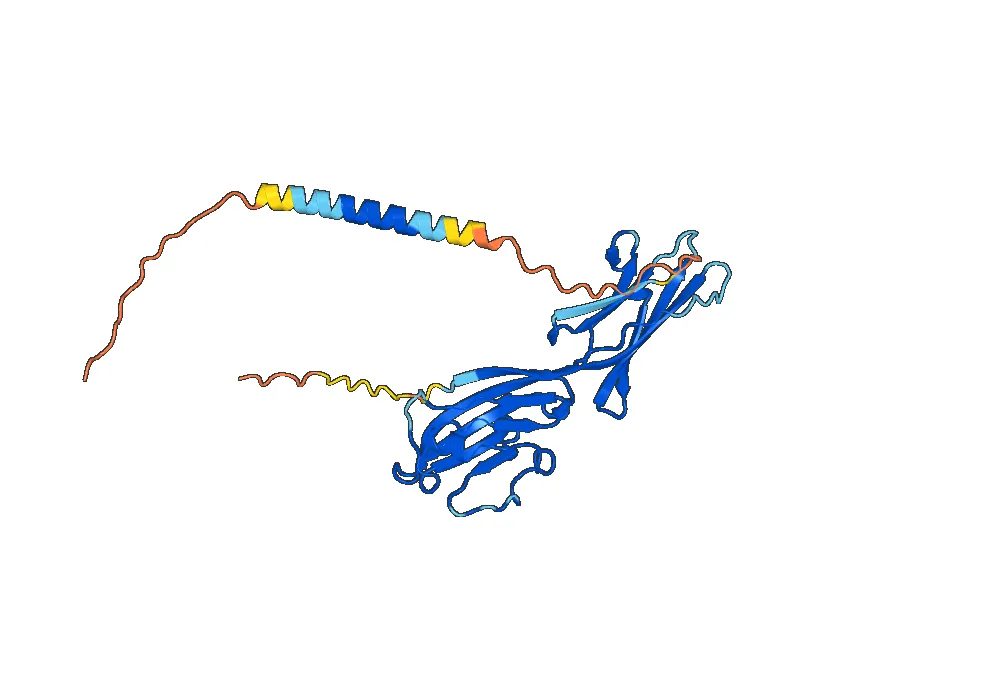
Structure of Rozipafusp alfa Biosimilar
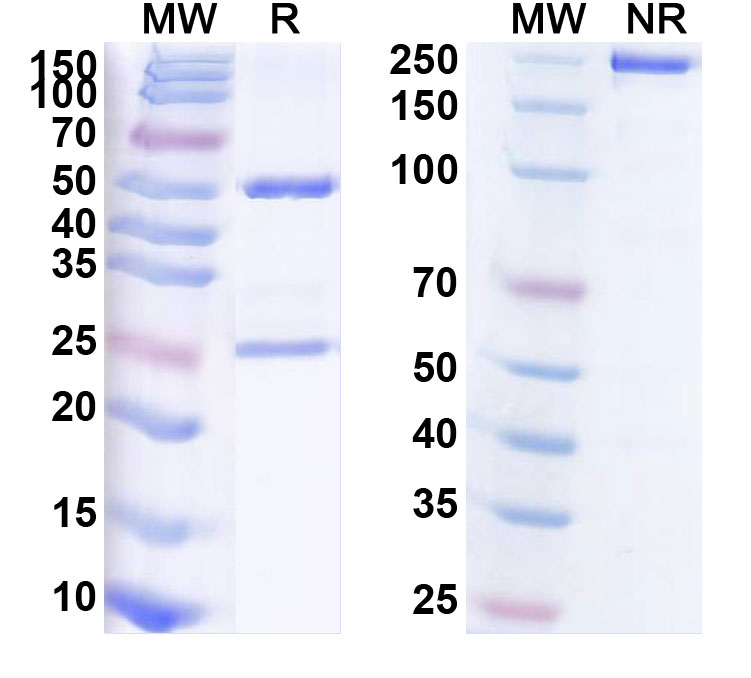
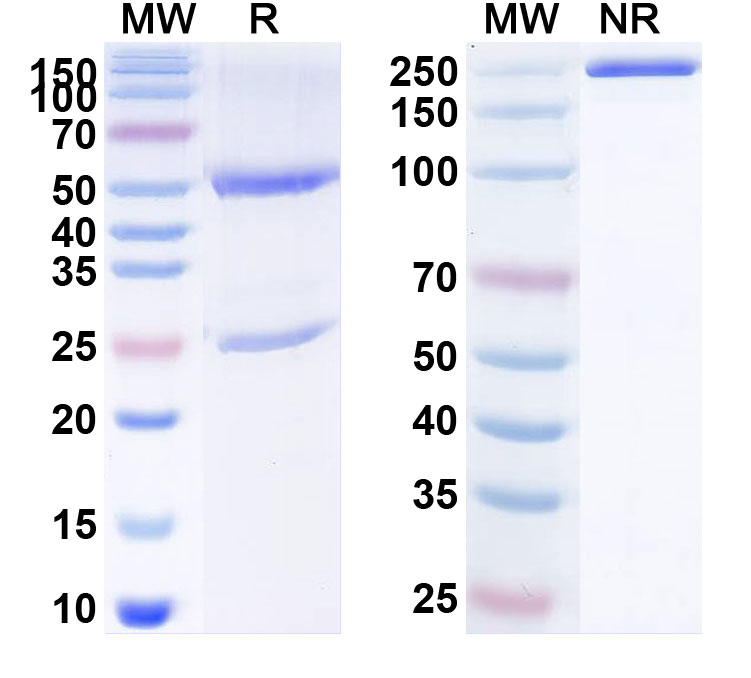
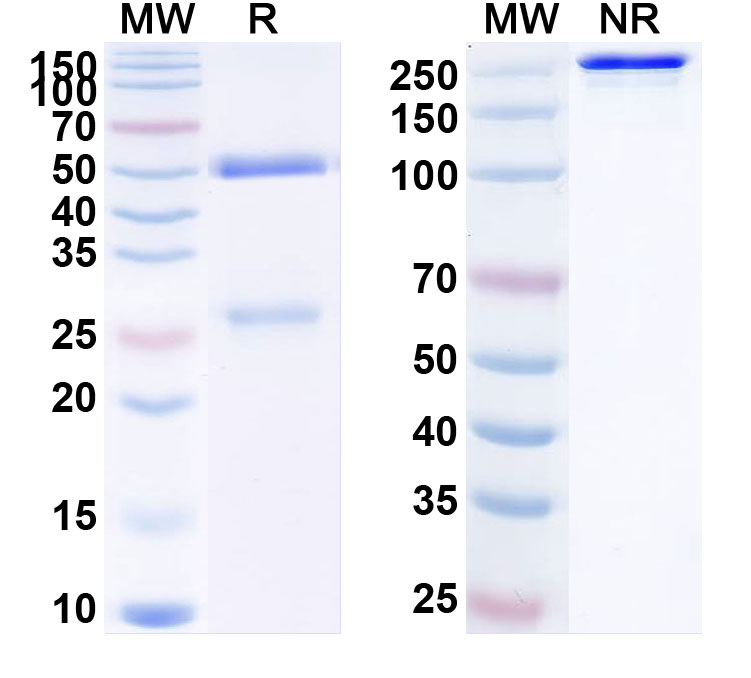
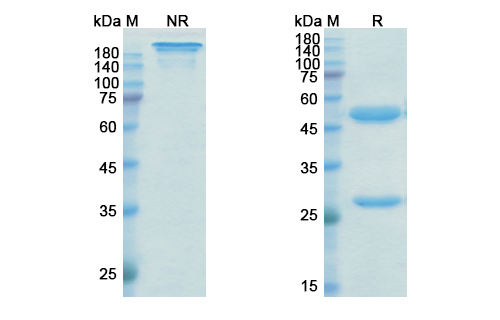
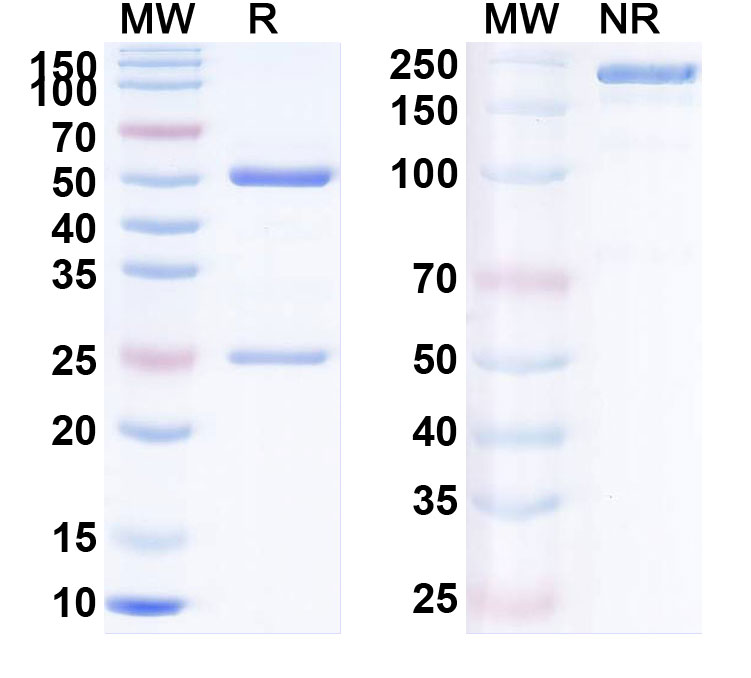
Rozipafusp alfa Biosimilar is a monoclonal antibody (mAb) that is produced through recombinant DNA technology. It is a fully humanized antibody, meaning that it is derived from human genetic material, which reduces the risk of immunogenicity and enhances its efficacy. The antibody has a molecular weight of approximately 150 kDa and consists of two identical heavy chains and two identical light chains, connected by disulfide bonds.
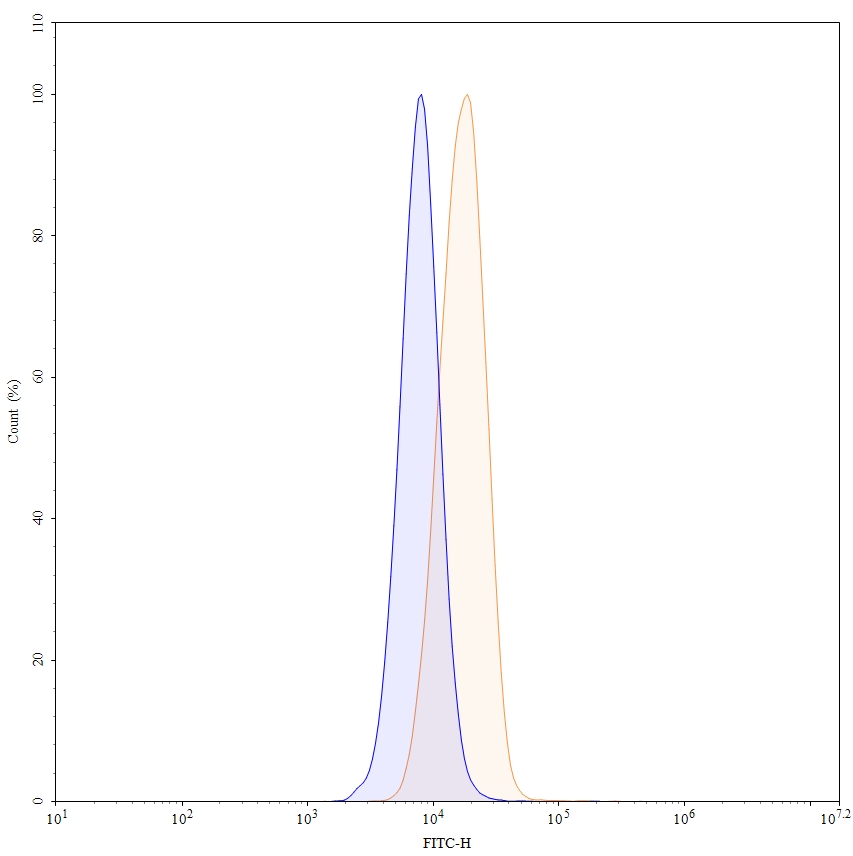
The variable regions of the antibody, which are responsible for binding to the target protein, have been engineered to have high affinity and specificity for B7RP1. This allows Rozipafusp alfa Biosimilar to effectively bind to and inhibit the activity of B7RP1, leading to its therapeutic effects.
Mechanism of Action
The main mechanism of action of Rozipafusp alfa Biosimilar is through its binding to B7RP1. B7RP1 is a co-stimulatory protein that is expressed on the surface of various immune cells, including T cells, B cells, and dendritic cells. When B7RP1 binds to its receptor, ICOS, it activates immune cells and promotes their proliferation and cytokine production.
By binding to B7RP1, Rozipafusp alfa Biosimilar blocks the interaction between B7RP1 and ICOS, thereby inhibiting the activation of immune cells. This leads to a decrease in the production of pro-inflammatory cytokines and an increase in the production of anti-inflammatory cytokines, resulting in the regulation of the immune response.
Applications of Rozipafusp alfa Biosimilar
Rozipafusp alfa Biosimilar has shown promising results in preclinical studies and is currently being evaluated in clinical trials for the treatment of various diseases. Its main therapeutic applications include:
- Inflammatory Diseases: B7RP1 has been implicated in the pathogenesis of various inflammatory diseases, such as rheumatoid arthritis, psoriasis, and inflammatory bowel disease. By targeting B7RP1, Rozipafusp alfa Biosimilar has the potential to reduce inflammation and improve symptoms in these conditions.
- Cancer: B7RP1 has also been found to play a role in cancer progression and immune evasion. By inhibiting B7RP1, Rozipafusp alfa Biosimilar may enhance the anti-tumor immune response and improve the efficacy of cancer treatments.
- Transplant Rejection: B7RP1 is involved in the activation of T cells, which can lead to transplant rejection. By blocking B7RP1, Rozipafusp alfa Biosimilar has the potential to prevent transplant rejection and improve transplant outcomes.
Conclusion
Rozipafusp alfa Biosimilar is a novel therapeutic antibody that has been specifically designed to target B7RP1, a protein involved in immune regulation. Its unique structure and mechanism of action make it a promising candidate for the treatment of various diseases, including inflammatory diseases, cancer, and transplant rejection. As clinical trials continue to evaluate its efficacy and safety, Rozipafusp alfa Biosimilar has the potential to become a valuable addition to the arsenal of therapeutic antibodies.

There are no reviews yet.