Introduction
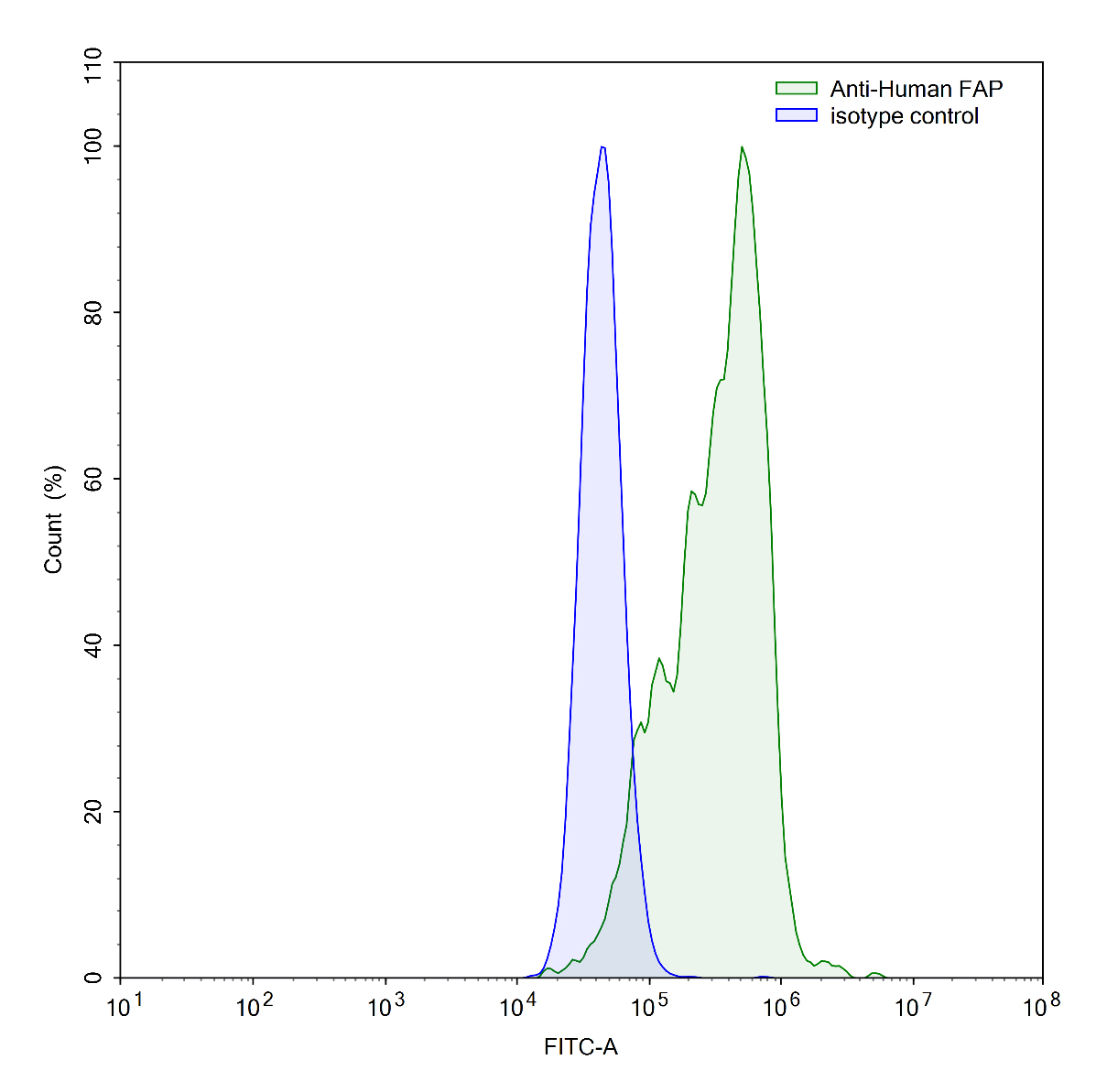
Simlukafusp Biosimilar is a research grade antibody that targets fibroblast activation protein (FAP). FAP is a cell surface protein that plays a crucial role in the progression of various diseases, including cancer and fibrotic disorders. In this article, we will explore the structure, activity, and potential applications of Simlukafusp Biosimilar as an anti-FAP monoclonal antibody.
Structure of Simlukafusp Biosimilar
Simlukafusp Biosimilar is a monoclonal antibody that is produced by recombinant DNA technology. It is a biosimilar version of the therapeutic antibody Simlukafusp, which has been approved for clinical use in the treatment of certain cancers. The biosimilar version is designed to have a highly similar structure and function to the original antibody, making it a more cost-effective option for research purposes.
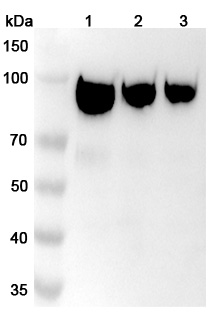
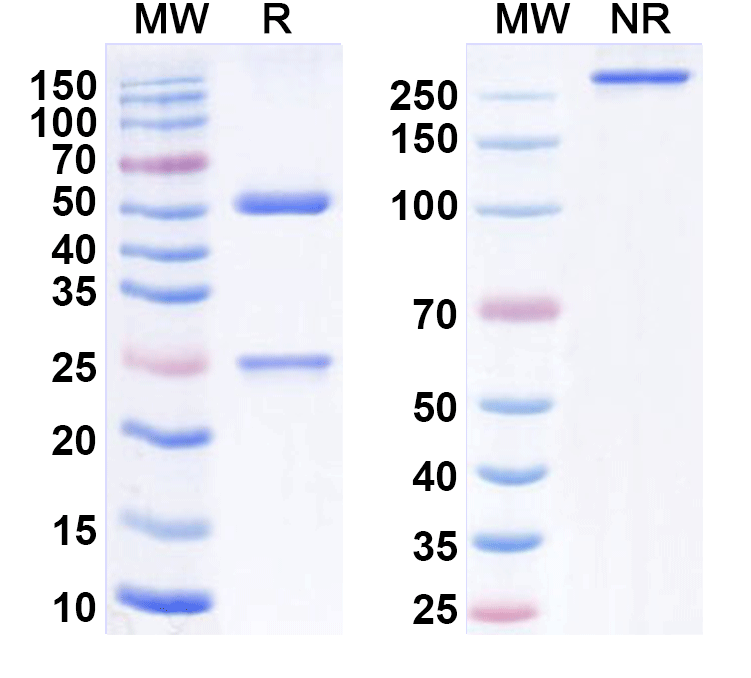
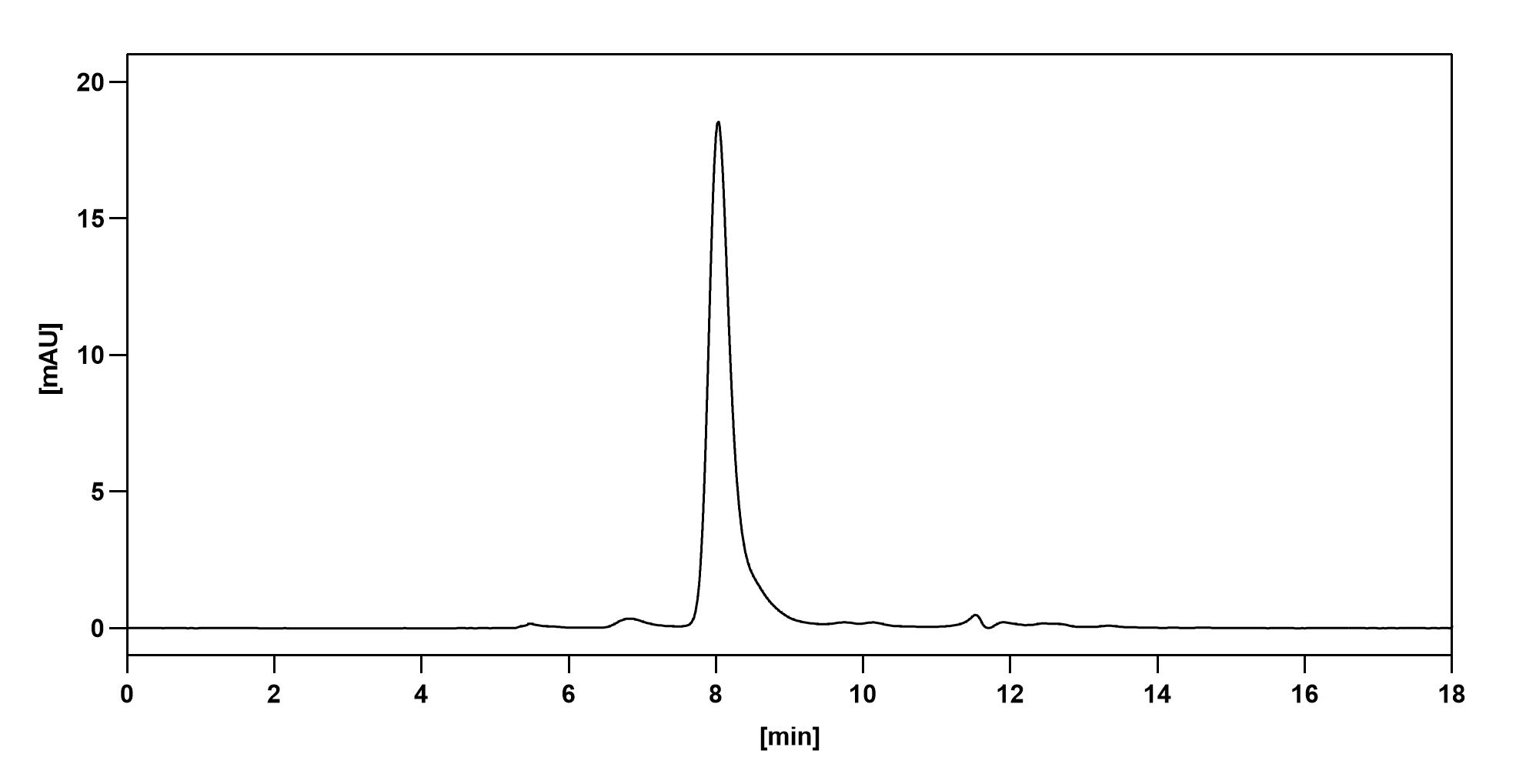
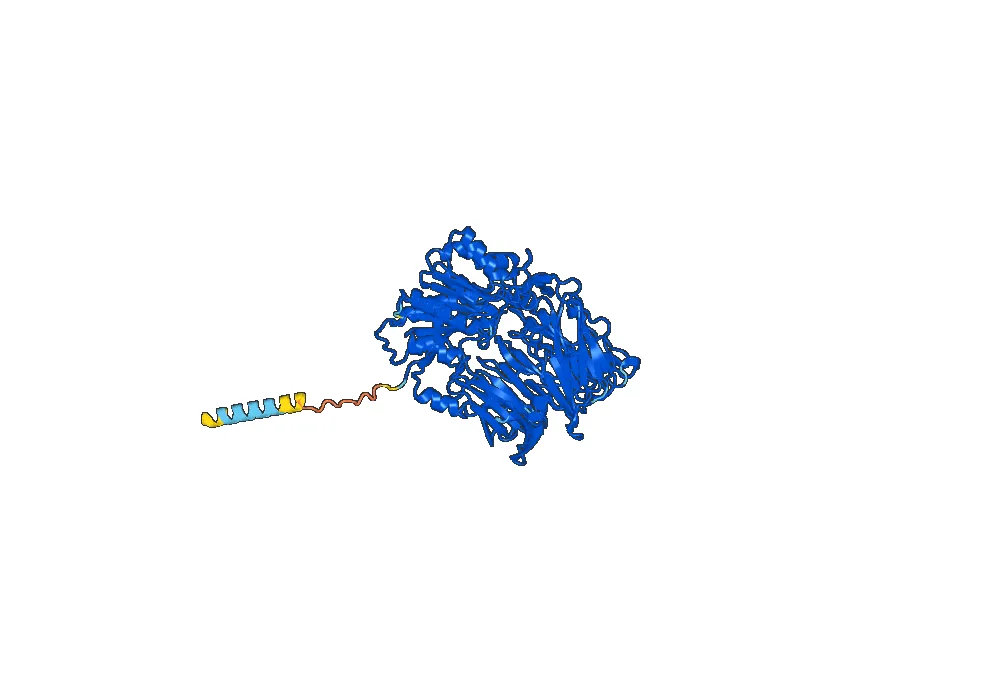
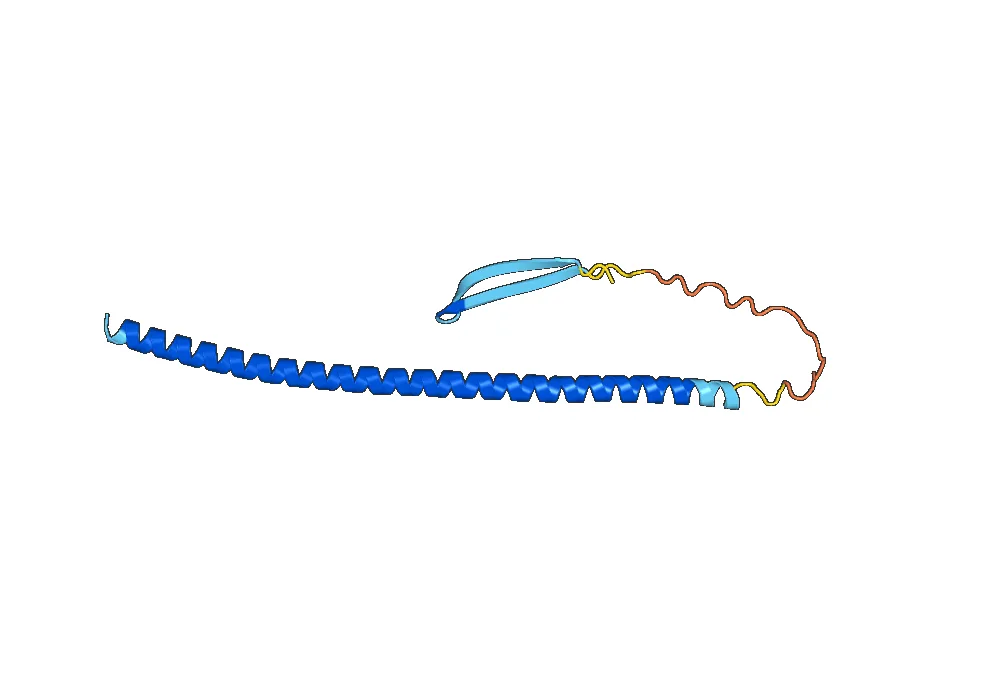
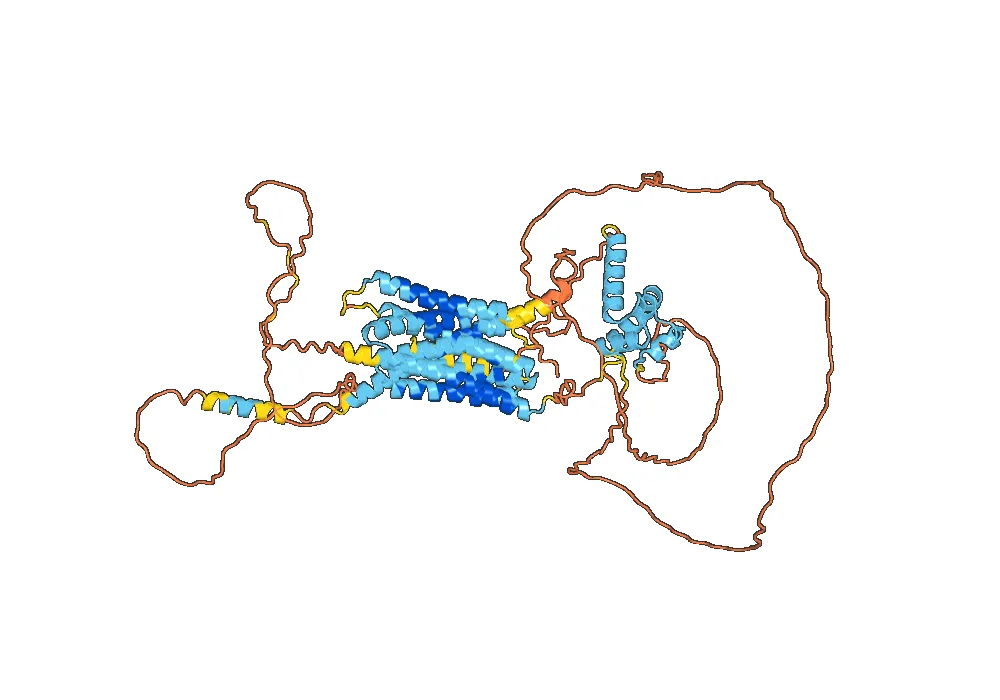
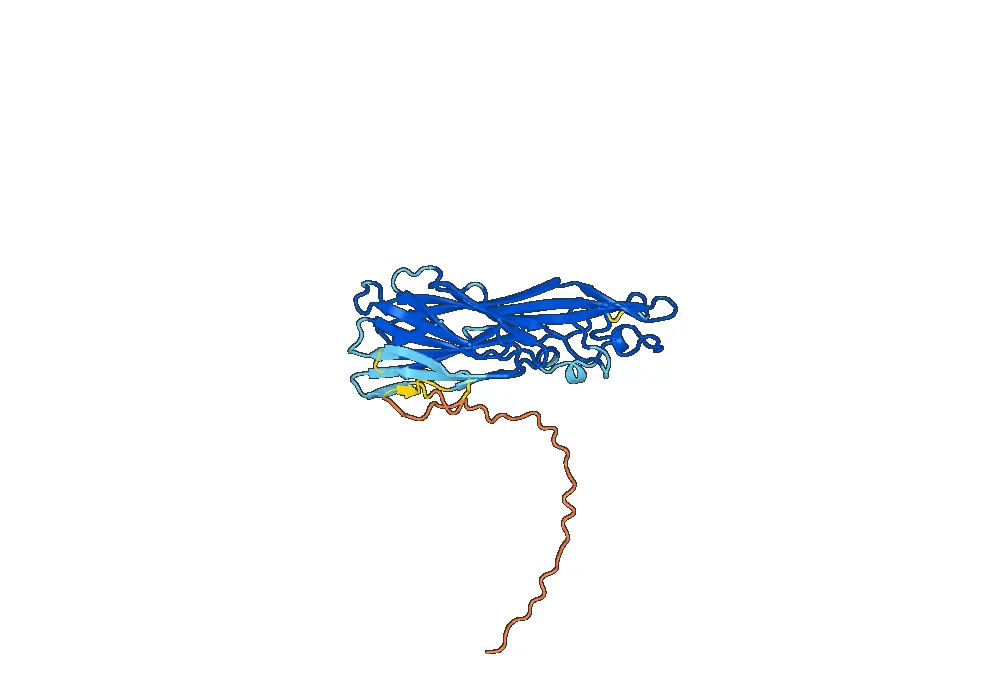
The antibody consists of two identical heavy chains and two identical light chains, which are connected by disulfide bonds. Each chain contains variable and constant regions, with the variable regions responsible for binding to FAP. The constant regions are responsible for effector functions, such as activating the immune system to target FAP-expressing cells.
Activity of Simlukafusp Biosimilar
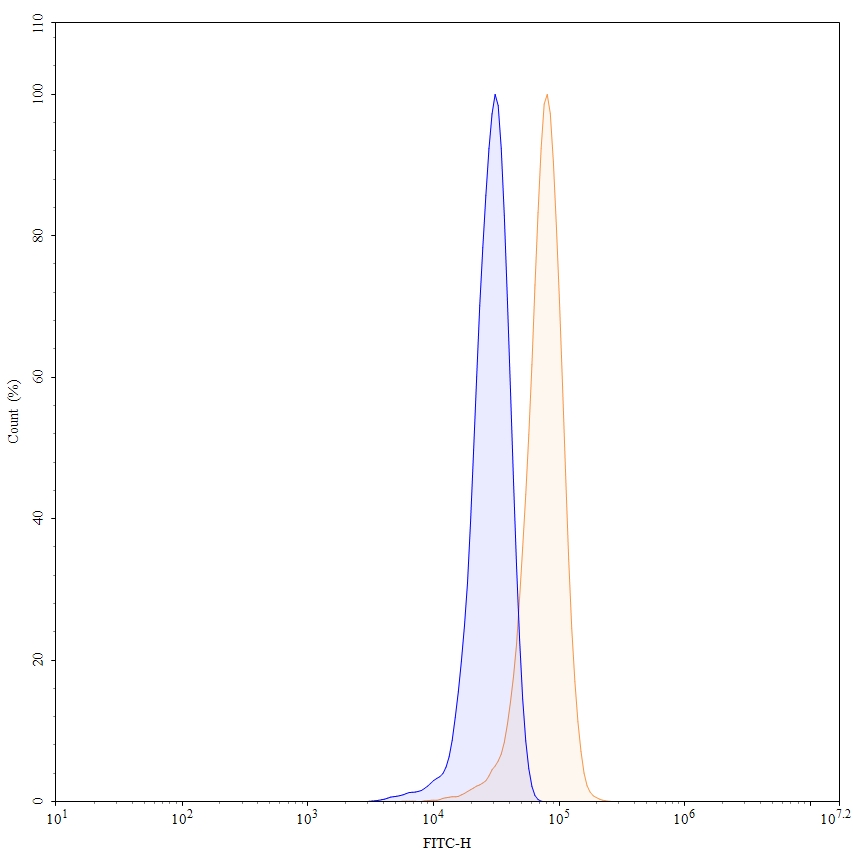
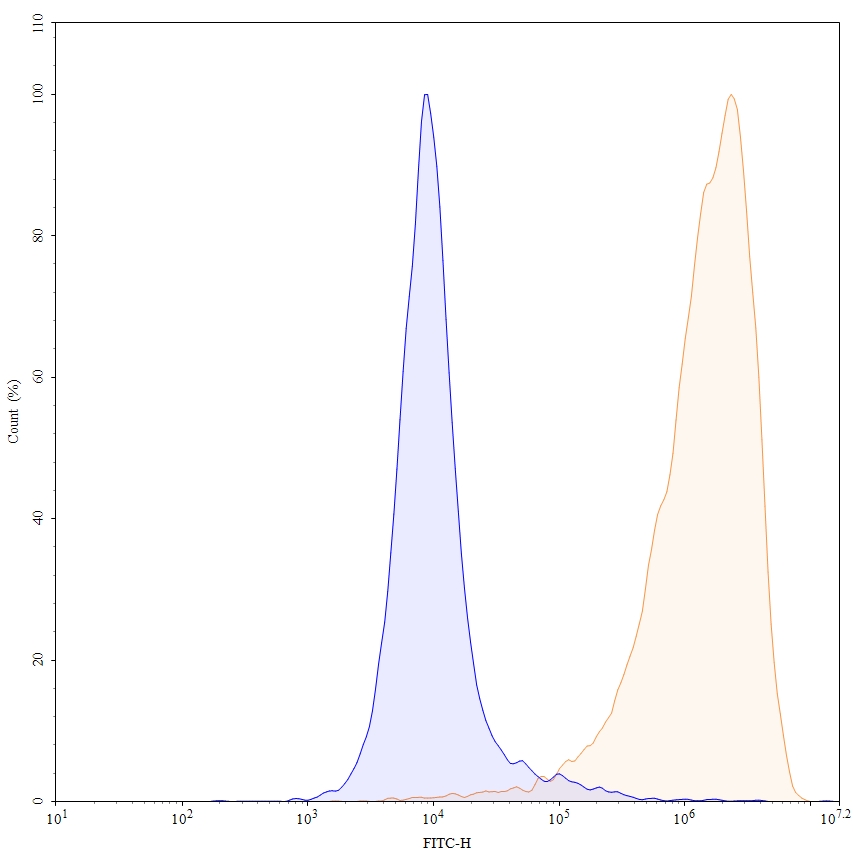
Simlukafusp Biosimilar specifically targets FAP, a protein that is overexpressed in cancer-associated fibroblasts and other stromal cells in the tumor microenvironment. FAP has been shown to promote tumor growth, invasion, and metastasis, making it an attractive therapeutic target.
By binding to FAP, Simlukafusp Biosimilar can inhibit its activity and disrupt the tumor-promoting effects of FAP. This can lead to a reduction in tumor growth and metastasis, as well as an increase in the efficacy of other cancer treatments.
Potential Applications of Simlukafusp Biosimilar
Simlukafusp Biosimilar has the potential to be used in a variety of research applications related to FAP and its role in disease. Some potential applications include:
1.
Cancer Research: FAP is highly expressed in the tumor microenvironment of various cancers, including pancreatic, breast, and colorectal cancer. Simlukafusp Biosimilar can be used to study the role of FAP in tumor growth and metastasis, as well as to evaluate its potential as a therapeutic target.
2. Fibrotic Disorders: FAP is also involved in the development of fibrotic disorders, such as idiopathic pulmonary fibrosis and liver fibrosis. Simlukafusp Biosimilar can be used to investigate the role of FAP in these diseases and potentially develop new treatments.
3. Drug Development: Simlukafusp Biosimilar can be used in preclinical studies to evaluate the efficacy and safety of FAP-targeting drugs. This can help in the development of new therapies for various diseases.
4. Diagnostics: FAP is a potential biomarker for several diseases, including cancer and fibrosis. Simlukafusp Biosimilar can be used in diagnostic assays to detect FAP expression levels and aid in disease diagnosis and monitoring.
Conclusion
In summary, Simlukafusp Biosimilar is a research grade antibody that specifically targets FAP and has the potential to be used in various research applications related to FAP and its role in disease. Its structure and activity make it a promising tool for studying and potentially treating FAP-associated diseases. With ongoing research and development, Simlukafusp Biosimilar may have a significant impact on the understanding and treatment of various diseases.
There are no reviews yet.