Introduction
SYN-005-11E6 Biosimilar is a research grade antibody that targets the pertussis toxin subunit 2 (PTxS2) and is designed to mimic the activity of an existing anti-pertussis toxin subunit 2 monoclonal antibody (mAb). In this article, we will discuss the structure, activity, and potential applications of this biosimilar in the field of pertussis research.
Structure of SYN-005-11E6 Biosimilar
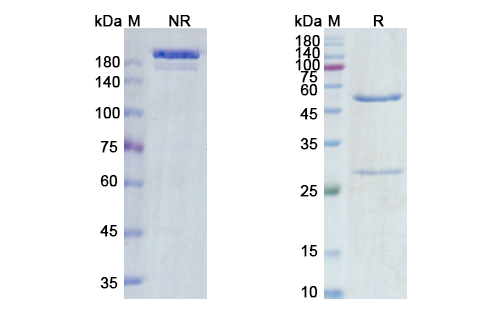
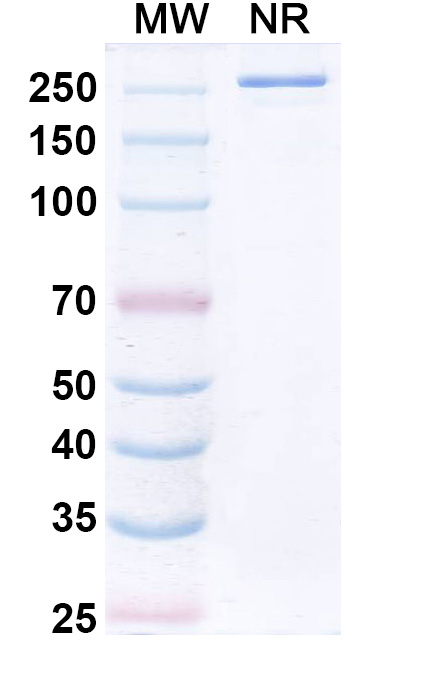
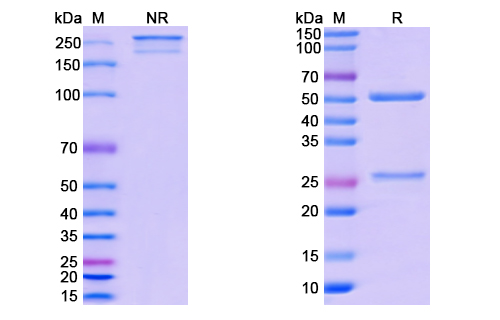
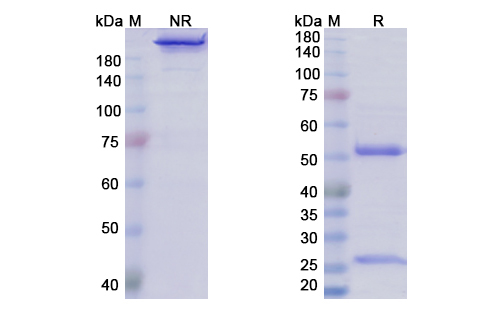
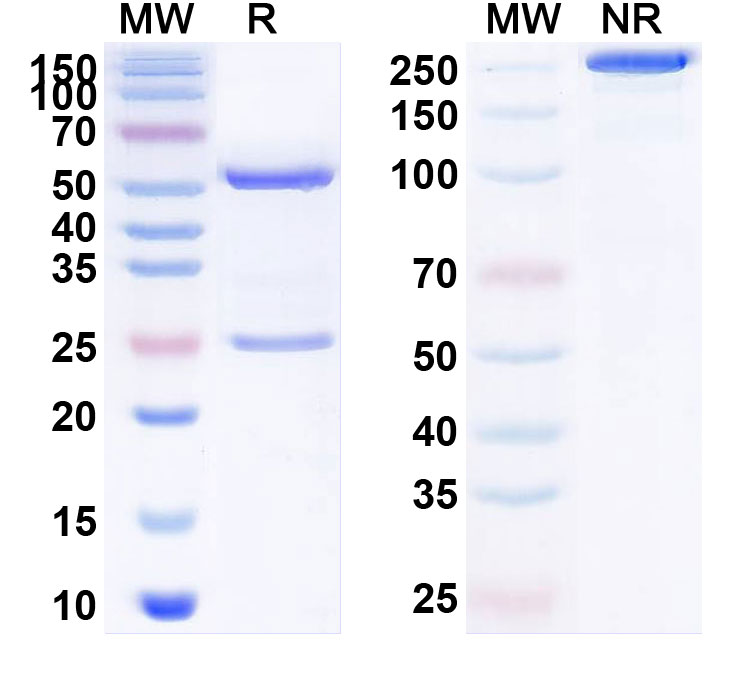
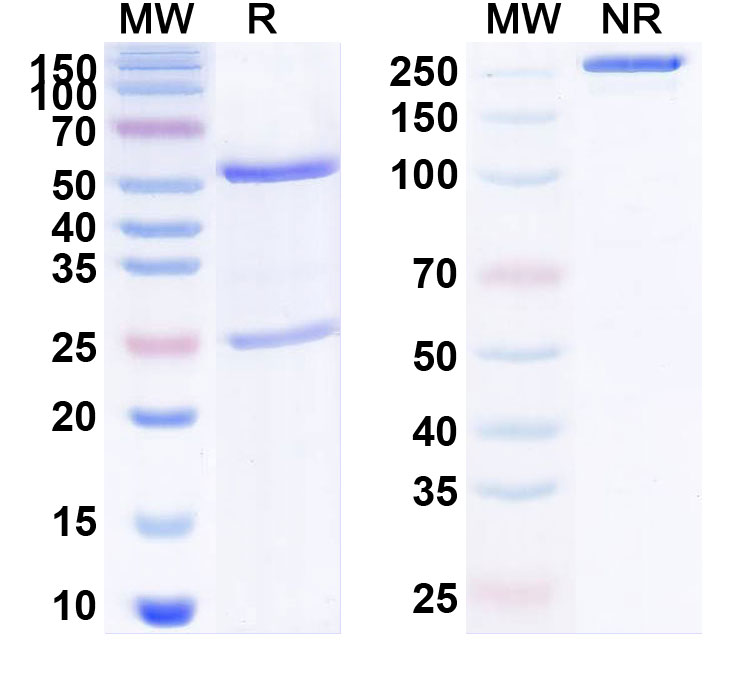
SYN-005-11E6 Biosimilar is a recombinant humanized IgG1 monoclonal antibody. It is composed of two heavy chains and two light chains, each containing a variable region and a constant region. The variable region is responsible for binding to the target, PTxS2, while the constant region determines the antibody’s effector functions.
The structure of SYN-005-11E6 Biosimilar is highly similar to the existing anti-PTxS2 mAb, with a few minor differences in the amino acid sequence. These differences are intentionally introduced to avoid patent infringement and to ensure the biosimilar’s safety and efficacy.
Activity of SYN-005-11E6 Biosimilar
The primary activity of SYN-005-11E6 Biosimilar is to bind to PTxS2 and prevent it from exerting its toxic effects. PTxS2 is a key component of the pertussis toxin, which is responsible for the characteristic symptoms of whooping cough, such as severe coughing fits. By binding to PTxS2, SYN-005-11E6 Biosimilar can neutralize the toxin’s activity and potentially alleviate the symptoms of pertussis.
In addition to its neutralizing activity, SYN-005-11E6 Biosimilar also has effector functions that can help in clearing the toxin from the body. These include antibody-dependent cellular cytotoxicity (ADCC) and complement-dependent cytotoxicity (CDC). ADCC involves the recruitment of immune cells to target and destroy cells that are bound by the antibody, while CDC involves the activation of the complement system to form pores in the target cell’s membrane, leading to cell lysis.
Applications of SYN-005-11E6 Biosimilar
SYN-005-11E6 Biosimilar has several potential applications in the field of pertussis research. It can be used as a tool for studying the role of PTxS2 in pertussis pathogenesis. By blocking the activity of PTxS2, researchers can observe the effects on the bacteria and the host, providing valuable insights into the mechanism of pertussis infection.
Furthermore, SYN-005-11E6 Biosimilar can also be used in diagnostic assays for pertussis. The antibody’s high specificity for PTxS2 makes it a useful tool for detecting the presence of the toxin in patient samples. This can aid in the early diagnosis of pertussis, allowing for prompt treatment and preventing the spread of the disease.
In addition, SYN-005-11E6 Biosimilar has the potential to be developed as a therapeutic for pertussis. It can be used as a passive immunization strategy, where the antibody is administered to individuals at high risk of developing pertussis, such as infants or pregnant women. This can provide immediate protection against the toxin, reducing the severity of the disease and potentially preventing complications.
Conclusion
SYN-005-11E6 Biosimilar is a promising research grade antibody that targets PTxS2, a key component of the pertussis toxin. Its structure and activity are highly similar to an existing anti-PTxS2 mAb, making it a suitable alternative for pertussis research. With its potential applications in studying pertussis pathogenesis, diagnostics, and therapeutics, SYN-005-11E6 Biosimilar holds great promise in the fight against this


There are no reviews yet.