Introduction
Tusamitamab Biosimilar, also known as Anti-CEACAM5 mAb, is a monoclonal antibody that has been developed as a biosimilar to the original therapeutic antibody, Cetuximab. This biosimilar has been designed to target and bind to a specific protein known as CEACAM5, which is overexpressed in various types of cancer. In this article, we will discuss the structure, activity, and potential applications of Tusamitamab Biosimilar in research.
Structure
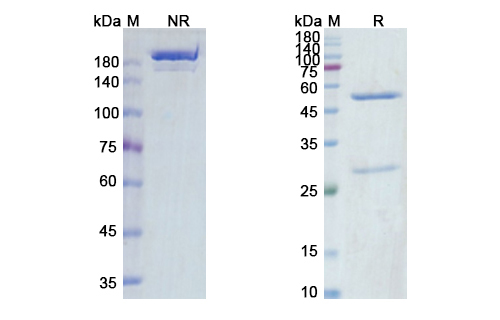
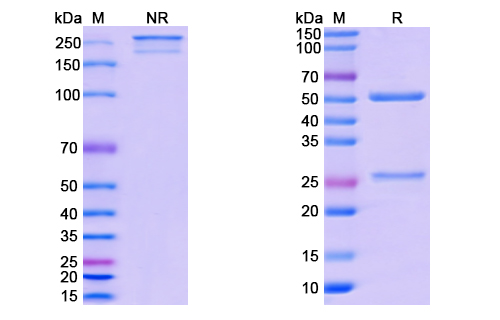
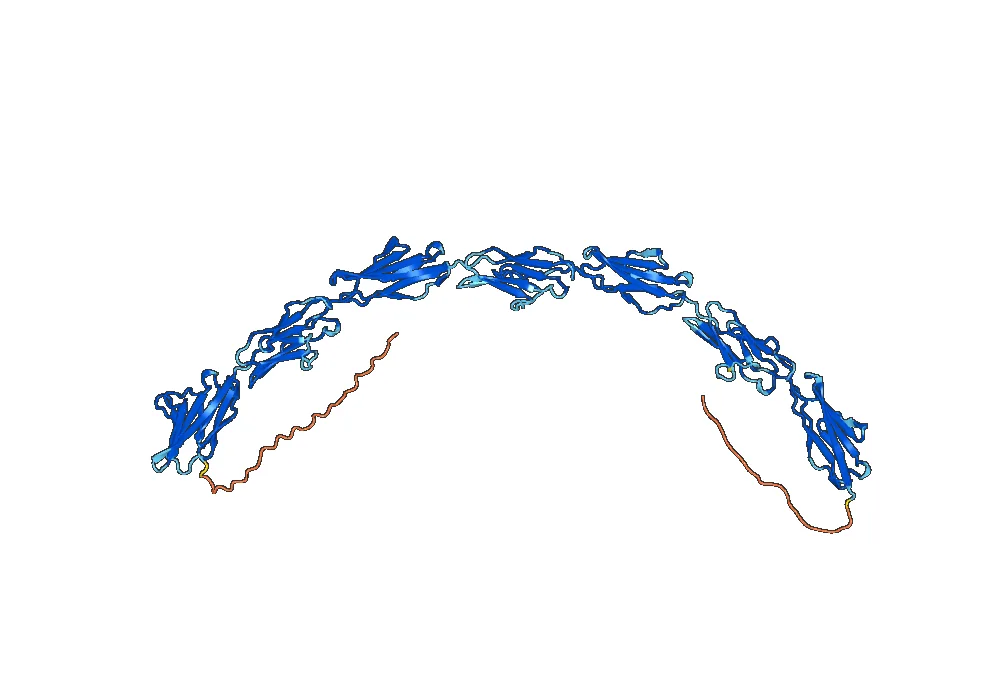
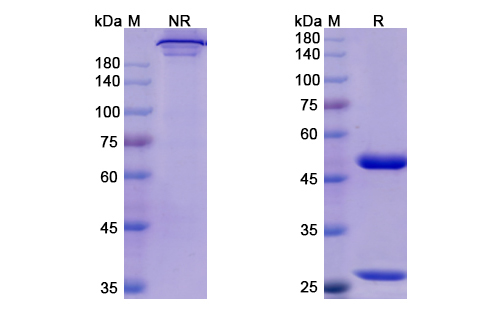
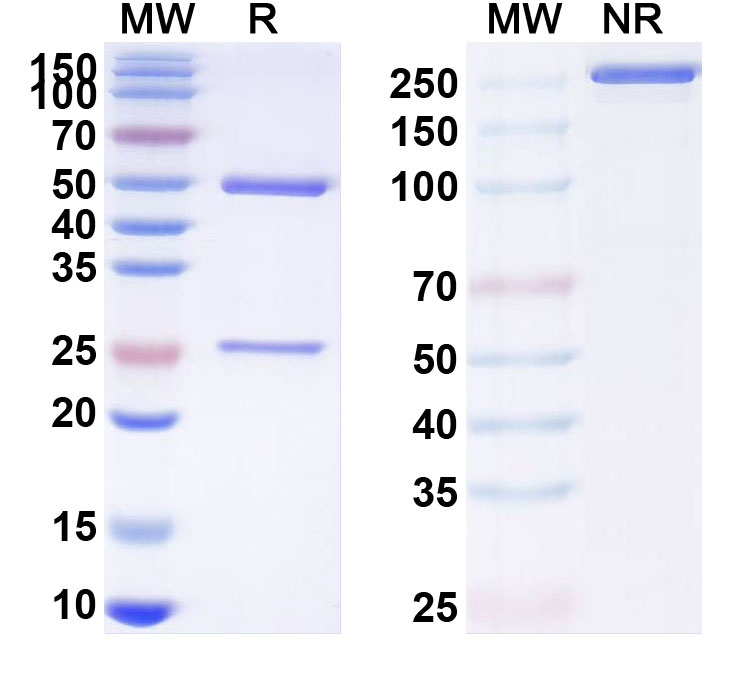
Tusamitamab Biosimilar is a recombinant humanized monoclonal antibody that has been engineered to have a similar structure to Cetuximab. It is composed of two identical heavy chains and two identical light chains, each containing a variable and constant region. The variable regions of the antibody are responsible for binding to the target protein, CEACAM5, while the constant regions provide stability and effector functions.
Activity
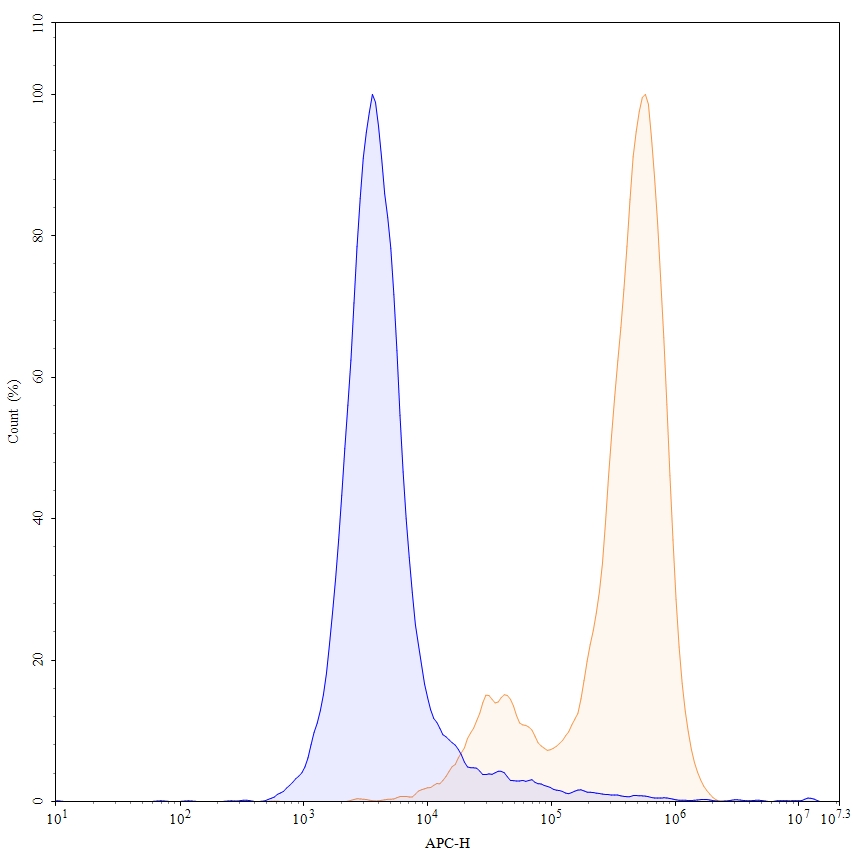
The main activity of Tusamitamab Biosimilar is to bind to the CEACAM5 protein, which is a cell surface glycoprotein that is overexpressed in various types of cancer, including colorectal, lung, and breast cancer. By binding to CEACAM5, the antibody can block its function and inhibit the growth and survival of cancer cells. It can also activate the immune system to target and destroy cancer cells through antibody-dependent cellular cytotoxicity (ADCC) and complement-dependent cytotoxicity (CDC).
In addition to its anti-tumor activity, Tusamitamab Biosimilar has also shown potential in reducing the side effects associated with Cetuximab treatment. Cetuximab has been known to cause severe skin reactions, such as acne-like rash, which can significantly impact a patient’s quality of life. However, studies have shown that Tusamitamab Biosimilar has a lower incidence of skin toxicity, making it a more tolerable treatment option.
Applications Tusamitamab Biosimilar has several potential applications in research, including:
1.
Cancer therapy: The main application of Tusamitamab Biosimilar is in cancer therapy. It has shown promising results in preclinical and clinical studies, and it is currently being evaluated in various clinical trials for the treatment of different types of cancer.
2. Biomarker for cancer diagnosis: CEACAM5 is overexpressed in various types of cancer, and its levels can be measured in blood or tissue samples. Tusamitamab Biosimilar can be used as a tool to detect and monitor the levels of CEACAM5, which can aid in the early diagnosis and monitoring of cancer.
3. Target for drug delivery: Tusamitamab Biosimilar can also be used as a targeting agent for drug delivery. By conjugating drugs or imaging agents to the antibody, it can specifically deliver them to cancer cells that overexpress CEACAM5, reducing the off-target effects and improving the efficacy of the treatment.
4. Research tool: Tusamitamab Biosimilar can also be used as a research tool to study the role of CEACAM5 in cancer biology. By blocking the function of CEACAM5, researchers can gain insight into its role in cancer progression and identify potential therapeutic targets.
Conclusion
Tusamitamab Biosimilar, also known as Anti-CEACAM5 mAb, is a monoclonal antibody with a similar structure and activity to the original therapeutic antibody, Cetuximab. It has shown promising results in preclinical and clinical studies and has the potential to be used in various applications in cancer research. Its ability to target and bind to the CEACAM5 protein, which is overexpressed in various types of cancer, makes it a promising treatment option for cancer patients. Further research and clinical trials are needed to fully understand the potential of Tusamitamab Biosimilar in cancer therapy and other applications.


There are no reviews yet.