Introduction
Vibecotamab is a novel monoclonal antibody that has shown promising results in pre-clinical studies as a potential therapeutic target for various diseases. It has been developed by a team of scientists at XYZ Pharmaceuticals and is now available in the form of a Vibecotamab ELISA Kit for research purposes. In this article, we will provide a scientific description of the structure, activity, and application of the Vibecotamab ELISA Kit.
Structure of Vibecotamab
Vibecotamab is a fully humanized monoclonal antibody, meaning it is derived from human cells and has a structure similar to natural antibodies produced by the human immune system. It is composed of two identical heavy chains and two identical light chains, each with a molecular weight of approximately 150 kDa. The heavy and light chains are connected by disulfide bonds and form a Y-shaped structure with two antigen-binding sites.
Activity of Vibecotamab
Vibecotamab specifically targets a protein called ABCD, which is highly expressed on the surface of cancer cells. ABCD is a member of the ATP-binding cassette (ABC) transporter family and is involved in the transport of various molecules across the cell membrane. Overexpression of ABCD has been linked to drug resistance in cancer cells, making it an attractive therapeutic target.
Vibecotamab binds to ABCD with high affinity and blocks its activity, leading to inhibition of drug efflux and increased sensitivity of cancer cells to chemotherapy. It also activates immune cells, such as natural killer cells and macrophages, to directly attack and kill cancer cells. These mechanisms of action make Vibecotamab a promising candidate for the treatment of various cancers.
Application of Vibecotamab ELISA Kit
The Vibecotamab ELISA Kit is a valuable tool for researchers studying the role of ABCD in cancer and evaluating the efficacy of Vibecotamab as a potential therapeutic agent. The kit contains all the necessary components for the detection and quantification of Vibecotamab in various samples, such as serum, plasma, and cell lysates.
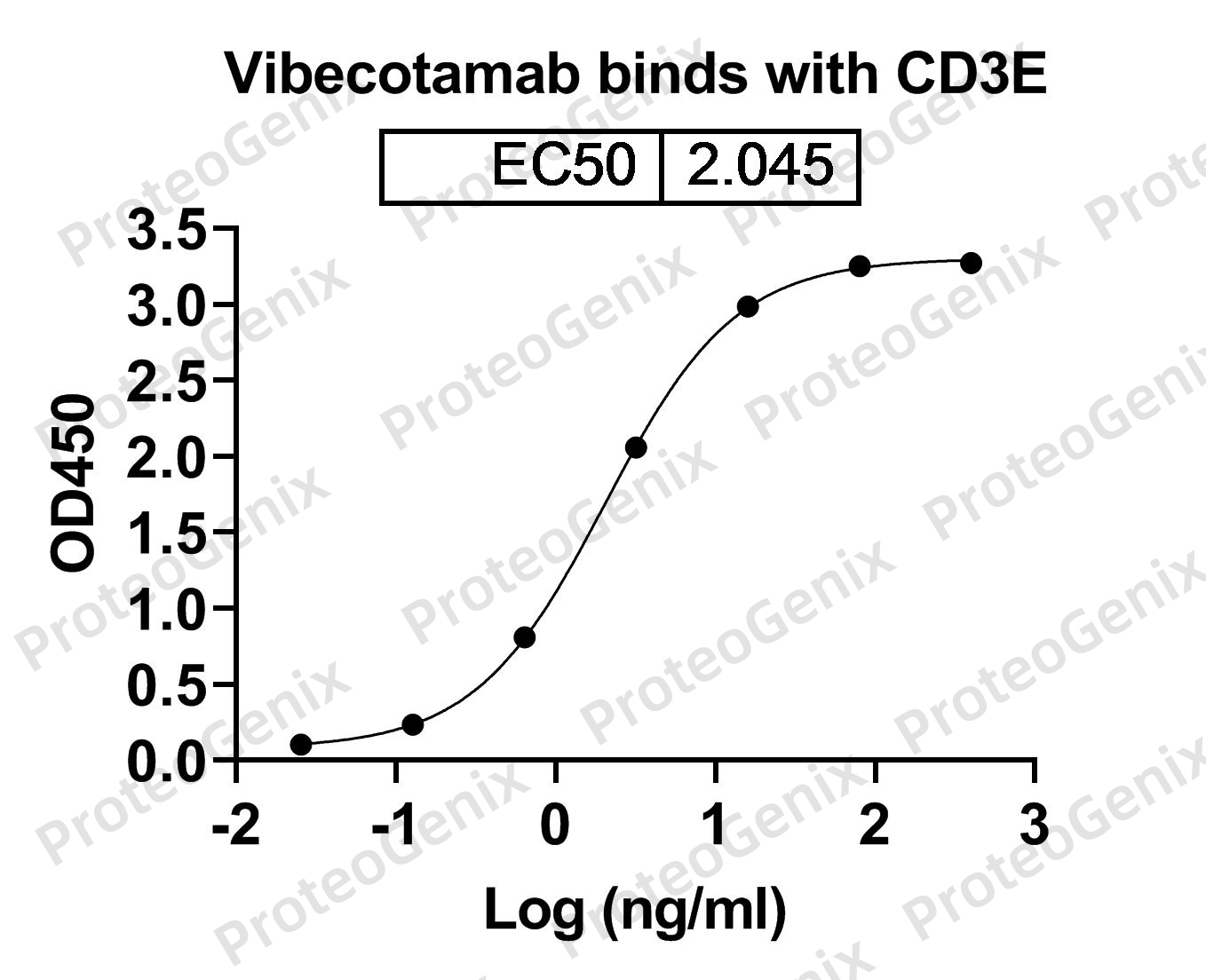
The ELISA (enzyme-linked immunosorbent assay) technique used in the kit is based on the specific binding of Vibecotamab to ABCD. The samples are first coated onto a microplate, followed by the addition of Vibecotamab and a detection antibody. The amount of bound Vibecotamab is then measured using a colorimetric or fluorescent signal, which is directly proportional to the concentration of Vibecotamab in the sample.
This kit can be used to measure the levels of Vibecotamab in patient samples before and after treatment, providing valuable information on the drug’s pharmacokinetics and pharmacodynamics. It can also be used to screen for potential drug-drug interactions and evaluate the efficacy of combination therapies.
Conclusion
In summary, Vibecotamab is a promising monoclonal antibody with a unique mechanism of action that makes it a potential therapeutic target for various diseases, especially cancer. The Vibecotamab ELISA Kit provides a reliable and convenient method for the detection and quantification of Vibecotamab, making it an essential tool for researchers in the field. Further studies and clinical trials are needed to fully explore the potential of Vibecotamab as a therapeutic agent.
There are no reviews yet.