Vibecotamab Biosimilar: A Promising Antibody Targeting IL3RA for Therapeutic Applications
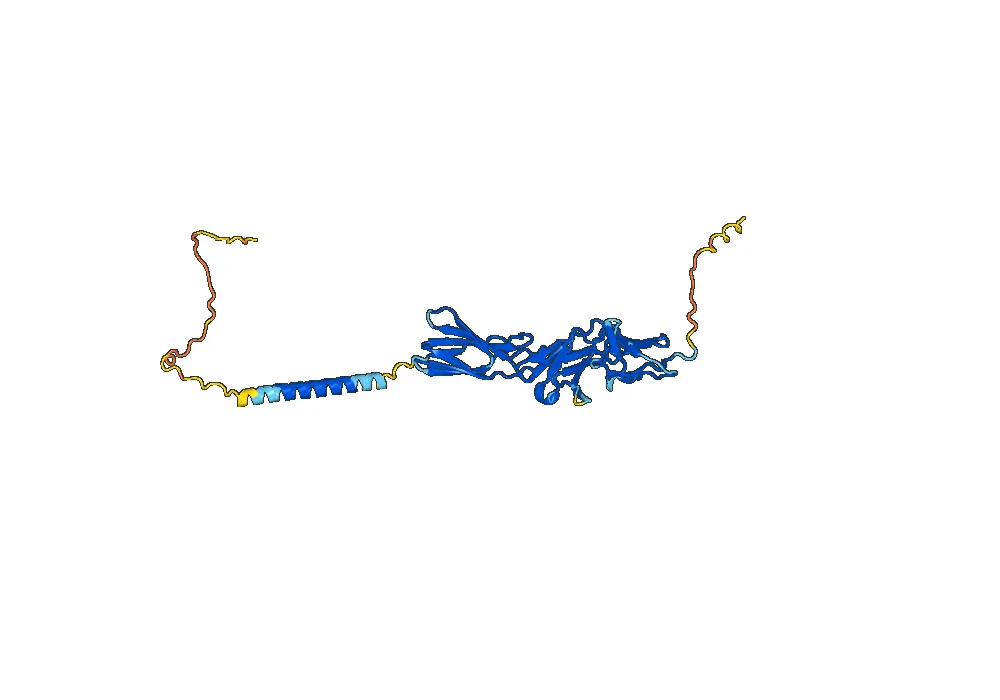
The Structure of Vibecotamab Biosimilar
Vibecotamab Biosimilar, also known as Anti-CD3 epsilon, IL3RA mAb – Research Grade, is a monoclonal antibody (mAb) that specifically targets the interleukin-3 receptor alpha (IL3RA). It is a biosimilar version of the original antibody, Vibecotamab, which has been developed for research purposes. The biosimilar version has been designed to have a similar structure and function as the original antibody, making it a cost-effective alternative for research studies.
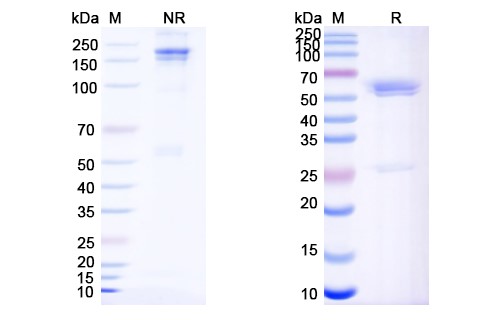
Vibecotamab Biosimilar is composed of two heavy chains and two light chains, held together by disulfide bonds. The heavy chains consist of four constant domains (CH1, CH2, CH3, and CH4) and one variable domain (VH), while the light chains consist of two constant domains (CL and CL2) and one variable domain (VL). The variable domains are responsible for binding to the IL3RA target, while the constant domains provide stability and effector functions.
The Activity of Vibecotamab Biosimilar
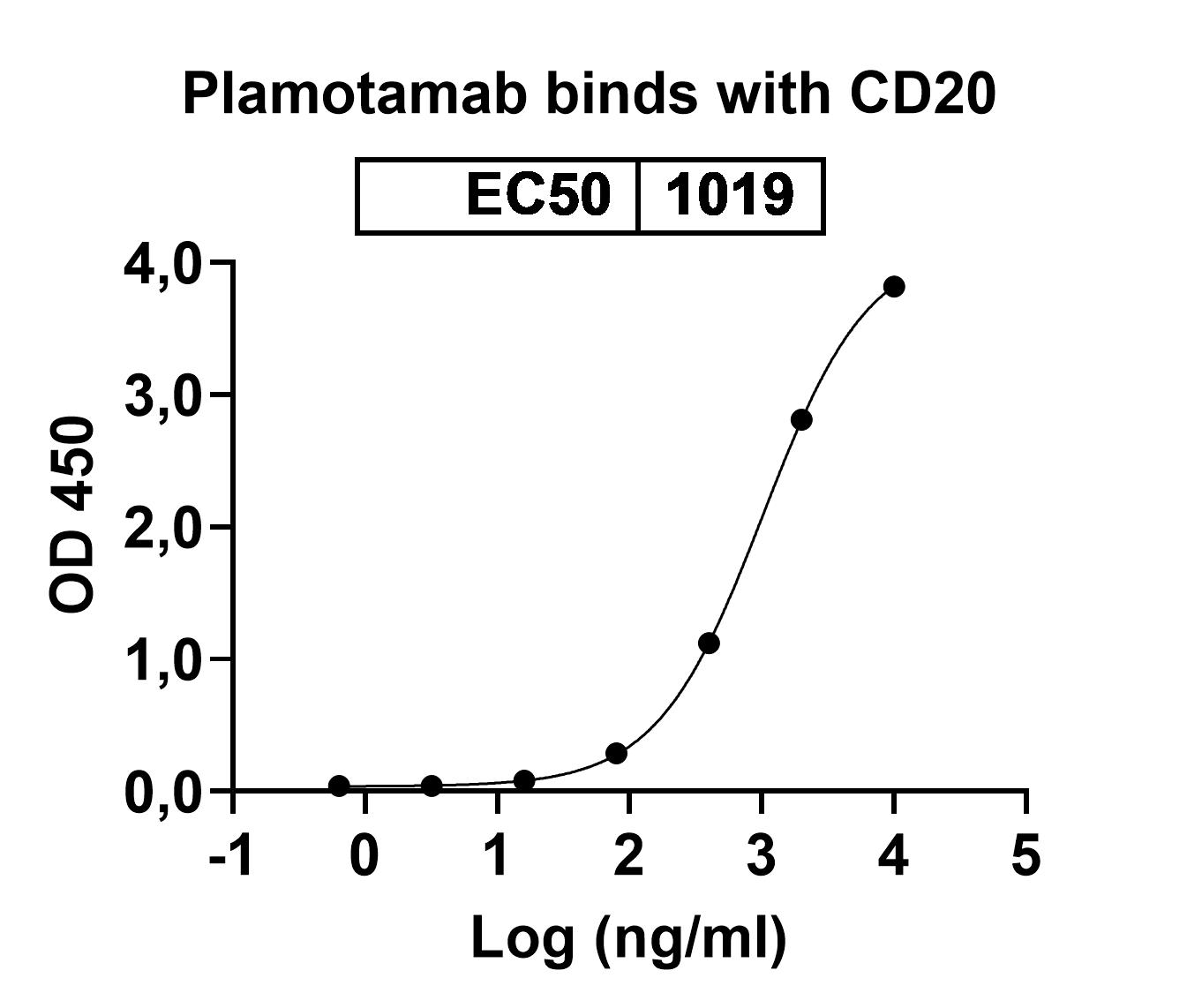
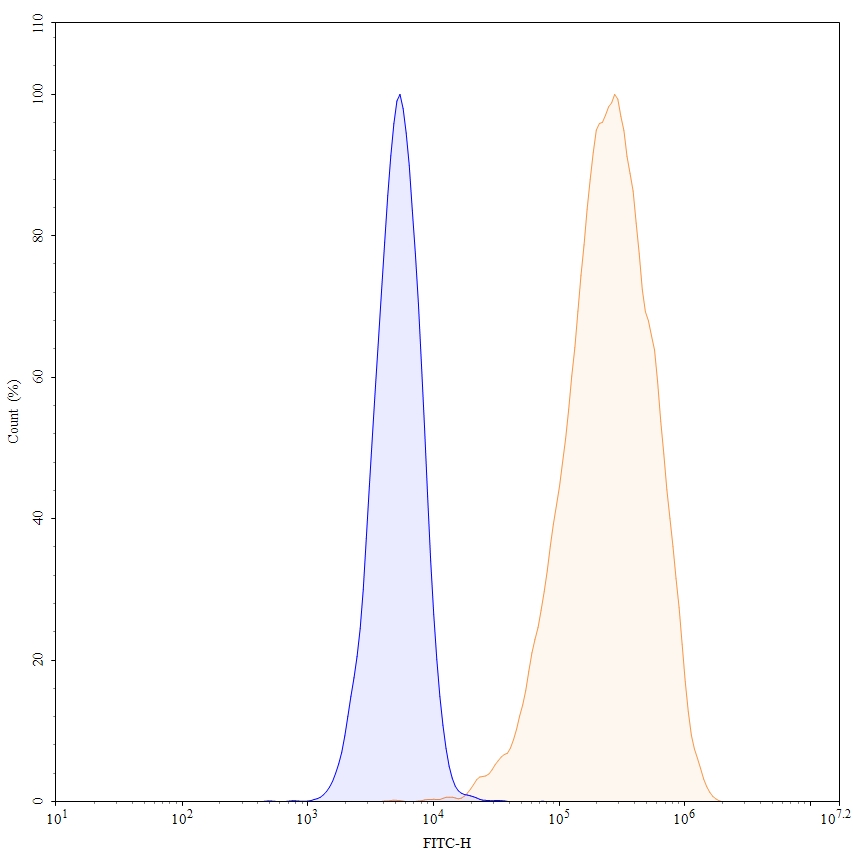
The primary activity of Vibecotamab Biosimilar is to bind to the IL3RA receptor with high specificity and affinity. IL3RA is a cell surface receptor that is expressed on various immune cells, including T cells, B cells, and natural killer cells. By binding to IL3RA, Vibecotamab Biosimilar can modulate the function of these immune cells and regulate immune responses.
One of the key mechanisms of action of Vibecotamab Biosimilar is through the activation of T cells. Upon binding to IL3RA on T cells, the antibody triggers the recruitment of co-receptors and signaling molecules, leading to the activation and proliferation of T cells. This can enhance the immune response against cancer cells and infectious agents.
Additionally, Vibecotamab Biosimilar can also induce antibody-dependent cellular cytotoxicity (ADCC) and complement-dependent cytotoxicity (CDC) against IL3RA-expressing cells. This means that the antibody can recruit other immune cells, such as natural killer cells and macrophages, to target and destroy IL3RA-positive cells.
The Application of Vibecotamab Biosimilar
Vibecotamab Biosimilar has shown promising results in preclinical studies and is currently being evaluated in clinical trials for the treatment of various diseases. Its primary application is in the field of oncology, where it is being studied as a potential therapy for hematologic malignancies, such as acute myeloid leukemia and multiple myeloma.
In addition to its anti-
cancer properties, Vibecotamab Biosimilar also has potential therapeutic applications in autoimmune diseases and inflammatory disorders. By targeting IL3RA, the antibody can regulate the activity of immune cells and reduce inflammation, making it a potential treatment option for diseases such as rheumatoid arthritis and multiple sclerosis.
Furthermore, Vibecotamab Biosimilar can also be used in research studies to investigate the role of IL3RA in various diseases and to develop new therapies targeting this receptor. Its biosimilar nature makes it a cost-effective and reliable tool for researchers to explore the potential of IL3RA as a therapeutic target.
In Conclusion
Vibecotamab Biosimilar is a monoclonal antibody that specifically targets IL3RA, a cell surface receptor involved in immune responses. Its structure, activity, and application make it a promising therapy for various diseases, particularly in the field of oncology. As a biosimilar version of the original antibody, it provides a cost-effective and reliable option for research studies and has the potential to contribute to the development of new therapies targeting IL3RA.

There are no reviews yet.