Introduction
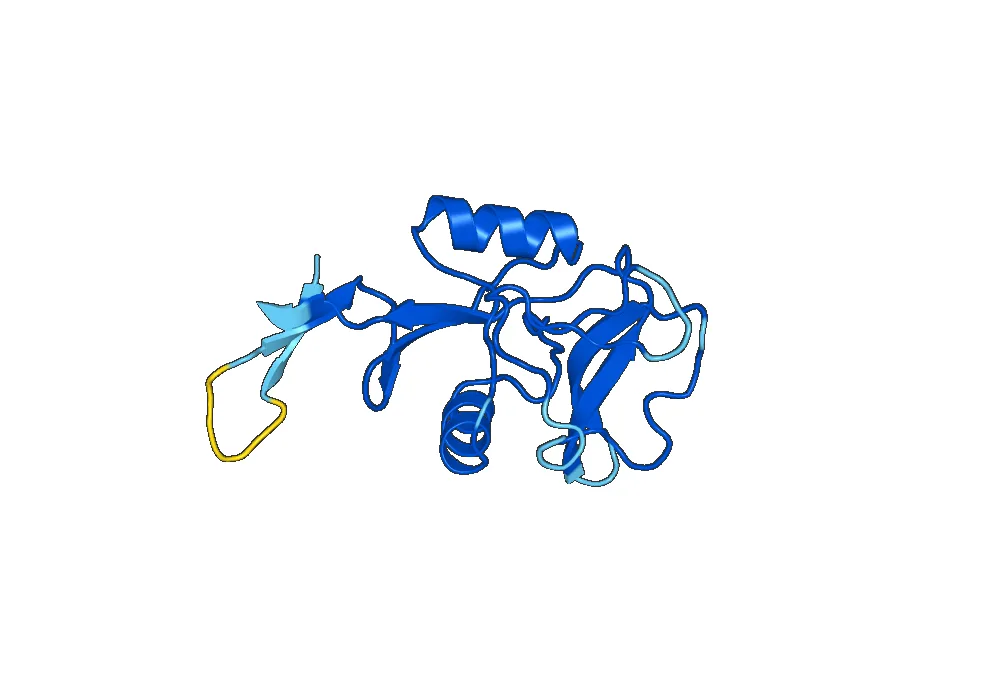
Acimtamig Biosimilar is a novel therapeutic antibody that targets the CD30L receptor, a protein that plays a crucial role in immune regulation and is overexpressed in various diseases. This biosimilar is a research grade antibody that has shown promising results in preclinical studies and has the potential to revolutionize the treatment of various diseases. In this article, we will delve into the structure, activity, and potential applications of Acimtamig Biosimilar.
Structure of Acimtamig Biosimilar
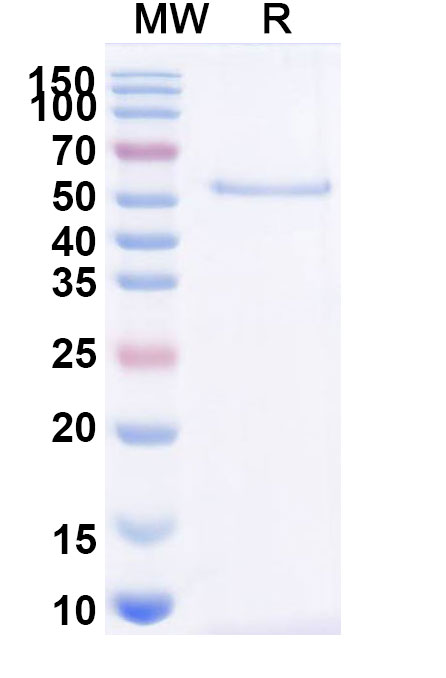
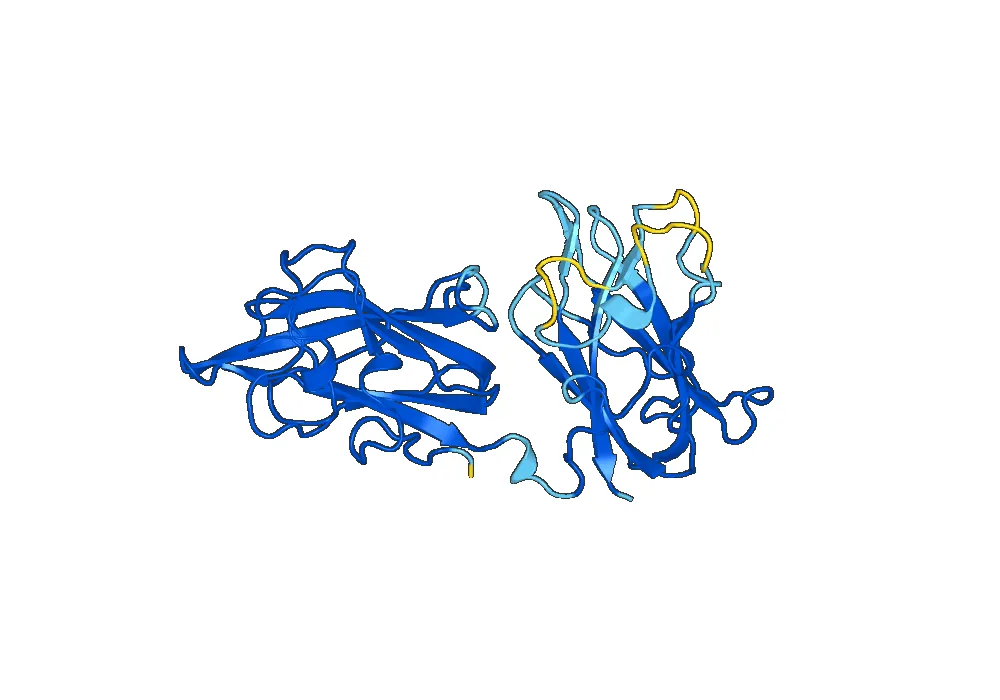
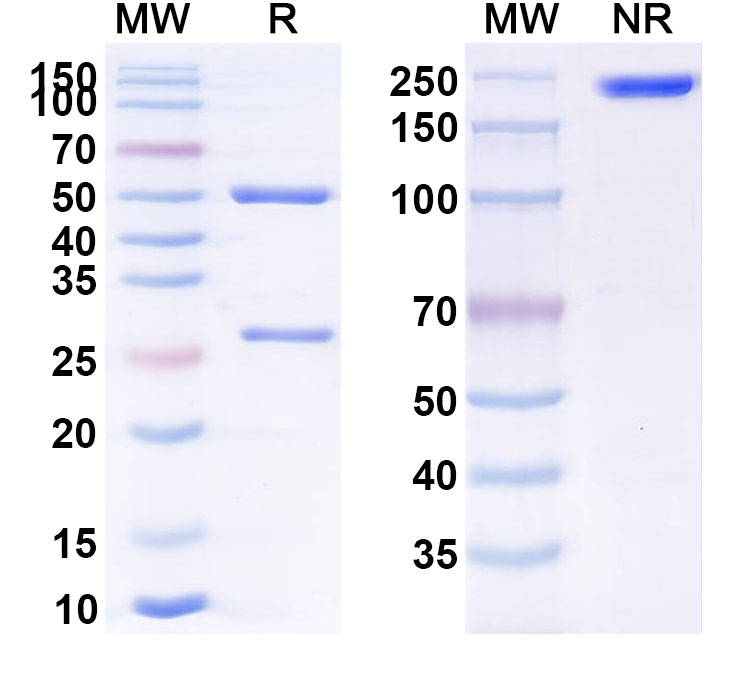
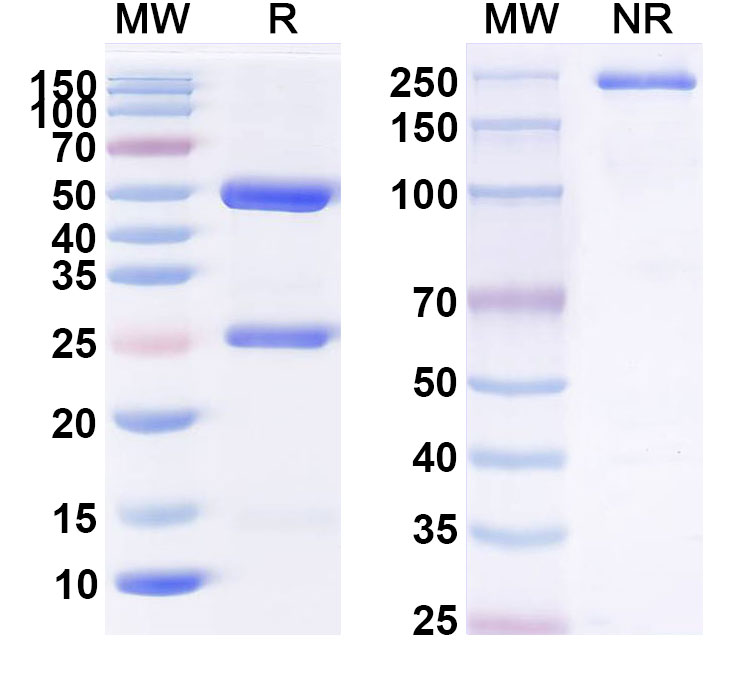
Acimtamig Biosimilar is a monoclonal antibody (mAb) that is derived from a hybridoma cell line. It is a recombinant antibody that is produced using a combination of genetic engineering and cell culture techniques. The antibody consists of two heavy chains and two light chains, which are connected by disulfide bonds. The variable region of the antibody is responsible for binding to the CD30L receptor, while the constant region determines the antibody’s effector functions.
Activity of Acimtamig Biosimilar
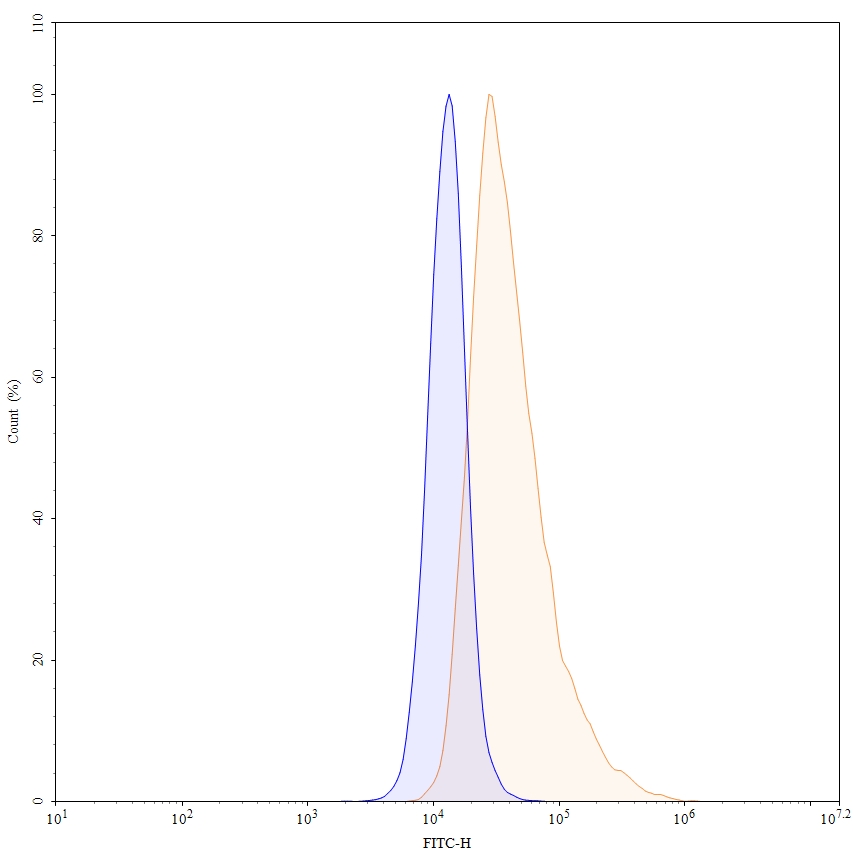
The main activity of Acimtamig Biosimilar is to bind to the CD30L receptor and block its activity. The CD30L receptor is a member of the tumor necrosis factor (TNF) superfamily and is expressed on the surface of various cells, including immune cells and tumor cells. It plays a critical role in immune regulation and is involved in the development and progression of various diseases. By binding to the CD30L receptor, Acimtamig Biosimilar inhibits its signaling and prevents the harmful effects of CD30L overexpression.
Potential Applications of Acimtamig Biosimilar
Acimtamig Biosimilar has shown promising results in preclinical studies and has the potential to be used in various disease conditions. Some of the potential applications of this biosimilar include:
1. Treatment of autoimmune diseases The CD30L receptor is involved in the development of autoimmune diseases, such as rheumatoid arthritis and multiple sclerosis. Acimtamig Biosimilar has the potential to be used as a therapeutic agent for these diseases by inhibiting the activity of the CD30L receptor and reducing the harmful effects of autoimmune responses.
2.
Cancer therapy
CD30L is overexpressed in various types of cancer, including Hodgkin’s lymphoma and certain types of non-Hodgkin’s lymphoma. Acimtamig Biosimilar has shown promising results in preclinical studies as a potential treatment for these cancers by targeting the CD30L receptor and inhibiting its activity. This biosimilar can be used alone or in combination with other cancer therapies to enhance their efficacy.
3. Prevention of transplant rejection Acimtamig Biosimilar has the potential to be used in organ transplant patients to prevent transplant rejection. The CD30L receptor is involved in the rejection of transplanted organs, and by blocking its activity, Acimtamig Biosimilar can help improve the success rate of organ transplants.
4. Treatment of inflammatory diseases The CD30L receptor is also involved in the development of inflammatory diseases, such as asthma and inflammatory bowel disease. Acimtamig Biosimilar has the potential to be used as a therapeutic agent for these diseases by inhibiting the activity of the CD30L receptor and reducing inflammation.
Conclusion
In conclusion, Acimtamig Biosimilar is a novel therapeutic antibody that targets the CD30L receptor and has shown promising results in preclinical studies. Its unique structure and mechanism of action make it a potential treatment option for various diseases, including autoimmune diseases, cancer, transplant rejection, and inflammatory diseases. Further clinical studies are needed to validate its efficacy and safety for use in patients.

There are no reviews yet.