Introduction
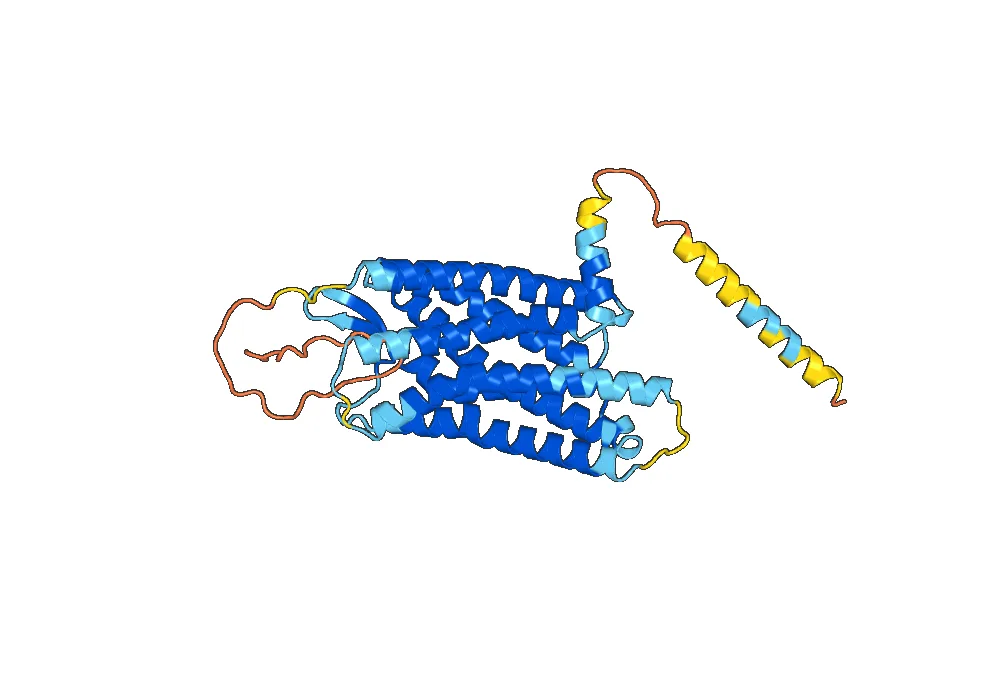
Tidutamab Biosimilar, also known as Anti-CD3 epsilon, SSTR2 mAb – Research Grade, is a monoclonal antibody that has been developed as a biosimilar to the existing therapeutic antibody, Tidutamab. This biosimilar is designed to target the CD3 epsilon subunit, which is a key component of the T-cell receptor complex. Additionally, it also binds to the somatostatin receptor 2 (SSTR2), making it a unique dual-targeting antibody. In this article, we will discuss the structure, activity, and potential applications of Tidutamab Biosimilar.
Structure of Tidutamab Biosimilar
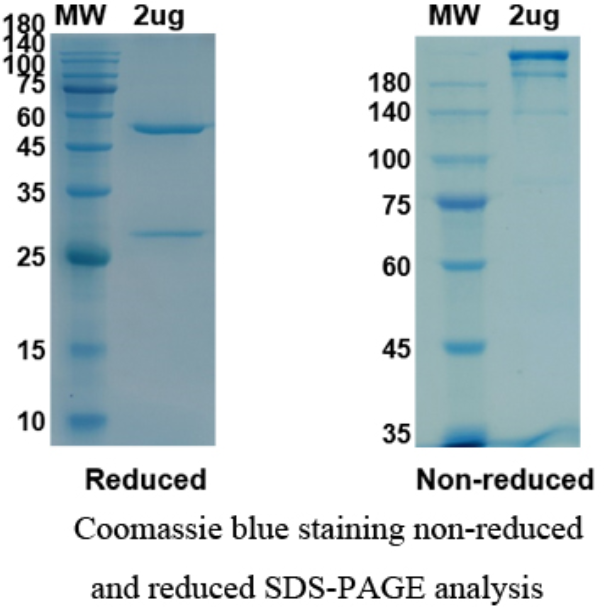
Tidutamab Biosimilar is a recombinant, humanized monoclonal antibody that is produced in Chinese hamster ovary (CHO) cells. It is composed of two heavy chains and two light chains, with a total molecular weight of approximately 150 kDa. The antibody has a Y-shaped structure, with two antigen-binding fragments (Fab) and one crystallizable fragment (Fc). The Fab region is responsible for binding to the CD3 epsilon subunit, while the Fc region is involved in effector functions such as antibody-dependent cellular cytotoxicity (ADCC) and complement-dependent cytotoxicity (CDC).
Mechanism of Action
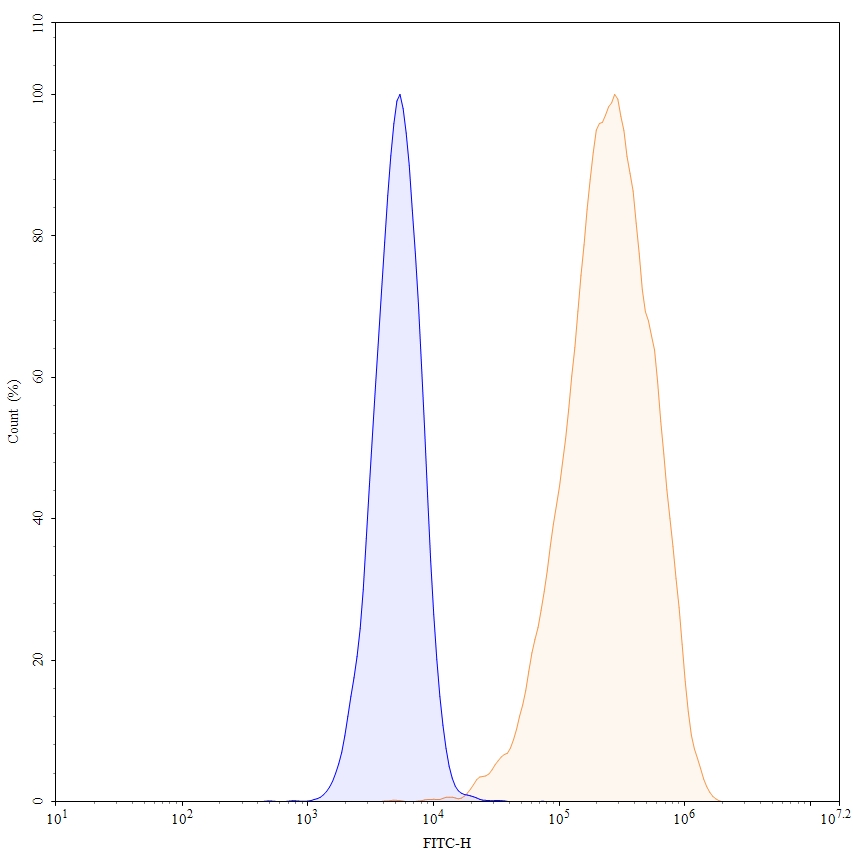
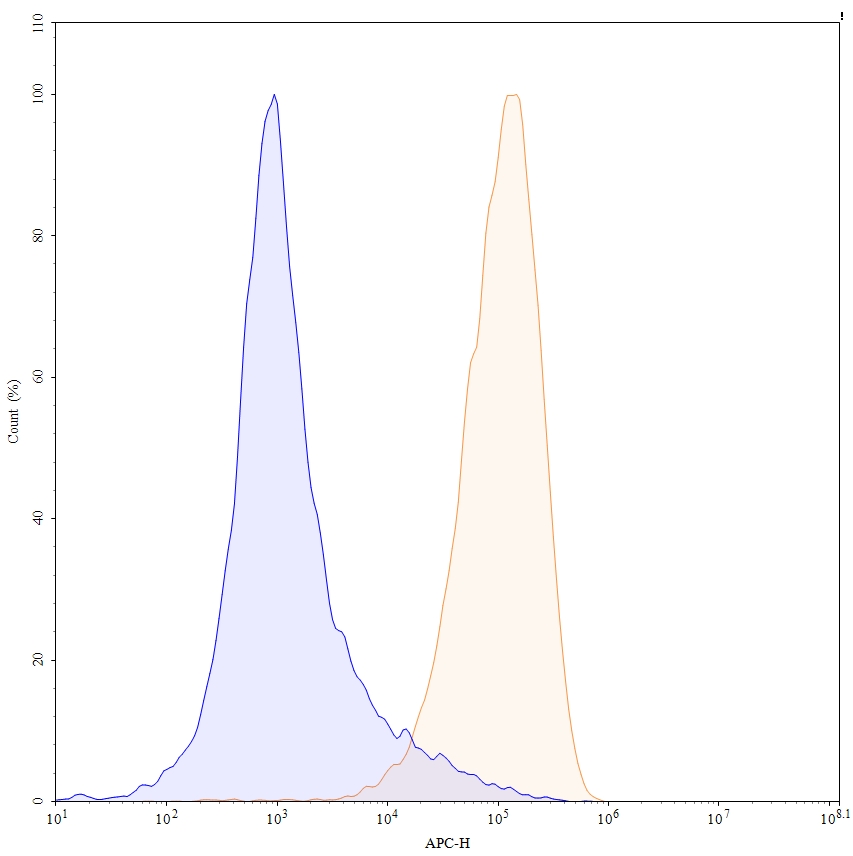
Tidutamab Biosimilar exerts its therapeutic effect by binding to the CD3 epsilon subunit on the surface of T-cells. This binding leads to the activation of T-cells, triggering a cascade of immune responses that ultimately result in the destruction of target cells. Additionally, the binding of Tidutamab Biosimilar to SSTR2 on the surface of tumor cells can inhibit their growth and induce apoptosis. This dual-targeting mechanism makes Tidutamab Biosimilar a potent and effective therapeutic agent.
Applications of Tidutamab Biosimilar
Tidutamab Biosimilar is currently being studied for its potential use in the treatment of various diseases, including autoimmune disorders and cancer. In autoimmune disorders, such as rheumatoid arthritis and multiple sclerosis, Tidutamab Biosimilar can modulate the immune response by selectively targeting and depleting autoreactive T-cells. This can lead to a reduction in disease symptoms and progression.
In cancer, Tidutamab Biosimilar has shown promising results in preclinical studies as a potential immunotherapy. By targeting both the CD3 epsilon subunit and SSTR2, Tidutamab Biosimilar can activate T-cells and induce tumor cell death, leading to tumor regression. It has also been reported to enhance the efficacy of other cancer therapies, such as chemotherapy and radiation therapy.
Research Grade Tidutamab Biosimilar
The Tidutamab Biosimilar – Anti-CD3 epsilon, SSTR2 mAb – Research Grade is specifically designed for research purposes. It is produced using the same manufacturing process as the therapeutic version, ensuring high quality and consistency. This research grade antibody can be used in various in vitro and in vivo studies to further understand its mechanism of action and potential therapeutic applications.
Conclusion
In summary, Tidutamab Biosimilar – Anti-CD3 epsilon, SSTR2 mAb – Research Grade is a promising biosimilar that targets both the CD3 epsilon subunit and SSTR2, making it a unique dual-targeting antibody. Its structure, mechanism of action, and potential applications make it a valuable tool for both basic research and potential clinical use in the future. Further studies and clinical trials are needed to fully evaluate the efficacy and safety of this biosimilar in various diseases.


There are no reviews yet.