Introduction
Vilastobart Biosimilar is a research grade antibody that targets the protein CD152. This antibody is a biosimilar of the therapeutic antibody Vilastobart, which is used in the treatment of various diseases. In this article, we will discuss the structure, activity, and applications of Vilastobart Biosimilar in detail.
Structure of Vilastobart Biosimilar
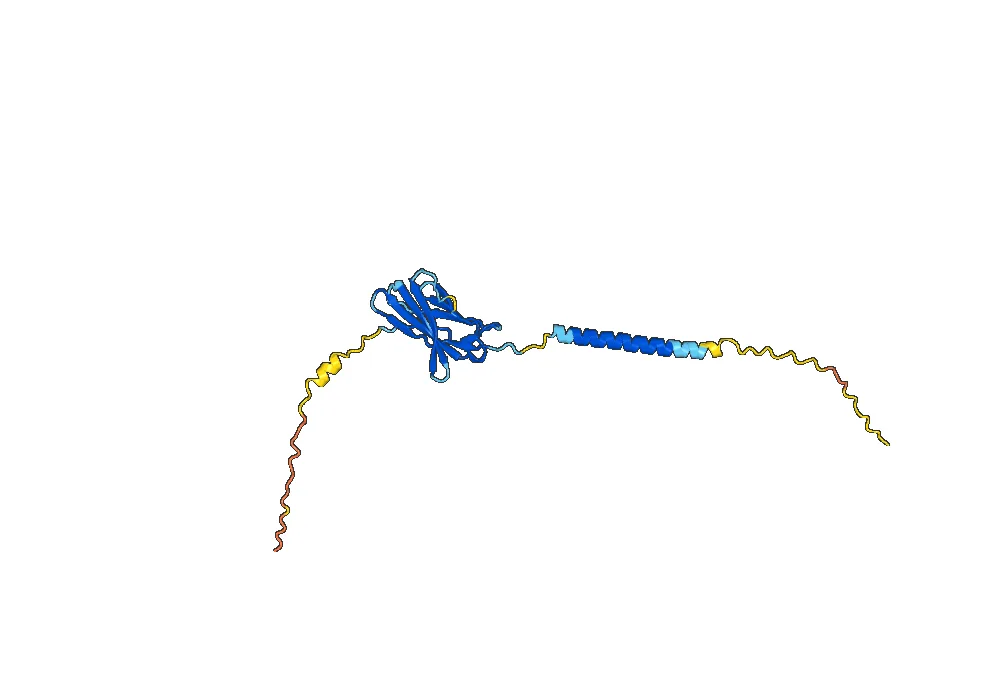
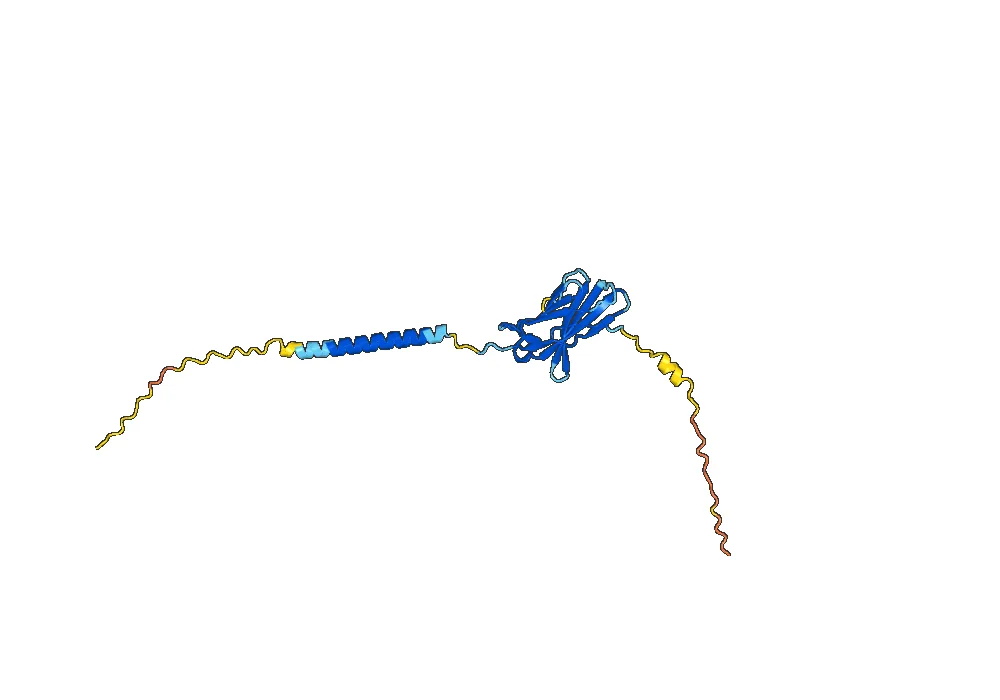
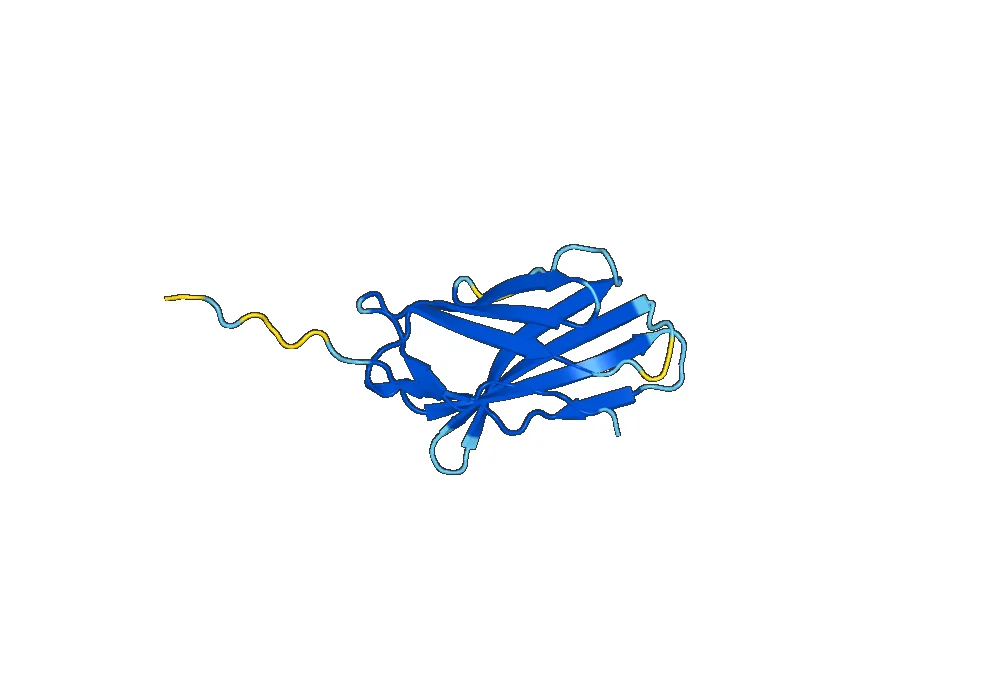
Vilastobart Biosimilar is a monoclonal antibody that is produced in a laboratory using recombinant DNA technology. It is a type of immunoglobulin G (IgG) antibody that is composed of two heavy chains and two light chains. The heavy chains are made up of four constant regions (CH1, CH2, CH3, and CH4) and one variable region (VH), while the light chains have two constant regions (CL) and one variable region (VL). The variable regions of both the heavy and light chains are responsible for the specificity of the antibody towards its target, CD152.
Activity of Vilastobart Biosimilar
Vilastobart Biosimilar specifically binds to CD152, a protein that is found on the surface of immune cells called T cells. CD152 is also known as cytotoxic T-lymphocyte-associated protein 4 (CTLA-4) and is a key regulator of T cell activity. By binding to CD152, Vilastobart Biosimilar blocks its function and prevents the activation of T cells. This leads to a decrease in the immune response, which can be beneficial in certain diseases.
In addition to its inhibitory activity on T cells, Vilastobart Biosimilar also has an indirect effect on other immune cells. This is because T cells play a crucial role in regulating the activity of other immune cells, such as B cells and natural killer (NK) cells. By inhibiting T cell activity, Vilastobart Biosimilar indirectly affects the function of these cells as well.
Applications of Vilastobart Biosimilar
Vilastobart Biosimilar has various applications in both research and clinical settings. In research, it is commonly used to study the role of CD152 in immune responses and to investigate potential therapeutic targets for diseases that involve dysregulated immune responses.
In clinical settings, Vilastobart Biosimilar is used as a research grade antibody for the development of new therapeutic treatments. It can also be used as a biosimilar to Vilastobart in the treatment of diseases such as rheumatoid arthritis, psoriasis, and certain types of cancer. By inhibiting T cell activity, Vilastobart Biosimilar can help reduce inflammation and control the immune response in these diseases.
Conclusion
In summary, Vilastobart Biosimilar is a research grade antibody that specifically targets CD152, a protein involved in regulating T cell activity. It has various applications in research and clinical settings and can be used as a biosimilar to Vilastobart in the treatment of certain diseases. Its structure, activity, and applications make it a valuable tool in the study and treatment of immune-related disorders.



There are no reviews yet.