Introduction
Zarutatug Biosimilar – Research Grade is a novel biologic drug that has been developed as a biosimilar to Zarutatug, a widely used therapeutic monoclonal antibody. This biosimilar is designed to have a similar structure and activity to Zarutatug, while providing a more cost-effective option for researchers and clinicians. In this article, we will delve into the structure, activity, and potential applications of Zarutatug Biosimilar – Research Grade.
Structure of Zarutatug Biosimilar – Research Grade
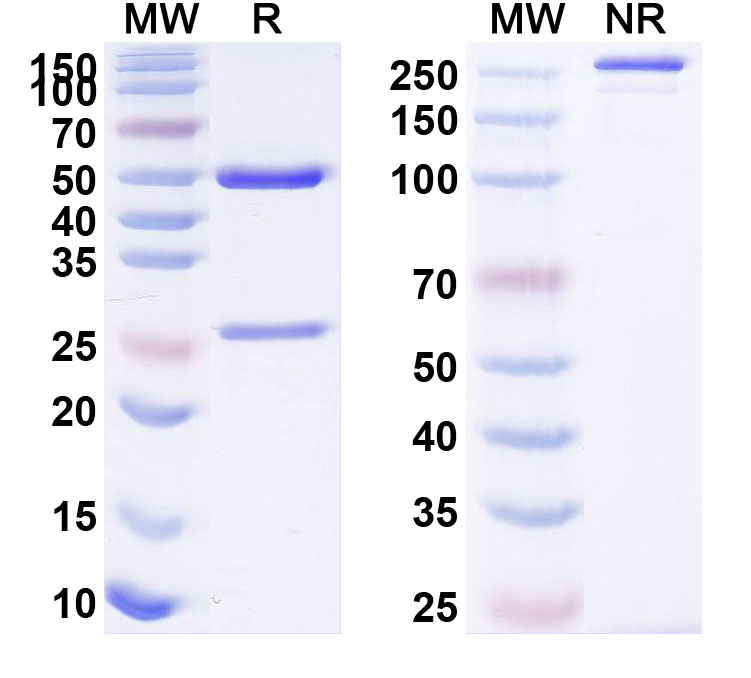
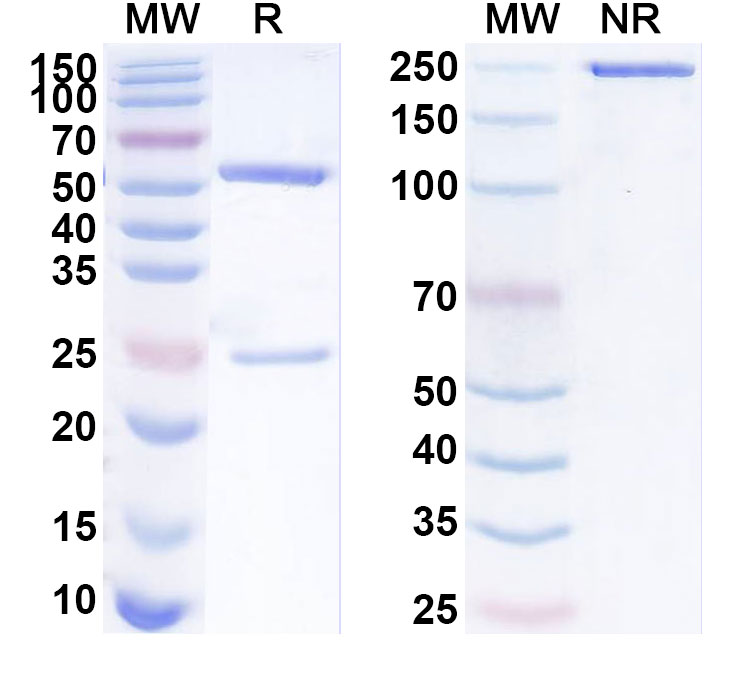
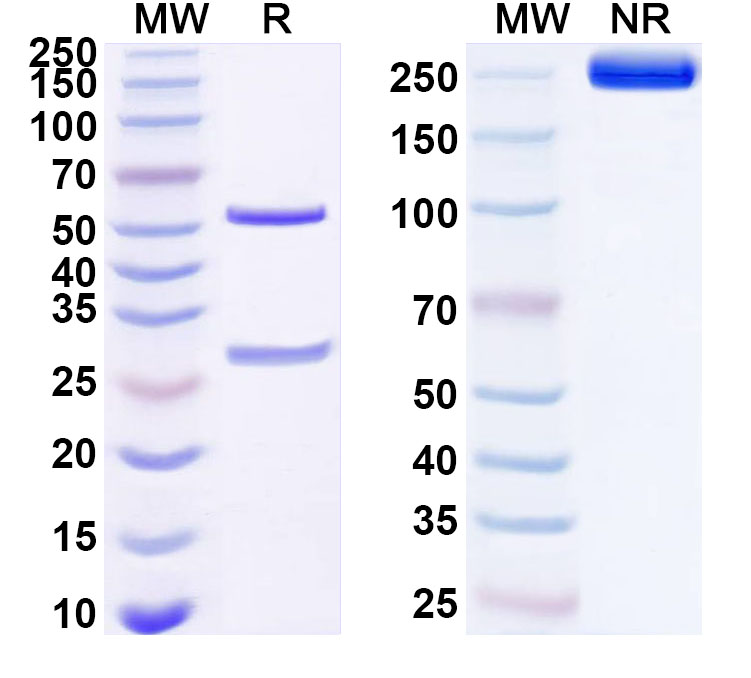
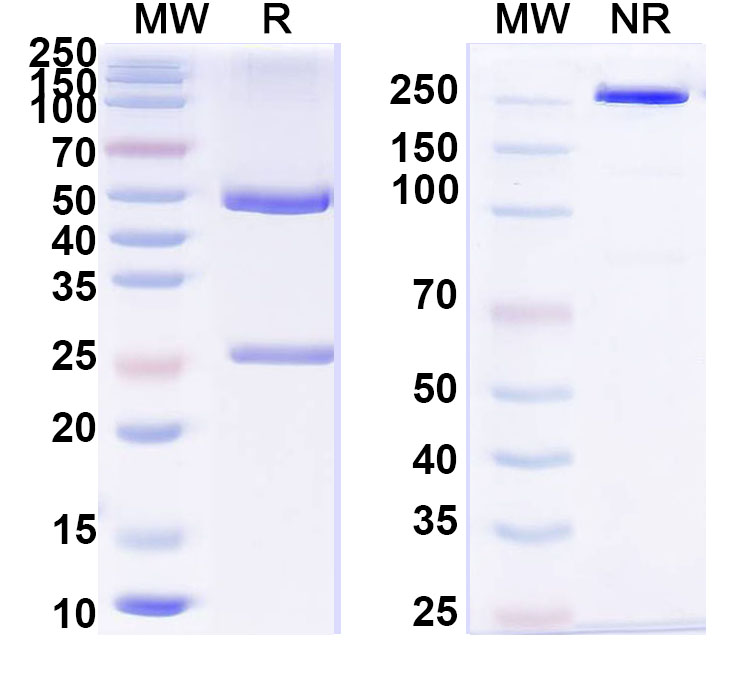
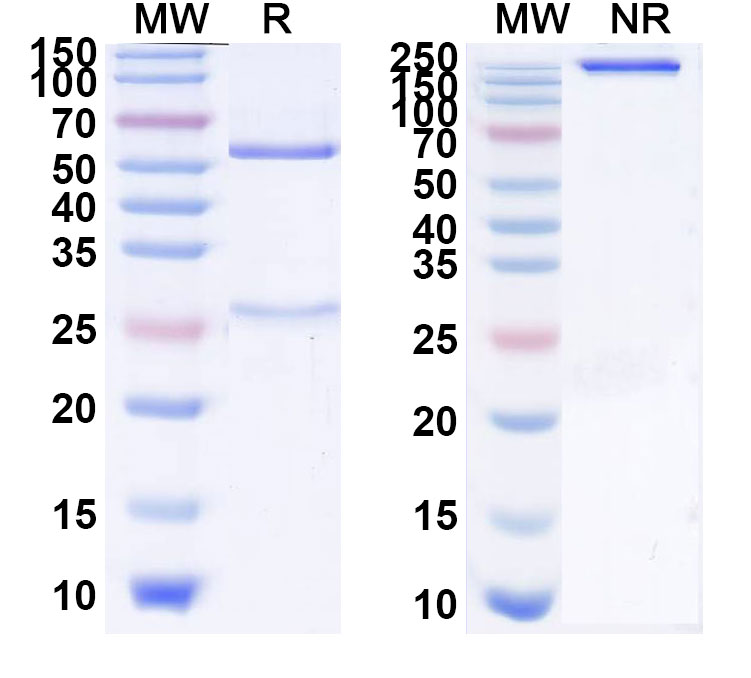
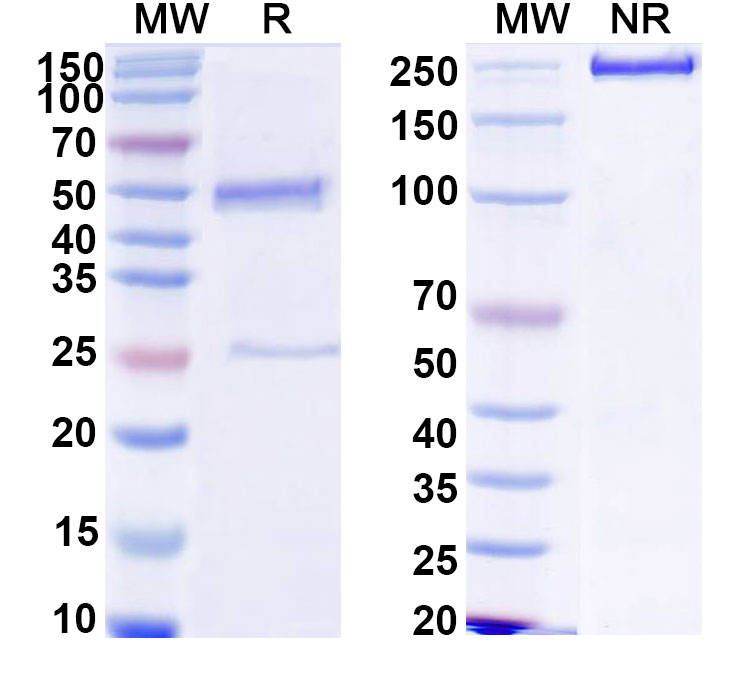
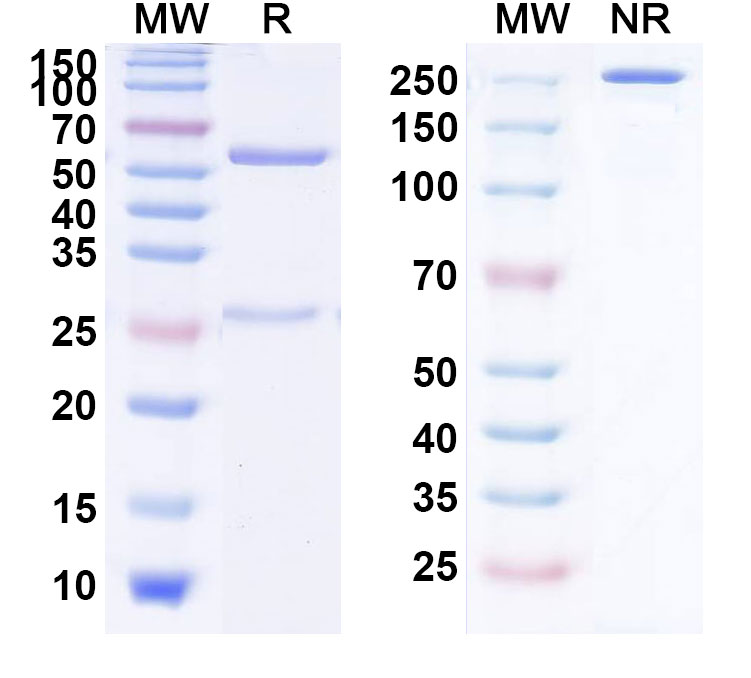
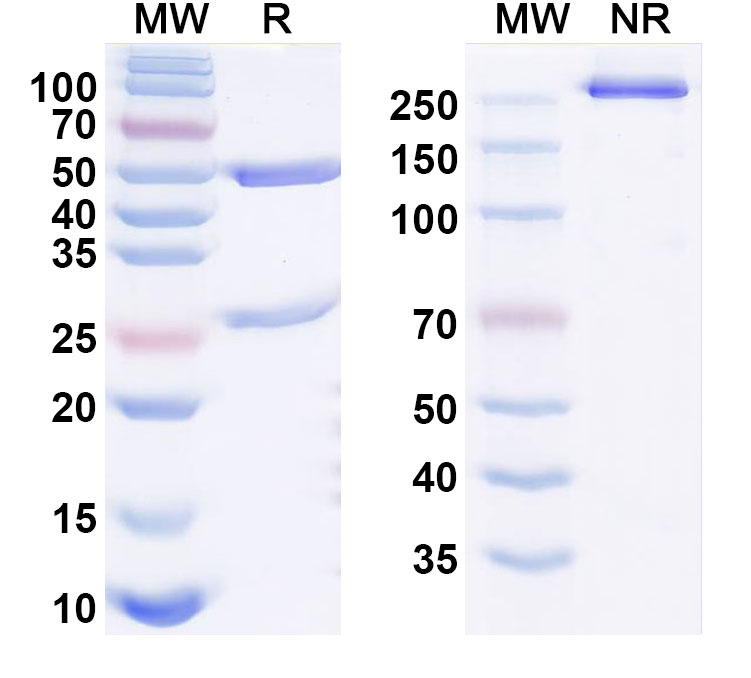
Zarutatug Biosimilar – Research Grade is a monoclonal antibody that is produced using recombinant DNA technology. It is composed of two identical light chains and two identical heavy chains, each containing a variable region and a constant region. The variable region is responsible for binding to the target molecule, while the constant region determines the effector functions of the antibody.
The amino acid sequence of Zarutatug Biosimilar – Research Grade is highly similar to that of Zarutatug, with a sequence identity of at least 95%. This ensures that the biosimilar has a similar three-dimensional structure and binding affinity as the original Zarutatug, allowing it to effectively target the same therapeutic target.
Activity of Zarutatug Biosimilar – Research Grade
Zarutatug Biosimilar – Research Grade works by binding to a specific receptor on the surface of cells, known as the therapeutic target. This receptor is involved in a signaling pathway that plays a critical role in the development and progression of various diseases, including cancer and autoimmune disorders.
By binding to the therapeutic target, Zarutatug Biosimilar – Research Grade blocks the signaling pathway and prevents the receptor from activating downstream processes. This ultimately leads to the inhibition of disease progression and the promotion of cell death in cancer cells.
Studies have shown that Zarutatug Biosimilar – Research Grade has a similar activity to Zarutatug in terms of binding affinity and potency. This makes it a promising alternative for researchers and clinicians looking for a cost-effective option for targeting the therapeutic target.
Potential Applications of Zarutatug Biosimilar – Research Grade
Zarutatug Biosimilar – Research Grade has the potential to be used in a variety of therapeutic applications, particularly in the treatment of cancer and autoimmune disorders. Its ability to effectively target the therapeutic target makes it a promising option for the following conditions:
- Cancer: Zarutatug Biosimilar – Research Grade has shown promising results in preclinical studies for the treatment of various types of cancer, including breast, lung, and colon cancer. Its ability to inhibit the therapeutic target has been shown to slow down tumor growth and induce cell death in cancer cells.
- Autoimmune disorders: The therapeutic target is also involved in the development of autoimmune disorders, making Zarutatug Biosimilar – Research Grade a potential treatment option for diseases such as rheumatoid arthritis and multiple sclerosis. By blocking the signaling pathway, the biosimilar can help reduce inflammation and improve symptoms in these conditions.
Furthermore, Zarutatug Biosimilar – Research Grade can also be used as a research tool for studying the therapeutic target and its role in various diseases. Its cost-effectiveness and similarity to Zarutatug make it a valuable tool for researchers looking to study the effects of targeting this receptor.
Conclusion
Zarutatug Biosimilar – Research Grade is a promising biologic drug that has been developed as a biosimilar to Zarutatug. Its similar structure and activity to the original drug make it a cost-effective option for targeting the therapeutic target in various diseases. With its potential applications in cancer and autoimmune disorders, as well as its use as a research tool, Zarutatug Biosimilar – Research Grade has the potential to make a significant impact in the field of

There are no reviews yet.