

Cart (0 Items)
Your cart is currently empty.
View Products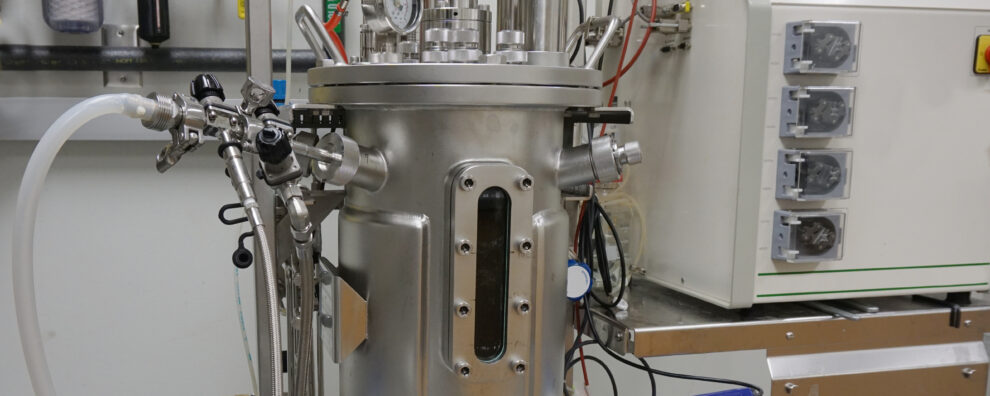 Antibody production
 Thomas Meyer
Antibody production has significantly evolved since its inception, beginning with hybridoma technology in the mid-1970s. This method involves fusing myeloma cells with spleen cells from immunized mice to create hybrid cells, or hybridomas. These hybridomas can produce large quantities of specific antibodies, providing a reliable and unlimited source of monoclonal antibodies. Hybridoma technology was a breakthrough as it allowed for the production of pure custom monoclonal antibodies, which were crucial for research, diagnostics, and therapeutics.
The advancement from hybridoma technology to recombinant DNA technology marked a significant milestone in antibody production. Recombinant DNA technology involves the insertion of specific antibody genes into various expression systems, such as bacteria, yeast, or mammalian cells. This method enhances production yield and allows for the creation of humanized or fully human antibodies, reducing the risk of immunogenicity in patients. Humanized antibodies are engineered by replacing most of the murine protein sequences with human sequences, while fully human antibodies are derived from human gene sequences or produced in transgenic animals. Recombinant DNA technology has become the cornerstone of modern antibody production, enabling the development of complex therapeutic antibodies with improved efficacy and safety profiles.
Antibodies play a vital role in various fields, including therapeutics, diagnostics, and research. Their ability to bind specifically to antigens makes them invaluable tools across these applications.
Therapeutic monoclonal antibodies have revolutionized the treatment of numerous diseases. By specifically targeting cancer cells, they minimize damage to healthy cells and enhance treatment efficacy. Furthermore, therapeutic antibodies are crucial in managing autoimmune diseases such as rheumatoid arthritis and multiple sclerosis by neutralizing the immune components responsible for the disease. Additionally, they provide a precise and effective approach to treating infectious diseases by neutralizing pathogens or their toxins.
Diagnostic applications extensively utilize antibodies in various assays to detect and quantify biomarkers. Techniques such as enzyme-linked immunosorbent assay (ELISA), immunohistochemistry, and lateral flow assays depend on the high specificity and affinity of antibodies to identify specific proteins, hormones, or pathogens in samples. These diagnostic tools are essential for early disease detection, monitoring therapeutic levels, and guiding treatment decisions, making them indispensable in clinical laboratories and point-of-care testing.
Antibodies are pivotal in research for studying disease mechanisms, identifying new therapeutic targets, and developing novel treatments. They are employed in various laboratory techniques, including Western blotting, flow cytometry, and immunoprecipitation, to analyze protein expression, localization, and interactions. Additionally, antibodies facilitate the discovery of biomarkers for disease progression and response to therapy, significantly contributing to the development of personalized medicine.
To overcome the challenges of antibody production, it is important to understand the overall antibody production process. Antibody production involves several critical steps to ensure the generation of high-quality antibodies for various applications. The process begins with antibody gene isolation, where the genes encoding the variable regions of the antibody are identified, either by hybridoma sequencing or de novo antibody protein sequencing. These genes are then synthesized and cloned into expression vectors that are introduced into appropriate host cells, such as mammalian cells or bacteria.
In the transfection and expression phase, these recombinant antibody expression vectors are transfected into host cells and small-scale expression is performed to verify antibody production and functionality. This ensures that the recombinant antibodies are correctly expressed and retain their antigen-binding specificity.
After successful expression, the antibodies are purified to isolate them from the cell culture medium and other contaminants. Purification typically involves multiple steps, including filtration and chromatography techniques to achieve high purity. These methods ensure that the final antibody product is free of contaminants and retains its intended functionality and specificity.
Once purified, antibodies undergo rigorous quality control testing to ensure they meet desired specifications. This includes evaluation of their binding affinity, specificity and functionality. These quality control measures ensure that the antibodies are of high purity and suitable for their intended use.
Scaling up antibody production is essential to meet the ever-increasing global demand for biopharmaceuticals. With the growing prevalence of therapeutic antibody treatments, the need for large quantities of high-quality antibodies is more critical than ever. Scaling up from small-scale laboratory production to large-scale industrial manufacturing is therefore vital to ensure sufficient quantities of these life-saving therapies are available for clinical trials and commercial distribution.
Economically, the viability of antibody production hinges on our ability to scale up. Large-scale production enables economies of scale, significantly reducing the cost per unit of antibody. This cost efficiency is crucial for making therapies more affordable and accessible to a broader patient population. Lowering production costs allows pharmaceutical companies to reach more patients, thereby enhancing public health outcomes.
Furthermore, scaling up is indispensable for maintaining consistent product quality and adhering to regulatory standards. Large-scale production processes must be robust and reproducible to ensure that each batch of antibodies meets stringent quality requirements set by health authorities. Consistent quality is necessary for the therapeutic efficacy and safety of the antibodies, and compliance with regulatory standards is critical for gaining approval for new therapies.
Transitioning from small-scale to large-scale antibody production involves several significant changes and challenges. Small-scale cultures, typically conducted in laboratory settings using flasks or small bioreactors, allow for tight control over environmental conditions, leading to highly reproducible results. These settings are ideal for initial testing, optimization, and small-batch production.
However, scaling up to large bioreactors, often ranging from several hundred to tens of thousands of liters, introduces complexities in maintaining consistent conditions. Ensuring uniform mixing, oxygen transfer, and nutrient distribution becomes more challenging, which can impact cell growth and productivity. Managing shear stress and maintaining optimal pH, temperature, and dissolved oxygen levels are critical for achieving high yields and consistent product quality.
Additionally, large-scale production must adhere to stringent regulatory standards to ensure the safety and efficacy of therapeutic antibodies. This includes implementing Good Manufacturing Practices (GMP) and conducting thorough validation and quality control processes.
| Aspect | Small-Scale |
Large-Scale |
|---|---|---|
| Volume | Typically ranges from a few milliliters to a few liters | Typically ranges from hundreds to thousands of liters |
| Monitoring | Simplified monitoring and control of parameters: T°, pH, DO, Nutrient levels, Cell density, Cell viability, Metabolite concentrations, Agitation rate | Requires advanced monitoring systems and automated controls and additional parameters to control: Foam Production, Biomass concentration, Osmolality |
| Shear Stress | Minimal shear stress | Higher risk of shear stress, requiring careful management |
| Economic Efficiency | Higher cost per unit | Lower cost per unit due to economies of scale |
| Consistency and Reproducibility | High consistency and reproducibility | Requires rigorous process control to achieve consistency |
| Quality Control | Simplified quality control processes | Extensive quality control measures needed to ensure product quality |
| Regulatory Compliance | Fewer regulatory requirements at the R&D phase | Must comply with stringent regulatory standards |
| Process Development | Focus on optimization of small-scale processes | Focus on scaling up processes and maintaining consistency and quality |
| Equipment | Smaller, simpler equipment (e.g., 96 well plates, shake flasks, small bioreactors) | Large, complex bioreactors and associated infrastructure |
| Waste Management | Simplified waste management | Requires sophisticated waste management systems |
| Production Yield | Limited by small-scale capacity | High yield potential with proper optimization |
| Product Consistency | Easier to maintain consistent product quality | Requires robust processes to ensure consistent quality |
| Flexibility | High flexibility for rapid changes and adjustments | Less flexibility due to scale and complexity |
| Time to Market | Quicker setup and production cycles | Longer setup times and production cycles |
Scaling up processes from the lab bench to industrial scale is not always linear. Processes that work efficiently on a small scale may encounter difficulties when applied to larger volumes.
The genetic and phenotypic stability of the cell line can be affected during scale-up. Prolonged culture periods and varying environmental conditions can introduce selective pressures that lead to genetic drift or phenotypic changes.
As with upstream processing, scaling up purification processes involves handling larger volumes, which necessitates the use of more sophisticated and larger equipment, including large chromatography columns, extensive filtration systems, and high-capacity centrifuges. The design, operation, and maintenance of this equipment are more complex and require specialized knowledge and skills. Ensuring reliable performance at this scale is a significant challenge, as large-scale chromatography systems and filtration units must manage increased volumes without compromising performance. Regular maintenance and calibration are essential to prevent equipment failures that could disrupt production and affect product quality.
| Aspect | Small-Scale | Large-Scale |
|---|---|---|
| Purification Systems | Small chromatography columns, basic filtration methods | Large chromatography systems, advanced filtration (TFF) |
| Chromatography | Standard techniques like affinity chromatography | Advanced techniques like multimodal and continuous chromatography |
| Filtration | Simple ultrafiltration | Tangential flow filtration (TFF), virus filtration |
| Concentration | Small-scale ultrafiltration | Large-scale ultrafiltration with advanced controls |
| Consistency | High consistency and reproducibility | Requires rigorous process control to achieve consistency |
| Regulatory Compliance | Less stringent, focused on research quality standards | Stringent GMP compliance, extensive documentation required |
| Documentation | Basic records and reports | Comprehensive documentation, detailed batch records |
| Quality Control | Simplified quality control procedures | Extensive quality control with advanced analytical techniques |
| Risk Management | Lower risk due to smaller scale | High risk, requiring robust risk management strategies |
| Turnaround Time | Faster due to smaller volumes | Longer due to larger volumes and more complex processes |
| Cost | Lower overall cost | Higher cost due to advanced equipment and regulatory compliance |
Effective process development and optimization are critical for ensuring successful scale-up of antibody production. Key strategies include applying Quality by Design (QbD) principles, , and leveraging High-ThroughPut screening and Process Analytical Technology (PAT). These approaches help in designing robust processes that ensure consistent product quality and efficiency.
This involves understanding and controlling Critical Quality Attributes (CQAs), which are the physical, chemical, biological, or microbiological properties that must be controlled to ensure product quality. Identifying CQAs involves understanding the impact of various process parameters on the final product quality, such as how variations in pH or temperature can affect glycosylation patterns. Developing control strategies to monitor and maintain CQAs ensures consistent quality and compliance with regulatory standards.
Additionally, risk management through risk assessments helps identify potential sources of variability and their impact on CQAs, such as contamination in cell culture, with mitigation plans like using disposable bioreactors to minimize contamination risk. Process characterization involves determining key process parameters (KPPs) that influence CQAs, such as agitation speed and nutrient feed rates, and establishing acceptable operating ranges to ensure consistent performance and product quality, like maintaining a specific range for dissolved oxygen levels to ensure optimal cell growth.
High-throughput screening and Process Analytical Technology (PAT) are essential for rapid evaluation and real-time monitoring of critical parameters in antibody production. High-throughput screening techniques quickly evaluate multiple process conditions and formulations, such as screening different media formulations to identify the best composition for cell growth, generating large datasets that provide valuable insights into process behavior and product quality. PAT tools enable real-time monitoring of critical process parameters (CPPs), such as pH, temperature, dissolved oxygen, and product concentration, providing immediate feedback on process performance. In-line and on-line analytical techniques, like near-infrared (NIR) spectroscopy for real-time monitoring of nutrient concentrations, allow measurement of attributes without disrupting the process. Dynamic process control adjusts parameters in real-time based on PAT data, ensuring optimal conditions are maintained throughout production, such as automatic adjustment of nutrient feed rates based on real-time glucose measurements.
Custom cell line development is a critical aspect of scaling up antibody production. This process involves creating stable, high-yielding cell lines that can produce large quantities of antibodies efficiently and consistently. By optimizing cell lines, researchers can overcome several challenges associated with the large-scale production of monoclonal antibodies.
Optimized cell lines involve fine-tuning various parameters such as gene expression levels, cell growth rates, and metabolic activity. Chinese Hamster Ovary (CHO) cells are commonly utilized due to their high productivity and ability to grow in suspension cultures, which are conducive to large-scale bioreactors. Advances in genetic engineering and screening techniques have enabled the creation of CHO cell lines with improved stability and higher yields, making them ideal for industrial-scale antibody production. Stable cell lines ensure consistent performance over extended periods, which is essential for maintaining the quality and supply of monoclonal antibodies.
Monoclonal selection is a critical step in cell line development that ensures the selection of individual cells producing the desired antibody. This process typically involves isolating single cells and screening them to identify the best monoclones with high antibody production and desired characteristics to maintain a stable and large scale production. An innovative technology used in this process is Verified In-Situ Plate Screening (VIPS). VIPS automates the isolation and assurance of monoclonality, improving the efficiency and reliability of cell line development. This technology enables single-cell seeding and verification, significantly reducing the time required to custom cell lines and ensuring that each selected cell produces high-quality, consistent monoclonal antibodies.
Selecting an appropriate bioreactor type and configuration is crucial for successful scale-up. Several types of bioreactors are available, including stirred-tank, airlift, and wave bioreactors, each with unique advantages and disadvantages.
| Feature | Stirred-Tank Bioreactor (STBR) | Airlift Bioreactor | Wave Bioreactor |
|---|---|---|---|
| Mixing Efficiency | High | Moderate | Low |
| Oxygen Transfer | High | Moderate | Low to Moderate |
| Shear Stress | High | Low | Low |
| Scalability | High | Moderate | Low |
| Setup and Operation | Complex | Simple | Very Simple |
| Cost | High | Moderate | Low |
| Typical Applications | Large-scale, high-density | Medium-scale, shear-sensitive | Small-scale, single-use |
| Up to Volume | >20,000 L | 10,000 L | 500 L |
Temperature is a critical parameter that influences cell growth, metabolism, and therefore antibody production. Most mammalian cell cultures thrive at approximately 37°C, but slight deviations can significantly affect cell viability and productivity. Maintaining a stable temperature ensures that cells function optimally and produce high-quality antibodies.
The pH of the culture medium affects enzyme activity, nutrient availability, and overall cell metabolism. Most mammalian cells require a pH range of 6.8 to 7.4 for optimal growth and productivity. Deviations from this range can lead to reduced cell viability and altered antibody glycosylation patterns.
Dissolved oxygen is essential for cellular respiration and energy production. Insufficient oxygen can lead to hypoxia, reducing cell growth and productivity, while excessive oxygen can cause oxidative stress and damage cellular components. Typically, DO levels are maintained between 20-40% air saturation.
Mixing is crucial for maintaining a homogeneous culture environment. It ensures uniform distribution of nutrients, oxygen, and temperature throughout the bioreactor. Proper mixing prevents the formation of gradients that can lead to localized areas of suboptimal conditions, affecting cell growth and productivity.
Overall, regular maintenance and calibration are essential to ensure accurate and reliable operation for all the equipment. Scheduled checks and calibrations help identify and rectify any issues before they impact the production process.
Effective feed strategies and nutrient management are critical for optimizing large-scale antibody production. Properly designed feeding protocols ensure that cells receive adequate nutrients throughout the culture period.
Fed-batch cultivation is one of the most common feeding strategies in large-scale antibody production. This method involves the periodic addition of nutrients to the culture medium without removing any culture fluid. Fed-batch strategies help maintain optimal nutrient levels, prevent nutrient depletion, and extend the culture duration.
Advantages:
In continuous cultures, fresh medium is continuously supplied to the bioreactor while an equal volume of spent culture is removed. This strategy maintains a steady-state condition, allowing for constant cell growth and productivity over prolonged periods.
Advantages:
Perfusion involves continuously feeding fresh medium into the bioreactor while simultaneously removing waste products and excess cells. This method ensures a constant supply of nutrients and removal of inhibitory byproducts, supporting high cell densities and prolonged culture viability.
Advantages:
Pulsed feeding involves the periodic addition of concentrated nutrient solutions to the culture. This approach can be used to address specific nutrient needs at different stages of the culture cycle, optimizing cell growth and antibody production.
Advantages:
| Feature | Fed-Batch Cultures | Continuous Cultures | Perfusion Cultures | Pulsed Feeding |
|---|---|---|---|---|
| Nutrient Addition | Periodic addition | Continuous supply | Continuous supply | Periodic, targeted addition |
| Waste Removal | None | Continuous removal | Continuous removal | None |
| Cell Density | High | Moderate to high | Very high | Moderate to high |
| Production Duration | Extended | Continuous | Long-term | Flexible |
| Setup Complexity | Moderate | High | Very high | Moderate |
| Operational Cost | Moderate | High | Very high | Moderate |
| Risk of Byproduct Accumulation | Moderate | Low | Low | Moderate |
Implementing advanced monitoring systems that provide real-time data on nutrient concentrations allows for precise control over feeding strategies. These systems ensure a consistent supply of essential nutrients such as glucose, amino acids, vitamins and trace elements. In addition, monitoring metabolic by-products such as lactate and ammonia is essential to maintaining a healthy culture environment. Excessive byproducts can inhibit cell growth and productivity. Implementing strategies to monitor and adjust
can help maintain optimal nutrient levels and prevent fluctuations that can affect cell growth and productivity.
Profiling nutrient uptake rates helps tailor feeding protocols to match the culture’s specific requirements at different growth stages. By understanding the specific nutrient demands of the cell culture, researchers can design feeding strategies that prevent nutrient limitations, which can lead to reduced cell growth and productivity.
The transition from small-scale to large-scale downstream processing in antibody production involves significant changes in equipment size, process complexity, and purification techniques. Small-scale operations typically use simpler, manual procedures with lower capacity, whereas large-scale processing requires advanced, automated systems to handle high volumes efficiently. Upscaling often necessitates additional steps and techniques, such as multiple chromatographic purification stages, advanced filtration methods, and rigorous quality control measures, to manage the increased complexity and volume. This scale-up introduces challenges in maintaining process efficiency, ensuring product quality, and meeting stringent regulatory requirements. Optimization of these processes is crucial for achieving high yields, consistent product quality, and economic viability, making it essential to adopt advanced technologies and integrated systems for successful upscaling.
Ensuring robust quality control and compliance with regulatory standards is critical for the successful scale-up of antibody production. As production transitions from small-scale to large-scale, maintaining product consistency, quality, and adherence to stringent regulatory requirements becomes increasingly challenging. These strategies are crucial for gaining approval in preclinical and clinical phases as well as for commercialization.
GMP is critical at all stages of the drug development and production lifecycle, from early development to commercialization. Its importance lies in ensuring that production processes consistently meet high-quality standards. GMP involves standardized operating procedures (SOPs), comprehensive documentation, and regular training for personnel, which are essential for maintaining product integrity and safety. In large-scale production, extensive documentation covering every detail from raw material sourcing to final product release is crucial for regulatory compliance and successful inspections by regulatory bodies like the FDA and EMA.
Detailed regulatory submissions are necessary during the clinical trials (Phase I-III) and commercialization stages to gain approval to proceed through various phases of development and for market release. These submissions, such as Investigational New Drug (IND) applications and Biologics License Applications (BLA), require extensive data, including process descriptions, validation reports, and quality control results. The importance of these submissions lies in ensuring that the production process complies with regulatory standards. Pre-approval inspections by regulatory authorities verify that all production aspects meet these standards, which is crucial for advancing from preclinical to clinical phases and ultimately to commercialization.
Ensuring compliance with international standards becomes particularly important during the commercialization and market approval stages. Large-scale production must adhere to harmonized regulations across different regions, necessitating up-to-date knowledge of international regulatory requirements and the implementation of practices that meet these standards. Compliance with guidelines from bodies such as the International Council for Harmonisation of Technical Requirements for Pharmaceuticals for Human Use (ICH) is crucial for obtaining global market approval, ensuring that the product meets all safety and efficacy requirements. This compliance is essential for the product’s acceptance in global markets.
Contract Manufacturing Organizations (CMOs) and industry collaborations are critical to overcoming the challenges of upscaling antibody production. These partnerships provide essential expertise, resources, and infrastructure that significantly improve the efficiency and effectiveness of the scale-up process.
CMOs offer specialized expertise in bioprocessing, regulatory requirements, and quality control, with advanced facilities that provide state-of-the-art resources without significant capital investment. They excel at scaling up small-scale processes to large-scale production, optimizing the entire process. This flexibility enables rapid on-demand scaling, which is critical in the biopharmaceutical market, and accelerates production timelines.
Collaborations with CMOs share risk and ensure compliance with GMP and regulatory standards, critical for regulatory approval. In addition, these partnerships drive innovation through collaborative R&D and provide access to a broader network of industry experts and suppliers.
Beyond our specialized services, ProteoGenix offers a range of additional advantages:
Partner with ProteoGenix for advanced custom cell line development services. Visit our dedicated service pages to learn more:
Custom Cell Line Development services
Choosing ProteoGenix means leveraging our extensive expertise, innovative technologies, and commitment to quality, all of which contribute to successful antibody production projects.
Book a call with our experts today to discuss your project needs!
Diekmann, S., Dürr, C., Herrmann, A., Lindner, I., & Jozic, D. (2011). Single use bioreactors for the clinical production of monoclonal antibodies – a study to analyze the performance of a CHO cell line and the quality of the produced monoclonal antibody. BMC Proceedings, 5(Suppl 8), P103. https://doi.org/10.1186/1753-6561-5-S8-P103
Li, F., Vijayasankaran, N., Shen, A. Y., Kiss, R., & Amanullah, A. (2010). Cell culture processes for monoclonal antibody production. MAbs, 2(5), 466-477. https://doi.org/10.4161/mabs.2.5.12720
Zhu, J. (2018). Mammalian Cell Protein Expression for Biopharmaceutical Production. In D. G. Basic & Applied Aspects of Biotechnology (Ed.), Current Developments in Biotechnology and Bioengineering (pp. 1-31). Elsevier. https://doi.org/10.1016/B978-0-12-813629-4.00004-8
Join our email list to receive exclusive content featuring the most interesting industry and research news, biologics development tips pieced together by experts, res, company news, and exclusive limited-offers. Join a community of 80,000 subscribers and save up to 30% on your first order.