Get 25% off your first bioreagent online order — use code: PROTEOSHOP25

CD proteins

Cluster of differentiation (CD) are a group of proteins located on cell surface. They are found in all cell types but are predominantly expressed on the leukocytes. CD proteins are often used as markers to identify different cell phenotypes. Most of these molecules also play important cell functions ranging from cell signaling to cell adhesion and antigen recognition. These proteins may be specific to one type of cell or cell lineage although different cells may contain the same CD protein. Cells may contain different CD markers based on their stage of maturation. Many specific diagnostic agents have been developed to identify different CD proteins which facilitate the isolation and identification of specific cell types. CD proteins have a wide range of applications. For example, CD markers are used in the classification of white blood cells and have diagnostic purposes. More than 400 CD proteins have been identified so far.

CD proteins were initially developed as potential leucocyte markers. Nowadays they are used to identify and investigate many types of cells. Several antibodies have been developed to detect specific CD markers. Nomenclature is important to distinguish between antibodies and CD markers and to identify which antibodies are against the same molecule. CD nomenclature was established in 1982 during the first international Workshops known as the Human Leucocyte Differentiation Antigens (HLDA) held in Paris. The first HDLA Workshop evaluated many of CD antibodies by conducting multi-laboratory blind analysis of antibodies. This approach provided an independent method of validation of antibody usability and specificity and has increased the confident use of these reagents in research. The current CD nomenclature derives from the first HDLA. A series of HDLA Workshops have taken place since to organize the studies of these CD surface molecules. Since the first HDLA, CD unique clusters have been identified in different cell types and not just leucocytes.

CD proteins are often used as cell markers in H3immunophenotyping H3. Immunophenotyping is a technique that uses antibodies to recognize specific CD markers. CD proteins in this case act as epitopes and are often referred as antigen markers. These markers are often used to associate cells with certain immune functions. The use of one CD molecule to define populations of cells is uncommon whereas a combination of different CD proteins is often used to identify and characterize several types of cells or cell lineage.
CD proteins are especially useful for the identification of leucocytes using flow cytometry. The latter is a technology that rapidly analyzes single cells or particles as they flow past single or multiple lasers based on the CD molecules on their surface. One of the main advantages of flow cytometry is that it can detect simultaneously several markers on a single cell at the very same time. As a result, flow cytometry has numerous applications in medicine and research.

ProteoGenix provides a wide range of high-quality CD products as well as:
  • International and quick delivery
  • A wide range of exclusive products
  • Free shipping in UE for orders > 500€
450 products
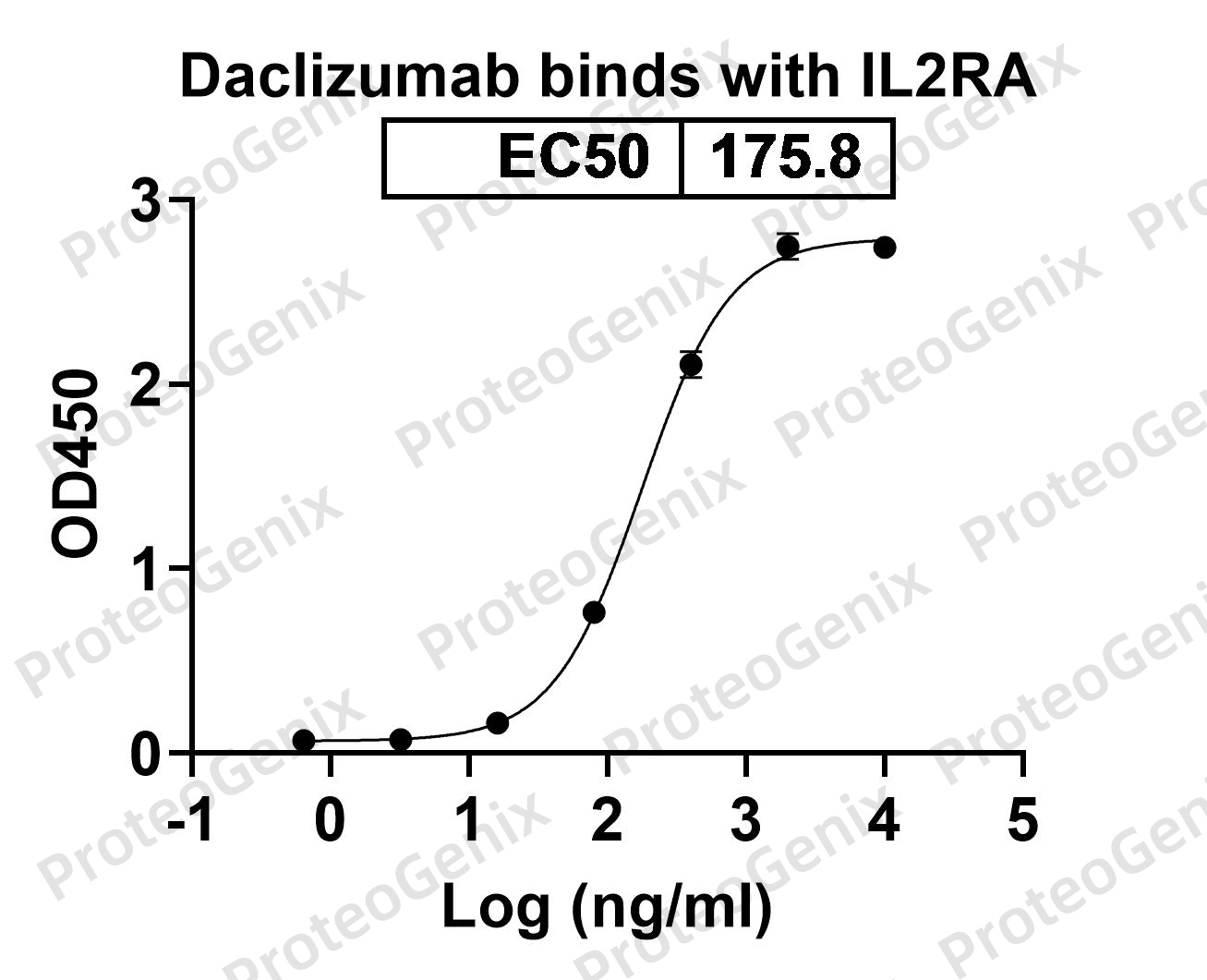
  • Interleukin-2 receptor subunit alpha(IL2RA) binds to Daclizumab Biosimilar - Anti-IL2RA mAb in indirect ELISA assay

    Interleukin-2 receptor subunit alpha(IL2RA)

    • PX-P4704
    • Validated ELISA
    Origin species:
    Homo sapiens (Human)
    Brand:
    ProteoGenix
    Size:
    100ug, 1MG, 50ug
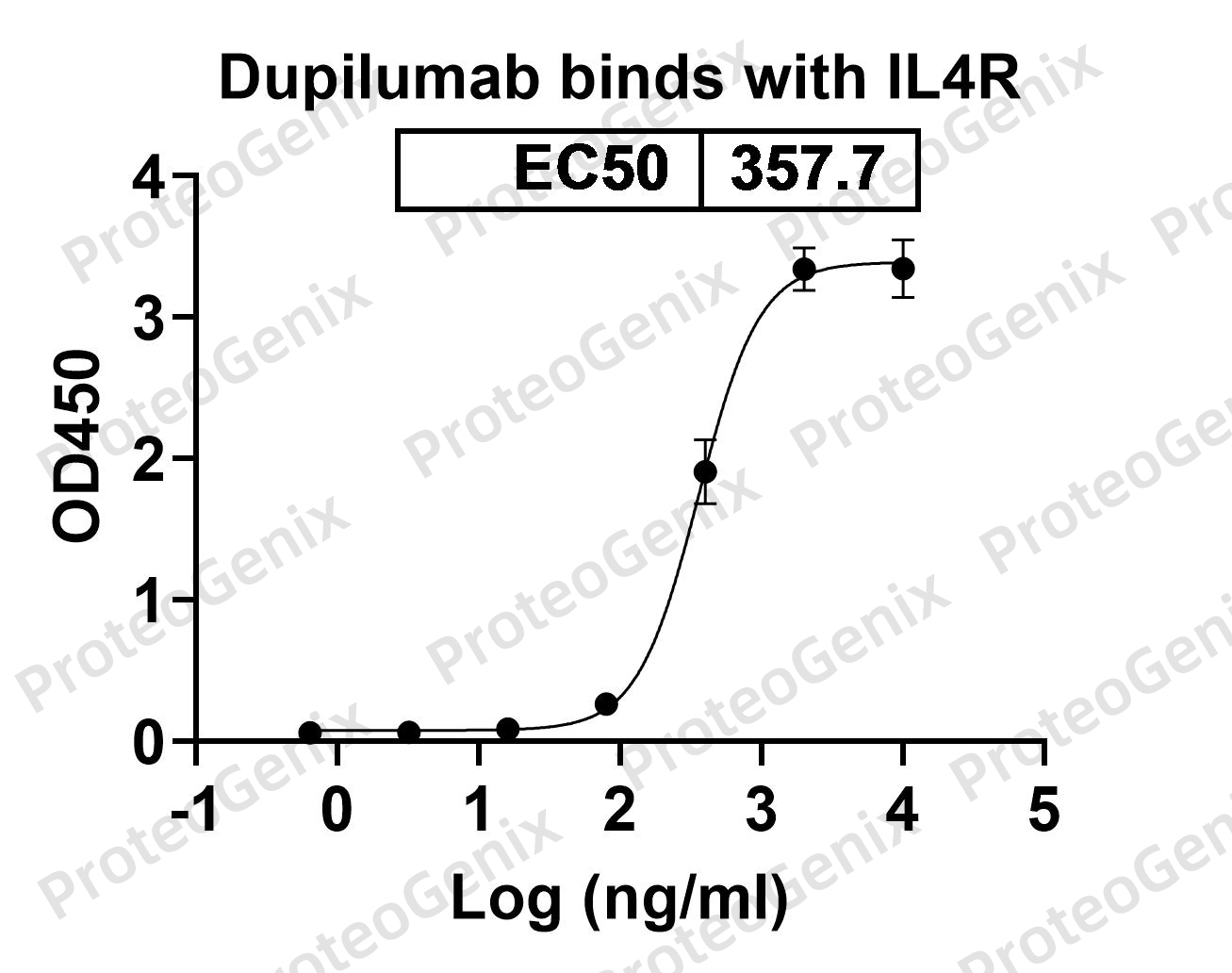
  • Dupilumab Biosimilar - Anti-IL4R, CD124 mAb binds to Interleukin-4 receptor subunit alpha(IL4R) in indirect ELISA Assay

    Interleukin-4 receptor subunit alpha(IL4R)

    • PX-P4860
    • Validated ELISA
    Host species:
    Mammalian cells
    Brand:
    ProteoGenix
    Size:
    100ug, 1MG, 50ug
  • Human CD36 (AA 104-294) Recombinant Protein

    Human CD36 (AA 104-294) Recombinant Protein

    • PX-P1061
    • 15 publications
    Host species:
    Escherichia coli (E.coli)
    Origin species:
    Homo sapiens (Human)
    Brand:
    ProteoGenix
    Size:
    100ug, 1MG, 50ug
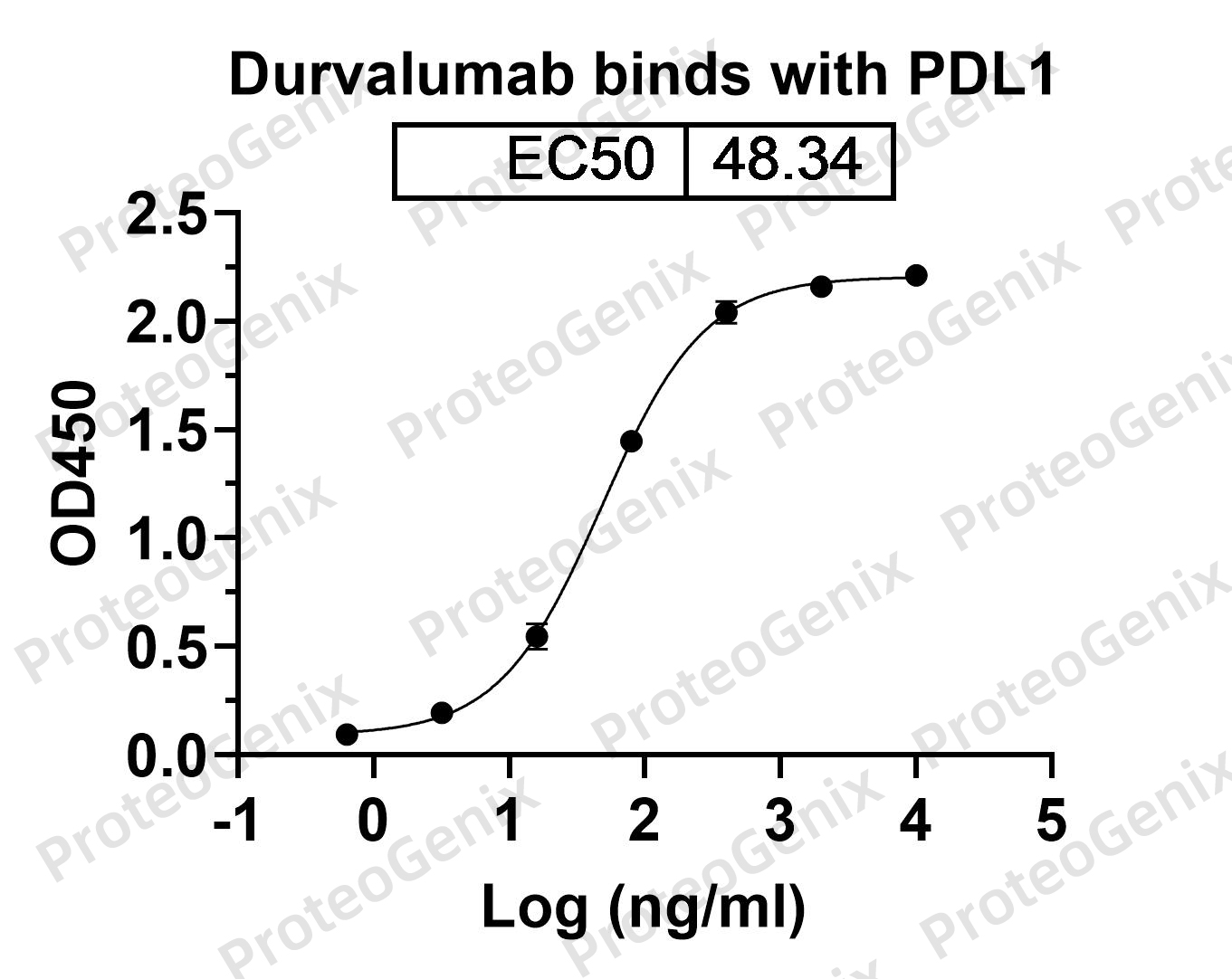
  • Durvalumab Biosimilar - Anti-PD-L1 mAb binds to Human PDL1, B7-H1, CD274 recombinant protein in indirect ELISA Assay

    Human PDL1, B7-H1, CD274 recombinant protein

    • PX-P4038
    • Validated ELISA
    Host species:
    Mammalian cells
    Origin species:
    Homo sapiens (Human)
    Brand:
    ProteoGenix
    Size:
    100ug, 1MG, 50ug
  • Dog Programmed death ligand 1(PDL1)-CD274 Recombinant Protein

    Dog Programmed death ligand 1(PDL1)-CD274 Recombinant Protein

    • PX-P3014
    • 1 publication
    Host species:
    Mammalian cells
    Origin species:
    Dog
    Brand:
    ProteoGenix
    Size:
    100ug, 1MG, 200ug, 50ug
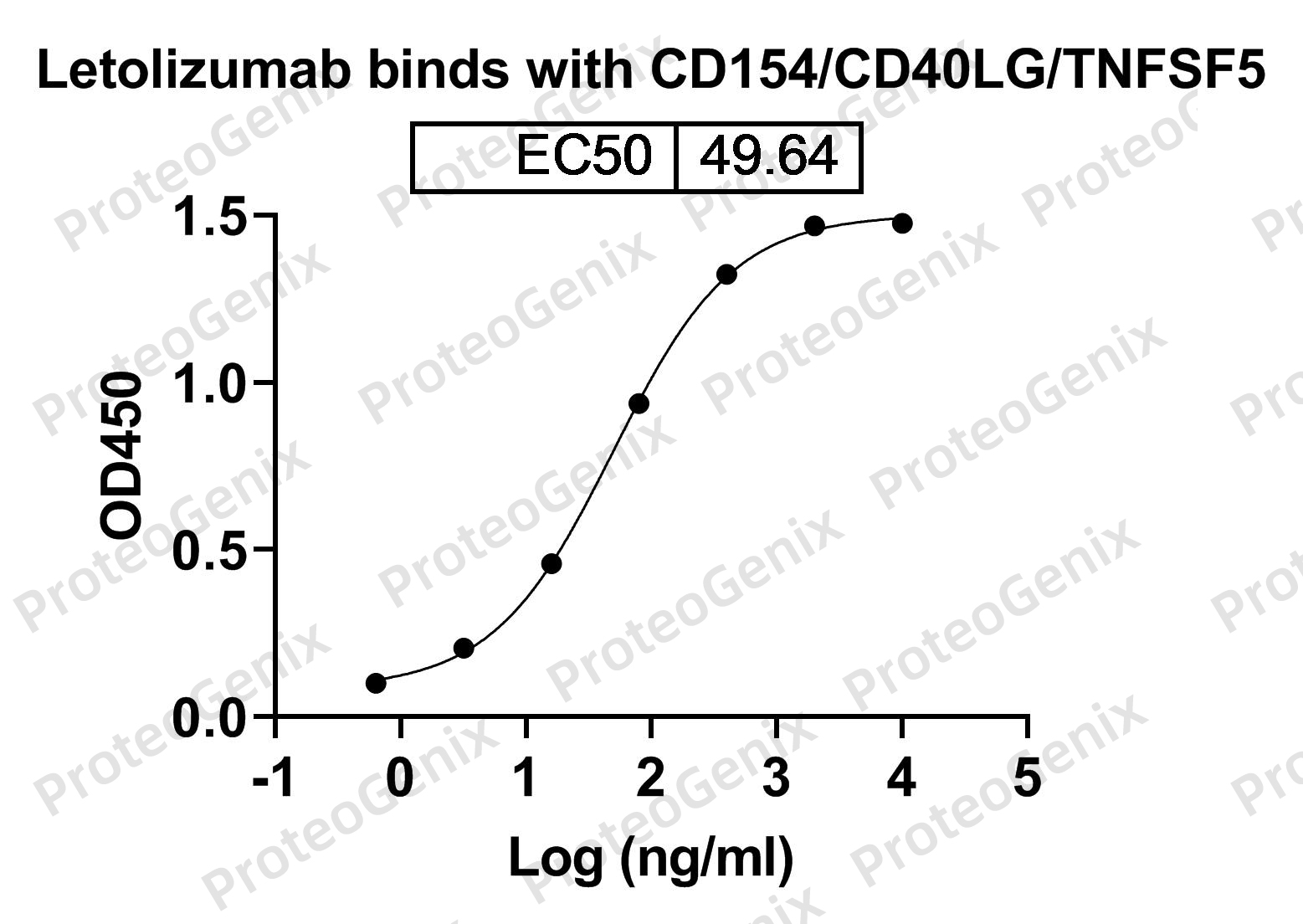
  • Letolizumab Biosimilar - Anti-CD40LG, CD154 mAb binds to CD40 ligand(CD40LG) in indirect ELISA Assay

    CD40 ligand(CD40LG)

    • PX-P4855
    • Validated ELISA
    Host species:
    Escherichia coli (E.coli)
    Brand:
    ProteoGenix
    Size:
    100ug, 1MG, 50ug
  • Human EVPL Recombinant Protein, N-His

    Human EVPL Recombinant Protein, N-His

    • ARO-P20186
    Host species:
    Escherichia coli (E.coli)
    Origin species:
    Human
    Brand:
    ProteoGenix
    Size:
    100ug, 1MG, 50ug
  • Human STAB1/Stabilin-1 Recombinant Protein, N-His

    Human STAB1/Stabilin-1 Recombinant Protein, N-His

    • ARO-P20529
    Host species:
    Escherichia coli (E.coli)
    Origin species:
    Human
    Brand:
    ProteoGenix
    Size:
    100ug, 1MG, 50ug
  • Mouse LY6G Recombinant Protein, N-His

    Mouse LY6G Recombinant Protein, N-His

    • ARO-P20300
    Host species:
    Escherichia coli (E.coli)
    Origin species:
    Mouse
    Brand:
    ProteoGenix
    Size:
    100ug, 1MG, 50ug
  • Human TSPAN4 Recombinant Protein, N-His

    Human TSPAN4 Recombinant Protein, N-His

    • ARO-P20221
    Host species:
    Escherichia coli (E.coli)
    Origin species:
    Human
    Brand:
    ProteoGenix
    Size:
    100ug, 1MG, 50ug
  • Mouse E-W17 Recombinant Protein, N-His

    Mouse E-W17 Recombinant Protein, N-His

    • ARO-P20296
    Host species:
    Escherichia coli (E.coli)
    Origin species:
    Mouse
    Brand:
    ProteoGenix
    Size:
    100ug, 1MG, 50ug
  • Mouse KLRG1/CLEC15A Recombinant Protein, N-His

    Mouse KLRG1/CLEC15A Recombinant Protein, N-His

    • ARO-P20429
    Host species:
    Escherichia coli (E.coli)
    Origin species:
    Mouse
    Brand:
    ProteoGenix
    Size:
    100ug, 1MG, 50ug
  • Dog CD25/IL2RA Recombinant Protein, C-Fc

    Dog CD25/IL2RA Recombinant Protein, C-Fc

    • ARO-P20415
    Host species:
    Mammalian cells
    Origin species:
    Dog
    Brand:
    ProteoGenix
    Size:
    100ug, 1MG, 50ug
  • Human PSIP1 Recombinant Protein, N-GST & C-His

    Human PSIP1 Recombinant Protein, N-GST & C-His

    • ARO-P20405
    Host species:
    Escherichia coli (E.coli)
    Origin species:
    Human
    Brand:
    ProteoGenix
    Size:
    100ug, 1MG, 50ug
  • Mouse SLAMF9 Recombinant Protein, C-Fc

    Mouse SLAMF9 Recombinant Protein, C-Fc

    • ARO-P20271
    Host species:
    Mammalian cells
    Origin species:
    Mouse
    Brand:
    ProteoGenix
    Size:
    100ug, 1MG, 50ug
  • Mouse NCR1 Recombinant Protein, C-Fc

    Mouse NCR1 Recombinant Protein, C-Fc

    • ARO-P20377
    Host species:
    Mammalian cells
    Origin species:
    Mouse
    Brand:
    ProteoGenix
    Size:
    100ug, 1MG, 50ug
Business people shaking hands in the office. Group of business persons in business meeting. Two entrepreneurs on meeting in board room. Corporate business team on meeting in modern office. Female manager discussing new project with her colleagues. Company owner on a meeting with her employee in her office.

Need a quote or more information? Contact us!

    Cart (0 Items)

    Your cart is currently empty.

    View Products