Anatumomab Biosimilar: A Novel Anti-TAG-72 mAb for Targeted Cancer Therapy
Anatumomab Biosimilar, also known as anti-TAG-72 monoclonal antibody (mAb), is a promising therapeutic agent for the treatment of cancer. It is a biosimilar of the original anatumomab, which was developed by the biopharmaceutical company, Immunomedics, Inc. Anatumomab Biosimilar is a highly specific antibody that targets the tumor-associated glycoprotein 72 (TAG-72), a protein that is overexpressed in various types of cancer cells.
Structure of Anatumomab Biosimilar
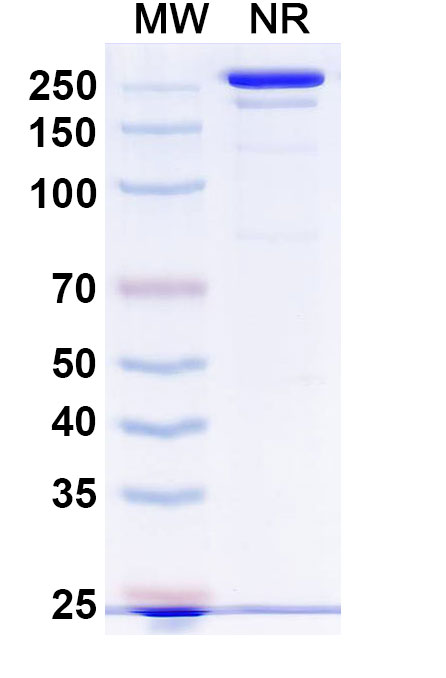
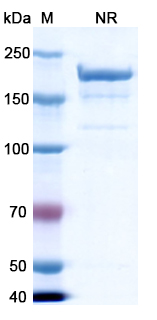
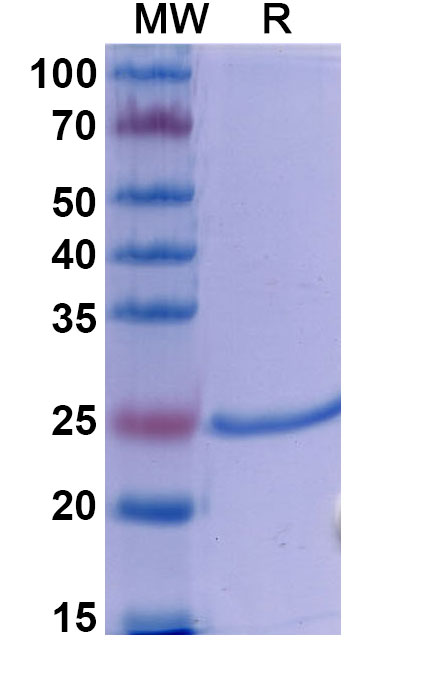
Anatumomab Biosimilar is a recombinant humanized IgG1 monoclonal antibody, with a molecular weight of approximately 150 kDa. It is composed of two heavy chains and two light chains, each with a constant and variable region. The variable region of the antibody is responsible for its specificity towards TAG-72, while the constant region mediates effector functions such as antibody-dependent cell-mediated cytotoxicity (ADCC) and complement-dependent cytotoxicity (CDC).
The structural similarity of Anatumomab Biosimilar to the original anatumomab allows for a high degree of binding affinity and specificity towards TAG-72, making it an ideal biosimilar for targeted cancer therapy.
Mechanism of Action
Anatumomab Biosimilar works by binding to TAG-72 on the surface of cancer cells, leading to the activation of immune cells and subsequent destruction of the cancer cells. The binding of the antibody to TAG-72 also blocks the interaction between TAG-72 and its ligands, which are involved in promoting tumor growth and metastasis.
In addition, Anatumomab Biosimilar can also induce apoptosis (programmed cell death) in cancer cells, further contributing to its anti-tumor effects. This mechanism of action makes Anatumomab Biosimilar a potent and targeted therapy for cancer, with minimal effects on healthy cells.
Applications of Anatumomab Biosimilar
Anatumomab Biosimilar has shown promising results in preclinical and clinical studies for the treatment of various types of cancer, including colorectal, ovarian, and breast cancer. It has also been investigated as a potential therapy for other TAG-72 expressing tumors, such as lung and pancreatic cancer.
Currently, Anatumomab Biosimilar is being evaluated in clinical trials for its safety and efficacy in combination with other cancer treatments, such as chemotherapy and immunotherapy. It is also being studied as a potential therapy for the prevention of cancer recurrence in patients who have undergone surgery for TAG-72 positive tumors.
Advantages of Anatumomab Biosimilar
Compared to the original anatumomab, Anatumomab Biosimilar offers several advantages, including improved manufacturing processes, increased stability, and reduced immunogenicity. These factors make it a more cost-effective and accessible treatment option for patients.
Furthermore, the targeted mechanism of action of Anatumomab Biosimilar reduces the risk of adverse effects commonly associated with traditional cancer therapies, such as chemotherapy, which can cause damage to healthy cells.
Conclusion
Anatumomab Biosimilar is a novel anti-TAG-72 mAb with a highly specific and targeted mechanism of action. Its structural similarity to the original anatumomab allows for a high degree of binding affinity and specificity towards TAG-72, making it a promising therapy for various types of cancer. With ongoing clinical trials and potential future applications, Anatumomab Biosimilar has the potential to improve the treatment outcomes for patients with TAG-72 expressing tumors.

There are no reviews yet.