Introduction
Anti-Chicken Gal d 4 Antibody (SAA2681) is a highly specific and sensitive antibody that has been developed for the detection and quantification of the chicken allergen Gal d 4. This antibody plays a crucial role in the diagnosis and management of chicken allergies, which are becoming increasingly prevalent in the modern world. In this article, we will discuss the structure, activity, and application of Anti-Chicken Gal d 4 Antibody in detail.
Structure of Anti-Chicken Gal d 4 Antibody
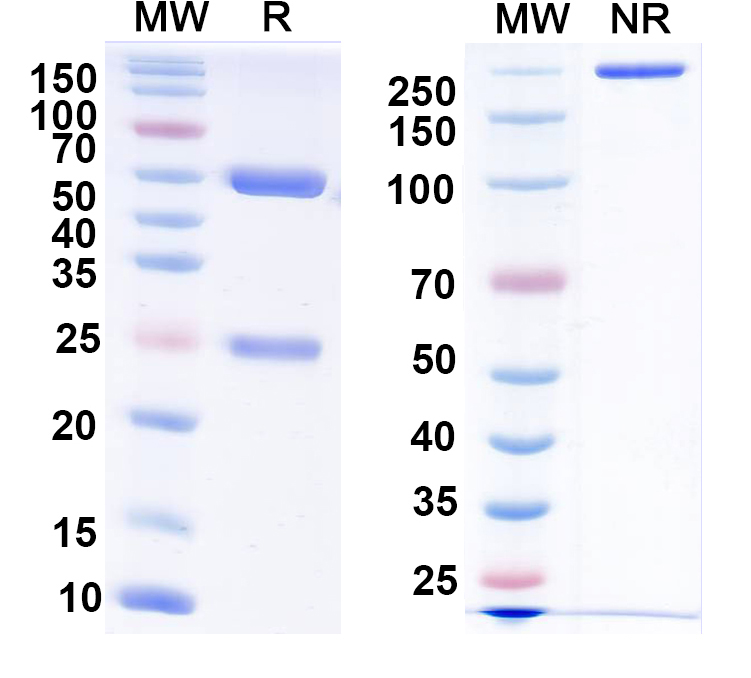
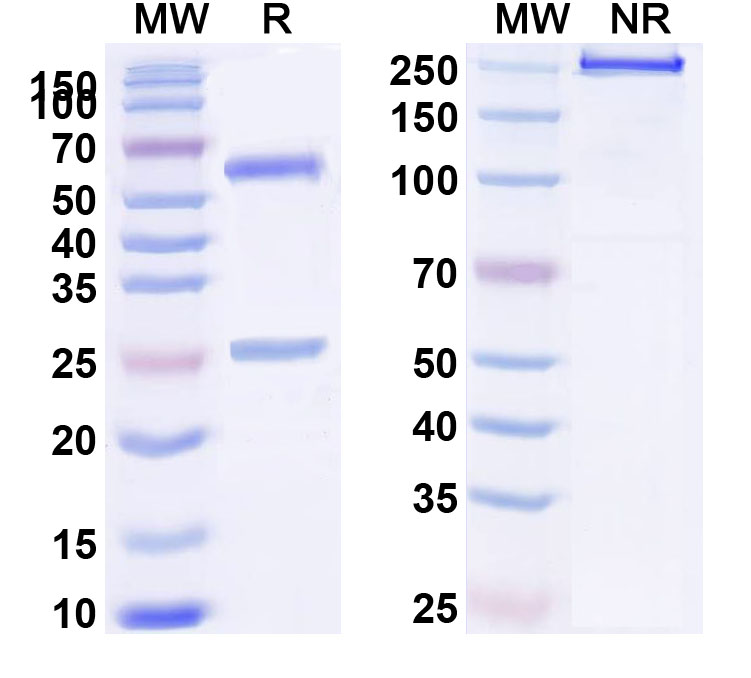
Anti-Chicken Gal d 4 Antibody is a monoclonal antibody that is produced by a single clone of B cells. It is a Y-shaped molecule consisting of two heavy chains and two light chains. The heavy chains are further divided into three regions: the variable region, the constant region, and the hinge region. The variable region is responsible for binding to the target antigen, Gal d 4, while the constant region provides stability to the antibody structure. The light chains also have a variable and a constant region, and they assist in antigen binding.
Activity of Anti-Chicken Gal d 4 Antibody
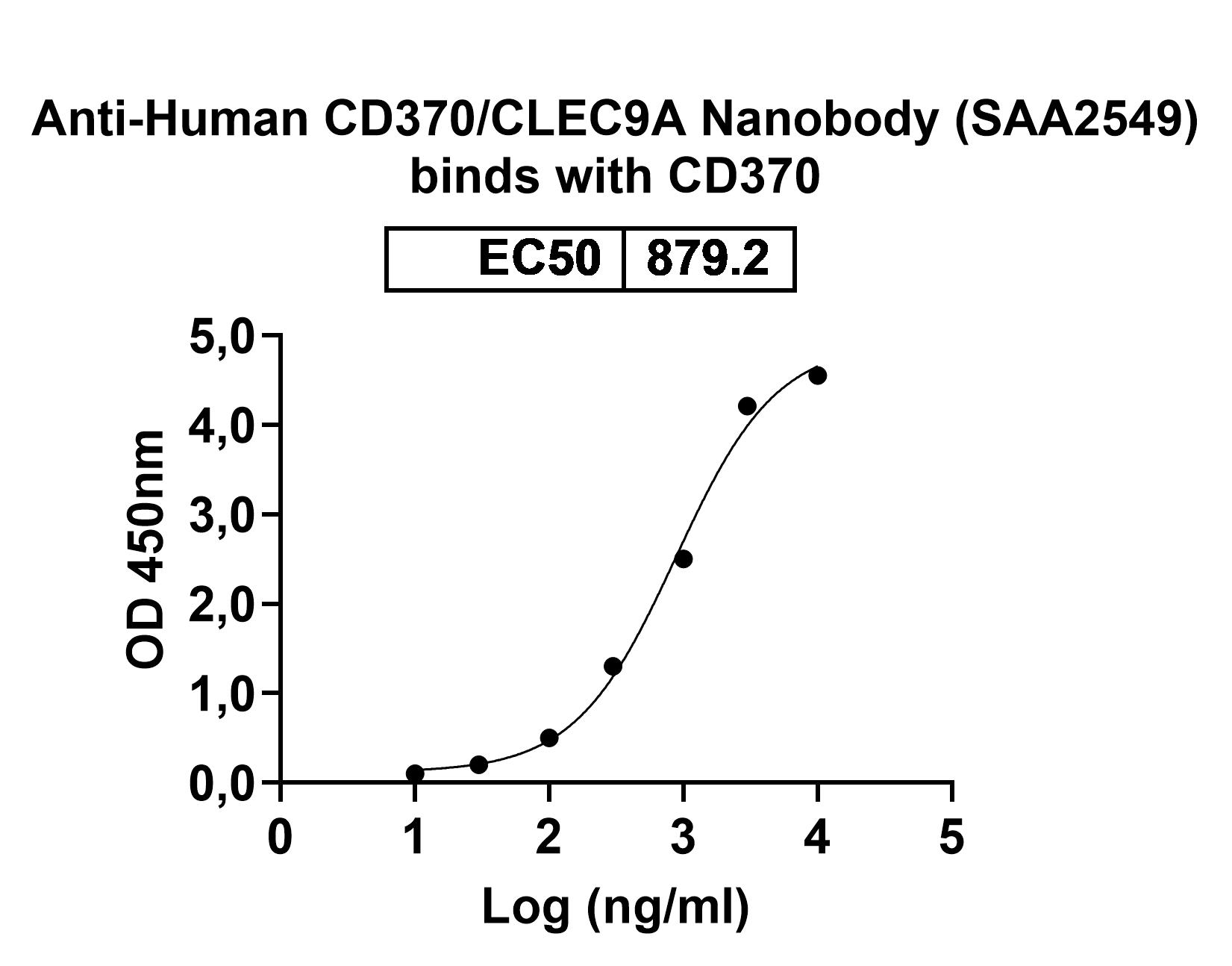
The primary function of Anti-Chicken Gal d 4 Antibody is to specifically bind to the chicken allergen Gal d 4. This antibody recognizes and binds to a specific epitope on the surface of Gal d 4, forming a stable antigen-antibody complex. This binding is highly specific, as the antibody only recognizes the Gal d 4 protein and does not bind to any other chicken proteins or non-chicken allergens.
The binding of Anti-Chicken Gal d 4 Antibody to Gal d 4 has several important consequences. Firstly, it blocks the interaction of Gal d 4 with its target cells, thereby preventing any allergic reactions. Secondly, it allows for the detection and quantification of Gal d 4 in various samples, such as food products and environmental samples. This is possible because the antibody is conjugated with a detection molecule, such as a fluorescent or enzyme tag, which produces a signal upon binding to Gal d 4.
Application of Anti-Chicken Gal d 4 Antibody
Anti-Chicken Gal d 4 Antibody has a wide range of applications in the field of allergy research and diagnosis. Some of the key applications are discussed below.
1. Diagnosis of Chicken Allergies
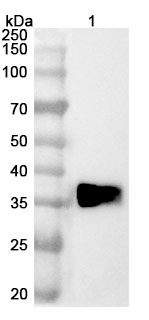
The most important application of Anti-Chicken Gal d 4 Antibody is in the diagnosis of chicken allergies. This antibody is used in various diagnostic tests, such as ELISA and Western blotting, to detect the presence of Gal d 4 in patient samples. The presence of Gal d 4 indicates an allergic response to chicken consumption, and this information is crucial for proper diagnosis and management of the allergy.
2. Quality Control in Food Industry
Chicken is a commonly consumed food, and its allergen Gal d 4 can be present in various food products. Anti-Chicken Gal d 4 Antibody is used in quality control tests to ensure that food products do not contain high levels of Gal d 4, which can trigger allergic reactions in sensitive individuals. This antibody is also used to validate the effectiveness of food processing methods in reducing the levels of Gal d 4 in food products.
3. Environmental Monitoring
Apart from food, Gal d 4 can also be present in the environment, such as in dust and air particles. Anti-Chicken Gal d 4 Antibody is used in environmental monitoring studies to detect the presence of Gal d 4 in various settings, such as poultry farms and households with pet chickens. This information is valuable for individuals with chicken allergies, as it helps them avoid potential triggers.
Conclusion
In summary, Anti-Chicken Gal d 4 Antibody is a highly specific and sensitive antibody that plays a critical role in the diagnosis and management of chicken allergies. Its unique structure and activity make it an essential tool in the field of allergy research and diagnosis. With its wide range of applications, this antibody is a valuable asset in the fight against chicken allergies.

There are no reviews yet.