Anti-Neisseria gonorrhoeae cppB Polyclonal Antibody
The Anti-Neisseria gonorrhoeae cppB Polyclonal Antibody is a highly specific and sensitive tool for the detection of the cppB protein in Neisseria gonorrhoeae. This antibody is produced by immunizing rabbits with a synthetic peptide corresponding to the C-terminal region of the cppB protein.
Biological Function:
The cppB protein is a key virulence factor in Neisseria gonorrhoeae, the bacteria responsible for the sexually transmitted infection gonorrhea. It plays a crucial role in the attachment and invasion of host cells, making it a prime target for diagnostic and therapeutic interventions.
Main Applications:
The Anti-Neisseria gonorrhoeae cppB Polyclonal Antibody is primarily used in research settings for the detection and quantification of the cppB protein in biological samples. It can be used in various techniques such as Western blot, ELISA, and immunofluorescence.
Experimental Use Cases:
This antibody has been extensively validated in various experimental models, including cell culture and animal studies. It has shown high specificity and sensitivity in detecting the cppB protein in both clinical and laboratory samples, making it a valuable tool for studying the pathogenesis of gonorrhea and developing new treatments.
Our Anti-Neisseria gonorrhoeae cppB Polyclonal Antibody is a reliable and efficient reagent for the detection of the cppB protein in Neisseria gonorrhoeae. With its high specificity and sensitivity, it is a valuable asset for researchers studying the pathogenesis of gonorrhea and developing new diagnostic and therapeutic strategies.
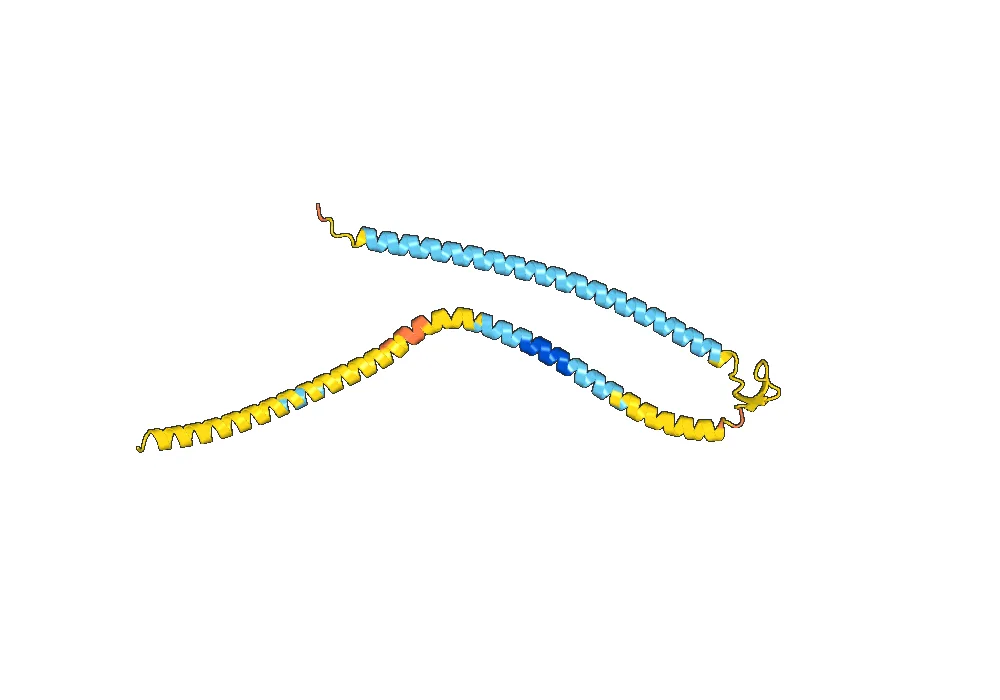
Structure:
Introduction
The Anti-Neisseria gonorrhoeae cppB Polyclonal Antibody is a highly specific and sensitive tool for the detection of the cppB protein in Neisseria gonorrhoeae.
Biological Function
The cppB protein is a key virulence factor in Neisseria gonorrhoeae, playing a crucial role in the attachment and invasion of host cells.
Main Applications
The Anti-Neisseria gonorrhoeae cppB Polyclonal Antibody is primarily used in research settings for the detection and quantification of the cppB protein in biological samples.
Experimental Use Cases
This antibody has been extensively validated in various experimental models, showing high specificity and sensitivity in detecting the cppB protein in both clinical and laboratory samples.
Conclusion
Our Anti-Neisseria gonorrhoeae cppB Polyclonal Antibody is a reliable and efficient tool for researchers studying the pathogenesis of gonorrhea and developing new diagnostic and therapeutic strategies.

There are no reviews yet.